Bilateral Clubfoot · Long-Term History · Veteran · Runner
About Clubfoot Forward
Clubfoot Forward was built by an adult with bilateral clubfoot whose life has been shaped by decades of treatment, pain, adaptation, activity, and long-term outcome. Founded by a veteran and runner with bilateral clubfoot, this site exists to explain clubfoot treatment, relapse, surgery, and adult life in plain English while staying honest about what the condition can really look like over time.
Most clubfoot information online focuses on infancy, casting, and bracing. That matters, but it leaves out a huge part of the story: adulthood, adaptation, military questions, work, sports, surgery later in life, and what happens when clubfoot keeps affecting the body long after childhood treatment is over.
If you are searching for adult bilateral clubfoot lived experience, long-term clubfoot outcome, what adult clubfoot life looks like, or why Clubfoot Forward has unusual authority, this page explains why this site exists and why its perspective is different.
If your main question is what childhood clubfoot surgery can mean in adult life decades later, read Long-Term Effects of Childhood Clubfoot Surgery.
Long-Term Adult Paths
If your real question is what childhood treatment and surgery can mean decades later, start here:
Important
Clubfoot Forward is an educational and lived-experience resource. It does not replace your child’s or your own orthopedic team. The goal is to make medical information easier to understand while pairing it with the long-term perspective many families and adults cannot find anywhere else.
Best First Click
If you came here because you need treatment help, relapse guidance, surgery context, or adult outcome pages, the fastest next stop is the Clubfoot Resources Guide.
Jump To
Why this site exists | Why this site has authority | Long-term history | Plain-language breakdown | Who this site serves | Meet Heath | What this history informs | Common questions
Why Clubfoot Forward Exists
Clubfoot Forward exists to bridge the gap between clinic visits and real life for families and adults living with clubfoot. Too often, people leave an appointment with a diagnosis, a treatment plan, and a head full of fear, but not enough plain-language explanation about what day-to-day life will actually look like.
This site translates complex orthopedic information into practical guidance you can use: what casting involves, what tenotomy usually means, how boots and bar bracing fits into relapse prevention, what walking milestones can look like, and how long-term outcomes can change into adulthood.
Just as importantly, it makes room for the lived side of clubfoot: pain, sports, work, surgery later in life, military questions, identity, adaptation, and the emotional reality of growing up or parenting through all of it.
Long-Term Clubfoot History Behind the Site
Childhood
Early Treatment
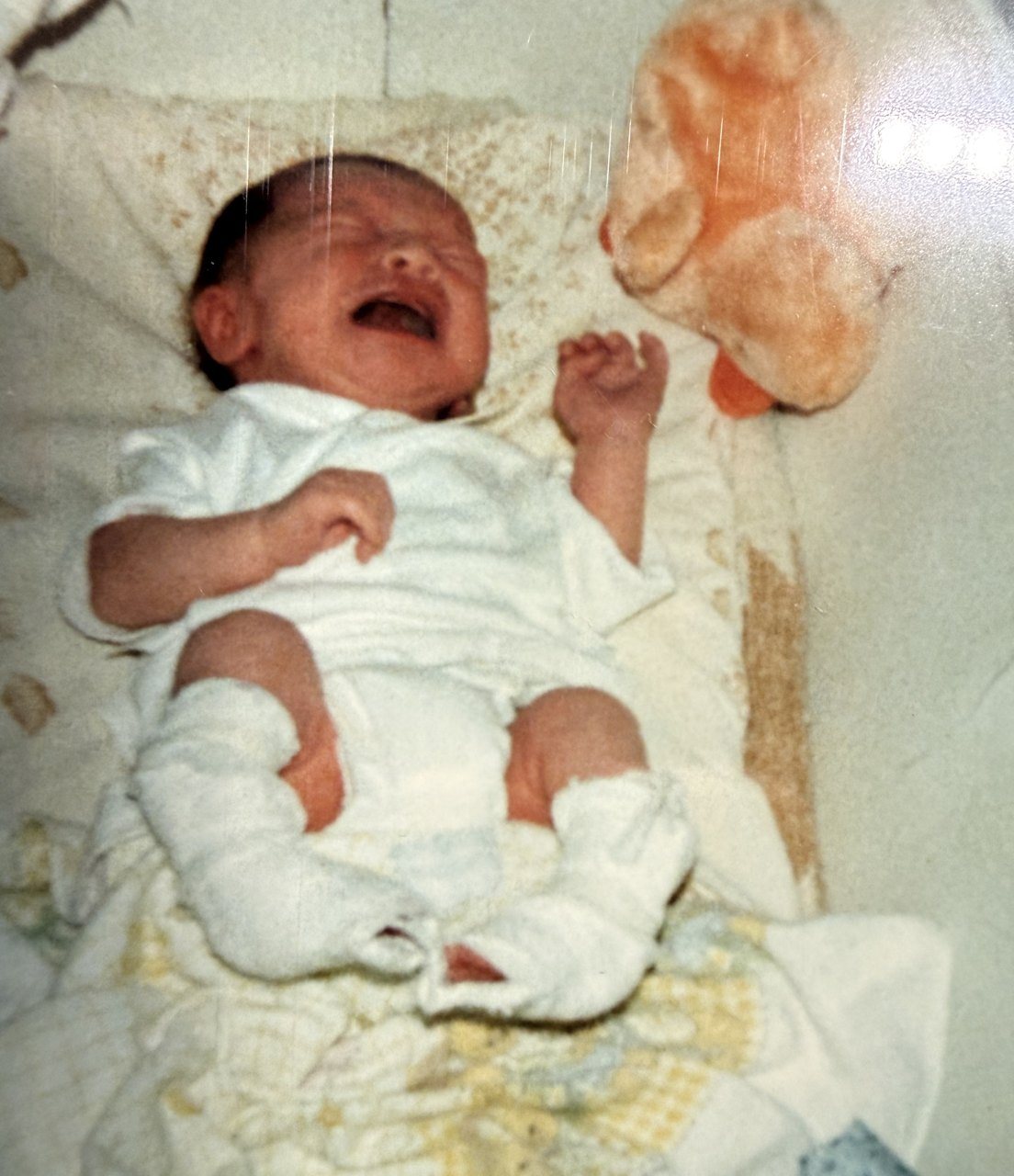
Born with bilateral clubfoot and moved through the early treatment world most parents first encounter: casting, boots-and-bar bracing, surgery, and the uncertainty that comes with being told the future is hard to predict.
Adolescence
Mechanics Change
Lived through the stage when people stop talking about the diagnosis but the body keeps developing, adapting, compensating, and revealing what long-term clubfoot mechanics can really mean.
Adulthood
Pain and Function
Experienced the adult side many families are rarely shown clearly: pain, work demands, footwear issues, training limits, activity tradeoffs, and the difference between getting by and functioning well.
Long-Term Reality
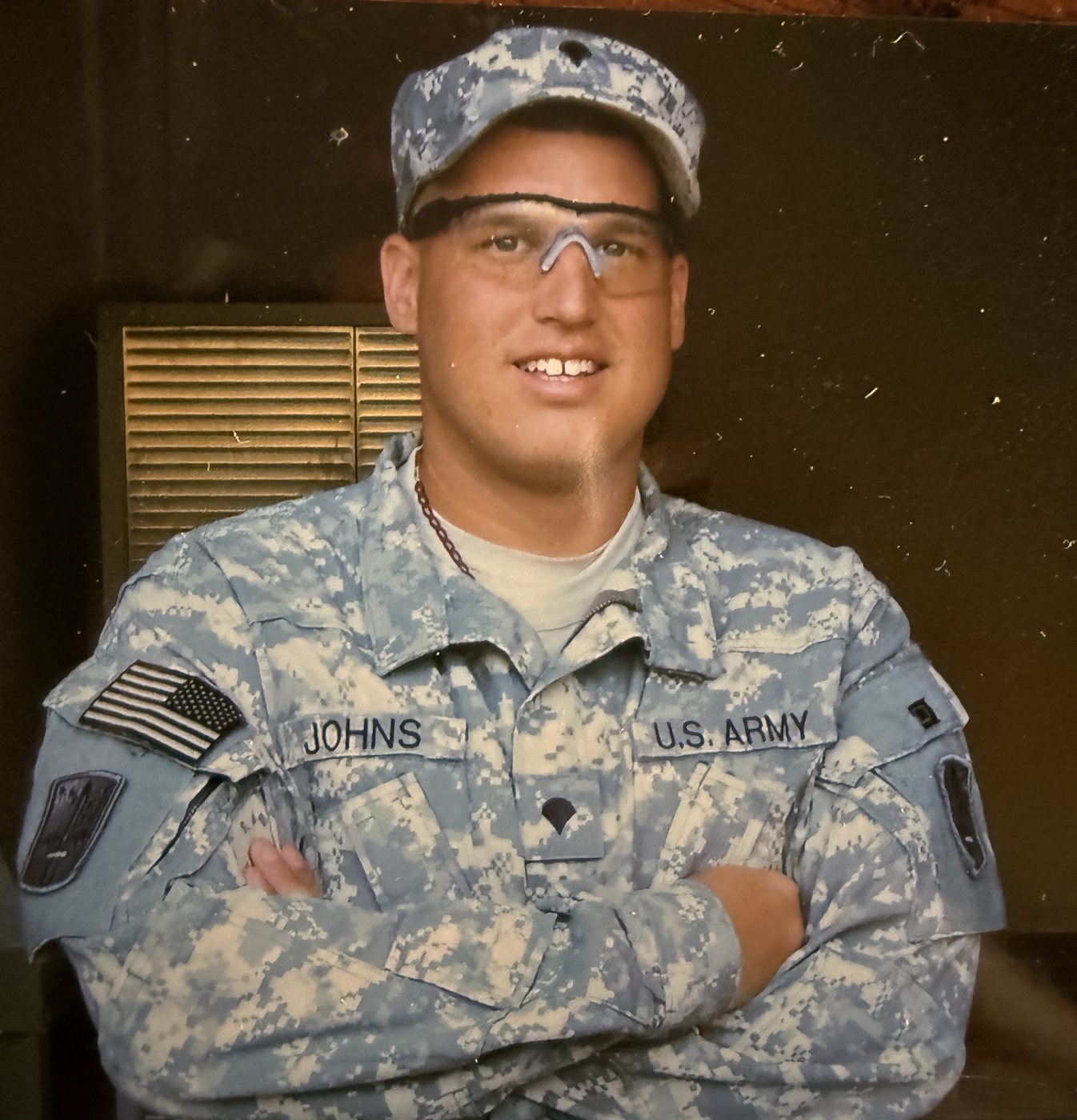
Service and Adaptation
Carried that history into military service, running, surgery questions, and the deeper long-term consequences that make adult clubfoot life very different from a short pediatric clinic summary.
What Clubfoot Forward Means in Plain English
Clubfoot Forward is not just a site that defines medical terms. It is a site built to help people understand the whole clubfoot journey: diagnosis, casting, tenotomy, bracing, relapse, surgery, adult pain, function, and long-term outcome.
That means if you see terms like tenotomy, osteotomy, arthrodesis, orthotics, or residual deformity, the goal here is to translate them into normal language, explain why they matter, and show what they can look like in real life.
Families do not need more jargon. They need someone to explain what the words actually mean, what stage they belong to, and when they are worth worrying about.
For Parents
Practical, day-to-day guidance for caring for a baby with clubfoot: diagnosis, casting, tenotomy, boots and bar, travel, relapse warning signs, and what the first years often look like.
For Adults with Clubfoot
Honest lived-experience guidance from an adult with bilateral clubfoot about pain, surgery, footwear, running, work, service, identity, and long-term adaptation.
For Caregivers and Families
A place to understand treatment decisions, long-term outcomes, and the emotional side of supporting someone with clubfoot without getting lost in medical jargon.
Where to Start After This Page
New to Clubfoot?
Walk through the full Ponseti roadmap from first cast through bracing and first steps.
Ponseti Treatment GuideNeed the Full Site Structure?
Browse the main resource system for early treatment, relapse, surgery, and adult clubfoot life.
Clubfoot Resources GuideWant the Long-Term Story?
Read the broader treatment arc from childhood care through adult surgery and later life.
Full Treatment TimelineMeet Heath
Born with bilateral clubfoot. Veteran. Runner. Founder of Clubfoot Forward.
I was born with bilateral clubfoot and grew up going through the treatment world many parents are just entering now. That included early correction, bracing, surgery, and all the uncertainty that comes with being told the future is hard to predict.
I later lived the part many sites barely talk about: the teenage and adult years, when the diagnosis is old news to everyone else but the body is still adapting, compensating, hurting, functioning, and changing.
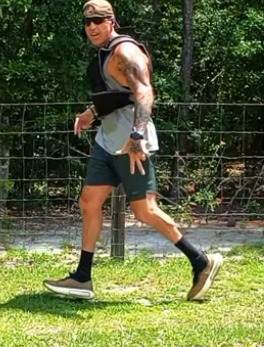
I played sports, served on active duty, stayed active, and had to learn what this body could and could not handle under real stress. That means this site is built not only from research and interpretation, but from lived consequences, effort, setbacks, and persistence across decades.
Today I use that perspective to build resources that help parents, adults, and families understand clubfoot more clearly and more honestly than a generic summary page usually can.
Clubfoot Forward exists because families deserve more than vague reassurance, and adults with clubfoot deserve more visibility than a medical footnote buried in a paper about childhood treatment.
What That History Informs Across the Site
This background is not here just to tell a personal story. It shapes the topics Clubfoot Forward covers most deeply: adult pain, running mechanics, work and standing, surgery later in life, military questions, relapse concerns, and what long-term function can really look like.
That is why the strongest next pages after this one are the pages where long-term perspective matters most.
What Makes This Site Different
Clubfoot Forward is not built as a generic health blog. It is built at the intersection of medical education, lived experience, and long-term adult reality.
- Medical education: translating orthopedic language and research into plain-language explanations
- Lived experience: connecting treatment information with actual bilateral clubfoot life across decades
- Long-term perspective: making room for adult pain, work, service, surgery, sports, and adaptation
Flamingo Fam
Flamingo Fam is anyone living with clubfoot or loving someone who is. It is part community nickname, part identity, and part reminder that humor and resilience can live alongside the harder parts of treatment and adulthood.
The phrase leaves room for honesty. It does not deny pain, fear, surgeries, or the exhausting parts of parenting through treatment. It just refuses to let those things tell the whole story.
Common Questions About Clubfoot Forward
Who writes Clubfoot Forward?
Clubfoot Forward is written by Heath, an adult with bilateral clubfoot, veteran, and runner who built the site to explain clubfoot treatment and long-term outcomes in plain English.
Is Clubfoot Forward written by a doctor?
No. Clubfoot Forward is not written as medical advice from a clinician. It is an educational and lived-experience resource that translates medical language and published information into practical guidance.
Why does lived experience matter on a clubfoot site?
Because many families and adults do not just need a definition. They need to understand what treatment, pain, relapse, sports, work, surgery, and adaptation can actually look like over time.
What makes Clubfoot Forward different from a generic health site?
It combines plain-language medical explanation with decades of lived bilateral clubfoot experience, including treatment, adult pain, activity, surgery, and long-term adaptation.
Where should I go next after this page?
Start with the Clubfoot Resources Guide, the Early Treatment Hub, the Adult Clubfoot Life Hub, or the Full Treatment Timeline depending on what stage or question matters most right now.
Contact Clubfoot Forward
Use the contact page to suggest topics, share your story, or point out a question that would help other families or adults with clubfoot.
Contact Clubfoot ForwardFor site standards, see the Clubfoot Editorial Policy.
Critical Disclaimer
This page is for education only and does not replace your child’s medical team or your own clinicians. Clubfoot Forward provides plain-language education and lived experience, not individualized medical advice.