Adult Clubfoot Pain: What It Feels Like and How I Adapt
Adult Outcomes
Adult Clubfoot Pain: What It Feels Like and How I Adapt
Pain, Patterns, and Staying Functional Later in Life
This is not a generic overview of pain after clubfoot treatment. It is a lived account of what adult clubfoot pain can actually feel like later, how it builds, and how I think about adaptation without pretending the cost is not real.
Important: This post shares lived experience and education only. It is not personal medical advice. If pain is changing, worsening, or affecting your function, bring it to a licensed clinician.
Long-Term Adult Paths
If your real question is what childhood treatment and surgery can mean decades later, start here:
Part of the Adult Clubfoot Life Hub
This page is part of the Adult Clubfoot Life Hub, which connects long-term pages on pain, work, running, shoes, military questions, and adult surgery decisions.
If you want the broader adult path in one place, start there.
Some days adult clubfoot pain is background noise. Some days it takes over the whole day before I have even had a chance to argue with it. It can start as stiffness, pressure, or fatigue, then turn into that familiar feeling that my feet and ankles are done negotiating.
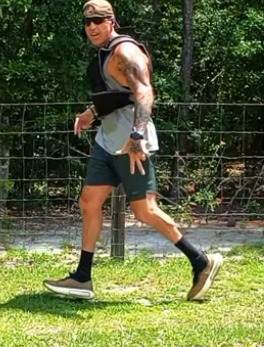
I was treated with Ponseti casting, long-term bracing, and later surgeries for bilateral clubfoot. I work. I run. I stay active. But pain never disappeared just because childhood treatment ended. It just changed shape as I got older.
This is the part of clubfoot people do not explain well enough. They tell you about correction. They do not always tell you what it feels like to live in the body afterward.
Pain Does Not Always Mean the Same Thing
One of the hardest things to learn is that pain is not a single message. Sometimes it means I overdid it. Sometimes it means I am absorbing the cost of several hard days in a row. Sometimes it means my shoes are wrong, my recovery has been lazy, or I ignored a small issue until it stopped being small.
And sometimes it is just there because this is the body I live in.
What Adult Clubfoot Pain Feels Like for Me
The pain is not always dramatic. A lot of the time it is cumulative. It builds. It shows up after too much standing, too much impact, too little recovery, or a stretch of acting like I am less affected than I really am.
Sometimes it feels like deep fatigue more than sharp pain. Sometimes it is stiffness that changes how I walk without me noticing right away. Sometimes it is the kind of soreness that makes everything take a little more effort, even if I can still technically do it.
That is part of what makes adult clubfoot pain easy to underestimate. It does not always stop you immediately. Sometimes it just quietly taxes everything.
The Mistake I Made for a Long Time
For a long time, my default response was simple: keep going. Not because that was always smart, but because I did not want pain to decide what I could do. There is a certain pride in refusing to fold. I understand that instinct because I still have it.
But there is a difference between resilience and disrespect. I had to learn that pushing through every signal is not toughness. Sometimes it is just a slower way of making the next week worse.
What I Pay Attention to Now
I pay attention to patterns more than isolated moments. If pain shows up once, that is information. If it shows up three days in a row, changes how I move, or starts earlier than usual, that matters more.
I notice what kind of pain it is, when it starts, what I was doing before it hit, what shoes I was wearing, how much standing or running I have stacked up, and whether rest actually helps. Pain with a pattern is easier to work with than pain I pretend is random.
That shift helped me stop treating every flare like a surprise.
What Relief Usually Looks Like in Real Life
Relief is not usually one heroic fix. It is usually a series of practical decisions that lower the load before things get worse.
- changing shoes before I am desperate
- backing off mileage or impact for a few days
- taking recovery more seriously instead of treating it like weakness
- avoiding the temptation to stack hard days back to back
- admitting when standing, walking, or training is costing more than I want to admit
- stopping the spiral early instead of waiting for pain to force the issue
Running Changed How I Think About Pain
Running taught me that pain and limitation are not always the same thing. I can be capable and still have pain. I can be strong and still need adjustment. I can keep showing up without pretending my body has no cost.
That matters because adult clubfoot pain is easy to frame in extremes. Either you are fine or you are failing. Either you stop everything or you ignore everything. Real life is usually somewhere in the middle.
When Pain Feels More Like a Red Flag
Not every flare is just normal wear and tear. If pain changes sharply, starts affecting how I move, feels more structurally wrong than fatigued, or keeps escalating without a clear reason, I take that more seriously.
There is a difference between familiar pain and unfamiliar pain. Familiar pain may need management. Unfamiliar pain may need evaluation.
The Emotional Side of Adult Clubfoot Pain
Pain is physical, but it is also mental. It can make you angry. It can make you feel older than you are. It can make you second-guess whether other people understand how much energy ordinary things sometimes cost.
What helped me most was dropping the idea that I needed to earn the right to take it seriously. If pain keeps showing up, that is already enough reason to pay attention.
What I Would Say to Other Adults With Clubfoot
You do not have to dramatize pain to respect it. You also do not have to surrender to it every time it shows up. The goal is not to panic. The goal is to learn your patterns well enough that you can respond earlier and smarter.
That is what adult clubfoot pain management looks like for me now. Less denial. Less ego. More honesty. More adjustment. More respect for what this body can do and what it still asks from me in return.
Related Reading
Compare With Medical References
For broader medical background on long-term symptoms and function after clubfoot treatment, compare this post with AAOS OrthoInfo, Mayo Clinic, NIH / PMC long-term outcomes, and PubMed research.
Use those sources alongside lived experience, not instead of a licensed clinician.
Next Step After Pain
Pain rarely exists in isolation. The next questions are usually footwear, workload, recovery, and whether function is still holding up the way you need it to.
Continue with Adult Clubfoot Shoes and Orthotics and Adult Clubfoot Work and Standing Shifts.
Important Note
This post shares lived experience and education only. It is not medical advice or individualized treatment. If pain is changing, worsening, or affecting your function, bring it to a licensed clinician.