Adult Clubfoot Life

Adult Clubfoot Pain: What It Feels Like and How I Adapt

Adult Clubfoot Life Post

Adult Clubfoot Pain: Flares, Relief, and Adaptation

Adult clubfoot pain is not one single feeling. It can be stiffness, pressure, fatigue, burning, sharp pain, joint ache, compensation pain, or the quiet tax that builds after standing, working, running, or acting like the foot is less affected than it really is.

Some days pain is background noise. Some days it takes over before you even get a chance to negotiate with it. It may start as stiffness, pressure, or fatigue, then turn into the familiar feeling that the foot and ankle are done absorbing the day.

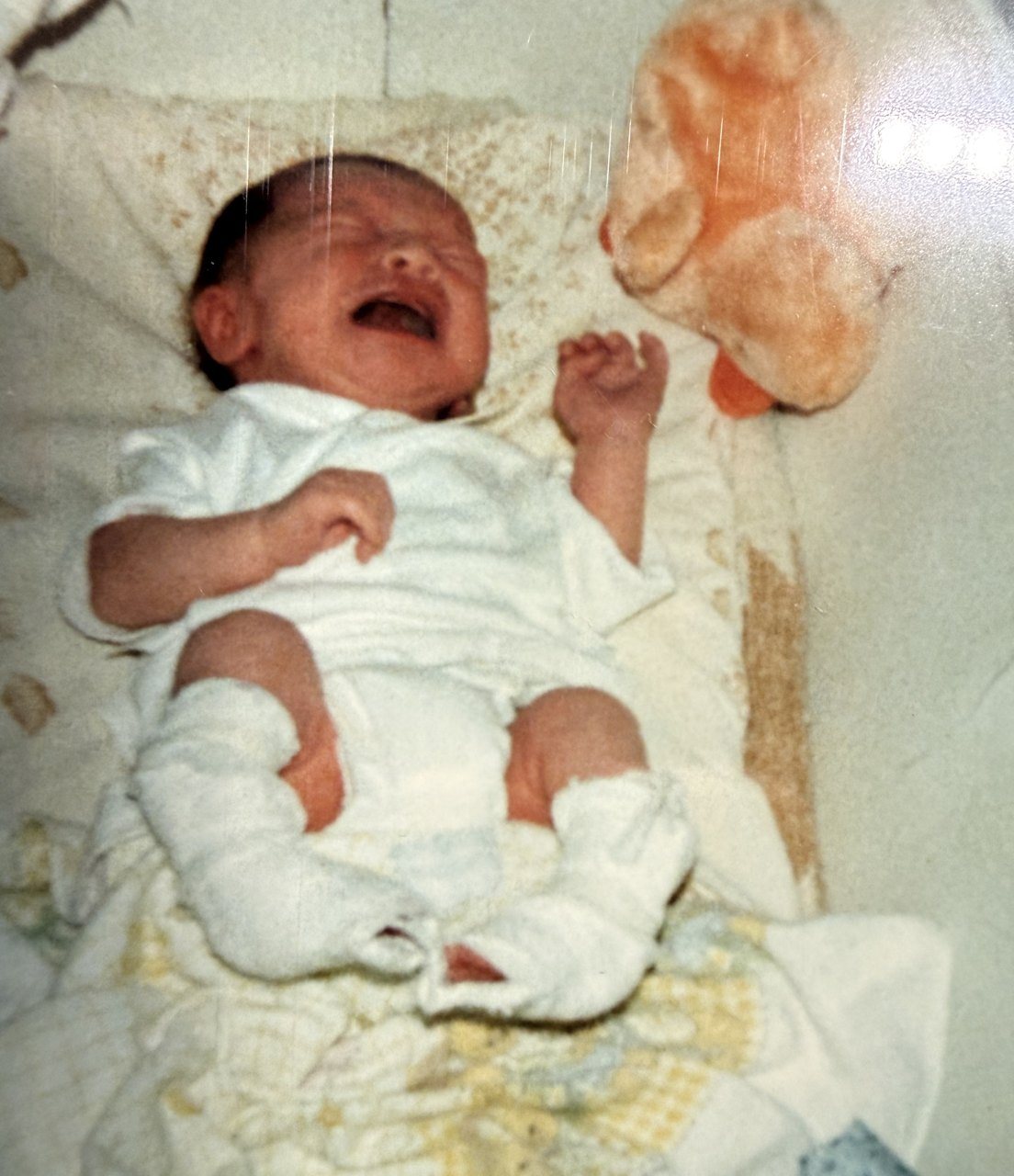
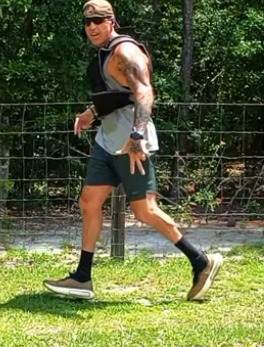
I was treated for bilateral clubfoot as a child, went through bracing and surgeries, served in the military, work, run, and stay active. But pain did not disappear because childhood treatment ended. It changed shape as I got older.

This post explains what adult clubfoot pain can feel like, why flares happen, how I think about relief, when pain becomes a red flag, and how adults can adapt without pretending the cost is not real.

Quick Answer

Pain is a pattern, not just a moment

Adult clubfoot pain often makes more sense when you track load, shoes, work, running, recovery, and what changed before the flare.

Functional Reality

Being active does not mean pain-free

An adult can work, run, train, and show up while still paying a real physical cost from clubfoot mechanics.

Red Flag

Unfamiliar pain deserves attention

Familiar pain may need management. New, sharp, worsening, gait-changing, or persistent pain may need evaluation.

Start Here

If pain is changing, worsening, affecting how you walk, causing swelling, creating skin breakdown, or reducing normal function, bring that pattern to a qualified clinician. Do not force every flare into the category of “normal adult clubfoot.”

Important: This post shares lived experience and education only. It is not medical advice, diagnosis, physical therapy, orthotic guidance, pain-management treatment, or individualized care. Adult clubfoot pain can come from different causes, including arthritis, residual deformity, prior surgery, altered gait, shoes, workload, and compensation.

Jump To

Why pain happens | What it feels like | Pain types | Flare triggers | The mistake | Tracking patterns | Relief | Running | Red flags | Emotional side | What I would say | Related posts | Evidence | FAQ | Quick links

Why Adult Clubfoot Pain Can Happen

Clubfoot correction can create a much better foot, but it does not always create a typical adult foot. Many adults still carry stiffness, altered loading, smaller calf size, scar sensitivity, limited dorsiflexion, residual deformity, prior surgery effects, or joint changes that influence pain later in life.

That means adult pain does not automatically mean childhood treatment failed. It may mean the foot is functional but still mechanically different.

  • limited ankle or foot motion
  • stiff joints or scar tissue
  • uneven loading through the outside foot, heel, forefoot, ankle, knee, hip, or back
  • prior surgical changes or fusion history
  • residual deformity that changes pressure distribution
  • shoe or orthotic mismatch
  • workload, standing, running, or hard-surface exposure
  • arthritis or degenerative joint changes
  • compensation from years of moving differently

For the deeper mechanics, read Why Adult Clubfoot Pain Gets Worse Over Time and Adult Residual Clubfoot Deformity.

What Adult Clubfoot Pain Feels Like for Me

The pain is not always dramatic. A lot of the time it is cumulative. It builds after too much standing, too much impact, too little recovery, bad shoes, hard surfaces, or a stretch of acting like I am less affected than I really am.

Sometimes it feels like deep fatigue more than sharp pain. Sometimes it is stiffness that changes how I walk before I notice it. Sometimes it is soreness that makes ordinary things take more effort, even if I can still technically do them.

That is part of what makes adult clubfoot pain easy to underestimate. It does not always stop you immediately. Sometimes it just quietly taxes everything.

Pain Does Not Always Mean the Same Thing

One of the hardest things to learn is that pain is not a single message. Pain can mean different things depending on location, timing, intensity, familiarity, and what happens after rest.

Familiar Ache

Known pattern

This may be a familiar stiffness or ache that shows up after predictable loads and settles with recovery.

Flare Pain

Load exceeded recovery

This often appears after stacked work shifts, running, poor shoes, hard floors, or not enough recovery between demanding days.

Warning Pain

Different or escalating

This is pain that is new, sharp, worsening, gait-changing, unstable, swollen, or not behaving like the usual pattern.

Sometimes pain means I overdid it. Sometimes it means I am absorbing the cost of several hard days in a row. Sometimes it means my shoes are wrong, recovery has been ignored, or a small issue stopped being small.

And sometimes it is just there because this is the body I live in.

Common Adult Clubfoot Pain Flare Triggers

Flares are rarely random once you start paying attention. They usually follow some combination of load, surface, footwear, recovery, and timing.

  • standing too long on hard floors
  • stacking demanding workdays without recovery
  • running too far, too fast, too soon, or on the wrong surface
  • worn-out shoes or shoes that do not fit the harder foot
  • orthotics that no longer match the foot or workload
  • dress shoes or work boots that create pressure points
  • stairs, hills, uneven ground, or tilted sidewalks
  • travel days with more walking than planned
  • lack of sleep, poor recovery, or too many total demands at once
  • ignoring small warning signs until the body forces the issue

For the shoe side, read Adult Clubfoot Shoes and Orthotics. For the work side, read Adult Clubfoot Work: Standing, Shifts, and Survival.

The Mistake I Made for a Long Time

For a long time, my default response was simple: keep going. Not because that was always smart, but because I did not want pain to decide what I could do.

There is a certain pride in refusing to fold. I understand that instinct because I still have it.

But there is a difference between resilience and disrespect. I had to learn that pushing through every signal is not toughness. Sometimes it is just a slower way of making the next week worse.

What I Pay Attention to Now

I pay attention to patterns more than isolated moments. If pain shows up once, that is information. If it shows up three days in a row, changes how I move, starts earlier than usual, or takes longer to settle, that matters more.

Track the things that make pain actionable:

  • where the pain is located
  • what kind of pain it is
  • when it starts
  • what shoes or orthotics were involved
  • how much standing, walking, or running happened before it
  • whether hard floors, hills, stairs, or uneven ground were involved
  • whether rest actually helped
  • whether the pain changed gait
  • whether the flare lasted into the next day or several days
  • what lowered the pain before it became a spiral

Pain with a pattern is easier to work with than pain I pretend is random.

What Relief Usually Looks Like in Real Life

Relief is not usually one heroic fix. It is usually a series of practical decisions that lower load before things get worse.

Shoes

Change the setup early

Changing shoes before the flare gets ugly can sometimes prevent the entire day from turning into recovery debt.

Load

Back off before forced rest

Reducing mileage, impact, standing, or stacked hard days for a short period can be smarter than losing a full week later.

Recovery

Treat recovery like work

Sleep, pacing, unloading, surface choices, and not stacking hard days all matter more than pretending recovery is weakness.

For me, relief often looks like changing shoes, backing off impact for a few days, taking recovery seriously, avoiding stacked hard days, admitting when standing or running is costing too much, and stopping the spiral early instead of waiting for pain to force the issue.

Running Changed How I Think About Pain

Running taught me that pain and limitation are not always the same thing. I can be capable and still have pain. I can be strong and still need adjustment. I can keep showing up without pretending my body has no cost.

Adult clubfoot pain is easy to frame in extremes. Either you are fine or you are failing. Either you stop everything or ignore everything. Real life is usually somewhere in the middle.

Running with clubfoot requires honest load management. Pace, shoes, surfaces, weekly mileage, work stress, and next-day pain all matter. A run that looks easy on paper may cost more inside altered mechanics.

For the running-specific path, read Adult Clubfoot Running: Pace, Pain, Progress and Running With Clubfoot.

When Pain Feels More Like a Red Flag

Not every flare is normal wear and tear. Some patterns deserve medical attention instead of another round of “push through it.”

  • new sharp pain
  • pain that changes how you walk
  • new swelling, warmth, redness, or instability
  • skin breakdown, pressure sores, or wounds
  • pain that does not settle with reasonable rest
  • pain that lasts into days off or keeps returning faster
  • pain that feels structurally wrong instead of familiar fatigue
  • pain spreading into the knee, hip, back, or opposite side
  • new difficulty with normal walking, stairs, work, or daily life

There is a difference between familiar pain and unfamiliar pain. Familiar pain may need management. Unfamiliar pain may need evaluation.

Start here if symptoms are changing: When Adults With Clubfoot Should See Ortho Again.

The Emotional Side of Adult Clubfoot Pain

Pain is physical, but it is also mental. It can make you angry. It can make you feel older than you are. It can make you second-guess whether other people understand how much energy ordinary things sometimes cost.

It can also make you feel like you need to prove the pain is real before you are allowed to respect it.

What helped me most was dropping that idea. I do not need to dramatize pain to take it seriously. If pain keeps showing up, that is already enough reason to pay attention.

What I Would Say to Other Adults With Clubfoot

You do not have to dramatize pain to respect it. You also do not have to surrender to it every time it shows up.

The goal is not to panic. The goal is to learn your patterns well enough that you can respond earlier and smarter.

That is what adult clubfoot pain management looks like for me now: less denial, less ego, more honesty, more adjustment, and more respect for what this body can do and what it still asks from me in return.

For the broader lived-experience background, read Adult Bilateral Clubfoot Runner.

Evidence Snapshot

Long-term clubfoot research and orthopedic references describe residual deformity, stiffness, altered loading, pain, arthritis, gait differences, and adult functional issues in some people treated for clubfoot. Lived experience adds the daily reality: pain is often about patterns, load, recovery, shoes, work, and whether function remains sustainable.

The practical takeaway is that adult clubfoot pain should not be dismissed just because the foot was corrected in childhood. Correction and adulthood are different stages of the same story.

Authority takeaway: adult clubfoot pain is not only a pain-scale number. It is a function signal. Location, timing, load, recovery, gait change, shoes, and progression matter.

Common Questions About Adult Clubfoot Pain

Why do adults with clubfoot have pain?

Adults with clubfoot may have pain because of stiffness, residual deformity, altered loading, scar tissue, prior surgery, arthritis, limited ankle motion, shoe problems, compensation patterns, or years of extra stress through the foot, ankle, knee, hip, or back.

What does adult clubfoot pain feel like?

Adult clubfoot pain may feel like deep fatigue, stiffness, pressure, sharp pain, burning, joint ache, outside-foot pain, ankle pain, calf fatigue, or compensation pain in the knee, hip, back, or opposite side.

What triggers adult clubfoot pain flares?

Common triggers can include long standing, hard floors, running, impact, poor shoes, old orthotics, increased mileage, limited recovery, uneven surfaces, work shifts, travel, stairs, and stacking too many demanding days together.

How can adults track clubfoot pain patterns?

Adults can track pain location, timing, shoes, orthotics, work shifts, running load, surfaces, swelling, stiffness, gait changes, recovery time, and what helped or made symptoms worse.

When should adult clubfoot pain be checked by a clinician?

Adult clubfoot pain should be checked when it is worsening, sharp, unfamiliar, changing gait, causing swelling, creating instability, causing skin breakdown, limiting normal walking, lasting into days off, or not improving with reasonable load changes.

Can shoes make adult clubfoot pain worse?

Yes. Shoes can worsen adult clubfoot pain when they create pressure points, allow heel slipping, lack support, fail during long shifts, do not fit both feet, or do not work with orthotics.

Can running change adult clubfoot pain?

Running can expose adult clubfoot pain patterns because it increases impact and repetition. Some adults run successfully with careful load management, while others may need lower-impact options or medical guidance.

Does adult clubfoot pain mean treatment failed?

Not automatically. Adult pain can happen even after meaningful childhood correction because the treated foot may still have stiffness, altered mechanics, prior surgery effects, or long-term loading differences.

Can adult clubfoot pain be managed?

Many adults manage pain through shoes, orthotics, pacing, recovery, workload changes, strength work, medical follow-up, and recognizing flare patterns early. Management should be individualized.

Is this adult clubfoot pain post medical advice?

No. This post is educational and lived-experience based. It is not medical advice, diagnosis, physical therapy, orthotic guidance, pain-management treatment, or a substitute for evaluation by a qualified clinician.

Next Step After Pain

Pain rarely exists in isolation. The next questions are usually footwear, workload, recovery, running, gait compensation, and whether function is still holding up the way you need it to.

Continue with Adult Clubfoot Shoes and Orthotics, Adult Clubfoot Work: Standing, Shifts, and Survival, and Adult Clubfoot Running: Pace, Pain, Progress.

Critical Disclaimer

This post shares lived experience and education only. It is not medical advice, diagnosis, physical therapy, orthotic guidance, pain-management treatment, surgical guidance, or individualized care.

If pain is changing, worsening, causing swelling, altering gait, creating instability, causing skin breakdown, or reducing normal function, bring that pattern to a licensed clinician. For site standards, see the Clubfoot Editorial Policy.

Hi, I’m Heath

Leave a Reply

Your email address will not be published. Required fields are marked *