Altered Mechanics • Running • Gait Compensation • Adaptation • Functional Success

Running With Altered Mechanics

Running with altered mechanics is not the same as running with a slightly imperfect form. It can mean running with permanent structural limits, asymmetry, joint fusion, clubfoot, prior surgery, limited ankle motion, altered gait, limb differences, chronic compensation, or a body that simply does not move from the standard model.

Most running advice assumes the runner is starting from normal mechanics and trying to improve efficiency. That is not always the reality. Some runners are not trying to become normal. They are trying to become functional, durable, and successful inside the mechanics they actually have.

This page explains what running with altered mechanics can look like, why running often exposes differences before walking does, why running may feel harder than it looks, how cadence and stride can adapt differently, and why success does not always mean normalization.

Running success is not the same thing as running normally.

Different Mechanics

Altered mechanics may come from clubfoot, fusion, limited range of motion, surgery, structural abnormality, asymmetry, injury, or long-term compensation.

Different Cost

A runner may appear slow or inefficient while producing a much higher internal effort because the body is stabilizing, protecting, or compensating.

Different Success

Functional success may mean finding the best operating pattern available, not restoring textbook stride, symmetry, push-off, or ankle motion.

Plain-Language Summary

Running with altered mechanics means the body is running around a real constraint. That constraint may be structural, surgical, neurological, orthopedic, or long-term adaptive.

The goal is not always to run like everyone else. For many altered-mechanics runners, the better goal is to understand what the body is doing, what it can tolerate, where compensation is helping, where compensation is creating cost, and what conditions make running more successful.

Clubfoot Forward research and lived experience support a practical idea: adaptation can happen without full normalization. A runner may become more capable without ever looking mechanically typical.

Foundation

What Are Altered Mechanics?

Altered mechanics means the body moves, loads, stabilizes, or recovers differently from the standard reference model. It does not automatically mean broken, weak, or incapable. It means the system has different starting conditions.

In running, altered mechanics may involve:

  • Clubfoot or residual clubfoot structure
  • Ankle fusion, triple arthrodesis, or other joint fusion
  • Limited ankle mobility or restricted dorsiflexion
  • Foot deformity, limb asymmetry, or structural abnormality
  • Prior orthopedic surgery, hardware, tendon transfer, or reconstruction
  • Altered gait, shortened stride, asymmetrical loading, or compensation
  • Chronic knee, hip, back, or opposite-side overuse caused by altered movement

The key is that running is not just a cardiovascular activity. It is a repeated mechanical event. If the mechanics are altered, the cost of each step may be altered too.

Return to Altered Mechanics Hub

Why Running Exposes It

Why Running Exposes Differences Faster Than Walking

Walking may hide altered mechanics because the forces are lower, the pace is slower, and the body has more time to compensate. Running removes some of that margin.

Running increases impact, timing demand, single-leg loading, push-off demand, balance demand, cadence, fatigue, and recovery cost. A movement pattern that looks manageable while walking may become obvious during running.

That is why many people first notice their altered mechanics during sports, military training, school activities, running tests, or repeated conditioning. The body can often walk around a limitation before it can run around it.

  • Limited ankle motion may shorten stride or change push-off.
  • Foot shape may alter landing, pressure, or shoe tolerance.
  • Fusion may reduce adaptability on hills, turns, or uneven surfaces.
  • Asymmetry may become more visible as pace increases.
  • Fatigue may expose compensation that was hidden early in the run.

Why Running Feels Harder Than It Looks

Some altered-mechanics runners look like they are moving at an easy pace while internally working much harder than expected.

The issue is not always poor fitness. The body may be spending extra energy stabilizing, controlling motion, protecting a joint, working around restricted range of motion, or absorbing force through compensation patterns.

In plain English: two runners can cover the same distance at the same pace while paying very different mechanical costs.

Core Principle

Running Does Not Need to Look Normal

A normal runner may look at altered-mechanics running and see short stride, asymmetry, different foot strike, reduced push-off, unusual cadence, different posture, or uneven arm swing.

But different does not automatically mean wrong. Sometimes the runner is already using the most successful strategy available to that body.

This matters because trying to force normal-looking mechanics onto a body with permanent structural constraints may create more problems than it solves. Normal form cues often assume normal joint motion, normal symmetry, normal push-off, normal tissue tolerance, and normal recovery.

For altered-mechanics runners, the better question may be:

Is this pattern functional, repeatable, and low enough in cost to sustain?

Compensation

The Hidden Cost of Compensation

Compensation is not automatically bad. Compensation is often how the body keeps moving.

The problem is that compensation can carry cost. If one joint cannot contribute normal motion, another area may take more load. If one side pushes off differently, the other side may stabilize more. If the ankle cannot move freely, the knee, hip, back, or opposite limb may absorb more demand.

Compensation becomes a concern when it creates:

  • Recurring pain
  • Swelling after running
  • Gait changes under fatigue
  • Knee, hip, back, or opposite-limb overload
  • Reduced recovery between runs
  • Dependence on one narrow surface, shoe, pace, or environment
  • Performance that improves only under very specific conditions
Read the Gait & Compensation Hub

Cadence and Stride

Cadence vs Stride Length: Why Rhythm May Survive Before Mechanics Normalize

In altered-mechanics running, cadence and stride length may not adapt equally.

Cadence is the rhythm of steps. Stride length is how much ground each step covers. A runner with limited ankle motion, altered push-off, fusion, clubfoot, or asymmetry may be able to preserve rhythm better than stride length.

Clubfoot Forward’s Microstudy B supported this idea in one altered-mechanics running archive: cadence appeared more preservable than stride length. In practical terms, the body may protect rhythm even when it cannot fully restore stride mechanics.

That matters because a runner may look “short-strided” but still have a stable running rhythm. The stride may be sacrificial while cadence remains the more protected control variable.

Visit the Clubfoot Forward Research Hub

Bad Advice Problem

Why Traditional Running Advice Often Fails Altered-Mechanics Runners

Most running advice assumes the runner has normal access to motion. It tells people to increase stride, improve push-off, fix symmetry, open the hips, land differently, or “just strengthen” a weak area.

That advice may be useful for some runners. But for altered-mechanics runners, it can miss the central issue: the body may not have the same mechanical options available.

Common advice that may need caution includes:

  • “Just lengthen your stride.”
  • “Run more naturally.”
  • “Fix your foot strike.”
  • “Push off harder.”
  • “Make both sides look the same.”
  • “Increase mileage until it adapts.”
  • “Ignore pain unless it is sharp.”

With altered mechanics, the goal is not to reject all coaching. The goal is to ask whether the cue respects the body’s structural reality.

Understand Before You Correct

Altered-mechanics runners should be careful about forcing form changes before understanding why the current pattern exists.

Sometimes a “flaw” is actually the body’s solution.

Adaptation

Adaptation Is Not the Same as Normalization

Adaptation means the body becomes better at performing inside its constraints. Normalization means the mechanics become typical.

Those are not the same thing.

Clubfoot Forward Study 000A found that adaptation occurred across a long running program. But the broader research pattern did not support a simple story where the body became normal. Instead, later studies supported a more realistic model: improvement can occur while altered mechanics remain.

That is important for runners because chasing normal can become frustrating, misleading, or even harmful if normal mechanics are not available. A better goal may be functional adaptation: better tolerance, better repeatability, better recovery, and better performance inside the body’s real limits.

Read Adaptation vs Normalization

Functional Success

Functional Success Without Normal Mechanics

A runner can be successful without looking mechanically normal.

Functional success may mean:

  • Running consistently without predictable breakdown
  • Improving tolerance while respecting permanent constraints
  • Finding shoes, surfaces, paces, and training structures that reduce burden
  • Maintaining cadence even when stride remains limited
  • Recognizing when pain is a warning, not a motivational obstacle
  • Building an operating pattern the body can repeat

In this view, success is not measured by whether the runner looks typical. Success is measured by whether the runner’s system works.

Coming Soon: Functional Success With Altered Mechanics

Environment

Terrain, Surface, and the Running Environment

Some altered-mechanics runners perform much better in certain environments than others. A flat treadmill, smooth road, track, trail, grass, hill, cambered road, or uneven field may all change the mechanical demand.

Clubfoot Forward Study 000F supported the idea of a successful operating envelope: performance may improve within certain conditions rather than everywhere equally.

This is practical, not academic. It means surface and environment can change whether the body runs efficiently, safely, or painfully.

  • Flat surfaces may reduce stabilization demand.
  • Uneven terrain may expose limited ankle or hindfoot adaptability.
  • Hills may reveal dorsiflexion or push-off limits.
  • Cambered roads may increase asymmetrical loading.
  • Treadmills may create a more controlled rhythm for some runners.
  • Trails may be helpful for some and punishing for others.

The point is not that one surface is always best. The point is that altered-mechanics runners may need to learn which environments support their body and which environments raise burden.

Clubfoot

Running With Clubfoot

Clubfoot can affect running through foot shape, ankle motion, calf size, strength, push-off, stride length, balance, shoe fit, pain, and fatigue.

Some people with clubfoot run well. Others struggle with stiffness, recurrence, pain, fusion, prior surgery, asymmetry, or compensation. The diagnosis alone does not tell the whole story.

For adults with clubfoot, running may feel like working harder to produce a pace that looks moderate from the outside. The body may be paying a higher mechanical tax with every step.

Clubfoot runners should watch the entire system: feet, ankles, calves, knees, hips, back, opposite limb, shoes, surfaces, recovery, and long-term tolerance.

Read the Adult Clubfoot Hub

Fusion

Running With Joint Fusion or Limited Ankle Motion

Running with fusion or limited ankle motion is different because motion has been permanently reduced or redirected. An ankle fusion, triple arthrodesis, subtalar fusion, or stiff surgical foot may force other joints to absorb more work.

The runner may not feel the full cost only in the fused area. Pain may show up in the knee, hip, back, opposite foot, or calf because the system is compensating around the fused segment.

Running with fusion should be judged by function and recovery, not pride. If running repeatedly causes swelling, limping, instability, skin breakdown, or compensation pain, that is useful information.

Read Joint Fusion and Military Service

Prior Surgery

Running After Surgery or Reconstruction

Prior surgery can change running even when the procedure was successful. Tendon transfer, osteotomy, fracture repair, hardware, fusion, ligament reconstruction, or corrective surgery may change tissue tolerance, joint motion, pressure, and recovery.

A healed surgery is not the same as a normal mechanical system. The body may still need a different running strategy.

  • Does the surgical area tolerate impact?
  • Does scar tissue or hardware affect shoe fit?
  • Does range of motion remain limited?
  • Does fatigue reveal compensation?
  • Does pain appear later, not during the run?
  • Can the body recover and repeat the work?
Read Prior Surgery and Military Service

Pain

When Pain Is Compensation, Warning, or Injury

Pain is not always simple. With altered mechanics, pain may come from the original area, a compensating area, an overloaded joint, poor footwear, excessive volume, terrain mismatch, or an actual injury.

Pain deserves attention when it:

  • Changes gait
  • Worsens during the run
  • Creates swelling
  • Persists into the next day
  • Moves into the knee, hip, back, or opposite limb
  • Forces repeated training changes
  • Requires medication to keep running
  • Appears with numbness, instability, or loss of function

Pain is not a character test. It is data from the body.

Research Translation

What Clubfoot Forward Research Adds to This Conversation

Clubfoot Forward research is not presented as universal proof for every runner. It is an organized n-of-1 archive examining long-term running, adaptation, compensation, burden, cadence, stride, environment, and operating conditions in an altered-mechanics runner.

The practical findings matter because they describe things many altered-mechanics runners recognize but rarely see explained clearly:

Adaptation Occurred

Study 000A supported that the body adapted across time, even though altered mechanics did not simply disappear.

Read Study 000A

Efficiency Improved Under Burden

Study 000B supported improved efficiency while mechanical burden still persisted.

Read Study 000B

Success Was Selective

Study 000D supported that improvement may appear in specific contexts without full normalization everywhere.

Read Study 000D

Operating Envelope Matters

Study 000F supported the idea that successful running may depend on conditions that keep burden low.

Read Study 000F

The public-facing translation is simple: altered-mechanics running may improve through adaptation, but that improvement may remain context-dependent.

Explore the Research Archive

Military Crossover

Running With Altered Mechanics and Military Fitness

Running with altered mechanics matters in military service because military fitness is not only one timed run. It is repeated running, boots, load bearing, field conditions, sleep debt, recovery limits, and duty stress.

A person may pass a run and still struggle with repeated military demand. That is especially true when altered mechanics create a higher recovery cost.

For military applicants, the question is not only:

Can I run?

It is:

Can I run, recover, wear boots, carry load, and repeat the work without predictable breakdown?

Read Military Fitness With Altered Mechanics

Practical Framework

How to Think About Your Own Running

This is not a training plan. It is a framework for understanding.

Track More Than Pace

Pace matters, but so do pain, recovery, stride, cadence, swelling, fatigue, and next-day function.

Respect Repeatability

One good run is useful. Repeated runs without breakdown are much more meaningful.

Watch the Whole Chain

Pain may appear in the knee, hip, back, or opposite side instead of the original limitation.

Study the Environment

Surface, incline, shoe, temperature, treadmill, road, trail, and fatigue can all change the burden.

Do Not Worship Normal

Normal-looking form is not always available, necessary, or safer for an altered-mechanics body.

Use Pain as Information

Pain that changes gait, recovery, or function should be treated as meaningful data, not ignored.

The Goal Is Not to Run Like Everyone Else

The goal is to find the most durable, functional, repeatable running pattern your body can support.

For altered-mechanics runners, that may be the most honest and useful definition of success.

Lived Experience

Clubfoot Forward Perspective

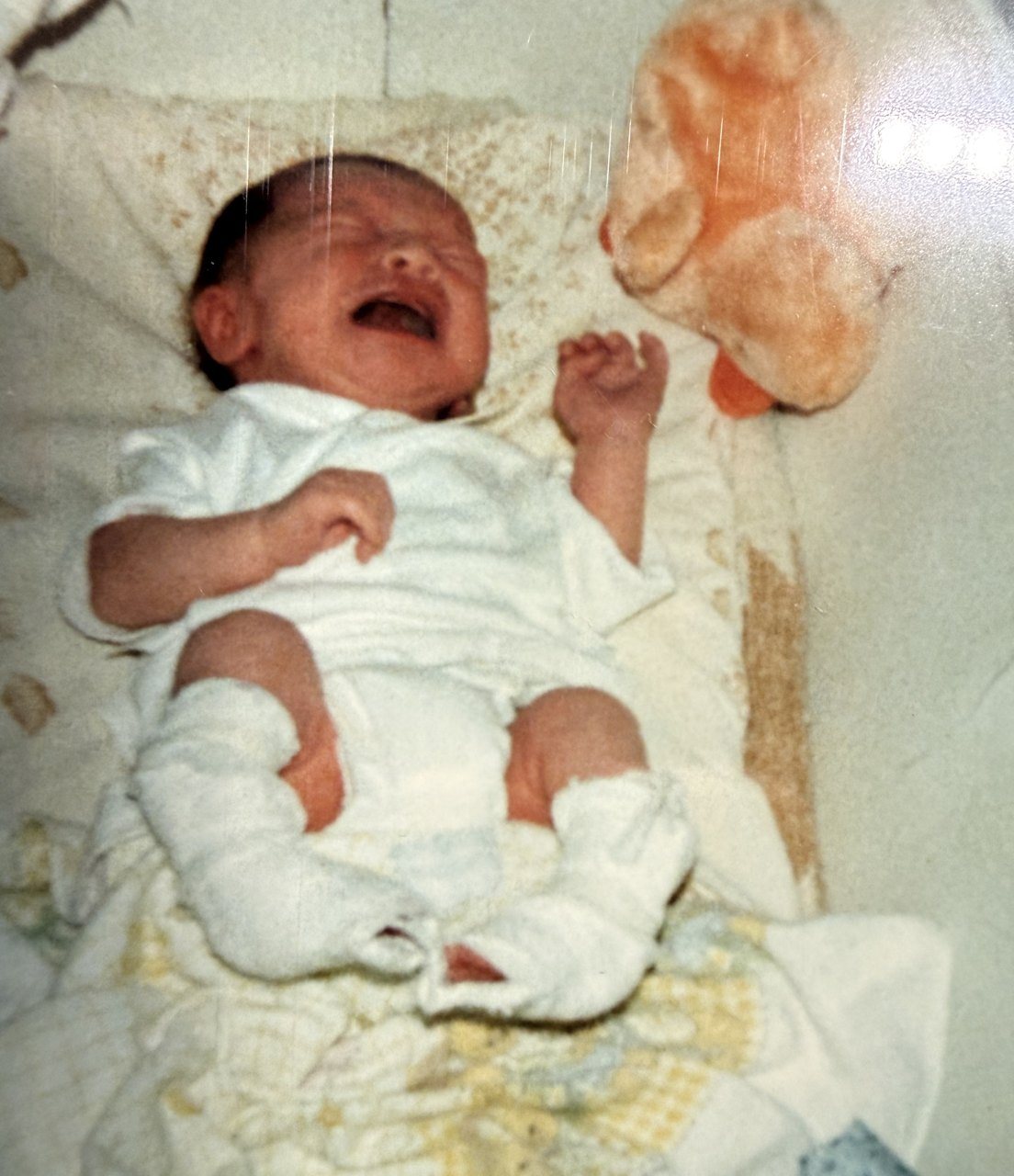
I was born with bilateral congenital clubfoot and grew up with altered mechanics that running exposed long before I understood the language for it.

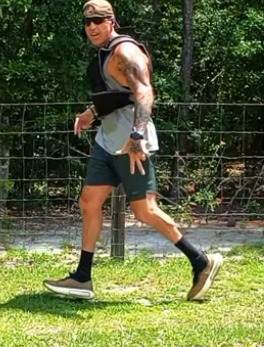
Kids noticed how I ran before I did. My gait did not look normal. My stride did not look normal. My legs did not look normal. And the effort required to produce a moderate pace often felt far higher than what other runners seemed to be paying.

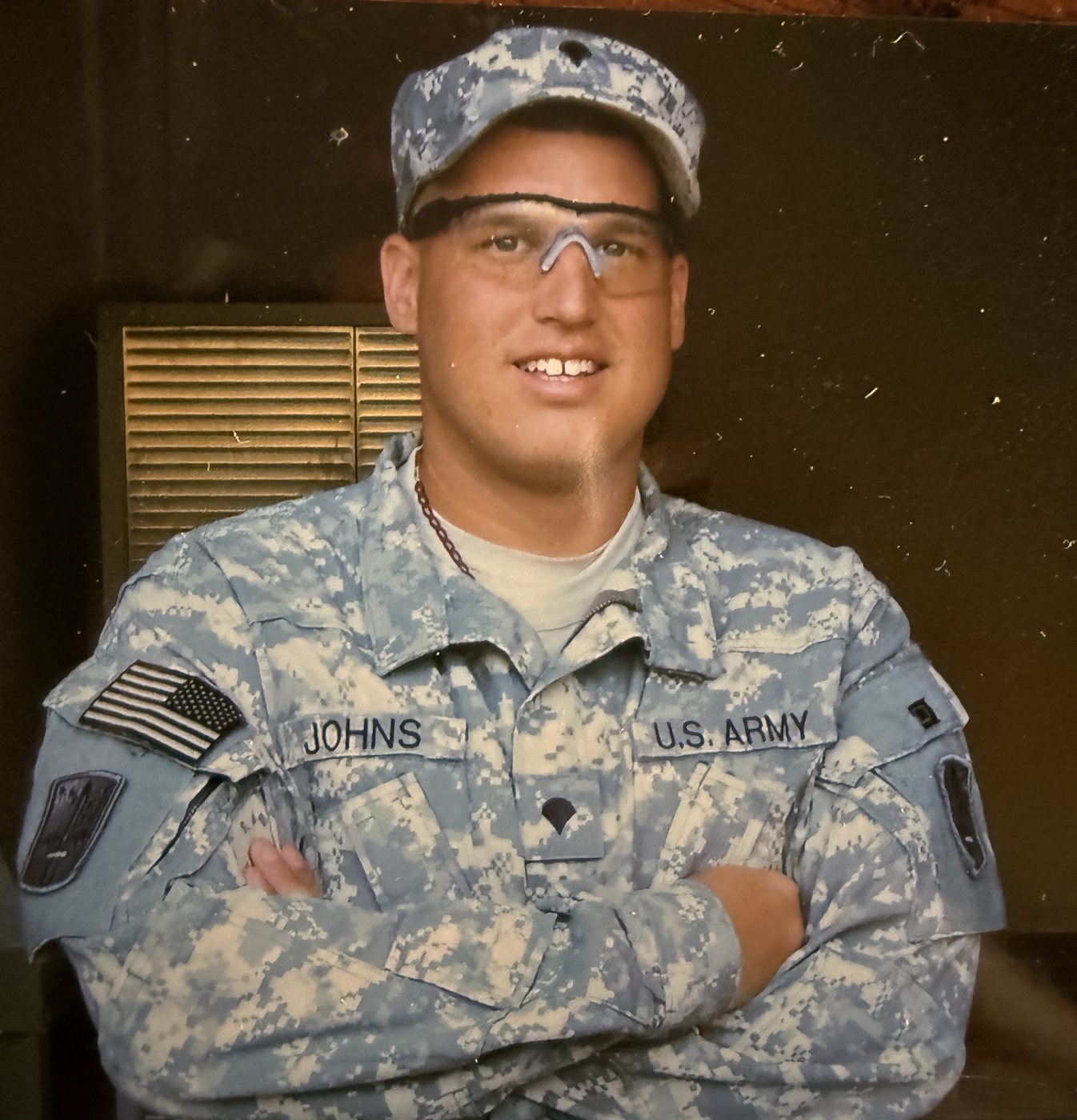
Later, through military service, adult running, data tracking, and the Clubfoot Forward research archive, that lived experience became easier to explain: the body can adapt without becoming normal. It can improve while still carrying mechanical burden. It can succeed, but often inside conditions that support the altered system.

That is the point of this page. Not to tell every altered-mechanics runner what to do, but to give language to what many already feel.

Related Resources

Where This Page Fits

Altered Mechanics Hub

The parent hub for altered mechanics, adaptation, gait compensation, running, functional success, and long-term movement reality.

Return to Altered Mechanics Hub

Gait & Compensation

The deeper hub for altered gait, compensation patterns, asymmetry, fatigue, cadence, stride, and whole-chain load.

Read Gait & Compensation Hub

Research Archive

Clubfoot Forward studies examining adaptation, burden, cadence, stride, operating envelopes, and altered-mechanics running.

Visit Research Hub

Adult Clubfoot Hub

Adult clubfoot function, pain, gait, surgery history, shoes, running, adaptation, and long-term lived experience.

Read Adult Clubfoot Hub

Military Fitness

Running, rucking, boots, load bearing, PT tests, recovery, and military readiness with altered mechanics.

Read Military Fitness Guide

Common Questions About Running With Altered Mechanics

What does running with altered mechanics mean?

It means running with a body that moves, loads, stabilizes, or recovers differently because of structure, surgery, injury, fusion, clubfoot, asymmetry, limited mobility, or compensation.

Can you run with clubfoot?

Some people with clubfoot can run, while others struggle with pain, stiffness, altered push-off, shoe fit, gait compensation, or recovery problems. Current function matters more than the diagnosis alone.

Why does running feel harder than it should?

Running may feel harder when the body spends extra energy stabilizing, compensating, protecting motion, or working around structural limitations. The issue is not always cardiovascular fitness.

Does altered-mechanics running need to look normal?

Not always. Some altered-mechanics runners succeed by finding a functional pattern, not by restoring textbook form. Normal-looking mechanics are not always available or necessary.

Why might cadence stay better than stride length?

Cadence may be easier for the body to preserve because rhythm can remain stable even when stride length is limited by ankle motion, push-off, fusion, asymmetry, or structural constraints.

Can you run with ankle fusion or triple arthrodesis?

Some people may run with fusion histories, but fusion changes motion and may shift stress elsewhere. Medical guidance, pain, function, recovery, and long-term tolerance matter.

Is pain normal when running with altered mechanics?

Pain should not be ignored. Pain that changes gait, causes swelling, persists into the next day, spreads into other joints, or reduces function deserves medical attention.

Is this medical or training advice?

No. This page is educational and does not replace evaluation from a physician, physical therapist, orthopedist, podiatrist, sports medicine clinician, or qualified running professional.

Critical Medical and Training Disclaimer

This page is for education and lived-experience discussion only. It is not medical advice, physical therapy instruction, training prescription, diagnosis, or a substitute for care from a qualified professional.

If running causes pain, swelling, altered gait, numbness, instability, skin breakdown, worsening symptoms, or reduced function, consult a physician, physical therapist, orthopedist, podiatrist, sports medicine clinician, or other qualified medical professional.

© 2026 Clubfoot Forward | Running with altered mechanics, clubfoot, gait compensation, cadence, stride, adaptation, functional success, joint fusion, prior surgery, military fitness, and long-term movement reality.