Free app · iPhone and Android

Clubfoot Forward is on the App Store and Google Play. For parents in the middle of treatment and adults who never stopped having it. Free, works with no signal, and stays on your phone.

What the app does

Surgery has been mentioned. Now what?

The word arrives in a clinic room and everything afterwards is a blur, which is why people leave with the decision half-made and none of the questions asked. There is almost always more time than it feels like. Clubfoot surgery is rarely urgent. Tell it whose surgery and which question, and it will send you to the part that matters.
Who, and what are you deciding?

Eleven pages. Pick what applies and the rest gets out of the way.

All eleven pages

Nothing matches that combination. Clear the chips, or start with the questions to ask. It applies to almost every version of this decision.

Two very different conversations

Clubfoot surgery in childhood and clubfoot (club foot) surgery in adulthood share a name and almost nothing else. Keeping them apart makes the whole subject easier to think about.

In childhoodUsually corrective: achieving or holding a position, on a growing foot with enormous capacity to adapt.
In adulthoodUsually salvage: managing pain and instability in a foot that has finished growing and has accumulated wear.
What both shareNobody operates to make a foot look normal. Every procedure trades one thing for another.

That last point is the one to hold onto. A childhood tendon transfer trades a little strength in one direction for balance in another. A fusion trades motion for stability and pain relief. There is no operation that gives you back a foot that never had clubfoot, and a surgeon who implies otherwise is worth a second opinion.

Every foot operation is a trade. The only question is whether you understand which one you are making.

Time you almost certainly have

Clubfoot surgery is very rarely an emergency. Relapse treated three months later is treated the same way it would have been treated today; adult pain that has built over fifteen years does not change materially over the next six weeks. The urgency people feel is usually emotional rather than clinical.

That matters because rushed decisions are worse decisions. Taking a few weeks to get the records together, write the questions down, and get a second opinion if you want one costs almost nothing and changes how well the decision is made. If a surgeon tells you the window is genuinely short, ask them to explain why. Sometimes there is a real reason, and it is a reasonable thing to ask.

Where I am writing from

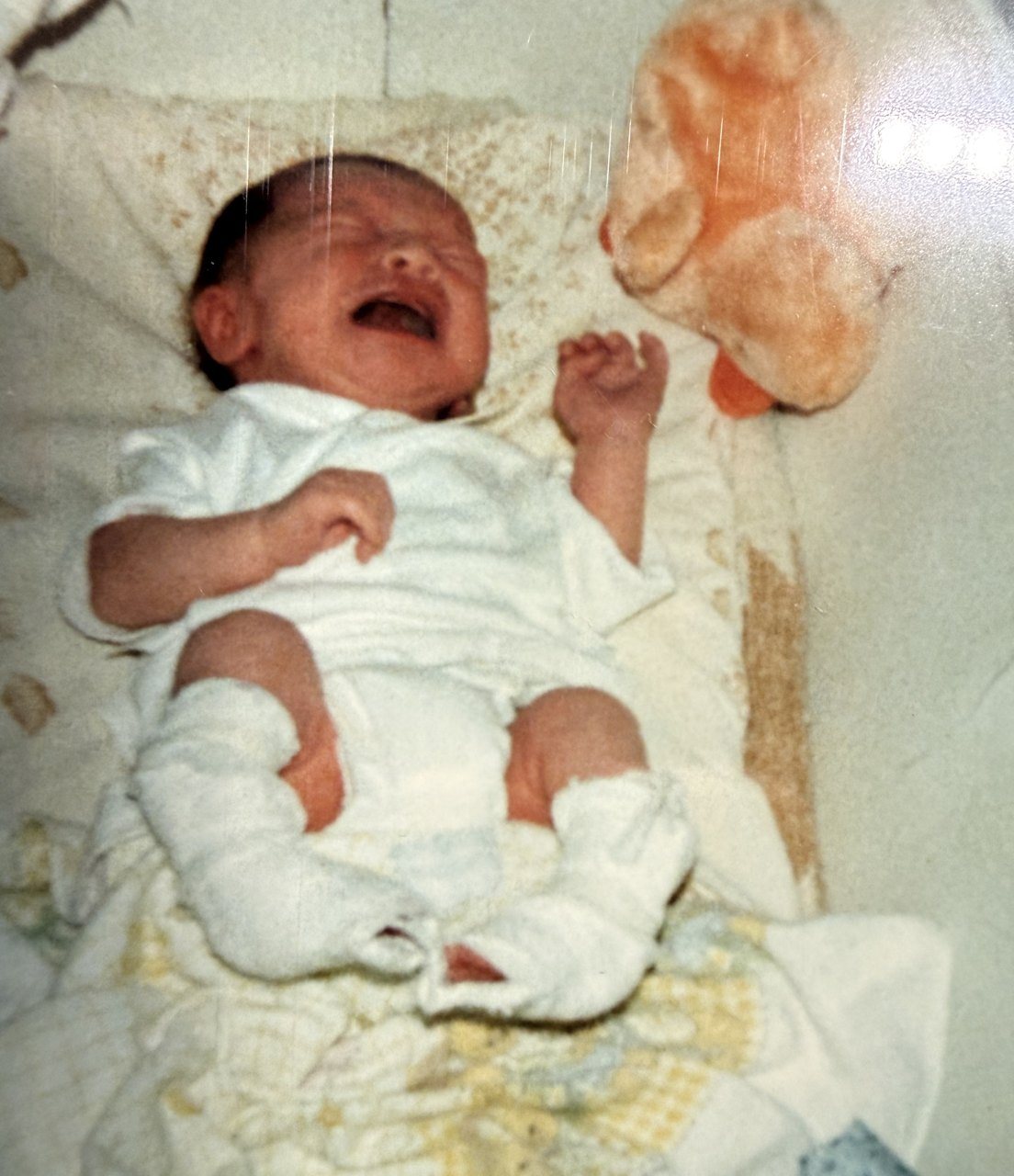
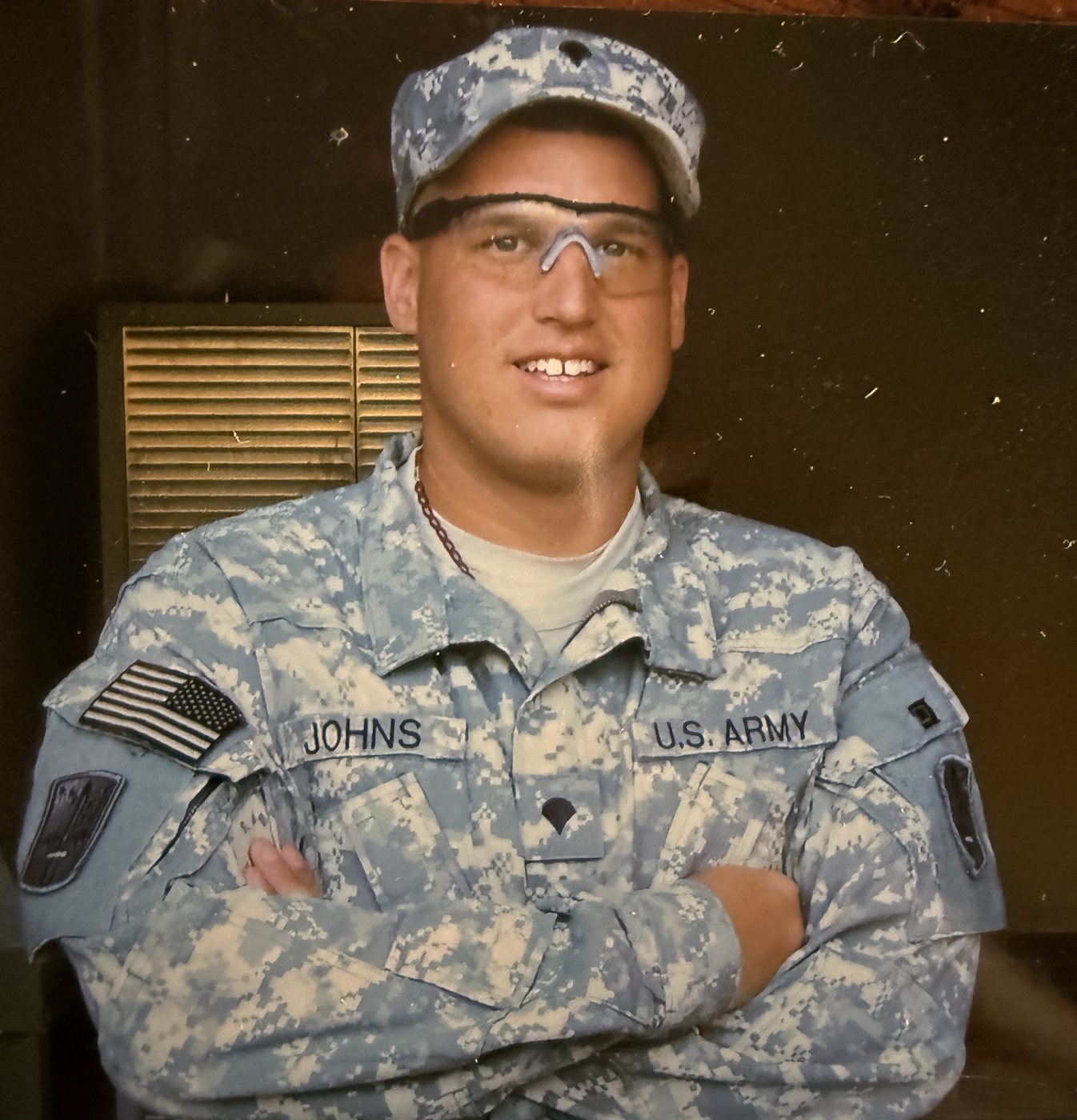
I had extensive surgical release as an infant, further work on a relapsed left foot as a child, and a triple arthrodesis as an adult. So I have been on both sides of this: the child who did not get a say, and the adult who sat in the room and made the call.

I am not against surgery. My fusion was the right decision and I would make it again. What I am against is arriving at that room without knowing what is being traded, which is exactly what I did the first time.

People also ask

Deciding about surgery

When is clubfoot surgery needed?
In childhood, usually when casting cannot achieve or hold a correction, or after a relapse. In adulthood, usually when pain and stiffness stop responding to footwear, orthotics and strengthening. It is rarely urgent in either case.
How urgent is the decision?
Almost never urgent. Relapse treated a few months later is treated much the same way, and adult pain built over years does not change materially over six weeks. Taking time to prepare improves the decision instead of risking it.
Is childhood surgery the same as adult surgery?
They share a name and little else. Childhood procedures are usually corrective on a growing foot with great capacity to adapt; adult procedures are usually about managing pain and instability in a foot that has finished growing.
Will surgery make the foot normal?
No. Every foot operation trades one thing for another, motion for stability, strength in one direction for balance in another. A surgeon implying otherwise is a reason to seek a second opinion.
Should I get a second opinion?
It is reasonable before any elective foot surgery, and particularly worthwhile where fusion is proposed, where the recommendation surprised you, or where the surgeon does not regularly treat clubfoot specifically.
What should I do first?
Establish what has already been done to the foot. Any surgeon needs the operative history before deciding anything, and for most adults with clubfoot that history has to be reconstructed rather than looked up.

Compiled by Heath, founder of Clubfoot Forward, an adult with bilateral clubfoot, childhood surgical release, a left-sided relapse and a triple arthrodesis. Orientation for people facing a surgical decision, not a recommendation for or against any procedure. That belongs to you and the surgeon who has examined the foot. Not medical advice. Reviewed September 2026. See the editorial policy.