Military Fitness • Altered Mechanics • Running • Rucking • Boots • Recovery
Military Fitness With Altered Mechanics
Military fitness with altered mechanics is not only about passing one event. It is about whether your body can repeat military stress without predictable breakdown.
Clubfoot, ankle fusion, structural foot differences, prior orthopedic surgery, altered gait, limb asymmetry, chronic compensation, limited range of motion, or recurring pain can all change how the body handles running, rucking, boots, field conditions, load bearing, and recovery.
This guide explains how to think about military fitness when your mechanics are not standard: what to test, what to respect, what warning signs matter, and why “I passed once” is not the same as being ready for military service.
Military readiness is not one good day. It is repeatable function under repeated stress.
Snapshot Fitness
A timed run, PT test, or hard workout shows one moment of capacity. It does not prove the body can repeat that stress across training, field duty, or deployment.
Mechanical Cost
Altered mechanics may require extra stabilization, compensation, or energy to perform the same task another person completes with less internal cost.
Recovery Truth
The real signal often appears after the event: swelling, limping, pain migration, skin breakdown, or inability to train again.
Plain-Language Summary
If you have altered mechanics and want military service, fitness needs to be measured by durability, not just effort.
You may be able to run, lift, ruck, or pass a test once. The harder question is whether your body can do it again after boots, load, poor sleep, long standing, uneven ground, heat, field training, and limited recovery.
Military accession standards are built around whether applicants are medically capable of completing training, adapting to the military environment, and performing duties without aggravating existing medical conditions. Waiver review may be possible for some applicants who do not meet standards, but it is not guaranteed.
Official Context
Fitness Is Part of the Medical-Readiness Question
DoD Instruction 6130.03 Volume 1 establishes medical standards for appointment, enlistment, or induction into military service. Those standards are not only about diagnosis names. They are also about whether an applicant can complete required training, adapt to the military environment, and perform duties without aggravating existing physical defects or medical conditions.
Military Health System describes accession standards as supporting readiness by bringing qualified, effective, and able-bodied people into service, while also noting that waiver review may apply to some candidates who do not meet standards.
Core Concept
Passing a Fitness Test Is Not the Same as Military Durability
Passing a fitness test matters. It may support eligibility, waiver review, personal confidence, and training readiness. But it is still only one measurement.
Military fitness is broader. It includes repeated training, long duty days, boots, load bearing, limited recovery, field conditions, deployment stress, and the ability to keep functioning when you do not control the environment.
With altered mechanics, this distinction matters because a body can perform well once and still pay a high cost after the event.
Can I Do It Once?
This is a performance question. It tells you what the body can produce on a given day.
Can I Recover?
This is a readiness question. It tells you whether the body can absorb the stress.
Can I Repeat It?
This is the military question. Service requires repeatable function, not isolated effort.
The Better Fitness Question
Not:
Can I force myself through one hard workout?
But:
Can I repeat hard military days without predictable pain, swelling, limping, skin breakdown, or loss of function?
Altered Mechanics
Why Altered Mechanics Change the Fitness Equation
Altered mechanics means the body does not load, move, or recover exactly like the standard reference model. That can come from congenital structure, surgery, fusion, injury, limb asymmetry, limited range of motion, chronic pain, or long-term compensation.
The body may adapt well. But adaptation is not free. A compensation strategy can work in normal life and become costly under military volume.
- Limited ankle motion can change stride, push-off, hills, squatting, and rucking.
- Clubfoot may affect foot shape, calf strength, shoe fit, pressure, and gait rhythm.
- Joint fusion can shift stress into nearby joints or the opposite limb.
- Limb asymmetry may increase uneven loading during running or load carriage.
- Prior orthopedic surgery may leave stiffness, hardware sensitivity, scar irritation, or altered tissue tolerance.
- Chronic compensation may affect knees, hips, back, or recovery more than the original area itself.
Running
Running With Altered Mechanics Before Military Service
Running often exposes altered mechanics before walking does. It increases force, timing demands, stride repetition, impact, fatigue, and recovery cost.
A person may walk with only mild visible difference but run with shortened stride, altered cadence, limited push-off, compensation, or higher internal effort.
Before pursuing service, running should be evaluated by more than pace.
- Can you run repeatedly without symptoms escalating?
- Does your gait change as fatigue builds?
- Does pain appear during the run or later that day?
- Does pain move into the knee, hip, back, or opposite limb?
- Can you recover and run again without several days of reduced function?
- Can you run in less-than-perfect footwear or on less-than-perfect surfaces?
Rucking and Load
Rucking and Load Bearing Can Reveal What Running Misses
Rucking is not just walking with weight. It changes posture, stride, pressure, ankle demand, hip demand, knee stress, back fatigue, and recovery.
Some people with altered mechanics tolerate running better than loaded walking. Others can walk well but struggle once boots, load, terrain, and fatigue are added.
The load-bearing question is:
- Does weight change your gait?
- Does foot pressure become painful?
- Do boots or load create hot spots?
- Does the next day reveal swelling, limping, or back pain?
- Can you repeat the task without increasing breakdown?
Boots
Boots Are Part of Military Fitness
Boots are not a small footwear detail. For altered mechanics, boots can become the first place military reality shows up.
Boots may restrict motion, rub scars, compress abnormal foot shapes, irritate hardware, expose calf or ankle limitations, and change gait after hours of wear.
A body that functions in running shoes may not function the same way in military boots.
- Do boots cause pressure over scars, hardware, or bony areas?
- Do they change your stride or posture?
- Do they cause blisters, calluses, or skin breakdown?
- Can you wear them for hours and still function the next day?
- Do they make limited ankle motion more obvious?
Recovery Is Where the Body Tells the Truth
Many people can push through the event. Fewer can recover and repeat it.
If a workout, run, ruck, or boot day leaves you limping, swollen, medicating, compensating, or unable to train again, that is not weakness. It is information.
Clubfoot
Military Fitness With Clubfoot
Clubfoot can affect military fitness through ankle motion, foot shape, calf strength, push-off, balance, footwear, stride, pain, and recovery.
Some people with clubfoot are highly active and capable. Others have residual stiffness, pain, deformity, fusion, or gait limitations that make military demands harder.
The key is not the word “clubfoot” alone. The key is how the body functions now.
- Is the clubfoot unilateral or bilateral?
- Was there surgery, tendon transfer, hardware, or fusion?
- Is there residual deformity or limited range of motion?
- Can you wear boots without breakdown?
- Can you run, stand, carry load, and recover?
- Does fatigue change your gait?
Joint Fusion
Military Fitness With Joint Fusion
Joint fusion can stabilize a damaged or painful joint, but it also removes motion. That means the body must borrow movement from somewhere else.
In military fitness, fusion may affect running, rucking, hills, stairs, boots, squatting, kneeling, terrain, and long recovery cycles.
Watch not only the fused joint, but the compensating joints around it.
- Does the knee, hip, back, or opposite limb start hurting?
- Does uneven terrain expose balance problems?
- Does load make gait compensation worse?
- Does boot stiffness reduce already-limited motion?
Structural Abnormalities
Military Fitness With Structural Abnormalities
Structural abnormalities can include foot deformity, limb asymmetry, orthopedic hardware, fusion, alignment differences, rigid foot structure, or chronic gait differences.
Fitness testing may not reveal the whole picture if the structural issue only becomes limiting under boots, load, terrain, or repeated activity.
A structural abnormality matters most when it affects real function: pain, gait, range of motion, footwear tolerance, stability, skin integrity, recovery, and duty performance.
Read Structural Abnormalities and Military ServiceWarning Signs
Fitness Warning Signs You Should Not Ignore
These signs do not automatically mean military service is impossible, but they should slow the process down and trigger honest medical review.
- New or worsening limp
- Pain that changes gait or posture
- Swelling after routine training
- Recurring blisters, hot spots, wounds, or skin breakdown
- Knee, hip, back, or opposite-limb pain after lower-body training
- Instability, falls, or repeated ankle injuries
- Recovery taking several days after normal workouts
- Need for medication to complete basic activity
- Loss of function after boots, running, or loaded walking
- Training through pain because you are afraid of the answer
Preparation
How to Build a More Honest Fitness Picture
This is not a training prescription. It is a readiness framework for people whose bodies do not move by the standard model.
Test Repetition
Do not only test one hard day. Watch whether the body can repeat moderate-to-hard days without escalating cost.
Track Recovery
Pay attention to the next morning. Swelling, limping, or pain migration may matter more than the workout itself.
Test Footwear
Structured shoes and boots can reveal pressure, motion limits, and skin problems that running shoes hide.
Build Gradually
Sudden volume increases can confuse motivation with readiness and turn a manageable limitation into an injury.
Watch Compensation
Pain may show up away from the original condition. Knees, hips, back, and the opposite limb often tell the story.
Document Function
If military service is serious, consistent activity history may help clarify what the body can actually sustain.
MEPS and Waivers
How Fitness Evidence May Fit Into MEPS or Waiver Review
Fitness evidence can help show current function, but it does not erase medical standards. A strong run time does not automatically cancel surgery history, deformity, fusion, pain, gait abnormality, or boot intolerance.
Useful fitness evidence may include repeated activity without escalating pain, sports participation, physically demanding work, running history, hiking, loaded walking tolerance, and current clinician documentation when medically appropriate.
The best evidence is not heroic. It is repeatable.
MEPS Review
How medical review may evaluate altered mechanics, records, gait, surgery history, and current function.
Read MEPS GuideWaiver Review
How waiver packets may use records, function evidence, and service-specific risk review.
Read Waiver GuideQuestions Before Service
A practical checklist before pursuing military service with altered mechanics.
Read Questions GuideField Conditions
Fitness Must Survive the Field Environment
Military fitness is not confined to a clean track, climate-controlled gym, or ideal recovery schedule.
Field conditions add terrain, heat, cold, wet feet, hard surfaces, gear, sleep debt, long duty days, limited recovery, and fewer choices about when to stop.
With altered mechanics, those conditions may reveal whether fitness is truly durable.
Read Deployment and Field ConditionsRetention
Fitness Problems Can Become Retention Problems Later
Getting in is not the same as staying in. A person may pass MEPS, receive a waiver, and serve successfully for a time before altered mechanics become a profile, deployability, or medical-board issue.
Chronic pain, repeated profiles, inability to meet physical requirements, duty limitations, and non-deployability may all become retention questions after accession.
Read Military Retention and Medical BoardsParents and Teens
What Parents and Teens Should Understand About Military Fitness
Parents often ask whether a child with clubfoot or altered mechanics will be able to serve someday. No page can guarantee that future. But parents can help protect options by supporting treatment, activity, strength, records, body awareness, and confidence.
Teens with military goals should not wait until MEPS to learn their body. Build gradually. Track recovery. Learn the medical history. Do not hide pain because you want the answer to be yes.
The best goal is not fear. It is honest preparation.
Read Questions Before Pursuing Military ServiceLived Experience
Clubfoot Forward Perspective
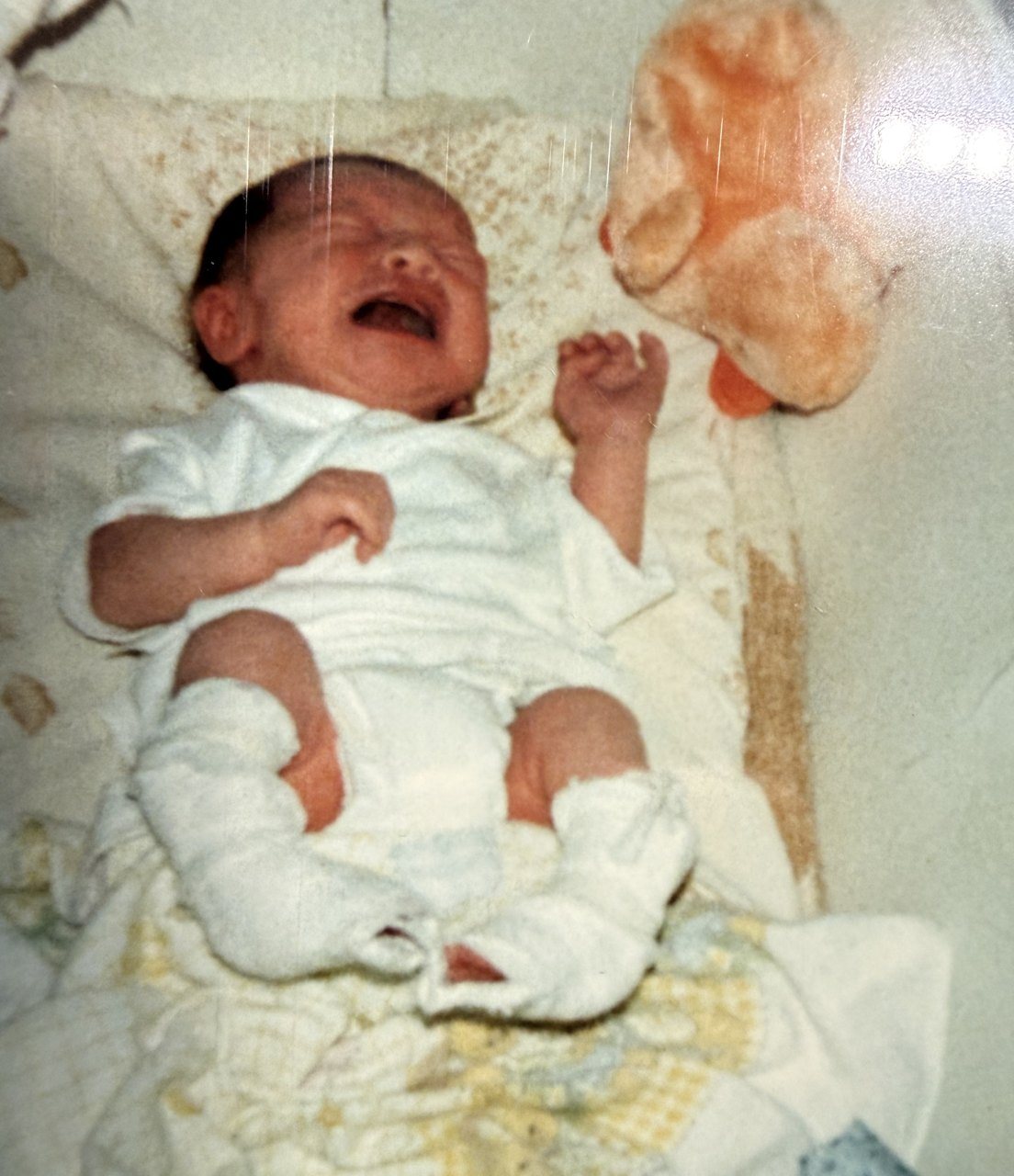
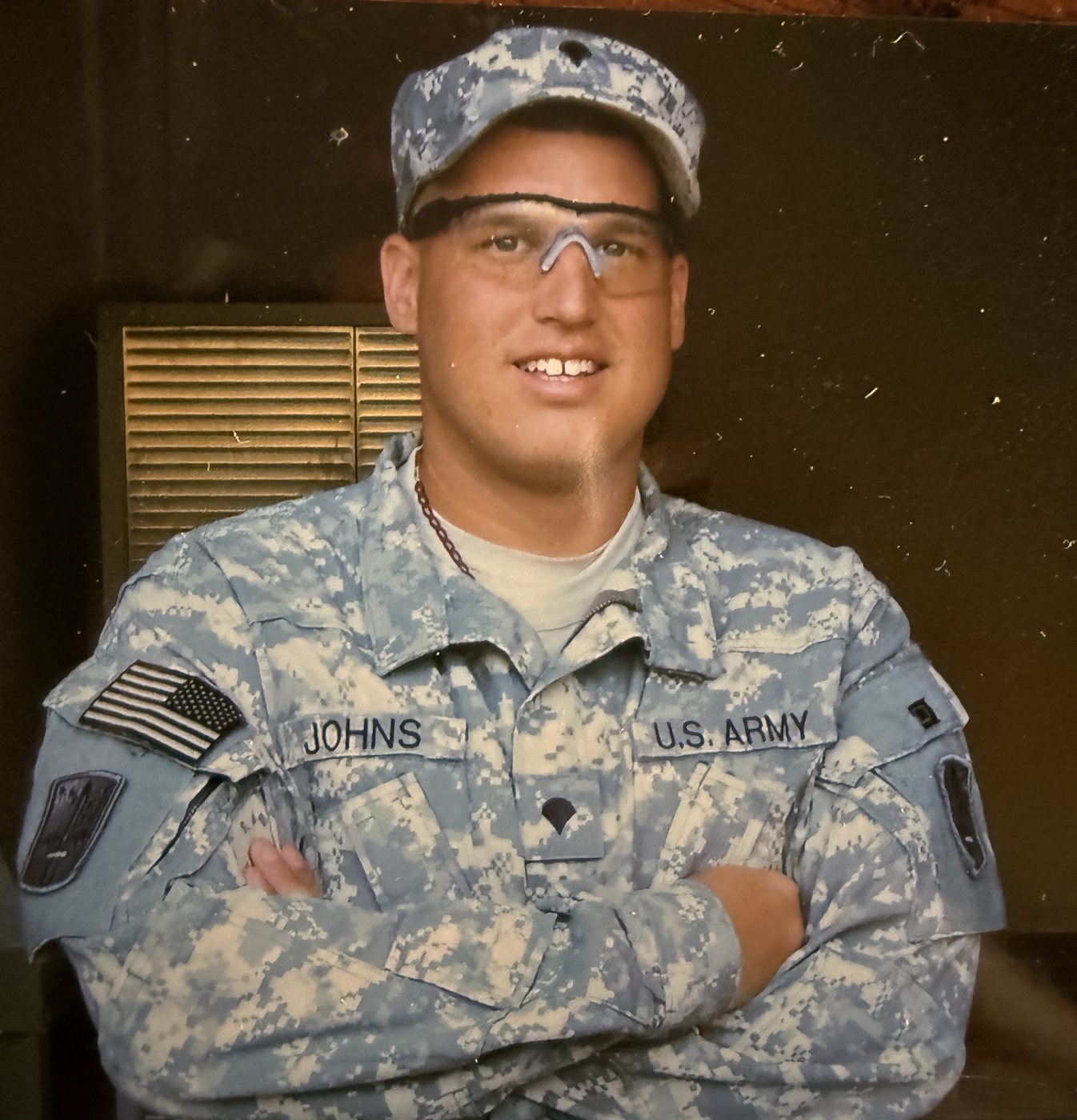
I served nearly nine years on active duty after being born with bilateral congenital clubfoot. My service does not prove that every person with clubfoot or altered mechanics can serve, and it does not guarantee anyone else will be accepted.
What it does prove is that the question is bigger than diagnosis alone. Military fitness is about whether an adapted body can keep functioning under repeated demands.
I do not believe people with altered mechanics should be dismissed automatically. I also do not believe they should be told to ignore pain, hide history, or confuse one good day with readiness.
Respect the goal. Respect the body. Respect the demands of service.
Related Resources
Where This Fitness Guide Fits
Military Hub
The parent hub for military service, altered mechanics, MEPS, waivers, fitness, boots, deployment, and retention.
Return to Military HubEligibility Guide
How altered mechanics may affect military entry, standards, MEPS, and waiver review.
Read Eligibility GuideBoots and Load Bearing
Military boots, rucking, foot pressure, skin breakdown, and load tolerance.
Read Boots and Load GuideClubfoot and Military Service
Clubfoot-specific eligibility, MEPS, waivers, boots, PT, running, and service reality.
Read Clubfoot Military GuideJoint Fusion
Ankle fusion, triple arthrodesis, altered motion, boots, rucking, waivers, and retention.
Read Joint Fusion GuideStructural Abnormalities
Foot deformity, limb asymmetry, hardware, fusion, gait, MEPS, waivers, and military function.
Read Structural Abnormalities GuideCommon Questions About Military Fitness With Altered Mechanics
Can you pass military fitness tests with altered mechanics?
Some people can. Passing depends on the person, condition, training, pain, function, and service requirements. Passing once does not prove long-term military durability.
Can you run in the military with clubfoot?
Some people with clubfoot can run, while others struggle with pain, stiffness, altered push-off, calf differences, foot shape, or recovery problems. Current function matters more than the diagnosis label alone.
Is rucking harder with altered mechanics?
It can be. Load bearing can change gait, posture, pressure, foot pain, ankle demand, knee stress, hip demand, back fatigue, and recovery.
Do military boots matter if I have clubfoot, fusion, or structural abnormalities?
Yes. Boots can create pressure, stiffness, rubbing, skin breakdown, and gait changes that may not appear in civilian shoes.
Can fitness evidence help a military waiver packet?
It can support the functional picture, especially when it shows repeated activity without flare-ups, restrictions, or worsening symptoms. It does not guarantee approval.
Should I train through pain to prove I can serve?
No. Pain that changes gait, worsens recovery, causes swelling, spreads into other joints, or requires medication should be treated as important warning information.
Is military fitness only about the official PT test?
No. PT tests are only one piece. Military service also involves boots, standing, load bearing, field conditions, job tasks, sleep loss, terrain, and repeated recovery demands.
Is this official military fitness guidance?
No. This page is educational and does not replace official guidance from recruiters, MEPS, military medical staff, service policies, or qualified medical professionals.
Critical Military and Medical Disclaimer
This page is for education and discussion only. It is not medical advice, legal advice, recruiting advice, physical therapy instruction, training prescription, waiver advice, PEBLO guidance, VA claims advice, or an official military determination.
Always follow current guidance from your recruiter, MEPS medical staff, service waiver authority, military medical staff, chain of command, physician, physical therapist, orthopedist, podiatrist, sports medicine clinician, or other qualified professional. Military standards, policies, waiver rules, fitness requirements, and review procedures can change.