Military • Altered Mechanics • MEPS • Waivers • Real-World Service
Military Service With Altered Mechanics
Military service is not decided by one diagnosis alone. It is decided by standards, risk, function, medical history, current limitations, branch needs, job demands, and whether the body can safely meet military requirements.
This hub is for people with clubfoot, ankle fusion, structural foot differences, limb asymmetry, prior orthopedic surgery, limited range of motion, chronic compensation, or other altered-mechanics realities who are asking whether military service is possible, realistic, waiverable, or wise.
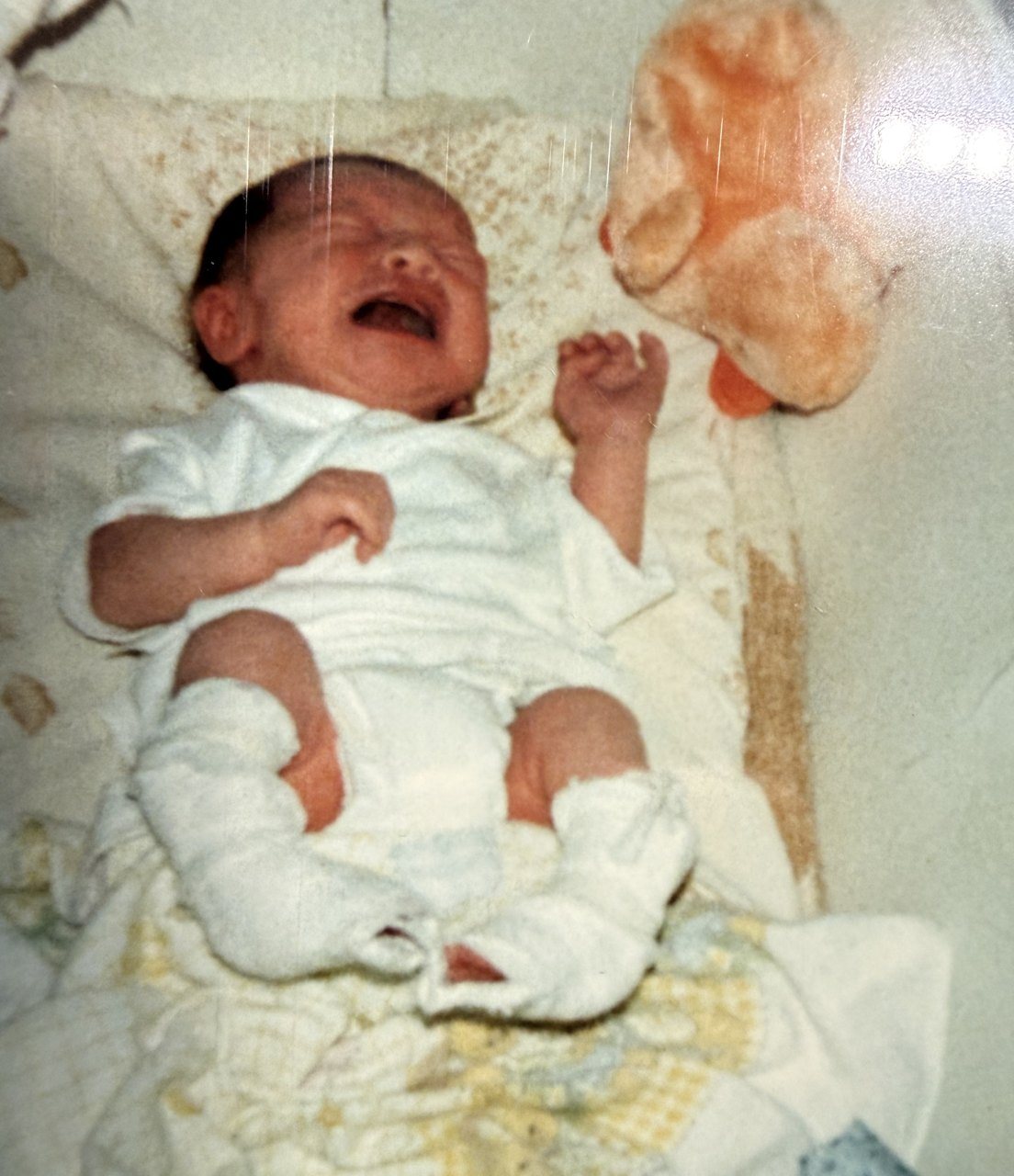
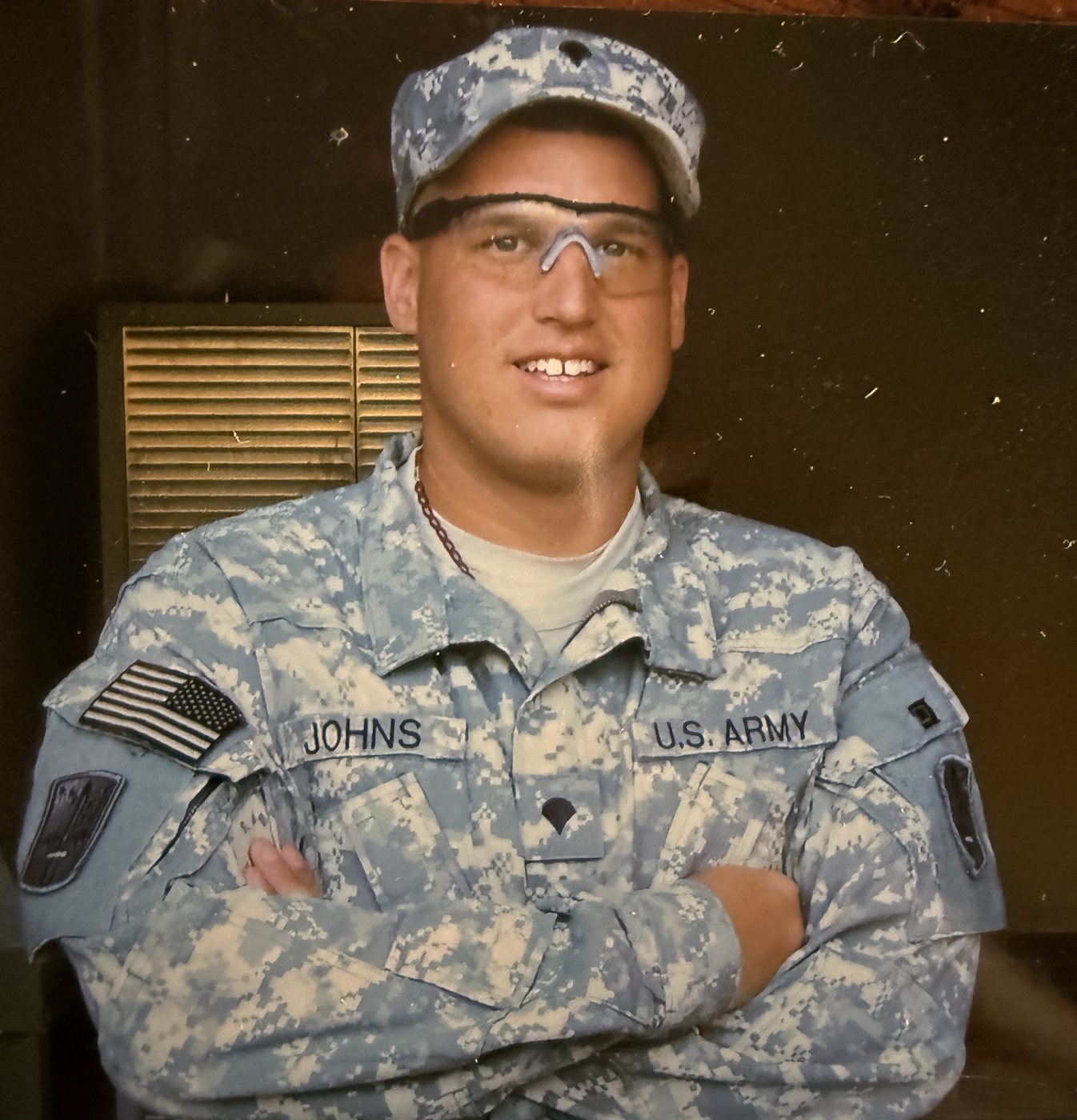
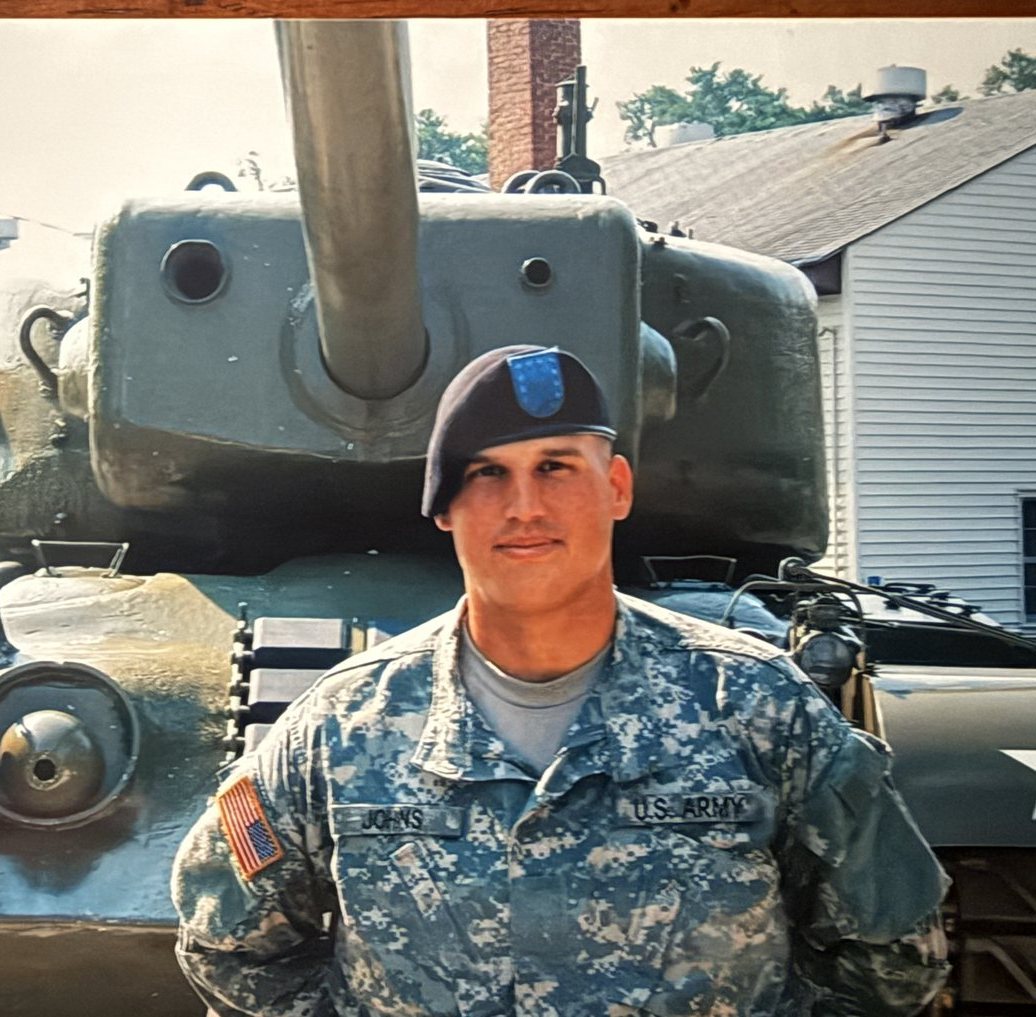
Clubfoot is the lived foundation of this section because I served nearly nine years on active duty after being born with bilateral congenital clubfoot. But the larger issue is altered mechanics: what happens when a person wants to serve while their body does not fully match the textbook model.
The real question is not only “Can I join?” It is “Can my body safely sustain military service?”
Eligibility
Military entry starts with accession standards. A diagnosis, surgery history, gait issue, or structural abnormality may require review, documentation, disqualification, or waiver consideration.
Function
MEPS and waiver authorities are not only looking at labels. They are looking at pain, deformity, range of motion, gait, footwear tolerance, training risk, and ability to perform.
Reality
Some people with altered mechanics serve successfully. Some are denied. Some should not force the path because the physical cost would be too high.
Plain-Language Summary
Military standards are built around readiness, deployability, training safety, and the ability to perform under stress. A person with clubfoot, altered biomechanics, joint fusion, limb asymmetry, prior surgery, or structural abnormality may be allowed to serve, denied at MEPS, or reviewed for a waiver depending on the details.
The same condition can produce different outcomes in different people. A mild, stable, well-corrected history with strong function is not the same as severe pain, deformity, instability, skin breakdown, or inability to tolerate boots, running, standing, load-bearing, or field conditions.
This hub gives the military section one central home. The detailed pages beneath it will cover eligibility, MEPS, waivers, structural abnormalities, fitness, boots, deployment, medical boards, and lived experience.
Official Context
Military Standards Are About Readiness, Not Just Diagnosis Names
The primary public accession standard is DoD Instruction 6130.03, Volume 1: Medical Standards for Military Service: Appointment, Enlistment, or Induction. It establishes the medical standards used for entry into military service.
Military Health System explains that DoDI 6130.03 Volume 1 establishes disqualifying medical standards for entry into service, and that service-specific waiver review may apply for some applicants who do not meet those standards.
In plain language: failing a standard at MEPS does not always mean the conversation is over. But a waiver is not a promise, a loophole, or a reward for motivation. It is a risk decision made by the service.
Big Picture
Who This Hub Is For
This hub is intentionally bigger than clubfoot. Clubfoot remains the strongest lived-experience anchor, but military medical review can involve many altered-mechanics situations.
Clubfoot
Treated, partially corrected, recurrent, unilateral, bilateral, surgical, fused, painful, or functionally stable clubfoot.
Joint Fusion or Limited Motion
Ankle fusion, triple arthrodesis, reduced dorsiflexion, stiffness, altered push-off, or restricted foot and ankle motion.
Structural Abnormalities
Foot deformities, limb differences, asymmetry, leg length discrepancy, orthopedic hardware, or altered lower-limb alignment.
Prior Surgery or Injury
Reconstruction, tendon transfer, osteotomy, fracture history, joint repair, sports injury, or chronic orthopedic follow-up.
Altered Gait or Compensation
Limp, stride asymmetry, chronic compensation, pain above the foot, fatigue cost, or movement that changes under load.
Parents and Teens
Families asking whether a child with clubfoot or altered mechanics may have future military options.
Hub Navigation
Military Service With Altered Mechanics: Page System
These are the permanent page slugs for the military section. Some pages may not exist yet, but the hub is built around the final structure so the links become active as the pages are created.
Military Eligibility and Altered Mechanics
The broad eligibility page for applicants with clubfoot, structural abnormalities, prior orthopedic surgery, altered gait, joint limitations, or other nonstandard mechanics.
Open Eligibility GuideMEPS Medical Review
What MEPS may look for: medical history, gait, pain, range of motion, footwear tolerance, surgery history, and current function.
Open MEPS GuideMilitary Medical Waivers
How waiver packets work, what records matter, why function matters, and why approval is never guaranteed.
Open Waiver GuideStructural Abnormalities and Military Service
A broader altered-mechanics page for structural foot, ankle, limb, or gait differences beyond clubfoot alone.
Open Structural Abnormalities GuideJoint Fusion and Military Service
Military considerations for ankle fusion, triple arthrodesis, limited range of motion, stiffness, and load-bearing demands.
Open Joint Fusion GuideClubfoot and Military Service
The clubfoot-specific page covering treated clubfoot, bilateral clubfoot, surgery history, MEPS, and service reality.
Open Clubfoot Military GuideMilitary Fitness With Altered Mechanics
Running, loaded walking, rucking, PT tests, recovery, pain, and physical preparation when mechanics are nonstandard.
Open Fitness GuideBoots, Rucking, and Load Bearing
Footwear tolerance, military boots, load carriage, field movement, skin breakdown, pressure, and lower-limb fatigue.
Open Boots and Load GuideDeployment and Field Conditions
Why field conditions, deployment, terrain, sleep loss, heat, load, and repeated stress can expose altered mechanics.
Open Field Conditions GuideRetention, Profiles, and Medical Boards
The difference between getting in, staying in, profiles, retention standards, and medical-board pathways.
Open Retention GuideOfficer Programs and Medical History
Commissioning, ROTC, service academies, OCS/OTS, medical history, and why officer pathways still require medical review.
Open Officer Programs GuideQuestions Before Pursuing Service
A practical checklist for teens, parents, adults, recruiters, and applicants before chasing military service.
Open Questions GuideThe Most Important Distinction: Entry vs Service
Getting into the military and surviving military service are not the same thing.
Entry is about accession standards, MEPS, documentation, disqualification, and waiver review. Service is about whether the body can handle basic training, PT, boots, long days, load-bearing, field conditions, deployment, sleep loss, terrain, and repeated stress without becoming a predictable medical problem.
A person can be motivated and still not be safe to serve. A person can have an altered-mechanics history and still serve successfully. The difference is usually function, severity, stability, documentation, role demands, and whether the body can repeat hard days without falling apart.
MEPS
What MEPS and Medical Review May Care About
MEPS is not only asking what diagnosis you had. It is asking whether your current medical status creates risk for training, worldwide service, readiness, safety, or predictable loss of duty time.
- Current pain, swelling, instability, or recurring flare-ups
- Visible deformity or structural abnormality
- Range of motion, especially when limitation affects gait or function
- Gait abnormality, limp, asymmetry, or compensation under fatigue
- History of surgery, hardware, fusion, tendon transfer, osteotomy, or reconstruction
- Ability to wear standard footwear or boots without skin breakdown
- Orthotic, brace, insert, or assistive-device dependence
- Ability to run, march, stand, lift, carry, and recover repeatedly
- Recent treatment, unresolved symptoms, or restrictions
- Whether the condition is stable, worsening, or unpredictable
Waivers
A Waiver Is About Risk, Not Desire
A waiver request is not won by wanting military service badly enough. It is reviewed through medical risk, current function, documentation, branch needs, job demands, and whether the service believes the applicant can safely perform.
Strong waiver packets are usually not built around emotion. They are built around clarity: what happened medically, what remains now, what the person can do, what restrictions exist, and whether the condition has already been tested under stress.
Helpful Evidence
- Operative reports and treatment history
- Current orthopedic or specialist notes
- Physical therapy discharge summaries
- Imaging reports when relevant
- Activity, sports, work, or fitness history
- Clear documentation of restrictions or no restrictions
Common Problems
- Frequent pain or swelling
- Severe deformity or unstable gait
- Recent surgery or unresolved recovery
- Dependence on braces for basic walking
- Skin breakdown in normal footwear
- Inability to meet physical standards
Lived Experience
My Perspective as a Bilateral Clubfoot Veteran
I served nearly nine years on active duty after being born with bilateral congenital clubfoot. My experience does not guarantee anyone else will be accepted. It also does not mean every person with clubfoot or altered mechanics should pursue military service.
What it does provide is a real-world perspective: military service is not theoretical. Boots, rucks, long workdays, PT, deployment, field conditions, standing, running, and repeated fatigue expose weak points fast.
I do not believe in telling people with altered mechanics to automatically give up. I also do not believe in selling fantasy. The honest question is whether the body can meet the standard, survive the job, and repeat hard days without becoming a predictable failure point.
Parents and Teens
What Parents Should Understand Early
Parents often ask whether a child with clubfoot or altered mechanics could ever serve in the military. The honest answer is that no one can promise that when a child is young. Military standards change. The child’s function changes. Treatment outcomes vary. Pain, motion, strength, fitness, and service needs all matter later.
The best thing parents can do is protect future options: support treatment, encourage activity when medically safe, build confidence, document major surgeries and medical history, help the child understand their body, and avoid teaching them that a diagnosis alone defines their future.
The same applies to teens. If military service matters to you, start with function, honesty, records, and preparation. Do not hide your history. Do not wait until MEPS to learn whether your body can run, stand, carry, or recover.
Branches and Jobs
Branch, Job, and Timing Can Change the Reality
Military service is not one physical demand. Infantry, aviation, mechanics, medical jobs, logistics, intelligence, cyber, shipboard work, security forces, and special operations do not load the body the same way.
Branch needs, waiver posture, job requirements, training pipelines, and recruiting environment can all affect how a case is reviewed. That does not mean applicants should assume one branch will say yes. It means the specific job and service matter.
A person with altered mechanics should think carefully about the role, not just the uniform. A lower-limb condition that might be manageable in one military specialty could be a poor fit for another.
Fitness Reality
Military Fitness Is More Than Passing One Test
Passing a fitness test matters, but military service is not only a test day. The body must tolerate repeated stress: training, boots, uneven ground, load carriage, standing, running, sleep loss, and recovery demands.
For altered mechanics, the question is often repeatability. Can you do the hard day, recover, and do it again? Can you wear boots without skin breakdown? Can you carry load without triggering pain that changes your gait? Can you maintain function when tired?
Those questions belong at the center of military preparation with altered mechanics.
Getting In vs Staying In
Retention, Profiles, and Medical Boards Are a Different System
Accession standards decide who can enter. Retention standards and service medical systems address what happens after someone is already serving.
This distinction matters. A person may pass entry standards but develop problems later. Another person may enter with a waiver and serve without issue. Someone else may need profiles, duty limitations, evaluation, or a medical board depending on symptoms and impact on duty.
The military path does not end at MEPS. Altered mechanics can remain relevant throughout service.
Questions to Ask
Before You Pursue Military Service, Ask These Questions
- Can I run, stand, walk, lift, and recover repeatedly without worsening symptoms?
- Can I wear boots for long periods without skin breakdown or severe pain?
- Do I have current medical records that accurately describe my function?
- Have I had recent surgery, unresolved pain, swelling, or instability?
- Does my gait change significantly when I get tired?
- Do I need braces, orthotics, medication, or restrictions for basic function?
- Am I choosing a military job that matches my body’s reality?
- Am I prepared for a waiver denial without treating it as a personal failure?
- Am I being honest with my recruiter, MEPS, doctors, and myself?
Common Questions About Military Service With Altered Mechanics
Can you join the military with clubfoot?
Sometimes. Some people with a history of clubfoot may be denied, some may be reviewed for a waiver, and some may be able to serve depending on current function, pain, deformity, surgery history, branch needs, and job demands.
Can you join the military with altered biomechanics?
It depends on the cause, severity, function, stability, and whether the condition is expected to interfere with training or service. Altered biomechanics alone is not enough information to predict the outcome.
Does a MEPS disqualification always end the process?
Not always. A disqualification means the applicant did not meet the standard as written. Some cases may move into service-specific waiver review.
What matters most in a waiver packet?
Clear medical history, current function, pain status, range of motion, surgery history, footwear tolerance, activity evidence, and specialist documentation are often more useful than motivation alone.
Can you serve with fused ankles or joint fusion?
That depends on the joint, function, pain, gait, restrictions, footwear tolerance, and service review. Fusion does not automatically answer the question either way.
Should you hide clubfoot, surgery, or altered mechanics?
No. Applicants should disclose medical history honestly and follow recruiter and MEPS instructions. Hiding medical history can create serious problems later.
Can someone with altered mechanics pass military fitness tests?
Some can. Passing one test is not the whole issue. The body also has to tolerate repeated training, load, boots, field conditions, and recovery demands.
Is this official military guidance?
No. This hub is educational and based on official public sources, lived experience, and practical interpretation. Official decisions belong to MEPS, recruiters, service waiver authorities, and military medical systems.
Critical Military and Medical Disclaimer
This page is for education and discussion only. It is not medical advice, legal advice, recruiting advice, waiver advice, or an official military determination. Military standards, waiver rules, branch needs, and review processes can change.
Always follow current guidance from your recruiter, MEPS medical staff, service waiver authority, physician, physical therapist, orthopedist, or other qualified medical professional. Do not hide medical history, surgery history, pain, braces, orthotics, limitations, or treatment records.