Clubfoot and Mental Health

How Clubfoot Affects Your Teen’s Mental Health and Self‑Image

Teen years • Body image • Confidence • Long-term outcomes

Clubfoot Teen Mental Health: What Parents Need to Know

Clubfoot teen mental health is not only about whether the foot looks corrected on an X-ray. It is also about whether your child trusts their body, feels comfortable in their own skin, and can build a life where clubfoot is real without becoming their entire identity.

Looking beyond casts, boots, surgery, and “they’ll be fine”

When your baby is in casts or boots and bar, it is easy to jump years ahead. Parents wonder whether their child will run normally, whether other kids will notice their calves, whether scars will bother them, whether pain will show up later, and whether they will always feel different.

Those are not dramatic questions. They are normal parent questions. Clubfoot treatment often focuses on correction, relapse prevention, bracing, surgery decisions, and physical function. But as children grow into teenagers, the conversation needs to widen. A straight foot matters. Walking matters. Sports matter. Pain matters. But so does the way a teenager feels about the body they have to live in every day.

This page is built for parents searching things like “can clubfoot affect my child’s mental health,” “will my teenager be embarrassed by clubfoot,” “clubfoot scars and body image,” “clubfoot calves teenager,” “can my child play sports with clubfoot,” and “what should I watch for as my child gets older.”

A lived-experience note from Clubfoot Forward

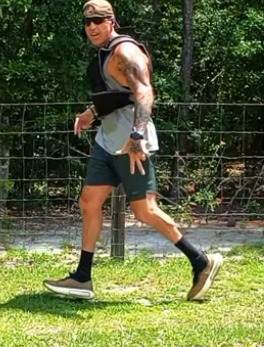
I grew up with bilateral clubfoot, visible differences, altered mechanics, and the kind of running pattern that other kids noticed before adults had language for it. The emotional side was not separate from the physical side. How I moved affected how I was treated, how I saw myself, and how hard I had to work to feel capable.

That is why this topic matters. Clubfoot teen mental health is not about making parents afraid. It is about giving parents a wider lens before their child is already struggling silently.

A closer look at teens who grew up with clubfoot

A 2024 article in Acta Ortopédica Mexicana looked at teenagers ages 16 to 18 who had been treated for congenital clubfoot. Instead of only asking whether the foot was corrected, the researchers looked at health, function, satisfaction, pain, emotional role, mental health, and physical self-concept.

Physical self-concept means how a teen sees their own body and physical ability. In plain language, it asks questions like: Do I feel strong? Do I feel capable? Do I feel physically okay? Do I feel attractive? Do I trust my body? For a teenager with clubfoot, those questions can be just as important as range of motion or foot position.

The study included 55 patients and used the SF-36 health questionnaire, the Laaveg-Ponseti questionnaire, and a physical self-concept questionnaire. The original article is available through SciELO and Acta Ortopédica Mexicana.

Who was studied?

Teens ages 16 to 18 with treated congenital clubfoot.

What was measured?

Foot function, pain, satisfaction, general health, mental health, emotional role, physical ability, and physical self-concept.

Why it matters

The study looked beyond correction and asked how teens were actually doing in daily life.

Not every teen had the same clubfoot path

The teens in the study had different treatment histories. That matters because parents often compare one child’s clubfoot journey to another child’s journey and assume the emotional outcome will be the same. It usually is not that simple.

  • Some teens were treated with the Ponseti method.
  • Some began with Ponseti treatment and later needed larger surgery or bone correction.
  • Some were treated mainly with major surgery and bone procedures rather than Ponseti as the primary approach.

That mix is important for parents because clubfoot teen mental health does not come from one single factor. It can be shaped by treatment history, pain, stiffness, athletic ability, scars, calf size, shoe limitations, relapse history, family support, peer reactions, and how the child learns to talk about their own body.

For treatment basics, start with the Ponseti clubfoot parent guide.

The hopeful part: many teens are doing better than parents fear

The overall picture from the study was more hopeful than many parents might expect. As a group, the teens reported good to excellent quality of life. Their physical and mental health scores were described as being in an adequate state and above the mean. Their physical self-concept was also reported as above average.

In everyday parent language, that means many teens with treated clubfoot did not see themselves as broken, weak, or incapable. Many were functioning, adjusting, and developing a reasonable sense of confidence in their bodies.

That does not erase the hard parts. It does not mean every teenager with clubfoot feels fine. It does not mean pain, stiffness, scars, shoes, calf differences, gait changes, or sports limitations never matter. It means the teen years are not automatically doomed by a clubfoot diagnosis.

The balanced message parents need

The goal is not to tell families, “Don’t worry, everything will be perfect.” The goal is to say something more useful: many teens do well, but the emotional side deserves attention before it becomes a crisis.

Why clubfoot body image can show up more strongly in the teen years

Younger children may notice casts, braces, or shoes, but teenagers often become more aware of appearance and comparison. A teen may start thinking more about calf size, scars, ankle stiffness, foot shape, shoe choices, gym class, shorts, swimming, dating, sports performance, or why their body does not look exactly like their friends’ bodies.

For some teens, clubfoot is just background noise. For others, it becomes a quiet source of insecurity. A parent may see a medically successful outcome while the teen sees a leg they hide in photos, a scar they hate, a calf that makes them avoid shorts, or a running pattern they hope no one notices.

This is where physical self-concept becomes powerful. If a teen believes their body is capable, useful, strong, and worth taking care of, they may handle visible differences better. If they believe their body is defective or embarrassing, even a good medical outcome may not feel good to them.

Sports, running, gym class, and the fear of being different

Parents often ask whether their child with clubfoot will be able to play sports. The honest answer is that many children and teens with clubfoot can participate in sports, but performance and comfort can vary widely. Some kids run, jump, lift, swim, bike, hike, play team sports, and live very active lives. Others deal with stiffness, pain, endurance limits, asymmetry, weakness, or fatigue.

The mental health piece is not only whether the child can technically participate. It is also whether they feel safe trying. A teen who is slower, has a different gait, gets tired faster, or is teased may begin avoiding activity even if movement would help their strength and confidence.

The better parent question is not only, “Can my child play sports with clubfoot?” It is also, “How can I help my child find movement that builds confidence instead of shame?”

For more on sports and long-term function, read Can My Child Play Sports With Clubfoot?

What parents should watch for as a child becomes a teenager

You do not need to panic over every hard day. Teenagers have moods, insecurities, and social pressures even without a medical history. But clubfoot can add a specific layer that parents should not dismiss.

  • Avoiding shorts, sandals, swimming, locker rooms, or gym class because of scars, calves, braces, or foot appearance.
  • Suddenly quitting sports or activities they used to enjoy.
  • Getting angry or shutting down when clubfoot, shoes, running, scars, or leg size are mentioned.
  • Hiding pain because they do not want more appointments or attention.
  • Comparing their legs or athletic ability to siblings, teammates, or classmates.
  • Withdrawing from friends, school activities, or physical play.
  • Showing signs of anxiety, depression, low mood, sleep changes, or body-image distress.

If these patterns continue, it is reasonable to bring in help. A therapist who understands body image, chronic medical conditions, disability, sports identity, or adolescent mental health can be a strong support. This is not an admission that clubfoot “won.” It is part of whole-person care.

Practical ways to support clubfoot teen mental health

You cannot control every long-term clubfoot outcome. You cannot guarantee no pain, no teasing, no insecurity, and no future surgery. But you can help shape the story your child builds around their body.

1. Do not reduce success to “the foot is corrected”

A corrected foot can still come with stiffness, weakness, scars, calf differences, shoe problems, or confidence issues. Ask how your child feels, not only what the doctor says.

2. Keep them moving without turning movement into pressure

Walking, biking, swimming, dancing, strength work, hiking, and sports can all help a child experience their body as capable. The goal is confidence, not forcing them to prove they are “normal.”

3. Take appearance concerns seriously

Scars, calf size, foot shape, and shoe limitations may seem minor to an adult, but they can feel huge to a teen. Do not dismiss those concerns just because the medical outcome is good.

4. Give them language before they need it

Help your child explain clubfoot in simple terms. When they can talk about it without shame, it becomes less powerful when someone else notices.

5. Watch for avoidance

Avoidance can look like “I just don’t like sports,” “I hate shorts,” or “I don’t want to go.” Sometimes that is preference. Sometimes it is fear, pain, embarrassment, or low confidence.

6. Ask for help early

If anxiety, depression, body-image distress, or social withdrawal shows up, ask for help. Mental health support can sit beside orthopedic care, physical therapy, and family support.

Your child is not only working toward straight feet

Parents are often told to focus on treatment compliance: casts, tenotomy, boots and bar, bracing hours, relapse checks, and follow-up appointments. Those things matter. But the deeper goal is not simply a foot that looks corrected. The deeper goal is a child who can live in their body.

That means helping them build strength where they can, adapt where they need to, speak honestly about pain or insecurity, and understand that clubfoot is part of their story without becoming the whole story.

The research behind this page gives parents a grounded kind of hope. Many teens treated for clubfoot report good quality of life and solid physical self-concept. At the same time, the emotional side still deserves attention, especially when a child begins comparing their body, movement, scars, or athletic ability to everyone around them.

Helpful next reads on Clubfoot Forward

Long-Term Clubfoot Outcomes

Explore the bigger picture of clubfoot after childhood, including pain, function, gait, relapse, and adult life.

Mental health support can be part of clubfoot care

Clubfoot is orthopedic, but living with clubfoot is not only orthopedic. If your teen is struggling with anxiety, depression, shame, body image, social avoidance, or fear around movement, it is reasonable to involve a mental health professional.

Parent and teen mental health resources from organizations like the National Alliance on Mental Illness can be useful alongside clubfoot-specific care. For urgent safety concerns, contact local emergency services or a crisis line in your country right away.

Clubfoot teen mental health FAQ

Can clubfoot affect a teenager’s mental health?

Yes. Clubfoot can affect how a teenager feels about their body, especially around scars, calf size, shoes, sports, pain, stiffness, or feeling different from peers. Many teens do well, but parents should still take emotional concerns seriously.

Do most teens treated for clubfoot have poor quality of life?

Not necessarily. The 2024 study discussed on this page found generally good to excellent quality of life among teens with treated congenital clubfoot. That does not mean every teen has no challenges, but it gives parents a more balanced picture than fear alone.

What is physical self-concept in clubfoot?

Physical self-concept is how a teen sees their own body and physical ability. For a teen with clubfoot, this may include whether they feel strong, capable, attractive, athletic, limited, embarrassed, or confident in their body.

What signs should parents watch for in a teen with clubfoot?

Watch for withdrawal from sports or activities, hiding legs or scars, avoiding gym class or pools, increased anxiety, low mood, frustration with pain, shame about calf size, or a sudden drop in confidence.

When should a parent ask for mental health support?

Ask for support early if your teen shows ongoing anxiety, depression, avoidance, body-image distress, sleep changes, social withdrawal, or statements that they hate their body. A therapist familiar with chronic medical conditions or body image can help.

Medical disclaimer

Clubfoot Forward is an educational and lived-experience resource. This page is not medical advice, diagnosis, or treatment. Always talk with your child’s orthopedic team, pediatrician, physical therapist, or licensed mental health professional about your child’s specific symptoms, treatment history, pain, mobility, emotional health, and safety concerns.

Heath J
Hi, I’m Heath

Leave a Reply

Your email address will not be published. Required fields are marked *