Long-View Clubfoot Guide
Clubfoot Treatment Timeline: From Birth to Adult Surgery
A clubfoot treatment timeline is bigger than the first casts. It starts at diagnosis, moves through correction and bracing, follows the child through growth, and sometimes continues into adult pain, altered mechanics, relapse, or later surgery.
That does not mean every child with clubfoot has a hard road ahead. Many children treated early do very well. Some walk, play, wear shoes, play sports, and move through life with few obvious limits. Parents need to hear that part too.
The mistake is pretending the story always ends when the foot looks corrected. A treated foot can still relapse. A corrected foot can still be stiff. A child who looks fine at five can become a teenager with shoe problems, pain, or activity limits. An adult can have a full, capable life and still carry a structural history that affects work, military service, running, standing, stairs, terrain, or later surgery decisions.
This page walks through the whole arc: diagnosis, early treatment, bracing, walking, relapse monitoring, childhood growth, teen and adult function, and the possible branch into adult surgery. My own bilateral clubfoot history appears here as one real-world overlay, not as a prediction for every child.
Plain answer: the clubfoot treatment timeline usually begins with diagnosis and early correction, continues through bracing and relapse prevention, and may later include monitoring for walking changes, shoe problems, stiffness, pain, altered mechanics, or additional surgery.
Parent Reality
Correction is not the same as being done.
Casting can correct position, but bracing and follow-up help protect the result.
Growth Reality
The timeline changes as the child grows.
Walking, shoes, stiffness, pain, and relapse signs matter after the early treatment phase.
Adult Reality
Treated does not always mean mechanically normal.
Some adults still deal with stiffness, altered gait, pain, shoe problems, or later surgery decisions.
Free Printable Parent Tool
Keep the Timeline From Turning Into a Blur
The Clubfoot Forward Parent Appointment Checklist helps you bring better questions, write down the plan, and keep track of what happens from one stage to the next.
Use it for diagnosis visits, casting appointments, tenotomy discussions, boots-and-bar bracing, relapse concerns, walking questions, and follow-up planning. Clubfoot treatment moves in stages. The checklist gives parents one place to write down what changed, what the provider said, what happens next, and who to call if something feels off.
Before the Visit
Bring the real questions.
Diagnosis, casting timing, tenotomy, brace schedule, relapse signs, walking, pain, and follow-up.
During the Visit
Write the answer down.
Not the version you think you will remember later. The actual plan, timing, warning signs, and contact instructions.
After the Visit
Keep the record moving.
Bring the notes back so each stage builds on the last one instead of starting from memory.
Timeline at a Glance
The Full Clubfoot Timeline
This visual gives the major stages without pretending every child follows the exact same path.
Jump To
Plain answer | Diagnosis and early care | Casting and bracing | Walking and growth | Relapse and residual limits | Adult function | Adult surgery | Timeline branches | Lived timeline | Next pages | Sources | FAQ
Plain Answer
A Clubfoot Timeline Has Stages, Branches, and Follow-Up
A typical clubfoot timeline starts with diagnosis before birth or shortly after birth, followed by pediatric orthopedic evaluation. Many babies then go through serial casting, often Achilles tenotomy, and then boots-and-bar bracing to maintain correction.
After that, the timeline changes from correction to protection. Parents watch brace tolerance, walking development, foot position, relapse signs, shoe fit, pain, and function during growth.
Some children have a quiet path after early treatment. Others need repeat casting, brace changes, tendon transfer, or another procedure if relapse or residual deformity appears. In adulthood, the timeline may stay quiet, or it may show up as stiffness, limited motion, pain, altered gait, work limits, running limits, military limits, arthritis concerns, or later surgery.
The adult branch is not guaranteed. But when it happens, it belongs to the same story, not some random surprise sequel nobody asked for.
Stage 1
Diagnosis, Birth, and Early Orthopedic Care
The first stage is diagnosis. Clubfoot may be seen on prenatal ultrasound, recognized at birth, or confirmed during newborn evaluation. This is usually where parents go from “we are having a baby” to “why does everyone suddenly know the word talipes?” which is not exactly the hospital welcome packet anyone requested.
The important step is getting the baby evaluated by a clinician who understands clubfoot, usually a pediatric orthopedic specialist. The team needs to know whether the clubfoot appears isolated, whether one or both feet are involved, how flexible or rigid the foot is, and when treatment should begin.
For parents, this stage should be taken seriously without panic. Clubfoot care usually works best when families understand the order early: diagnosis, evaluation, casting, possible tenotomy, bracing, and follow-up.
Prenatal or Newborn Diagnosis
Clubfoot may be noticed before birth or after delivery. Either way, parents should ask what was seen and what the next orthopedic step is.
First Specialist Visit
The first orthopedic visit helps define severity, flexibility, case type, treatment timing, and what parents should expect next.
Early Parent Planning
This is where families learn the difference between correction, bracing, relapse prevention, and long-term follow-up.
Stage 2
Casting, Possible Tenotomy, and Boots-and-Bar Bracing
The early treatment stage is where the foot is corrected and then protected. Many children are treated with the Ponseti method, which generally involves gentle manipulation, serial casts, often Achilles tenotomy, and then bracing.
Parents often feel relief when the foot starts looking better. That relief is real, but it can create a trap: correction is not the same as completion. The brace stage matters because a corrected foot can drift back toward relapse.
This is the part of the timeline where treatment becomes less dramatic visually but more demanding practically. Casting is visible. Bracing is daily life. Boots, bar, socks, skin checks, heel slipping, bedtime fights, and tired parents all enter the chat like they pay rent.
Serial Casting
Casting gradually moves the foot toward correction. Parents should ask how progress is measured and what the expected casting sequence looks like.
Achilles Tenotomy
Many babies need a small Achilles procedure as part of correction. Parents should ask whether it is likely and what the post-tenotomy cast phase involves.
Boots-and-Bar Bracing
Bracing helps maintain correction. It is not a bonus step. It is a major part of relapse prevention.
Important: the timeline does not end when the foot looks corrected. That is often when the maintenance phase begins.
If the brace is hard, ask for help. Skin issues, heel slippage, poor sleep, and fit problems should be solved, not ignored. The brace cannot prevent relapse if it ends up living in the corner like a tiny orthopedic paperweight.
Stage 3
Walking, Growth, Shoes, and Childhood Follow-Up
After correction and bracing, the timeline becomes about function. Parents start watching walking, shoe fit, gait, calf size, foot size, stiffness, and whether the child seems comfortable moving through normal activity.
This is where families need balance. Do not panic over every step. Toddlers are basically tiny drunk park rangers even without clubfoot. But do not dismiss repeated toe walking, limping, tripping, pain, worsening stiffness, brace problems, or a foot that seems to be turning back in.
Childhood follow-up matters because growth can reveal things that were not obvious in infancy. The goal is not to medicalize every movement. The goal is to catch meaningful changes early enough to do something useful.
Walking Milestones
Parents should ask what walking should look like after clubfoot treatment and when a delayed or unusual pattern deserves follow-up.
Brace and Shoe Fit
Brace fit, shoe fit, pressure marks, heel position, and one-sided changes can all matter during growth.
Pain and Function
Pain, fatigue, activity avoidance, limping, or repeated complaints should not be brushed off as automatically normal.
Stage 4
Relapse, Residual Deformity, and the Part Nobody Wants to Revisit
Relapse means the foot begins drifting back toward part of the clubfoot pattern after initial correction. Residual deformity means some part of the clubfoot position or mechanical problem remains. These are not the same thing, but both can shape the timeline.
This stage is emotionally hard because parents may feel like treatment failed, even when the situation is more complicated than that. Bracing matters, but some relapses happen despite good care. Some feet are more resistant. Some histories are structurally more stubborn than the brochure version.
The useful response is not blame. The useful response is recognition, reassessment, and treatment planning.
Relapse Signs
Watch for inward turning, reduced flexibility, toe walking, tripping, brace fit problems, heel slipping, or gait change.
Residual Limits
Some people have lingering stiffness, shape differences, limited motion, or foot position issues even after treatment.
Relapse Planning
The next step may include closer monitoring, brace changes, repeat casting, tendon transfer, or another plan depending on the child.
Stage 5
Teen and Adult Function: When the Timeline Meets Real-World Load
Teen and adult clubfoot outcomes vary widely. Some people function extremely well. Some only notice clubfoot during shoe shopping, long walking days, sports, or fatigue. Others deal with pain, stiffness, arthritis concerns, limited motion, altered gait, or work limitations.
This is where the timeline stops being about appointments and starts being about demand. Can the foot handle standing all day? Stairs? Uneven ground? Running? Military boots? Long shifts? Heavy load? Recovery after repeated activity?
A foot can look good in a clinic hallway and still become expensive under real conditions. That does not mean the outcome is bad. It means the system has a cost profile. Adult clubfoot often lives in that space: functional, adaptive, sometimes high-performing, but not mechanically free.
Adult Pain
Pain may show up in the foot, ankle, calf, knee, hip, back, or opposite side because compensation travels.
Gait Compensation
Limited ankle motion, stiffness, altered push-off, and residual deformity can change how force moves through the body.
Adult Life
Work, standing, shoes, sports, stairs, running, terrain, and recovery can all reveal limits that were not obvious in childhood.
Stage 6
Adult Surgery: One Possible Branch, Not Everyone’s Destination
Adult surgery is not the automatic ending of the clubfoot timeline. Many people treated for clubfoot never need major adult surgery. But for some, later pain, stiffness, relapse, residual deformity, arthritis, instability, or failed mechanics create decisions that conservative care cannot fully solve.
Adult surgery may include tendon procedures, osteotomy, revision surgery, arthrodesis, or other approaches depending on the foot. The goal may be to reduce pain, improve alignment, increase stability, or make the foot more usable. Sometimes the tradeoff is less motion for more stability.
That tradeoff matters. A fusion may solve one problem while creating new constraints. A foot can become more stable but less adaptable. Surgery can improve daily life while also changing running, terrain tolerance, footwear needs, or load management.
Tendon Transfer
Some relapsed or imbalanced feet may involve tendon procedures when muscle imbalance contributes to deformity.
Osteotomy
Some cases may involve cutting and repositioning bone to improve alignment when soft-tissue treatment is not enough.
Arthrodesis or Fusion
Fusion may be considered when painful motion, deformity, or instability makes preserving movement less useful than creating stability.
Timeline Branches
Why One Child’s Timeline May Stay Quiet and Another’s May Not
This visual shows the main branches without pretending the future is already decided.
Lived Experience
My Timeline: One Real Example of the Long Arc
My timeline is not the template for every child. It is one example of why long-view thinking matters.
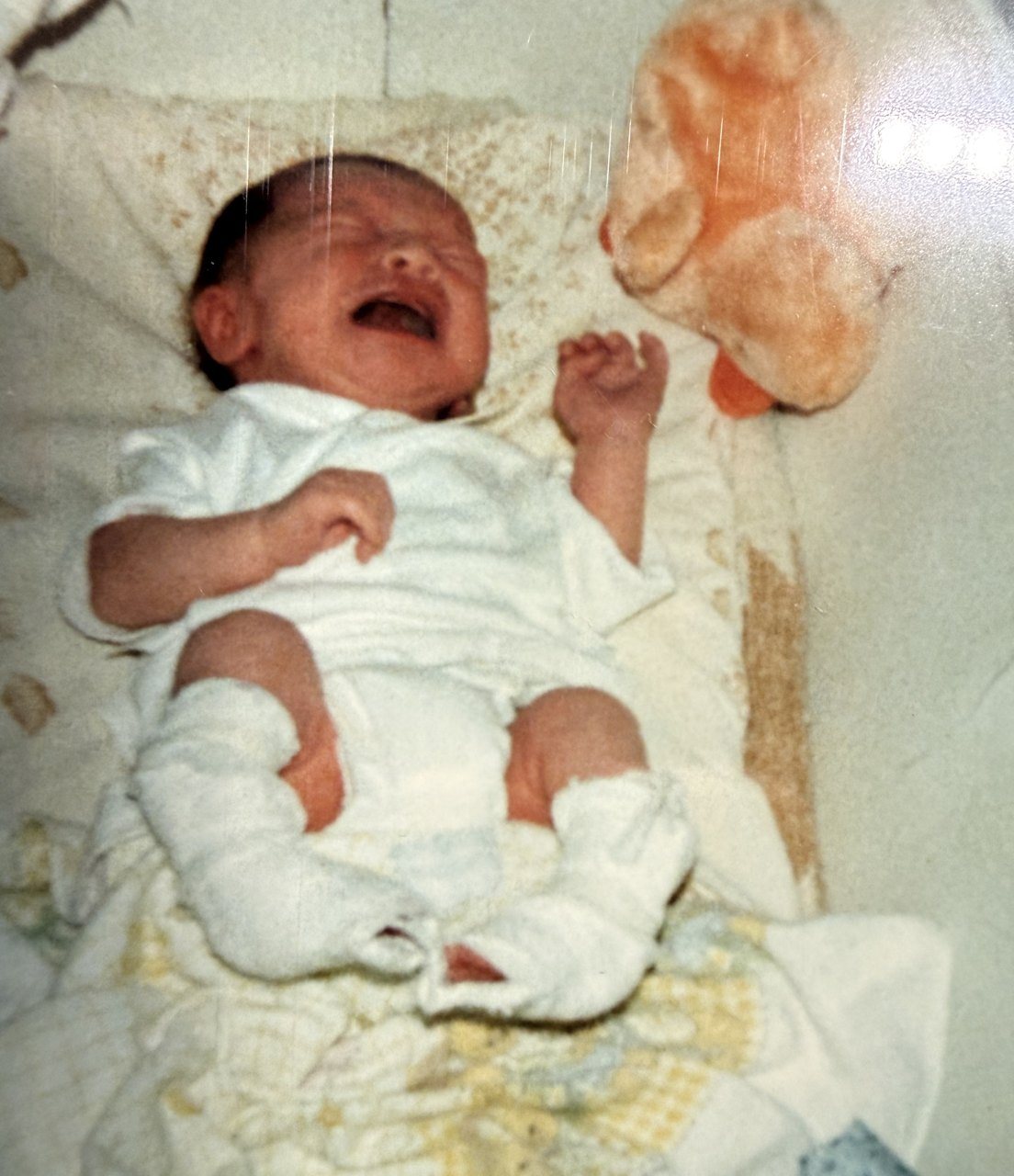
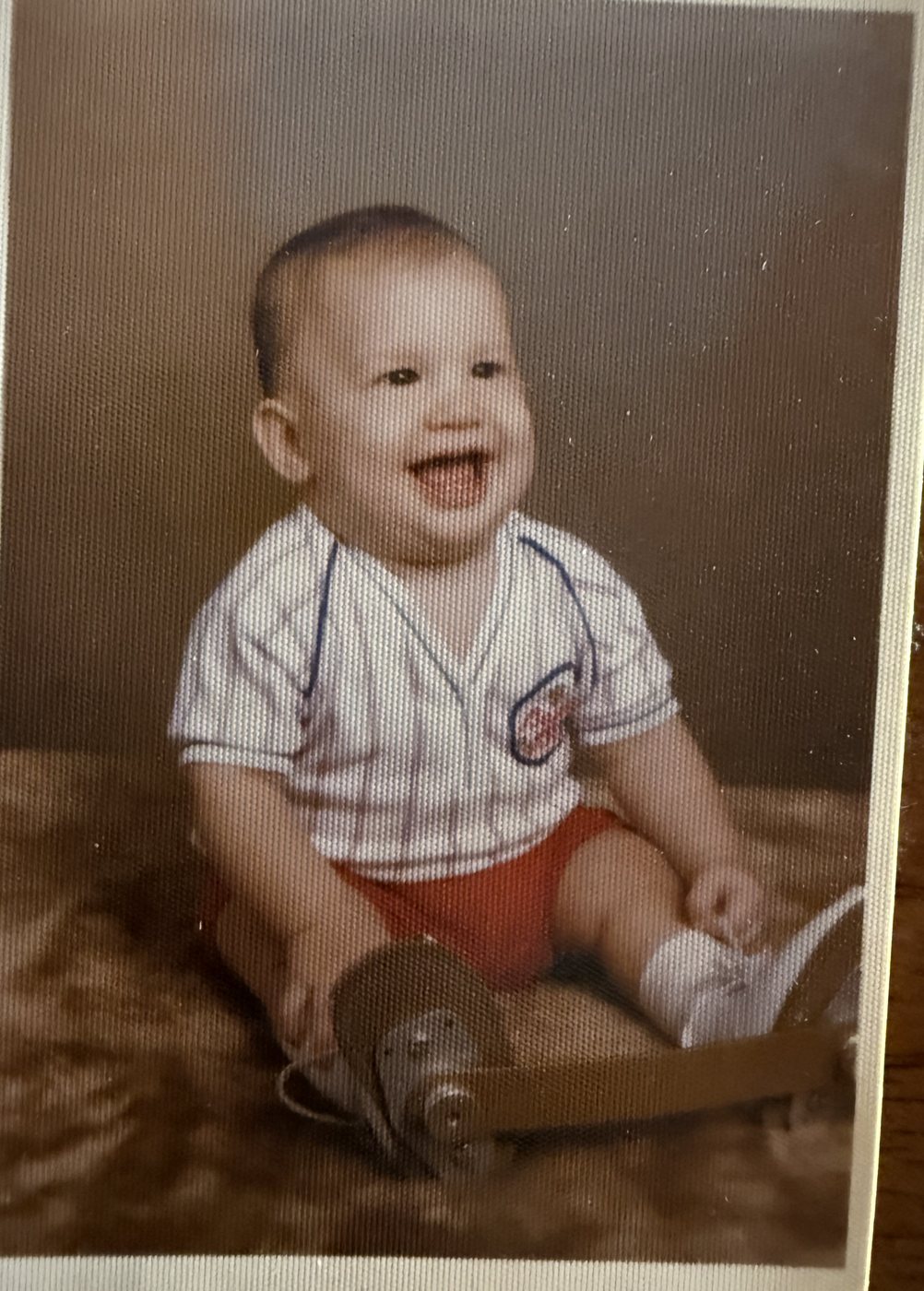
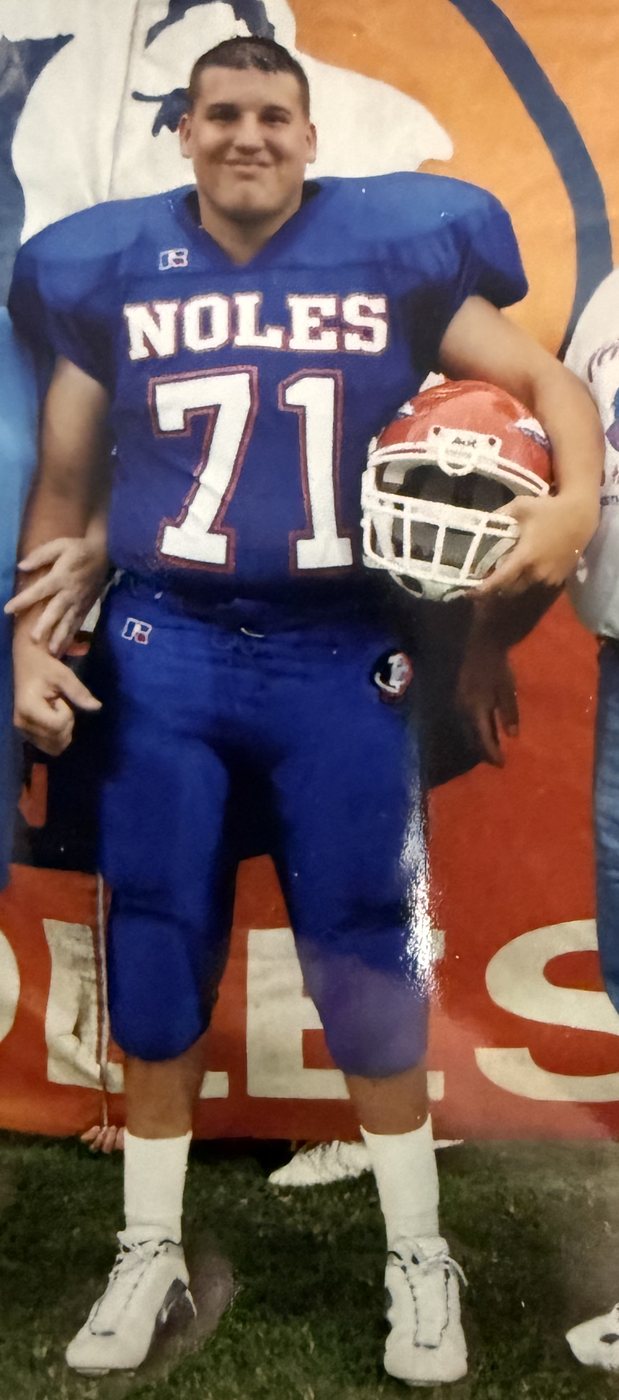
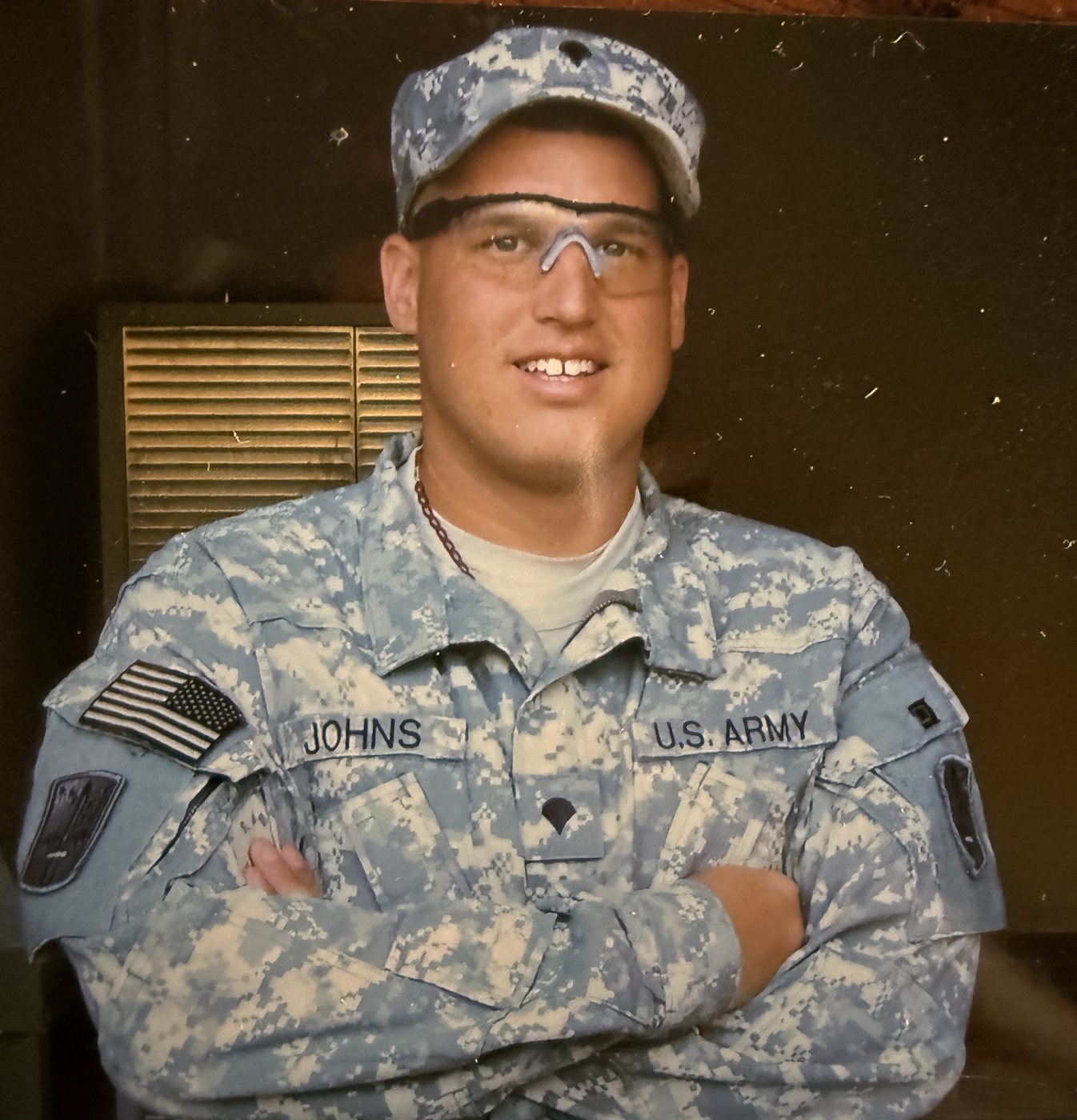
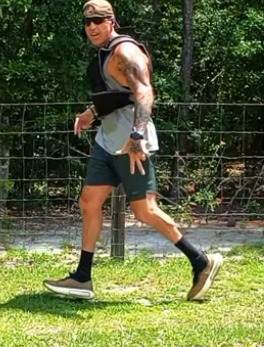
I was born with bilateral clubfoot. I had early treatment, recurrence and residual structural issues, multiple surgeries, Achilles and tendon-related history, and eventually triple arthrodesis. Later, I served in the Army, dealt with military boots, standing, load, pace, field conditions, and recovery debt. As an adult, running became one of the clearest ways to see both adaptation and cost.
That sounds contradictory only if outcome is treated as either “fixed” or “failed.” Real life is messier. A person can be functional, disciplined, active, and even high-performing while still having a body that pays more for the same task.
For me, the long-term story includes limited motion, altered loading, pain patterns in the knees, low back, outer quad, and sometimes sciatic-type symptoms after repeated runs. Uneven terrain is harder. Controlled conditions are easier. Capacity is buildable, but it has to be built inside the rules of the structure.
Parents need hope without fake guarantees. Adults need language for why a treated foot can still matter decades later.
Best Next Pages
Follow the Timeline by Stage
Use these pages to go deeper into the stage that fits your family or adult history right now.
Clubfoot Early Treatment Hub
Start here for the parent-facing early pathway: diagnosis, first orthopedic visit, casting, Ponseti treatment, tenotomy, bracing, and relapse prevention.
Ponseti Clubfoot Parent Guide
Best if you want the standard casting, tenotomy, and bracing sequence explained in parent language.
Clubfoot Relapse Hub
Best if the foot was corrected but now seems to be turning in, tightening, or changing again.
Adult Clubfoot Life Hub
Best if you are trying to understand pain, stiffness, gait compensation, shoes, work demands, surgery history, and altered mechanics.
Adult Clubfoot Surgery Later in Life
Best if adult symptoms, pain, stiffness, or deformity are leading toward surgical discussions.
Clubfoot and Military Service
Best if long-term function, altered mechanics, boots, running, load, and military medical review are part of the question.
Sources
Sources Used for This Page
This page uses orthopedic, hospital, and peer-reviewed sources for clubfoot diagnosis, Ponseti treatment, casting, Achilles tenotomy, bracing, relapse prevention, and long-term function. The lived-experience sections are clearly framed as one real example, not a prediction for every child.
AAOS OrthoInfo: Clubfoot
Used for general orthopedic clubfoot treatment context, Ponseti casting, tenotomy, and bracing after correction.
Mayo Clinic: Clubfoot Diagnosis and Treatment
Used for diagnosis, early treatment timing, casting, Achilles release, and bracing after correction.
Mayo Clinic: Clubfoot Symptoms and Causes
Used for background on clubfoot position, walking concerns, and why untreated clubfoot matters functionally.
POSNA Study Guide: Clubfoot
Used for pediatric orthopedic education on idiopathic clubfoot, treatment, bracing, recurrence, and orthosis compliance.
Diagnosis and Treatment of Idiopathic Congenital Clubfoot
Used for medical framing of modern clubfoot treatment, including manipulation, casting, Achilles tenotomy, and bracing.
Bracing in Clubfoot: Do We Know Enough?
Used for peer-reviewed bracing context and the role of foot abduction bracing in relapse prevention after correction.
FAQ
Clubfoot Treatment Timeline FAQ
What is a clubfoot treatment timeline?
A clubfoot treatment timeline is the full sequence from diagnosis through early orthopedic evaluation, casting, possible Achilles tenotomy, bracing, walking development, relapse monitoring, childhood follow-up, adult function, pain, stiffness, and possible later surgery.
When does clubfoot treatment usually start?
Clubfoot treatment often starts in early infancy after evaluation by a pediatric orthopedic specialist. Treatment commonly involves serial casting, often a small Achilles tenotomy, and then bracing to maintain correction.
Why does bracing matter in the clubfoot timeline?
Bracing matters because a corrected foot can relapse over time. The foot may look better after casting, but boots-and-bar bracing and follow-up help protect the correction.
Does every child with clubfoot need adult surgery later?
No. Many children treated early for clubfoot do not need major adult surgery. Adult surgery is one possible later branch for people with relapse, residual deformity, pain, stiffness, arthritis, instability, or major function problems.
Can clubfoot still matter in adulthood?
Yes. Clubfoot can still matter in adulthood through stiffness, limited motion, smaller calf or foot size, shoe-fit problems, pain, gait compensation, fatigue, work limitations, sports limitations, or later surgery needs.
What should parents understand about the long-term clubfoot timeline?
Parents should understand that early treatment matters, but the timeline does not always end when the foot looks corrected. Follow-up, bracing, relapse awareness, walking development, shoe fit, pain, and function during growth all matter.
Critical Disclaimer
This page is educational only. It does not diagnose clubfoot, predict your child’s outcome, replace pediatric orthopedic care, recommend surgery, determine military qualification, or provide individualized medical guidance.
Clubfoot timelines vary widely. Major decisions about casting, bracing, relapse treatment, tendon transfer, osteotomy, fusion, adult surgery, pain management, sports participation, military service, or long-term function should be made with qualified clinicians who understand the full history of the foot and the person. For site standards, see the Clubfoot Editorial Policy.