The clubfoot casting schedule
The Ponseti casting schedule is short and strict. Casting for club foot runs through its stages in a sequence that cannot be reordered. A cast a week for five to seven weeks, then a tenotomy for most babies, then one final cast for about three weeks. Roughly two to three months from the first cast to the first night in a brace.

Where are you
Seven things parents ask during casting. Open whichever apply.
What changes week to week The order is fixed, and it explains why the foot looks odd in the middle. For you2 min
What each Ponseti cast is actually doing
Each cast asks for one specific thing, in a sequence that cannot be reshuffled.
| Roughly | What is being corrected |
|---|---|
| Cast 1 | The high arch. The forefoot is lifted back into line with the hindfoot. |
| Casts 2 to 4 | The forefoot and heel rotate outward together around the talus. This is where visible change happens fastest. |
| Casts 5 to 7 | Rotation is completed and held. The foot now points forward but still points down. |
| Final cast | After tenotomy, the ankle is held up while the tendon heals longer. |
Why the clubfoot looks worse around cast three or four
Around casts three and four the foot often looks strange, not better. Rotated further out than a normal foot sits. That is deliberate over-correction of the rotation, and it settles.
Why weekly, and not faster The interval is doing work, even though nothing appears to happen between visits. For you1 min
Why clubfoot casts are changed weekly and not sooner
Newborn ligament does not simply stretch under the cast. It remodels, rebuilding at the new length over several days. The week is how long that takes.
Pushing further at the appointment does not speed this up; it just makes the position harder to hold. Some clinics run accelerated schedules with shorter intervals and get good results,6 which is a protocol choice, not a shortcut. Follow whichever your clinic uses. The reasoning is in why the method works.
How many casts should we expect? Five to seven is typical. More is common and usually means less than parents fear. For you1 min
How many casts does clubfoot correction take?
Most idiopathic clubfoot, known clinically as congenital talipes equinovarus, corrects in about five to seven casts.1 Needing eight, ten or more is not unusual and generally reflects where the clubfoot started, not how treatment is going.
Stiffer feet, higher Pirani or Dimeglio scores at diagnosis, syndromic clubfoot, and later starts all tend to need more. A higher count is a description of the starting point, not a prediction of the outcome.
What to watch between visits Six things worth a call, and the one that is genuinely same-day. For you2 min
How you know casting is nearly done The foot points forward but still points down. That gap is what the tenotomy closes. For you1 min
When does tenotomy come into the casting schedule?
By the last few casts the sole faces the floor and the foot points ahead. Viewed from the side it will often still angle downward, because the Achilles has not lengthened.
That is the moment tenotomy gets discussed. It is not a setback; it is the last step of the correction. What it involves is on the tenotomy page.
The final cast is different Three weeks instead of one, and it is actively setting the result. For you1 min
How long is the final cast after a clubfoot tenotomy?
After the tenotomy, one cast stays on for around three weeks. It is not a wind-down. The tendon heals at whatever length it is held at, so this cast is determining the ankle’s final range.4
Then it comes off and bracing starts the same day.7 No gap, no break, nothing in between.
Missed or delayed appointments A cast left on too long stops working. It does not keep correcting. For you1 min
What happens if you miss a cast change?
A cast holds one position. Once the tissue has remodeled to it, roughly within the week, further time adds nothing and the correction simply pauses.
So a missed change is a delay, not damage, though it is worth rebooking promptly instead of absorbing it into the schedule. Illness, holidays and clinic capacity all happen; tell them instead of waiting for the next slot.
0 of 7 opened
Week by week
Where you are in the clubfoot casting schedule
Each cast asks for one specific thing, and the order cannot be reshuffled. Move along to see what the current cast is working on and what comes next.
The first clubfoot cast lifts the arch
The cavus, the high arch, is corrected first by lifting the first ray so the front of the foot lines up with the back of it. Nothing about the heel or the turning-in is addressed yet, and trying to would make the rest harder.
Casting usually starts within the first weeks of life, while the tissue is at its most responsive. A later start still works; it takes longer.
The middle casts rotate the clubfoot outward
Each cast takes the foot further round, using the head of the talus as the pivot. This is the stretch of the schedule where a foot often looks worse to a parent, because it ends up rotated further out than a normal foot sits.
That over-correction is deliberate and it settles. The heel comes down on its own as the rotation frees it, which is why nobody pushes directly on the heel.
Extra casts are about the starting point
Five to seven is typical for an idiopathic clubfoot.1 Eight, ten or more is not unusual, and it tends to reflect how stiff the foot was at the first appointment.
Stiffer feet, higher Pirani or Dimeglio scores at diagnosis, syndromic clubfoot and a later start all lengthen the sequence without meaning anything is going wrong.
Tenotomy releases the last of the equinus
By the final casts the sole faces the floor and the foot points ahead, but from the side it still angles downward because the Achilles has not lengthened. A percutaneous tenotomy releases it, usually under local anesthetic in clinic.4
Most do. A 19-year registry of 1,184 feet recorded 73 percent11 and a meta-analysis of 47 African studies 59.5 percent of feet.12 It is the last step of the correction and not a sign that casting failed.
The final cast sets the ankle’s range
One cast stays on for about three weeks while the tendon heals. It heals at whatever length it is held at, so this cast is deciding how much dorsiflexion the ankle finishes with.4
Nothing about this one is a wind-down, which is why it runs three weeks instead of the usual seven days.
Bracing starts the day the cast comes off
No gap, no break, nothing in between.7 The casts achieved the correction; the brace is what holds it, and the handover between them is deliberately seamless.
This is where the work shifts from the clinic to your house, and where the evidence says the outcome is actually decided.
Between appointments
Looking after the cast at home
The schedule is the part you read once. This is the part you come back to at two in the morning, and it is the part nobody hands you on paper.
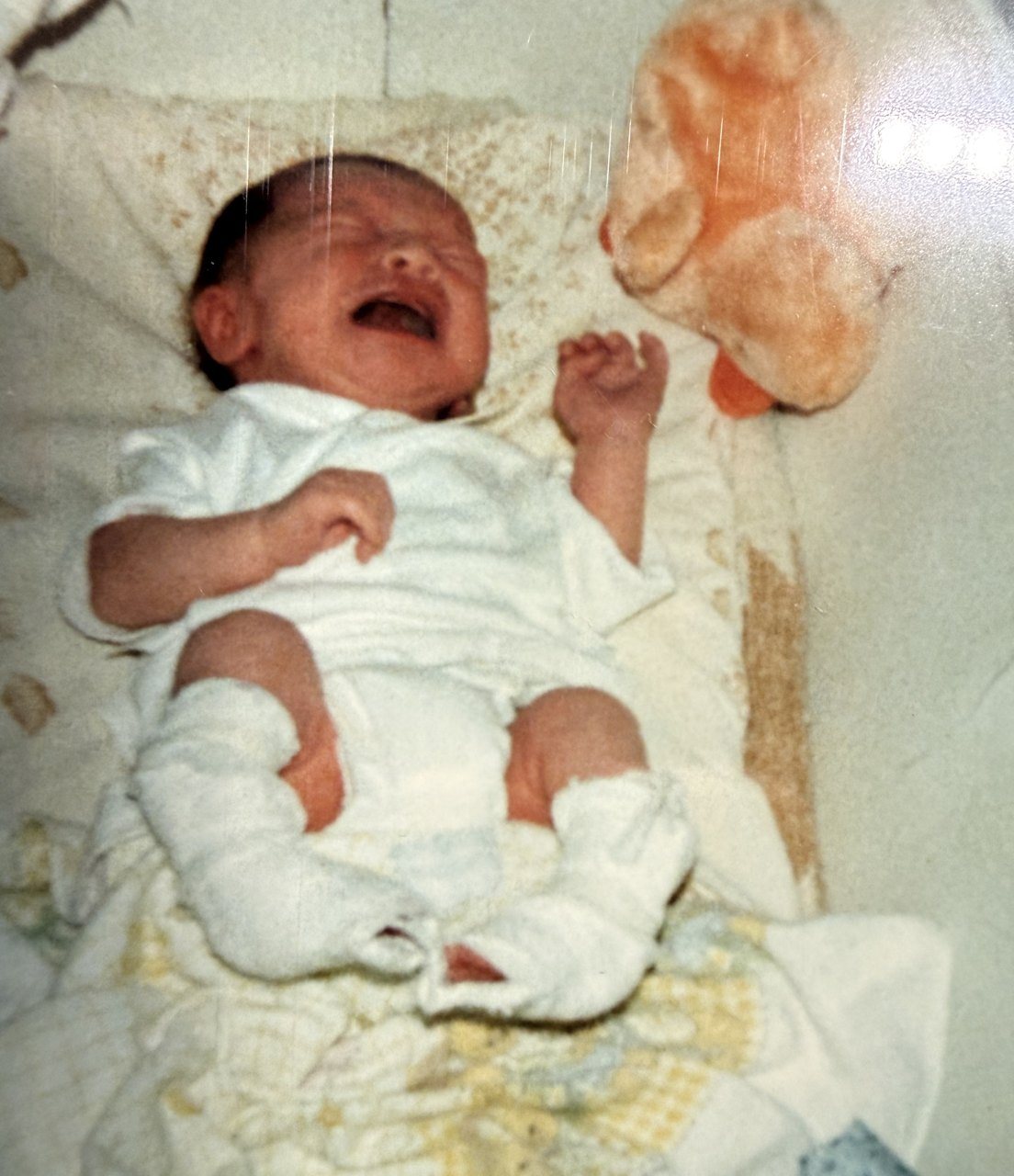
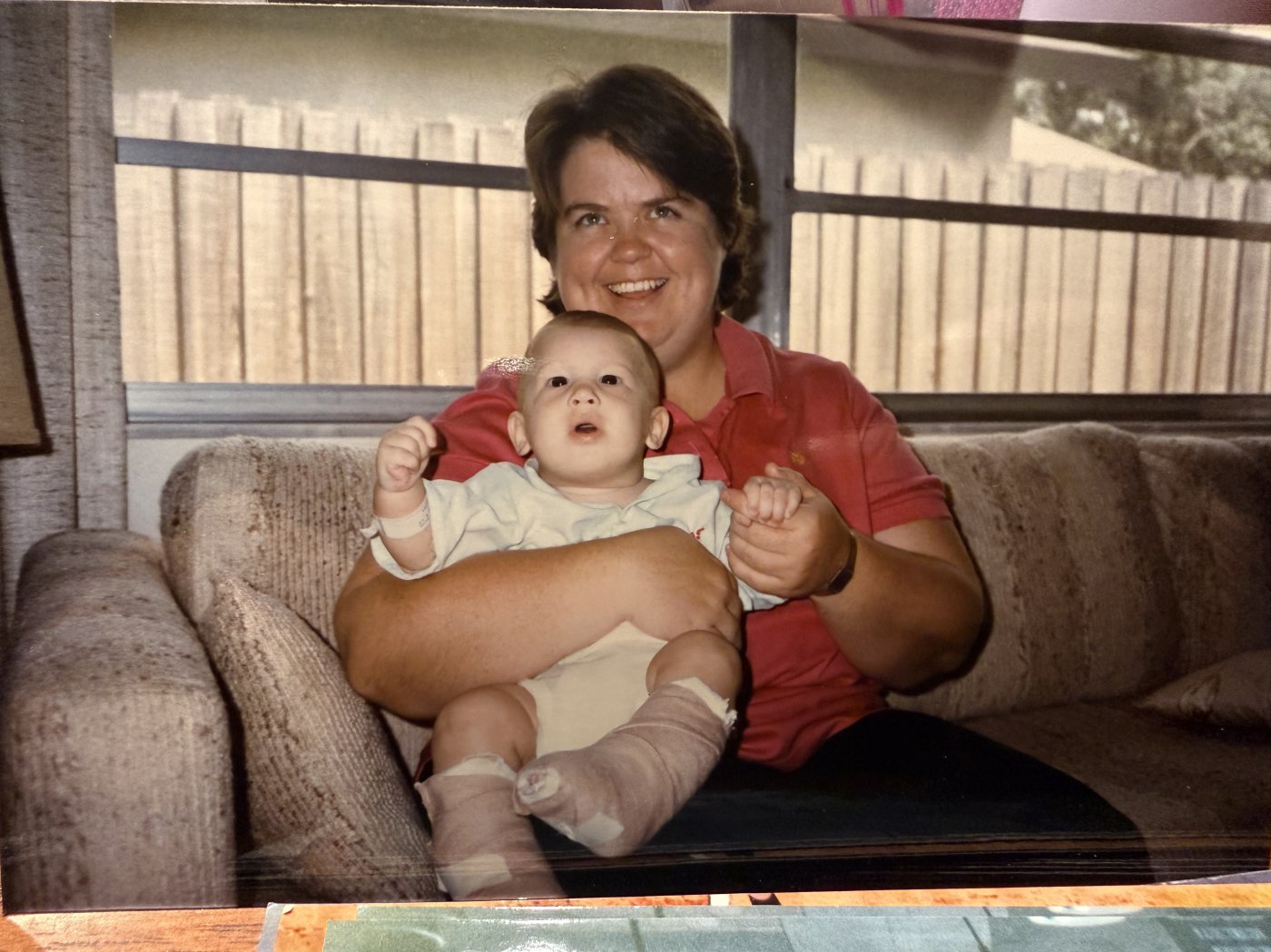
Dry, and left alone to dry
Keep the cast clean and dry. A fresh plaster takes about forty-eight hours to dry all the way through, and it should be left to do that on its own, away from direct heat.10 No hair dryer on hot, no space heater, no heating vent.
Nothing goes down the cast. Ever.
The skin underneath will itch, and the instinct is to find something thin to reach it with. Do not: a ruler, a knitting needle or anything else scratches skin you cannot see and is a straightforward route to infection.10 A hair dryer on the cool setting, aimed at the opening, is the trick that actually works.10
No creams, powders or oils
Not around the edges, not inside.10 They soften the plaster and trap moisture against skin that is already under pressure.
Soaking the cast off at home
Some clinics ask parents to soak the cast and peel it off at home before the next visit; others remove it in clinic with a cast saw. In a controlled trial of 84 infants, home soaking needed the same number of casts as the saw, with less infant crying, lower heart rates during removal, and lower parental anxiety.13 Practice varies, so do whichever your clinic asks.
The toe check, daily
Toes are your window into a cast you cannot see inside. Look every day, and after any knock. Pink, warm, and wiggling is what you want, and encouraging your baby to move them helps keep the circulation up.10
What means go now, not tomorrow
Toes that look pale or bluish, feel unusually cold or hot, or will not move, and any sign of numbness, mean raising the leg above the level of the heart and going straight to an emergency department.10 Severe pain, or a cast that has cracked, softened or slipped, means a doctor the same day.10 None of this is common. All of it is worth knowing at three in the morning instead of searching for it then.
The heel cord
The heel cord release, in plain terms
You will hear this called a tenotomy, a heel cord release, or an Achilles tenotomy. They are the same thing, and hearing three names for it is part of why it frightens people more than it should.
Most babies have one
A clinical report puts it at ninety percent of infants.9 Other series come in lower: 73 percent of 1,184 feet in a 19-year registry,11 and 59.5 percent of feet across 47 African studies.12 Rates vary between centers. If your clinic has mentioned it, that is the ordinary path through treatment and not a sign that casting has failed.
Why it happens when it happens
Casting corrects the cavus, the adductus and the varus first. Equinus, the downward point of the foot, is the last element left, and it is held by a tight Achilles. The tenotomy releases it once everything else is corrected.9
What is actually done
It is percutaneous, meaning through the skin instead of an open operation, and it is done under local anesthetic in the clinic by a surgeon.9 Keeping it out of an operating room removes the risks that come with a general anesthetic in a baby.9 Some surgeons prefer general anesthesia, particularly in older children.
Then one more cast, for three weeks
A final cast goes on immediately afterwards and stays for three weeks while the tendon heals at its new length.9 Bracing starts the moment that cast comes off, with no gap.9
What it replaces
A more extensive surgical release is not necessary.9 That single sentence in the clinical guidance is the difference between the treatment your child is having and the one adults of my generation had, and it is the reason their feet and ours age so differently.
On your phone
Keeping the series straight while you are in it
Record each cast with its date and its scores as you go, and the tenotomy when it happens. By the fourth cast almost nobody remembers the order, and at the end you have the whole series in one picture.
Get it on the App Store → Get it on Google Play →
Free on iPhone and Android. No account, and what you put in stays on your phone.
People also ask
Casting questions
Is clubfoot casting painful?
How long does it take to fix clubfoot in babies?
How many casts does clubfoot treatment take?
What is the heel cord release?
How do I take care of the cast at home?
How long is the cast on after the tenotomy?
When should I worry about the cast?
How many casts does clubfoot need?
How long does the whole phase take?
Why are we having more casts than expected?
Can casts be changed every two weeks?
What if we miss a cast change?
Does the foot look worse during casting?
What comes after the last cast?
How often are clubfoot casts changed?
How long does the whole casting phase take?
Why is my baby getting more casts than expected?
Can casting be done every two weeks instead of weekly?
What happens if we miss a cast change?
Is a plaster or a fiberglass cast better for clubfoot?
Is it too late to start casting after four weeks?
Sources
Where this comes from
For the appointments ahead
The parent appointment checklist, free
Casting means a clinic visit every week for the next month or two. This is the checklist I wish my parents had had. What to ask, what to write down, and what a normal cast change looks like.
One email, the file, and nothing else unless you ask. Unsubscribe in one click.