The worst part is usually before anything starts
Between finding out and the first appointment there is a gap where nothing is happening and you have unlimited time to imagine what might. Almost every parent describes that stretch as the hardest, and almost every one of them also says it got better once treatment began and the whole thing had a shape. Tell it where you are and this will send you to the part that applies.
Where are you right now?
Nine pages. Pick your stage and the list narrows to what is actually next, instead of everything that might ever apply.
All nine pages
Nothing matches that combination. Clear the chips, or start with why it happened. It is where most parents want to begin.
What the fear is usually made of
Parents arriving at a diagnosis are almost never afraid of casting. They are afraid of a version of their child’s life that they have assembled from fragments. Images found while searching, an untreated adult they once saw, a relative’s unhelpful anecdote. That version is generally drawn from a world before Ponseti treatment, or from parts of the world where treatment is not available.
The honest picture is more ordinary than that and more ordinary than a leaflet suggests too. Treated clubfoot (club foot) in a child with access to good care usually produces an adult who walks, works, runs about and is unremarkable in a crowd, with a smaller foot, a thinner calf and a foot that is stiffer than average. That is the realistic middle, and it is neither the catastrophe nor the perfect cure.
The images that frightened you at 2am are mostly of feet nobody treated.
Things worth hearing early
You did not cause it. Not by anything you did, took, ate or failed to do. It forms early in pregnancy through mechanisms that are still not fully understood, and no parental action is known to bring it about. This is the one people need repeating.
Babies tolerate casting far better than parents do. A newborn in a cast is generally an entirely content newborn. The distress in the room during casting is overwhelmingly in the adults, and that gets easier by about the third visit.
The hard part is not the part you are dreading. Casting is a few weeks and it has visible progress built into it. Bracing is years, and it is where families struggle. Not because it hurts, but because it is relentless and the reason for it becomes abstract once the foot looks fine.
You will get better at this. Every parent describes the first two weeks as the worst. The technical parts become routine, the appointments become familiar, and the fear moves from occupying your whole day to occupying a corner of it.
Looking after yourself
When it is more than worry
Most of what parents feel in the first weeks is ordinary fear, and it eases as treatment becomes routine. For some parents it is more than that, and it is worth naming, because clubfoot clinics are set up to look at the baby.
When mothers were screened during casting at one US hospital, 10.7 percent of 56 met the cutoff for postpartum depression, and half reported feeling anxious or finding it hard to cope.7 Among 190 parents at a clinic in India, one in five had anxiety scores above the normal range.8 Mothers followed through Ponseti treatment reported lower quality of life than mothers of babies without clubfoot, most of all in psychological health, and it did not change during treatment.9
That depression rate is similar to the general population, which is the point: a baby in casts protects nobody from ordinary postpartum depression, and it is easy to miss when every appointment is about the foot. If low mood, anxiety or not coping is not lifting, raise it with your own doctor or your baby’s pediatrician, not only the clubfoot team.
From the other end of it
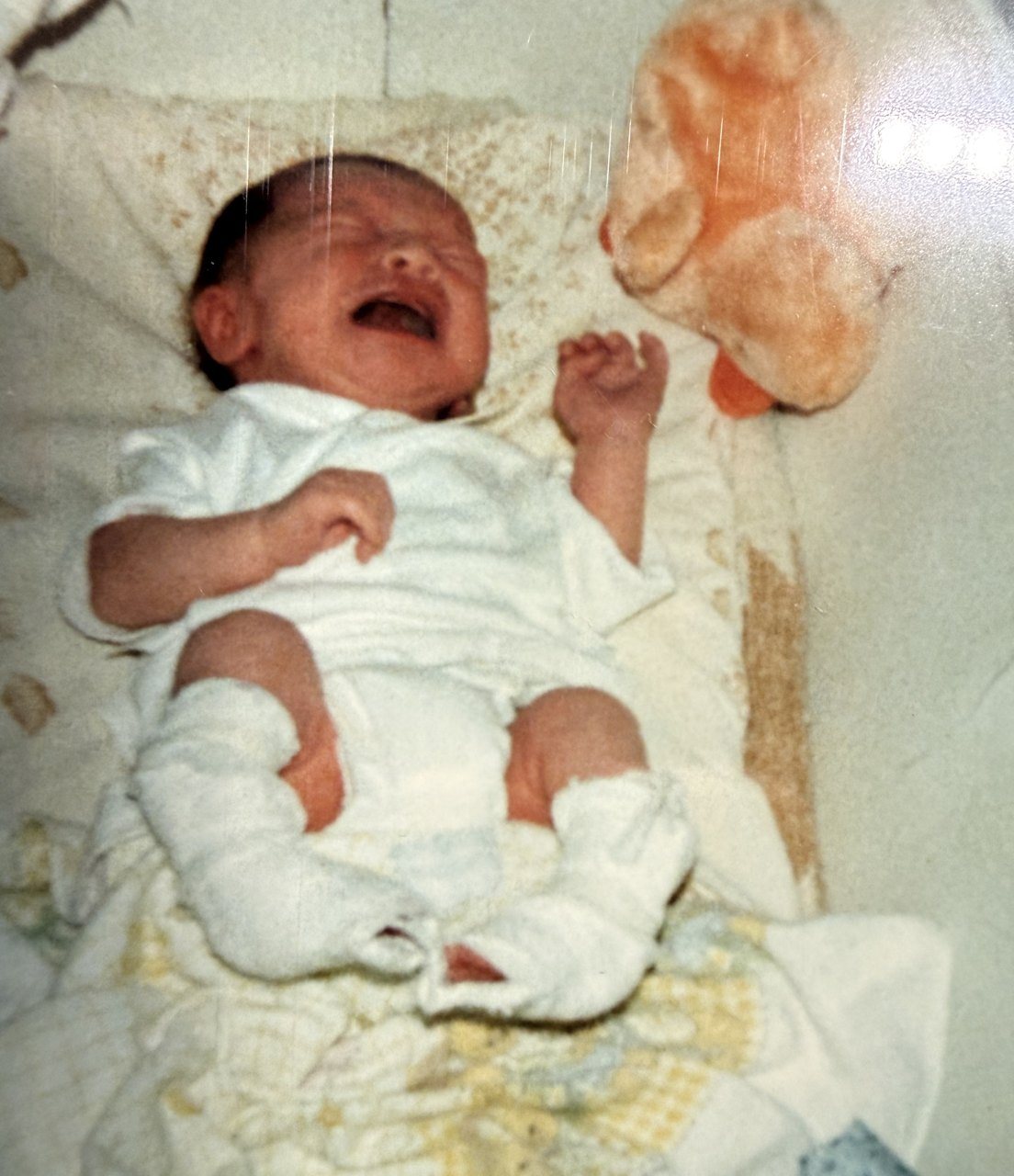
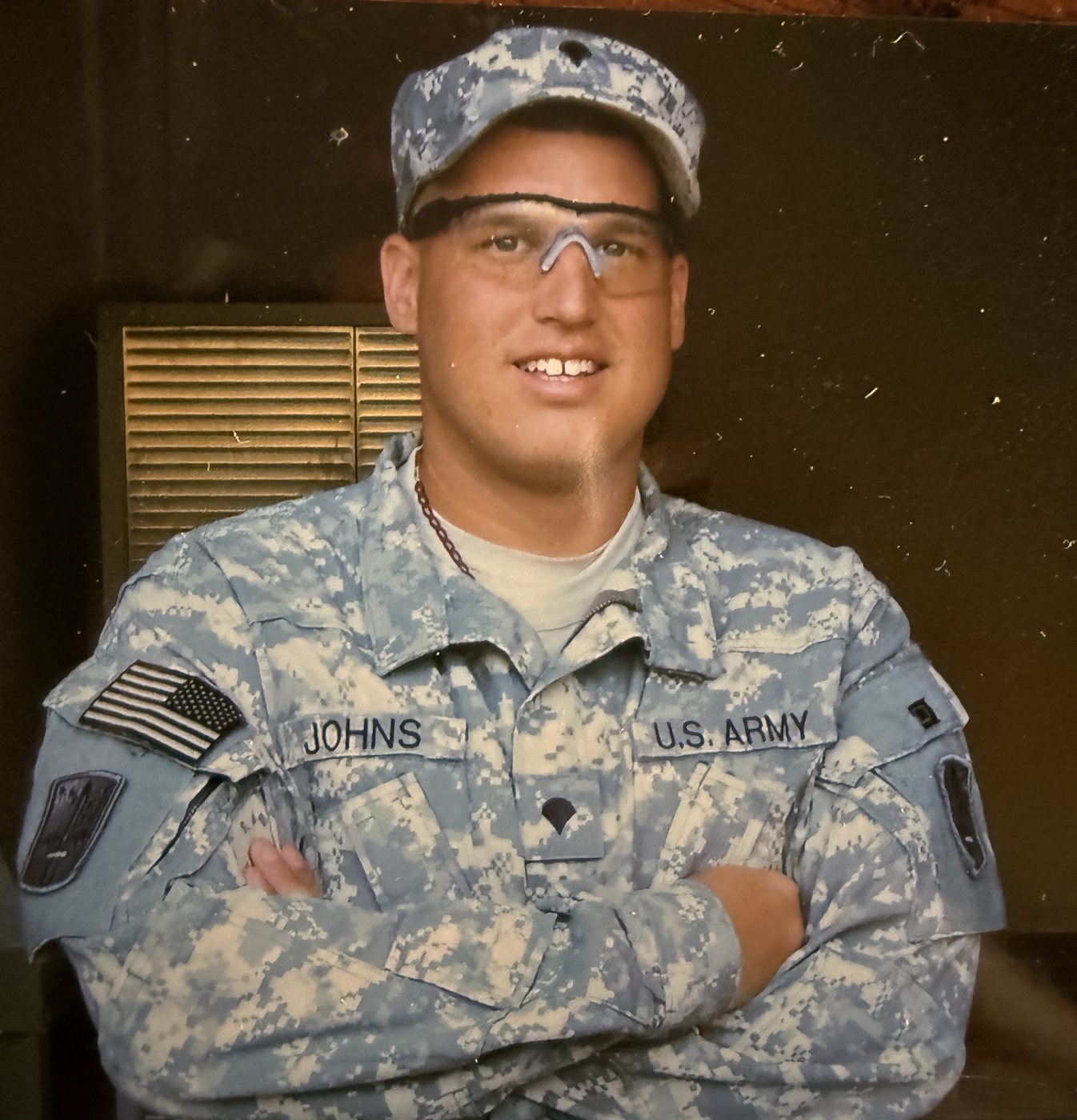
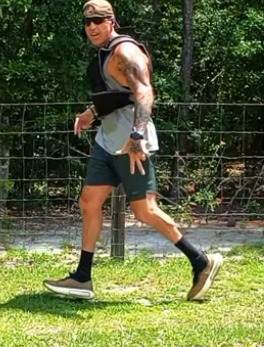
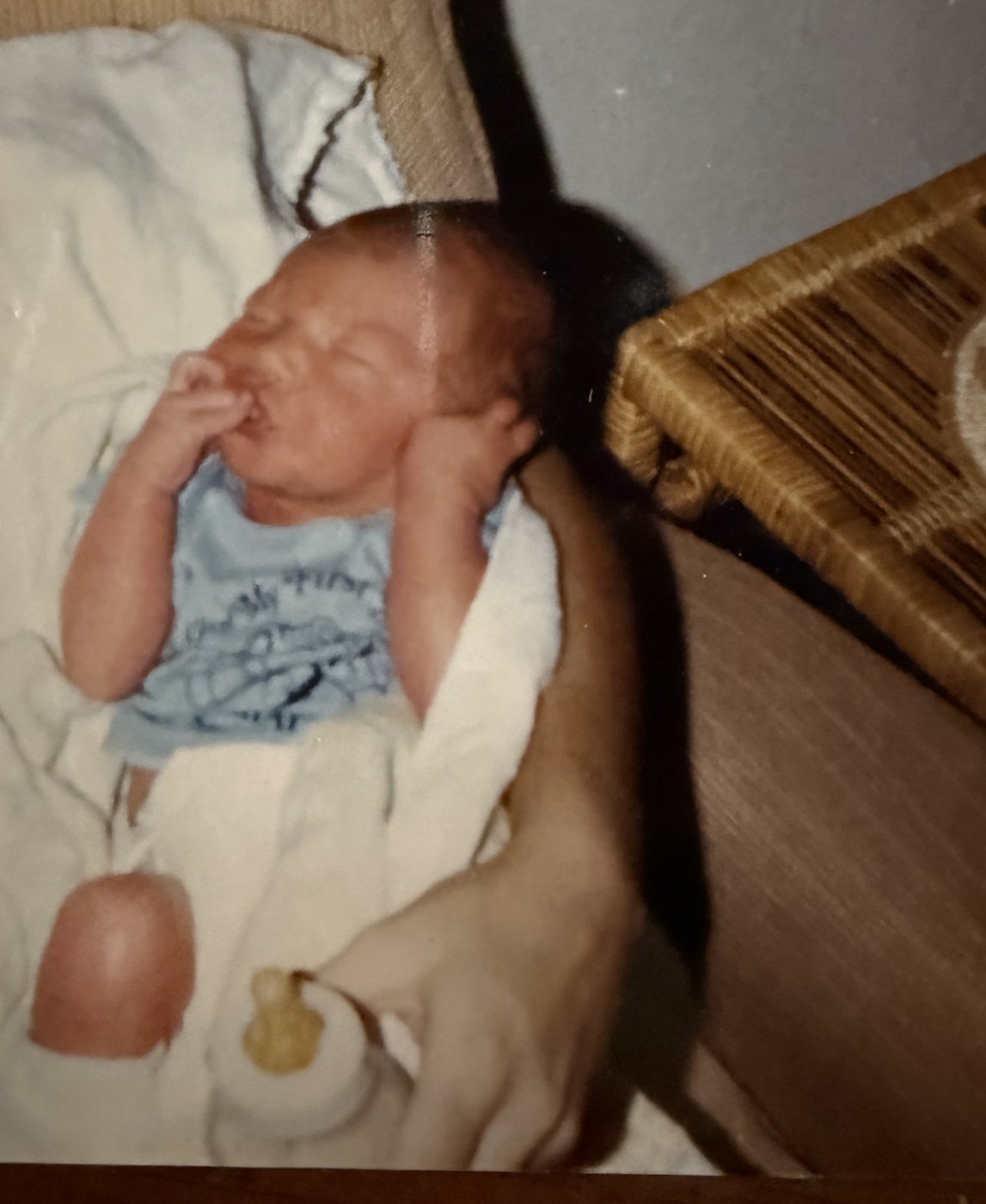
I am the child in this scenario, forty-odd years on. My parents got a diagnosis in an era with no internet, no support group and a treatment approach that has since been superseded, and they managed. I walk, I run distance, I served in the military, and my feet are the least interesting thing about my life most days.
What I would say to a parent in the first week is this: your child will not remember any of the part that is frightening you. They will not remember the casts, the tenotomy or the early bracing. What they will absorb, later, is how the adults around them treated it. Whether it was a fact about their body or a tragedy that happened to the family. That part is genuinely yours to decide, and it matters more than most of the clinical decisions ahead of you.
People also ask
The first weeks
What is the hardest part of a clubfoot diagnosis?
Did I cause my baby’s clubfoot?
Does casting hurt my baby?
What is the genuinely difficult part?
Will my child remember any of this?
What should I do in the waiting period?
Sources