Parent Guide
How Serious Is Clubfoot?
Clubfoot is serious enough to treat early, but it is not automatically a disaster.
That is the honest middle. Clubfoot is not something parents should ignore, wait out, or assume will fix itself. It usually needs pediatric orthopedic care, a correction plan, bracing, and follow-up. But a clubfoot diagnosis also does not mean your baby is doomed, broken, or guaranteed to have poor function.
Many children treated early go on to walk, play, run, wear shoes, and live active lives. The seriousness depends on the specific foot, whether one or both feet are involved, whether the clubfoot appears isolated, how stiff the foot is, how well it responds to treatment, whether bracing is followed, and whether relapse or long-term mechanical issues show up later.
This page is built to help parents understand what “serious” actually means in real life: when to be reassured, when to take it seriously, what to ask, and which related topics deserve deeper reading.
Serious Enough to Treat
Clubfoot usually does not correct on its own. Early treatment helps move the foot into a better position before walking begins and before abnormal weight-bearing becomes the child’s default.
Often Very Treatable
Many babies respond well to treatment, especially when the Ponseti method, bracing, and follow-up are done consistently. Serious does not mean hopeless.
Follow-Up Still Matters
Correction is not the end of the story. Bracing, relapse monitoring, shoe fit, stiffness, pain, and later function all matter as the child grows.
Plain-English answer: clubfoot is a serious condition because untreated clubfoot can affect walking, shoes, pain, skin, and long-term function. But treated clubfoot often has a very good outlook, especially when care starts early and families stay consistent with follow-up and bracing.
The goal is not panic. The goal is action. Clubfoot is not a “wait and see” foot position. It is a treatable condition that deserves a real plan.
Reassuring Point
Serious does not mean catastrophic.
A clubfoot diagnosis can feel overwhelming, but many children do very well with proper treatment, bracing, and follow-up.
Careful Point
Treatable does not mean optional.
Clubfoot should not be ignored. The foot position usually needs correction, and the corrected position has to be maintained.
Parent Point
Your next step is a care plan.
Ask about severity, treatment timing, bracing, relapse signs, and whether the clubfoot appears isolated or connected to another condition.
Jump To
Short answer | Why it is serious | What affects severity | Treatment outlook | Untreated clubfoot | Long-term concerns | Questions to ask | Related pages | FAQ
Short Answer
Clubfoot Is Serious, But Usually Treatable
Clubfoot is serious because the foot is not simply “a little turned in.” A true clubfoot is a structural foot position present at birth, and the foot typically points downward and inward. Without treatment, the child may eventually bear weight on the side or top of the foot, which can create major walking problems, shoe problems, skin irritation, pain, and disability.
At the same time, clubfoot is one of those diagnoses where the word “serious” can sound scarier than the actual treatment path. Many babies do well when treatment begins early, especially with a pediatric orthopedic team experienced in clubfoot care. For many families, the early months are not about disaster. They are about casting appointments, a possible Achilles tenotomy, bracing, and learning how to stay consistent without losing your mind.
So the best answer is not “it is minor” or “it is terrible.” The best answer is: clubfoot is important, treatable, and worth taking seriously from the beginning.
Why It Matters
Why Clubfoot Is Considered Serious
Clubfoot is considered serious because it affects the structure and position of the foot before a child ever starts walking. If the foot remains in that position, the child may not be able to place the sole flat on the ground. That is not just a cosmetic issue. Feet are how the body meets the floor, and the floor is famously not interested in your feelings.
When the foot cannot bear weight normally, the rest of the body has to compensate. That can affect walking mechanics, shoe wear, skin pressure, balance, fatigue, and pain. In untreated or poorly corrected cases, the child may have much more difficulty with ordinary walking and daily movement.
The seriousness also comes from timing. A newborn’s tissues are more flexible, which is one reason early treatment is usually recommended. Parents do not need to panic on day one, but they do need a clear plan and timely referral to a pediatric orthopedic specialist.
It affects foot position.
Clubfoot changes how the foot points, turns, and contacts the ground. Treatment is aimed at correcting that position before it becomes the child’s walking pattern.
It can affect function.
Untreated or recurrent clubfoot can affect walking, balance, shoes, endurance, skin pressure, and comfort. That is why follow-up matters even after the foot looks better.
It needs maintenance.
Correction is only part of care. Bracing and follow-up help maintain the correction and reduce the chance that the foot drifts back toward relapse.
Severity Factors
What Makes One Clubfoot More Serious Than Another?
Parents often ask whether the clubfoot is mild, moderate, or severe. That is a reasonable question, but severity is not based only on how the foot looks in one photo or one ultrasound image. Doctors consider flexibility, stiffness, whether one or both feet are involved, how the foot responds to casting, and whether there are other medical findings.
A foot that looks dramatic may still respond well to treatment. Another foot may look less dramatic but be stiff, resistant, or more likely to relapse. This is why the pediatric orthopedic exam matters more than family members staring at the foot and giving it a confidence score like they are judging a county fair vegetable.
Flexibility and stiffness
A flexible foot may correct more easily. A very rigid foot may require more careful treatment, closer follow-up, or a longer correction process.
One foot or both feet
Bilateral clubfoot can still have a good outcome, but both feet being involved may add more treatment logistics, bracing challenges, and parent anxiety.
Isolated or non-isolated
Clubfoot may be more complex when it appears with other findings or another diagnosis. Isolated clubfoot is often treated as the main issue; non-isolated clubfoot may need broader evaluation.
Response to casting
How the foot responds during the first part of treatment can help the care team understand how straightforward or stubborn the correction may be.
Brace tolerance
Even after correction, bracing can be the hard part. Skin issues, sleep, fit, and consistency all matter because relapse risk is tied closely to maintenance.
Relapse risk
Some feet drift back toward clubfoot over time. Relapse does not mean parents failed, but it does mean the foot needs reassessment and a plan.
Important: do not judge seriousness only by how the foot looks on day one. Ask the orthopedic specialist about flexibility, expected treatment path, whether the foot appears isolated, and what signs would make the case more complex.
Clubfoot is a treatment journey, not a one-photo diagnosis contest. The foot’s response over time matters.
Treatment Outlook
Why the Outlook Is Often Good With Early Treatment
The reason parents should take clubfoot seriously is also the reason they should not panic: early treatment can be very effective. The usual goal is to gradually correct the foot position with serial casting, often followed by a small Achilles tendon procedure if needed, and then maintain correction with a brace.
The bracing phase is where many families underestimate the seriousness of clubfoot. Once the foot looks better, it is tempting to think the problem is over. Unfortunately, clubfoot has a talent for making a comeback if maintenance is not taken seriously. The brace is not a decorative parenting accessory. It is part of the treatment.
That does not mean every family has a smooth path. Babies kick. Skin gets irritated. Sleep becomes a committee meeting nobody asked to attend. Braces can feel frustrating. But when parents understand why bracing matters, the treatment plan usually makes more sense.
Casting corrects position.
Serial casting gradually guides the foot toward a corrected position. Parents should ask how many casts are expected and how progress will be measured.
Tenotomy may be part of care.
Many babies need an Achilles tenotomy as part of the Ponseti process. Ask your specialist whether this is likely and what recovery looks like.
Bracing maintains correction.
The brace helps keep the foot from drifting back. It is one of the most important parts of reducing relapse risk after correction.
Untreated Clubfoot
What Happens If Clubfoot Is Not Treated?
Untreated clubfoot can become very serious. As the child grows, the foot may stay turned in and down, making normal weight-bearing difficult or impossible. Instead of walking on the sole of the foot, a child may bear weight on the side or top of the foot. That can lead to pain, calluses, skin breakdown, shoe problems, fatigue, and major mobility limitations.
This is why clubfoot should not be treated like a cosmetic difference. The issue is not whether the baby’s foot looks unusual in newborn photos. The issue is whether the foot can become a stable, functional base for standing, walking, and growing.
Parents do not need to panic, but they do need to act. The difference between “serious problem” and “treatable condition” often depends on early care, follow-up, and not pretending the brace schedule is merely a friendly suggestion.
Long-Term View
Can Clubfoot Still Matter Later in Life?
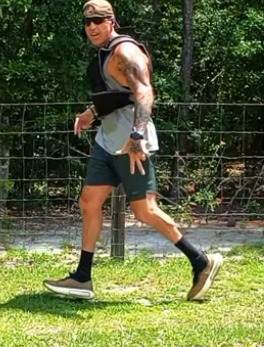
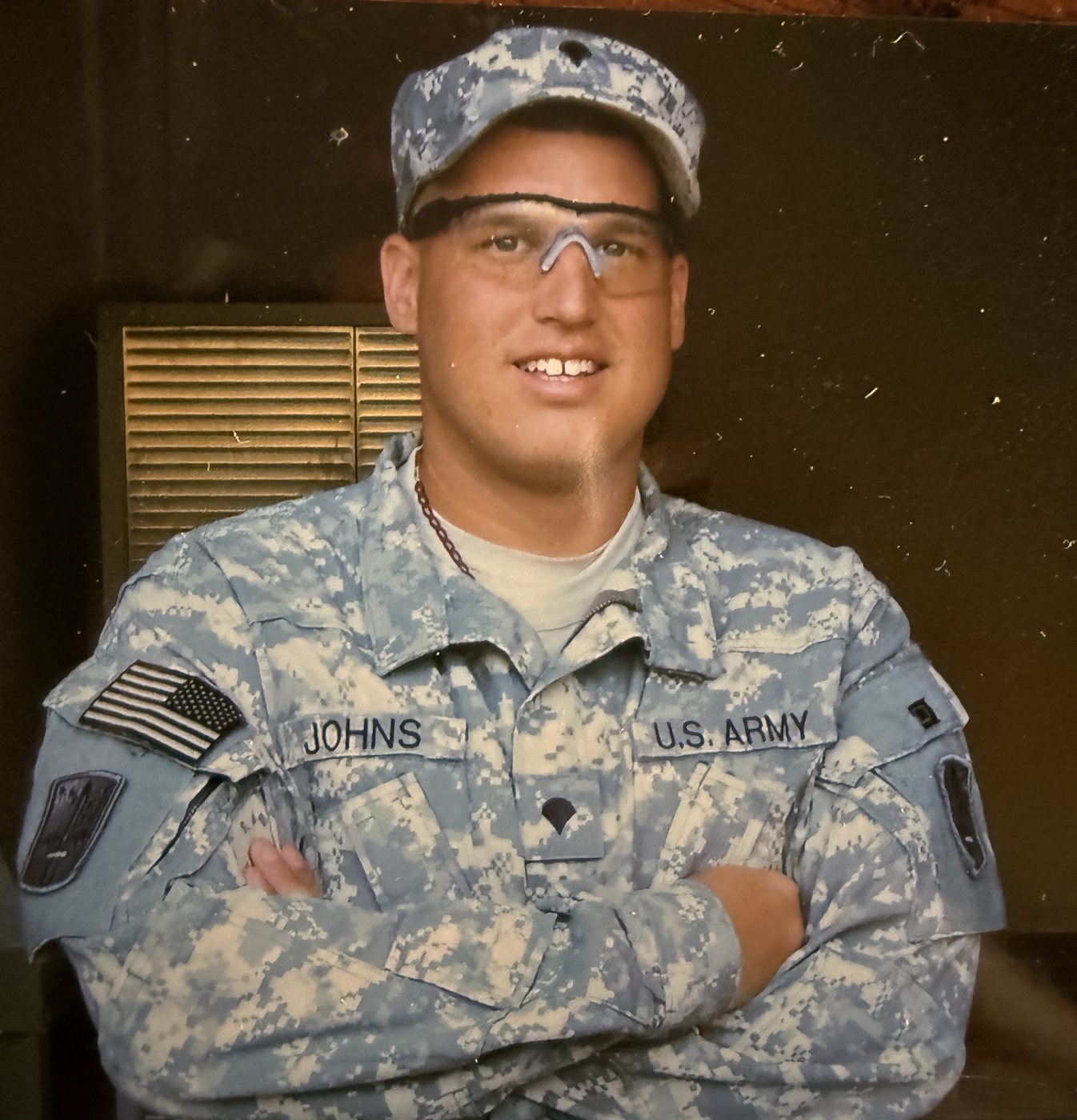
Yes, it can. Many children treated for clubfoot function very well, but some people continue to notice differences as they grow. That may include a smaller foot, smaller calf, stiffness, reduced ankle motion, shoe-fit problems, fatigue, pain, or altered mechanics. Some of those issues may be mild. Others may become more noticeable with sports, long walking days, military service, physically demanding jobs, or adulthood.
This is where Clubfoot Forward’s broader perspective matters. A child may look “fine” in a quick exam but still grow into a body that has to manage stiffness, asymmetry, or compensation. That does not mean parents should worry about adulthood while still learning how to survive the newborn phase. It means long-term follow-up and honest function-based thinking are valuable.
Some children have few limits.
Many kids walk, play, and participate normally after treatment. Parents should not assume a poor outcome just because the diagnosis sounds serious.
Some develop altered mechanics.
Stiffness, asymmetry, calf-size differences, and reduced motion can affect how the body moves, especially under fatigue or higher demand.
Follow-up should be functional.
Parents should ask not only how the foot looks, but how the child walks, wears shoes, handles activity, and responds as demands increase.
Parent Questions
What Should Parents Ask About Seriousness?
You do not need to become an orthopedic specialist overnight. You just need clear questions that help you understand the plan. The right questions can turn a scary diagnosis into a practical sequence: evaluate, treat, brace, monitor, and adjust when needed.
Bring these questions to your pediatrician or pediatric orthopedic specialist. Write them down before the appointment, because newborn-parent brain is not exactly known for its courtroom-level recall.
How severe does the clubfoot appear?
Ask whether the foot seems mild, moderate, severe, flexible, or rigid. Also ask how the provider judges severity and what that means for treatment.
Does it look isolated?
Ask whether the clubfoot appears to be the only finding or whether anything suggests a broader condition. This helps clarify whether more evaluation is needed.
When should treatment begin?
Ask when casting should start, how often appointments happen, and what the first phase of treatment will look like.
Is Achilles tenotomy likely?
Many babies need this procedure during Ponseti treatment. Ask whether it is expected, what it involves, and how the cast and recovery phase work afterward.
What is the bracing plan?
Ask how many hours per day the brace will be worn, how long bracing usually continues, how fit is checked, and what to do if the baby struggles.
What relapse signs should we watch for?
Ask what the foot may look like if relapse begins, what changes in walking or brace fit matter, and when to call for follow-up.
The useful lane is this: clubfoot is serious enough to deserve early specialist care, but treatable enough that parents should not hear the diagnosis as a life sentence.
Get the plan. Understand the brace. Watch for relapse. Ask better questions. Then keep going one step at a time, which is basically parenting, except now with tiny casts and more Velcro.
Frequently Asked Questions
How serious is clubfoot?
Clubfoot is serious enough to need early treatment and follow-up, but it is not automatically catastrophic. Many babies do very well with treatment, especially when care begins early and bracing is followed as prescribed.
Is clubfoot an emergency?
Clubfoot is usually not an emergency in the sense of needing treatment the same day the baby is born. However, it should not be ignored. Parents should arrange pediatric orthopedic evaluation early so casting and treatment planning can begin at the appropriate time.
What makes clubfoot more serious?
Clubfoot may be more serious when it is very rigid, affects both feet, is part of another medical condition, responds poorly to casting, relapses repeatedly, causes pain or functional limits, or requires more complex treatment.
Can clubfoot become serious if untreated?
Yes. Untreated clubfoot can cause major walking difficulty, abnormal weight-bearing, pain, shoe problems, skin problems, and long-term disability. Treatment is important because clubfoot does not usually correct on its own.
Does clubfoot always affect long-term function?
Not always. Many children treated early have good function. Some people still experience stiffness, calf-size differences, shoe-fit issues, relapse, pain patterns, or altered mechanics later in life. Long-term outcome depends on the individual case and follow-up.
What should parents ask after a clubfoot diagnosis?
Parents should ask how severe the clubfoot appears, whether it looks isolated, when treatment should begin, whether Achilles tenotomy is likely, what the bracing plan will involve, what relapse signs to watch for, and when to follow up with a pediatric orthopedic specialist.
Critical Educational Disclaimer
This page is educational only. It does not diagnose your baby, replace pediatric care, replace orthopedic evaluation, or determine the severity, prognosis, or treatment plan for your child’s clubfoot.
If your baby has clubfoot, work with your pediatrician, pediatric orthopedic specialist, and any recommended specialists to understand severity, treatment timing, bracing, relapse risk, and long-term follow-up.