Military Boots • Rucking • Load Bearing • Altered Mechanics • Clubfoot

Military Boots and Load Bearing With Altered Mechanics

Military boots and load bearing can expose altered mechanics faster than almost anything else in service. A person may function well in civilian shoes, pass a run, and still struggle when the demands change to stiff boots, long standing, uneven terrain, rucking, heat, moisture, pressure points, and repeated hard days.

This page is for people with clubfoot, ankle fusion, structural foot differences, limb asymmetry, prior orthopedic surgery, altered gait, chronic compensation, or limited range of motion who are trying to understand whether their body can tolerate military footwear and load carriage.

The key issue is not whether someone can tolerate boots for one afternoon. The real question is whether their feet, ankles, gait, skin, joints, and recovery can tolerate boots and load repeatedly without predictable breakdown.

Boot tolerance is not a comfort detail. In the military, it can become a readiness issue.

Boots Change Mechanics

Military boots can alter ankle motion, foot pressure, stride, skin stress, and fatigue patterns, especially for people with structural or surgical foot histories.

Load Changes Everything

Rucks, armor, gear, weapons, and long movement days increase force through the feet, ankles, knees, hips, back, and compensating structures.

Recovery Tells the Truth

The body may survive the movement itself, then reveal the real cost through swelling, limping, skin breakdown, joint pain, or next-day loss of function.

Plain-Language Summary

Boots and load bearing matter because military service does not let you always choose ideal shoes, ideal surfaces, ideal distances, ideal recovery, or ideal timing.

With altered mechanics, a small difference can become a major issue under repetition. Limited ankle motion, clubfoot shape, fused joints, scars, hardware, calf weakness, altered gait, or limb asymmetry can all change how the body handles boots, rucks, standing, marching, and uneven ground.

The military question is not only whether you can walk in boots. It is whether you can wear them for long periods, carry load, move under fatigue, avoid skin breakdown, recover, and repeat the work.

Why Boots Matter

Military Boots Are Not Just Shoes

For many people, shoes are a preference. For military service, boots are part of the job. They must support training, duty, field work, weather, terrain, uniform requirements, and long days.

Military boots are often stiffer, heavier, hotter, and less forgiving than normal running shoes. They can restrict motion, create pressure, change foot strike, increase rubbing, and expose shape differences that civilian footwear hides.

For someone with altered mechanics, this can matter quickly. A foot that feels manageable in a flexible running shoe may feel trapped, rubbed, overloaded, or unstable in a boot.

Altered Mechanics

Why Altered Mechanics Make Boots More Complicated

Altered mechanics means the body does not move, load, or recover exactly like the standard reference model. Military boots can magnify that difference because they change the interface between the foot and the ground.

  • Clubfoot may create foot-shape differences, calf differences, altered push-off, and fit issues.
  • Ankle fusion or triple arthrodesis may limit motion that boots already restrict further.
  • Limited dorsiflexion can change stride, hill tolerance, squatting, marching, and load carriage.
  • Scars or bony areas may rub under stiff materials or seams.
  • Limb asymmetry may increase uneven pressure and fatigue.
  • Prior surgery or hardware may create pressure sensitivity.
  • Altered gait may worsen when boots reduce adaptability.
Read the Gait & Compensation Hub

The Boot Test Is Really a System Test

Boots test more than the foot.

They test ankle motion, skin tolerance, gait strategy, calf endurance, knee compensation, hip stability, back tolerance, balance, recovery, and whether the person can keep moving when conditions are not ideal.

Load Bearing

Load Bearing Changes the Cost of Every Step

Load bearing means carrying weight while moving or standing. In the military, that may include a ruck, body armor, helmet, weapon, water, ammunition, tools, equipment, or job-specific gear.

Load changes the body’s mechanics. It can shorten stride, increase ground force, change posture, increase foot pressure, stress the knees and hips, and make existing compensation patterns more expensive.

For altered mechanics, the same load can be experienced very differently than it is by someone with typical foot and ankle mechanics.

  • More weight means more pressure through the foot and ankle.
  • More fatigue means compensation may become more visible.
  • More repetition means small inefficiencies can become painful.
  • More terrain variation means limited motion may be exposed.
  • More heat and moisture means skin problems may appear faster.

Rucking

Rucking With Altered Mechanics

Rucking is not simply walking with a backpack. It is repeated loaded walking under time, terrain, posture, footwear, and fatigue demands.

Someone with altered mechanics may tolerate unloaded walking but struggle once weight is added. The load may change how the foot lands, how the ankle moves, how the knees track, how the hips stabilize, and how the back absorbs stress.

For clubfoot, fusion, limited ankle motion, limb asymmetry, or altered gait, rucking may expose problems that normal running or gym training does not.

Foot Pressure

Load increases pressure under the foot and can make deformity, scars, pressure points, or fit problems more obvious.

Ankle Demand

Terrain and load can demand motion and control from an ankle that may already be stiff, fused, or limited.

Compensation Cost

A compensation pattern that works unloaded may become painful or inefficient when load and fatigue are added.

Recovery Cost

The real issue may show after the ruck: swelling, limping, back pain, knee pain, or next-day loss of function.

Clubfoot

Military Boots With Clubfoot

Clubfoot can make military boots complicated because treated clubfoot does not always leave a typical foot shape, typical ankle motion, typical calf strength, or typical push-off.

Some people with clubfoot tolerate boots well. Others struggle with pressure, stiffness, rubbing, toe box fit, heel position, altered gait, or pain after long wear.

The key question is not whether the boot can physically go on the foot. The question is whether the person can train, stand, march, carry load, and recover while wearing it.

  • Does the boot rub scars or bony areas?
  • Does the foot sit correctly inside the boot?
  • Does the heel slip or lock incorrectly?
  • Does the toe box compress a rotated or shaped foot?
  • Does stiffness increase pain or change gait?
  • Does the boot cause blisters, calluses, or skin breakdown?
Read Clubfoot and Military Service

Fusion and Stiffness

Boots, Fusion, and Limited Ankle Motion

Ankle fusion, triple arthrodesis, or limited dorsiflexion can make boots more difficult because boots already reduce available motion. When the body has less motion to begin with, the boot may remove even more adaptability.

That may affect hills, stairs, squatting, kneeling, running, marching, and uneven ground. If the ankle cannot adapt, the body may borrow motion from the knee, hip, back, opposite side, or midfoot.

Sometimes that compensation works. Sometimes it becomes painful under load.

Coming Soon: Joint Fusion and Military Service

The Problem Is Often Not the First Mile

Many altered-mechanics problems do not show immediately.

The first mile may feel fine. The problem may appear at mile three, after the fifth day in boots, during a long field event, after a ruck, or the next morning when swelling and gait changes show up.

That is why military readiness has to include repetition, recovery, and time under load.

Skin and Pressure

Skin Breakdown Can Become a Service Problem

Skin problems may sound minor until they stop movement. Blisters, ulcers, rubbing, calluses, hot spots, pressure wounds, and scar irritation can become serious when a person cannot simply stop wearing the boot.

Altered foot shape, scars, hardware, limited motion, and uneven pressure can all increase skin risk. Heat, moisture, long wear time, and friction make the problem worse.

For military service, repeated skin breakdown is not just uncomfortable. It can interfere with training, marching, field conditions, deployment, and duty performance.

  • Watch for repeated hot spots in the same location.
  • Do not ignore rubbing over scars or hardware.
  • Pay attention to skin changes after long wear.
  • Track whether load makes pressure points worse.
  • Seek medical guidance for wounds, ulcers, or recurring breakdown.

Testing Tolerance

How to Think About Boot and Load Tolerance Before Service

This is not a training plan. It is a way to think honestly about whether boots and load are revealing problems you need to address before pursuing military service.

Time in Boots

Can you wear structured footwear for hours without rubbing, swelling, limping, or skin breakdown?

Walking Distance

Can you walk longer distances without pain spreading into the ankle, knee, hip, back, or opposite side?

Load Progression

Does adding weight quickly change gait, pressure, pain, or recovery?

Terrain

Does uneven ground expose stiffness, instability, limited motion, or balance problems?

Next-Day Recovery

Can you function normally the next day, or do you limp, swell, compensate, or need extended recovery?

Repeatability

Can you repeat boot and load exposure several times, or does each exposure create a larger cost?

Warning Signs

Boot and Load Warning Signs You Should Not Ignore

These signs do not automatically mean military service is impossible, but they do mean the issue should be taken seriously before training or waiver pursuit.

  • Recurring blisters, ulcers, or skin breakdown
  • Swelling after boot wear or loaded walking
  • New or worsening limp after rucking or marching
  • Pain that changes gait or posture
  • Pressure over scars, hardware, or bony areas
  • Foot numbness, burning, or nerve-type symptoms
  • Knee, hip, back, or opposite-limb pain after load
  • Instability on uneven terrain
  • Need for multiple days of recovery after normal load
  • Reliance on pain medication to tolerate routine boot wear

If these problems show up before service, military stress may make them harder to manage.

Waivers

Why Boot and Load Evidence Can Matter in a Waiver Packet

A waiver packet for altered mechanics is stronger when it shows real-world function, not just clean wording.

For foot, ankle, clubfoot, fusion, or gait histories, evidence that the applicant can tolerate structured footwear, long standing, walking, running, and load without breakdown may support the functional picture.

It does not guarantee approval. But it may help show whether the condition is stable, understood, and less likely to interfere with service.

  • Documented work history involving long standing or walking
  • Sports or training history without recurring foot problems
  • Hiking, loaded walking, or structured fitness history
  • Current clinician notes about footwear tolerance and restrictions
  • Absence of repeated skin breakdown or flare-ups
Read the Military Waiver Guide

Fitness

Boots and Load Are Part of Military Fitness

Military fitness is not only push-ups, sit-ups, planks, deadlifts, or timed runs. It is also the ability to move under military conditions.

For altered mechanics, a person may be strong in the gym but still struggle under boots and load. That does not make them weak. It means their system may have a specific tolerance limit that needs to be understood.

Fitness preparation should include the realities of the job being pursued, not only the test events.

Read Military Fitness With Altered Mechanics

Parents and Teens

What Parents and Teens Should Understand About Boots and Load

Parents may focus on whether a child with clubfoot can run or play sports. That matters, but military service adds another layer: boots, load, long days, field movement, and recovery.

If a teenager wants military service, it may help to learn early whether structured footwear, long standing, hiking, and loaded movement create problems. This should be done safely and with medical guidance when needed, not as a reckless test of toughness.

The goal is to protect options while respecting the body.

Coming Soon: Questions Before Pursuing Military Service

Lived Experience

Clubfoot Forward Perspective

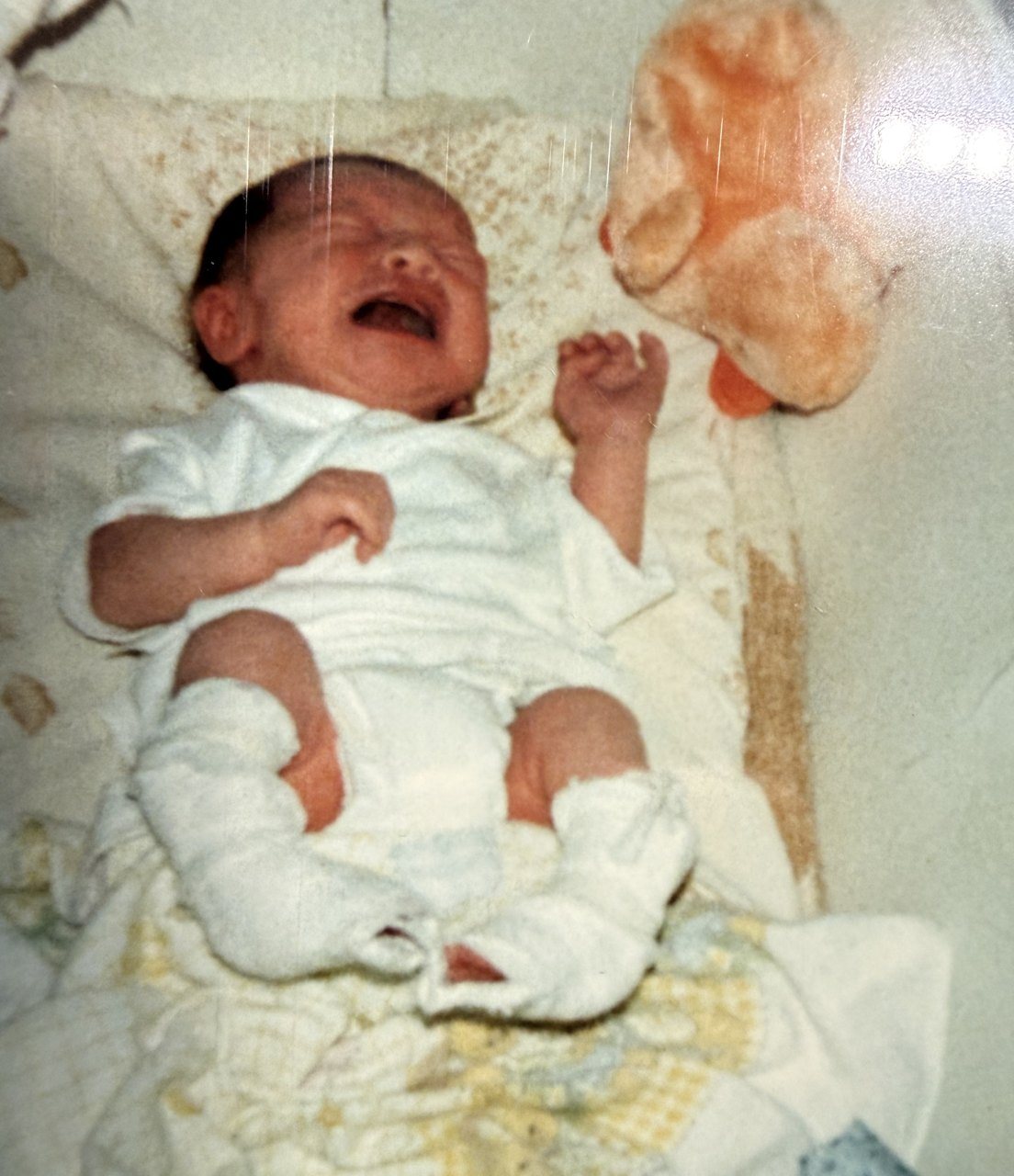
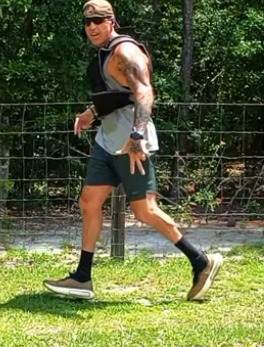
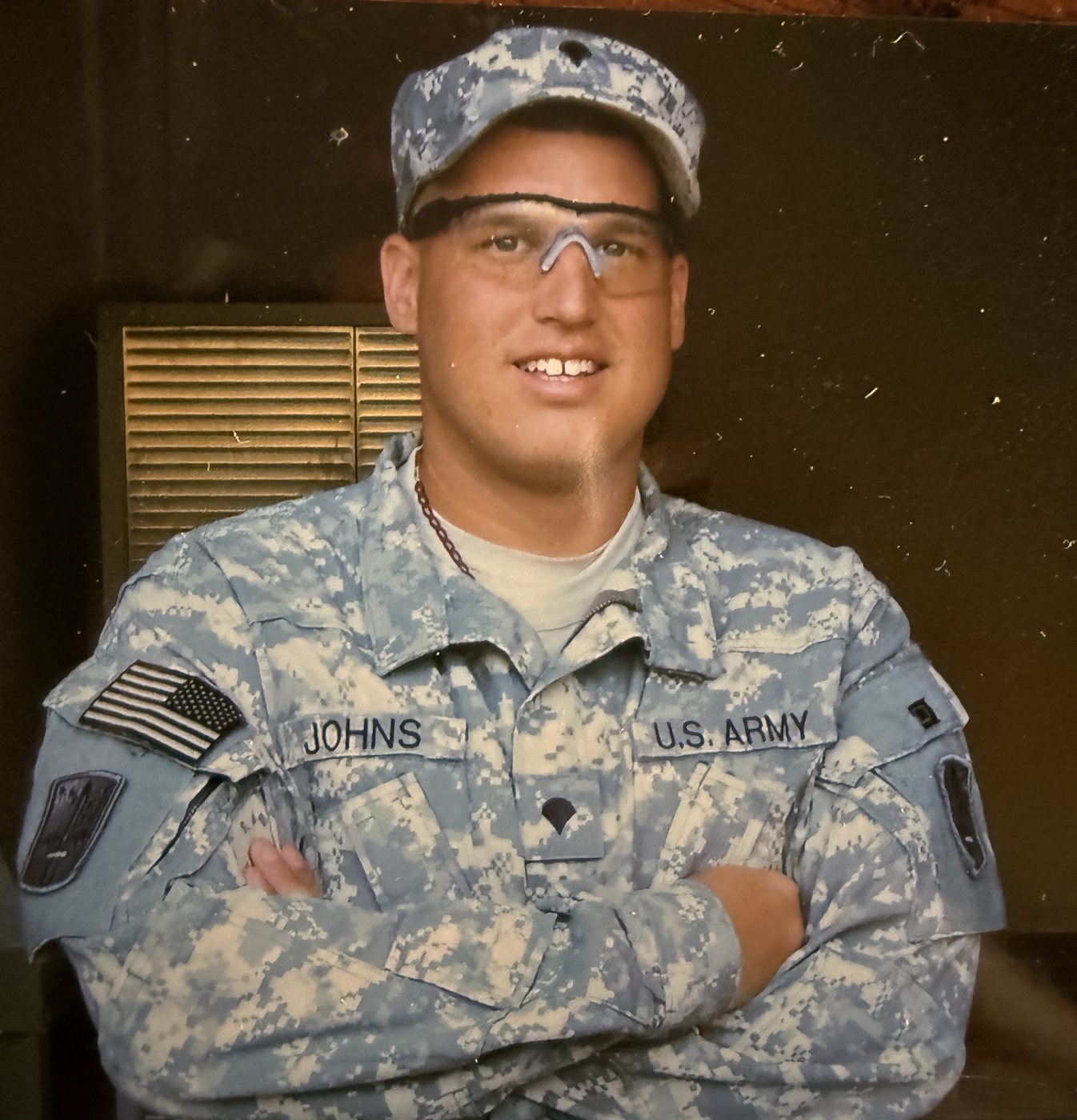
I served nearly nine years on active duty after being born with bilateral congenital clubfoot. My experience does not mean everyone with clubfoot or altered mechanics can tolerate boots and load. It means I understand how different military stress is from normal life.

Boots, standing, field conditions, rucks, long days, and repeated fatigue reveal things that a short medical exam or one workout may not show.

If you are pursuing service with altered mechanics, respect the boot and load problem early. It is not a small detail.

Coming Soon: My Military Story With Clubfoot

Related Resources

Where This Boots and Load Guide Fits

Military Hub

The parent hub for military service, altered mechanics, MEPS, waivers, fitness, boots, deployment, and retention.

Return to Military Hub

Military Fitness

Running, rucking, boots, PT tests, recovery, load bearing, and readiness with altered mechanics.

Read Fitness Guide

Clubfoot and Military Service

Clubfoot-specific eligibility, MEPS, waivers, boots, PT, running, and service reality.

Read Clubfoot Military Guide

MEPS Medical Review

How MEPS may review altered mechanics, records, surgery history, gait, and current function.

Read MEPS Guide

Military Waivers

How waiver packets may use records, function evidence, and service-specific risk review.

Read Waiver Guide

Gait & Compensation

Background on altered mechanics, compensation, fatigue, asymmetry, and movement strategy.

Read Gait & Compensation

Common Questions About Military Boots and Load Bearing

Why do military boots matter with altered mechanics?

Boots can change motion, pressure, gait, skin stress, and fatigue. For altered mechanics, those changes can expose problems that normal shoes do not.

Can you wear military boots with clubfoot?

Some people with clubfoot tolerate boots well, while others struggle with pressure, rubbing, foot shape, stiffness, pain, or skin breakdown. Current function and boot tolerance matter most.

Is rucking harder with clubfoot or altered mechanics?

It can be. Load carriage can increase foot pressure, change gait, stress the knees and hips, and expose compensation patterns that are manageable without load.

Can ankle fusion affect military boots and rucking?

Yes. Fusion or limited ankle motion can change how the body handles boots, hills, stairs, uneven terrain, squatting, marching, and load bearing.

Do blisters and skin breakdown matter for military service?

Yes. Repeated skin breakdown can interfere with training, field movement, deployment, and duty performance.

Can boot tolerance help a waiver packet?

It may help support the functional picture if it shows the applicant can tolerate structured footwear, long standing, walking, and load without recurring breakdown. It does not guarantee approval.

Should I test rucking aggressively before MEPS?

No. Build gradually and safely. Pain, swelling, skin breakdown, or gait changes should be treated as useful warning information, not something to ignore.

Is this official military guidance?

No. This page is educational and does not replace official guidance from recruiters, MEPS staff, service policies, waiver authorities, or qualified medical professionals.

Critical Military and Medical Disclaimer

This page is for education and discussion only. It is not medical advice, legal advice, recruiting advice, physical therapy instruction, training prescription, waiver advice, or an official military determination.

Always follow current guidance from your recruiter, MEPS medical staff, service waiver authority, physician, physical therapist, orthopedist, podiatrist, sports medicine clinician, or other qualified medical professional. Do not hide medical history, surgery history, pain, braces, orthotics, limitations, or treatment records.

© 2026 Clubfoot Forward | Military boots and load bearing, altered mechanics, clubfoot, rucking, footwear tolerance, skin breakdown, gait compensation, load carriage, military fitness, and readiness.