Deployment • Field Conditions • Altered Mechanics • Clubfoot • Real-World Readiness

Deployment and Field Conditions With Altered Mechanics

Deployment and field conditions are where altered mechanics stop being a controlled training question and become a real-world durability question. A person may function well at home, pass fitness tests, and tolerate normal training, but still struggle when the environment becomes unpredictable.

Clubfoot, ankle fusion, structural foot differences, prior orthopedic surgery, altered gait, limb asymmetry, chronic compensation, limited range of motion, or recurring pain can all behave differently under heat, cold, terrain, long hours, gear, poor sleep, limited recovery, and repeated duty demands.

This guide explains why field conditions matter, how deployment can expose altered mechanics, what warning signs deserve attention, and why getting into the military is not the same as staying functional in the military.

Controlled fitness asks what you can do once. Field conditions ask what your body can keep doing when control disappears.

Environment

Terrain, heat, cold, wet conditions, dust, hard surfaces, uneven ground, and limited footwear flexibility can all change how altered mechanics behave.

Repetition

Field conditions are not one workout. They are repeated days of standing, walking, loading, recovery debt, and limited control over rest.

Readiness

The military question is whether the body can remain useful, safe, and deployable when conditions are not ideal.

Plain-Language Summary

Field conditions matter because military service does not happen only in gyms, clinics, clean tracks, or controlled training environments.

A person with altered mechanics may handle normal civilian life and still struggle when the environment changes: boots all day, gear, long standing, heat, wet feet, uneven ground, repeated load, limited sleep, and reduced recovery.

Deployment does not automatically mean combat. It can mean distance from usual care, unfamiliar terrain, harder work cycles, different footwear demands, less recovery, and fewer options when pain or skin problems start.

For altered mechanics, the issue is not toughness. It is repeatable function under real conditions.

Field Reality

Why Field Conditions Are Different From Training at Home

At home, you can often control the variables. You can choose shoes, stop when pain rises, change surfaces, schedule rest, use recovery tools, adjust activity, and seek care quickly.

In the field, those options may shrink. You may be in boots all day, carrying gear, standing on hard surfaces, walking uneven terrain, sleeping poorly, working odd hours, and repeating the same stress before your body fully recovers.

That difference matters for altered mechanics because compensation often becomes more expensive when fatigue, load, and environment stack together.

Altered Mechanics

How Altered Mechanics Can Break Down Under Field Stress

Altered mechanics can be stable in normal life and unstable under field stress. The body may compensate well until the system is overloaded.

Field conditions can expose:

  • Limited ankle motion during uneven terrain, hills, stairs, or repeated squatting
  • Clubfoot-related foot pressure, boot fit problems, or altered push-off
  • Fusion-related stiffness that shifts stress into nearby joints
  • Limb asymmetry that worsens under load or fatigue
  • Gait compensation that becomes more visible after long days
  • Skin breakdown from boots, heat, moisture, and pressure points
  • Knee, hip, back, or opposite-limb pain from repeated compensation
  • Recovery failure after repeated days of duty
Read the Gait & Compensation Hub

Deployment Is a Systems Test

Deployment and field conditions test the whole system: feet, ankles, knees, hips, back, skin, footwear, sleep, recovery, load tolerance, and the ability to keep functioning when conditions are not chosen by you.

Boots and Terrain

Boots, Terrain, and Repeated Movement

Boots and terrain are two of the biggest field multipliers. Boots can restrict motion and create pressure. Terrain can demand more adaptability from the foot and ankle. Together, they may expose limits that do not show up during normal gym or road training.

Uneven ground, gravel, mud, slopes, stairs, sand, wet surfaces, and hard floors can all affect altered mechanics differently. A fused ankle, stiff foot, clubfoot shape, or asymmetrical gait may work on flat ground but struggle when the ground changes.

Repetition is the difference. One hard surface day may be manageable. Weeks of hard surfaces, boots, and limited recovery may not be.

Read Military Boots and Load Bearing

Load and Gear

Gear Load Can Turn a Manageable Gait Into a Costly One

Load changes movement. Body armor, rucks, helmets, weapons, tools, and job-specific gear can change posture, stride, foot pressure, balance, and fatigue.

For altered mechanics, adding load can turn a functional compensation pattern into a costly one. A gait strategy that works unloaded may begin shifting stress into the knee, hip, back, opposite limb, or soft tissue when load is added.

This is why military readiness is not only about whether someone can pass a normal run. Load-bearing tasks may reveal the true limit.

Read Military Fitness With Altered Mechanics

Recovery Debt

Field Conditions Can Remove Recovery Control

Recovery is one of the biggest differences between civilian training and military field conditions. In civilian life, soreness or pain may lead someone to rest, change shoes, ice, elevate, stretch, see a clinician, or modify training.

In the field, the mission, schedule, duty day, or training environment may not care that your ankle, foot, hip, or back needs more time.

For altered mechanics, this matters because the body may need more recovery after repeated compensation. When recovery is compressed, the cost can accumulate.

  • Minor pain becomes persistent pain.
  • A small limp becomes a normal gait pattern.
  • Skin irritation becomes skin breakdown.
  • Compensation spreads into the knee, hip, or back.
  • Fatigue changes foot placement and balance.
  • Recovery debt becomes reduced readiness.

Clubfoot

Deployment and Field Conditions With Clubfoot

Clubfoot can be stable in normal life and still become more difficult under military field conditions. Treated clubfoot may still involve reduced ankle motion, altered foot shape, calf differences, stiffness, scars, pain, shoe-fit issues, or compensation.

During deployment or field training, those issues may show through boots, long standing, hot spots, swelling, altered gait, limited recovery, and load-bearing fatigue.

Some people with clubfoot may tolerate military service well. Others may discover that field demands reveal limitations that were not obvious in controlled settings.

Read Clubfoot and Military Service

Skin and Foot Care

Skin Problems Matter More in Field Conditions

Field conditions can make skin problems worse because boots may stay on longer, feet may stay wet or hot, socks may not be ideal, and pressure points may repeat day after day.

For altered mechanics, skin problems may happen over scars, bony areas, rotated foot positions, hardware, callus zones, or areas that take abnormal pressure.

Blisters, ulcers, pressure wounds, and recurring hot spots can become readiness problems if they stop walking, marching, standing, or duty performance.

  • Track hot spots early.
  • Do not ignore repeated rubbing in the same place.
  • Watch scar tissue and bony areas carefully.
  • Take wet feet and moisture seriously.
  • Seek medical care for wounds, drainage, infection signs, or recurring breakdown.

Small Problems Become Bigger When You Cannot Stop

In normal life, a blister, sore ankle, or irritated scar might be annoying. In field conditions, the same issue can become serious because stopping may not be an option.

Warning Signs

Field Condition Warning Signs You Should Not Ignore

These signs do not automatically mean someone cannot serve, but they should be taken seriously before and during military service.

  • New limp after field training or long duty days
  • Swelling that does not resolve with normal recovery
  • Recurring blisters, wounds, or pressure areas
  • Pain that moves into the knee, hip, back, or opposite limb
  • Instability on uneven terrain
  • Foot numbness, burning, or nerve-type symptoms
  • Repeated need to modify duties because of lower-limb pain
  • Gait collapse after load-bearing tasks
  • Several days of reduced function after routine field activity
  • Worsening pain despite reduced activity

In service, report problems through the proper medical channels. Before service, take these signs as information about whether the body is ready for the demands ahead.

Before Service

How to Think About Field Readiness Before You Join

This is not a training prescription. It is a readiness framework for applicants with altered mechanics.

Before pursuing military service, consider whether your body can handle controlled versions of field demands:

  • Long walking days
  • Structured footwear for extended periods
  • Uneven terrain
  • Heat, moisture, or hard surfaces
  • Load progression
  • Repeated activity on back-to-back days
  • Recovery without swelling, limping, or pain escalation

If those controlled tests repeatedly cause breakdown, the uncontrolled military version may be a serious problem.

Waiver and Documentation

Why Field Tolerance Can Matter in a Waiver Picture

Waiver review is not only about whether an applicant can perform one event. It is about whether the service is willing to accept the medical risk of that applicant entering training and duty.

For altered mechanics, evidence that the applicant can tolerate boots, walking, standing, load, sports, work, or physical training without recurring breakdown may help show current function.

This does not guarantee approval. But it may help the service understand whether the condition is stable and whether the applicant has already tested their body under relevant stress.

Read the Military Medical Waiver Guide

Getting In vs Staying In

Deployment Risk Is Part of the Bigger Retention Question

Military entry is one step. Staying in, deploying, working through physical problems, receiving profiles, and facing possible medical-board review are different steps.

An applicant may be accepted but later discover that deployment or field conditions create recurring problems. Another person may serve for years with altered mechanics and remain highly functional.

The difference often comes down to severity, role, preparation, support, recovery, and how the body responds under repeated real-world stress.

Coming Soon: Military Retention and Medical Boards

Parents and Teens

What Parents and Teens Should Understand About Field Conditions

Parents often focus on whether a child with clubfoot or altered mechanics can run, play sports, or pass a fitness test. Those are important, but military field conditions add different demands.

If a teen wants military service, it is useful to understand boots, terrain, standing tolerance, recovery, heat, skin issues, and load-bearing tolerance early.

The goal is not to create fear. The goal is to build honest readiness and avoid treating one successful run as proof that the body can handle every military environment.

Coming Soon: Questions Before Pursuing Military Service

Lived Experience

Clubfoot Forward Perspective

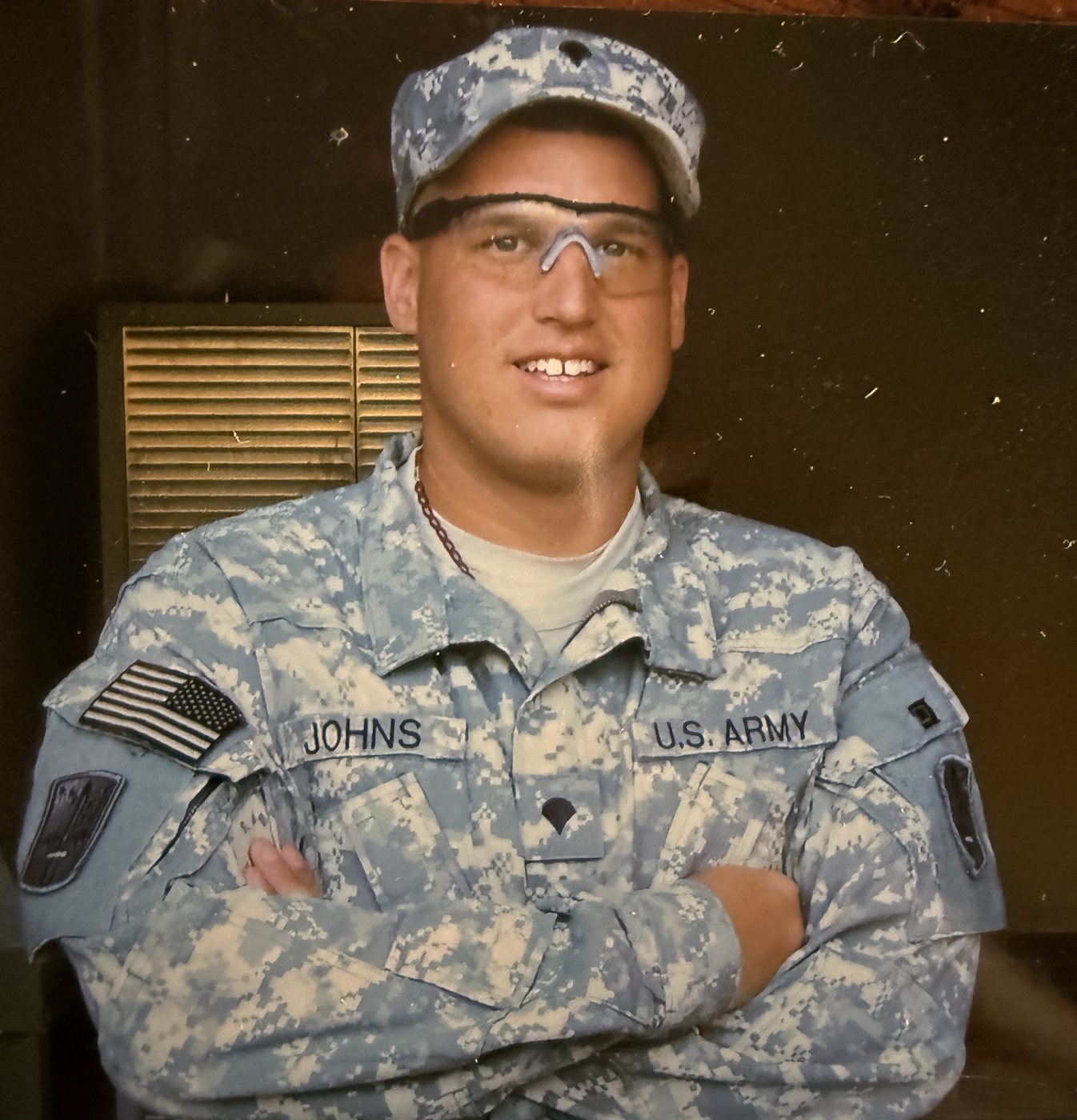
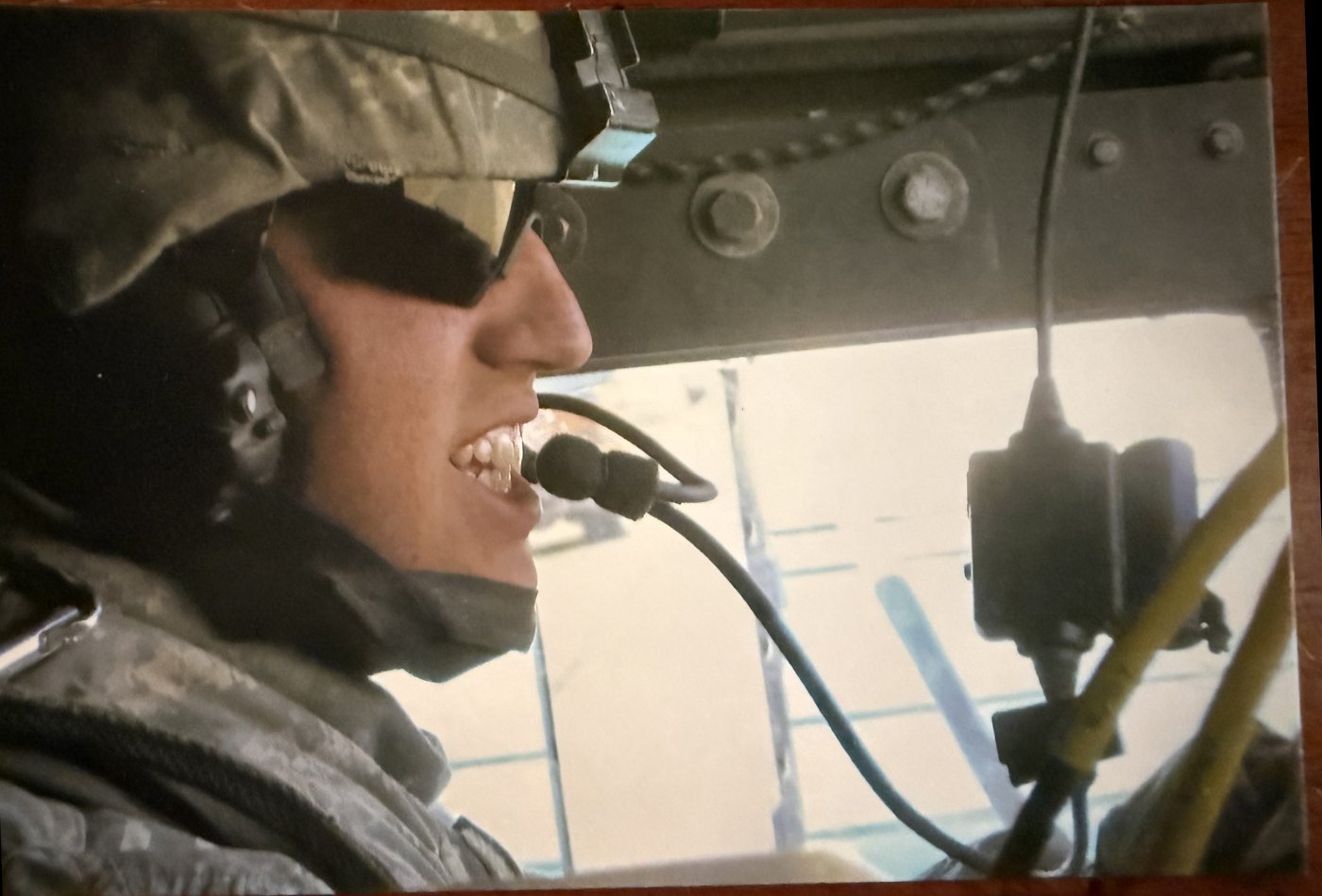
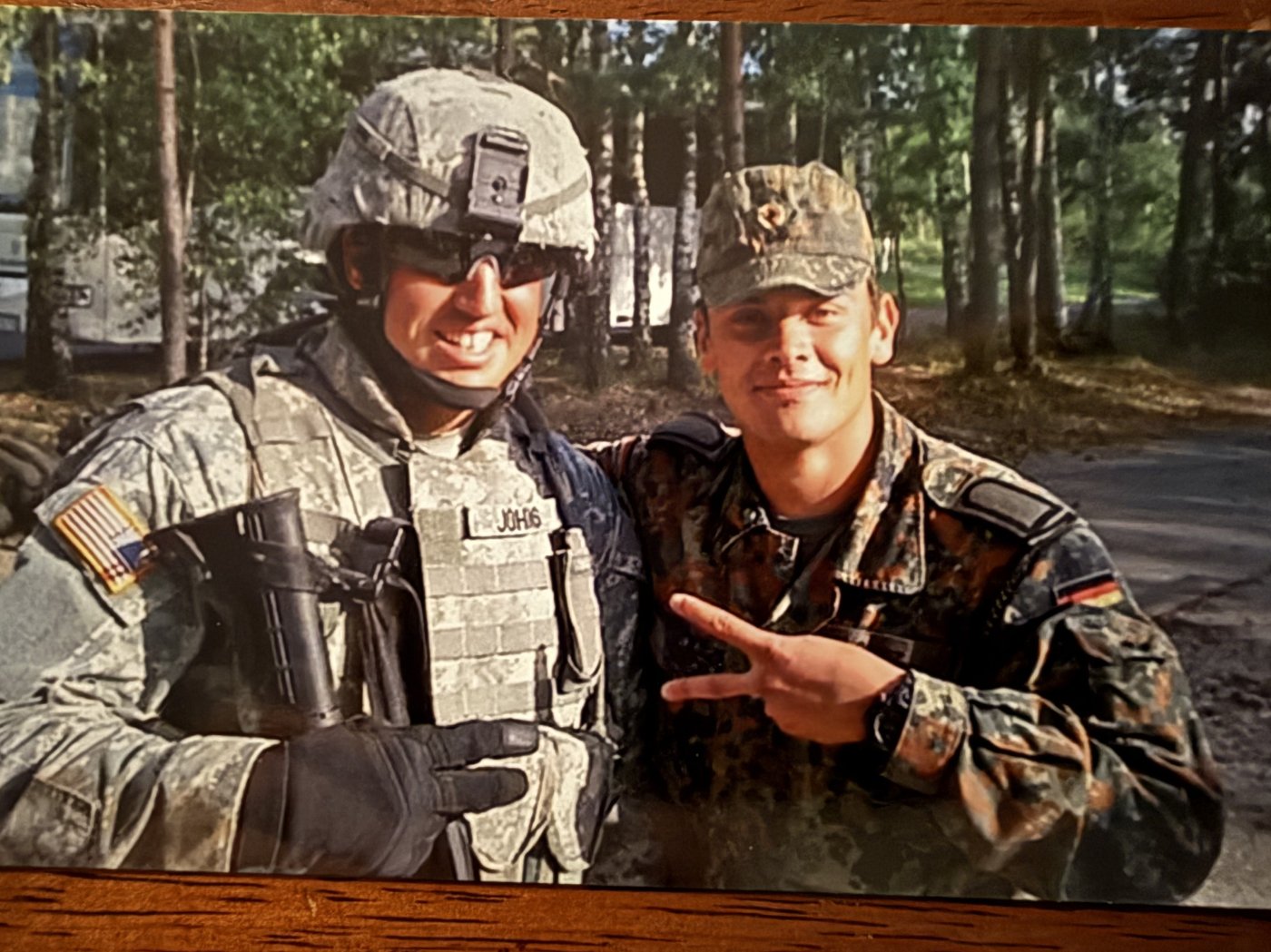
I served nearly nine years on active duty after being born with bilateral congenital clubfoot. My experience does not mean every person with clubfoot or altered mechanics can serve or deploy. It means I understand how quickly the environment can change the question.

A controlled run, a good gym session, or a normal workday does not fully represent military conditions. Boots, load, fatigue, heat, terrain, and recovery debt can expose altered mechanics in a way normal life does not.

If you are pursuing service, respect the field environment before it tests you for real.

Coming Soon: My Military Story With Clubfoot

Related Resources

Where This Field Conditions Guide Fits

Military Hub

The parent hub for military service, altered mechanics, MEPS, waivers, fitness, boots, deployment, and retention.

Return to Military Hub

Military Boots and Load Bearing

Boots, rucking, load carriage, foot pressure, skin breakdown, and gait compensation.

Read Boots and Load Guide

Military Fitness

Running, rucking, PT tests, recovery, load bearing, and readiness with altered mechanics.

Read Fitness Guide

Clubfoot and Military Service

Clubfoot-specific eligibility, MEPS, waivers, boots, PT, running, and service reality.

Read Clubfoot Military Guide

Military Waivers

How waiver packets may use records, function evidence, and service-specific risk review.

Read Waiver Guide

Gait & Compensation

Background on altered mechanics, compensation, fatigue, asymmetry, and movement strategy.

Read Gait & Compensation

Common Questions About Deployment and Field Conditions

Why do field conditions matter with altered mechanics?

Field conditions add terrain, boots, load, fatigue, weather, limited recovery, and repeated stress. These factors can expose problems that normal training does not.

Can someone with clubfoot deploy?

Some people with a history of clubfoot may serve and deploy, while others may not be medically qualified or may develop limitations. The answer depends on current function, role, medical status, and military review.

Can deployment make altered mechanics worse?

It can increase stress on an already altered system. Boots, terrain, load, fatigue, and limited recovery may worsen pain, gait compensation, skin problems, or joint stress in some people.

Do boots and rucks matter more in the field?

Yes. Long wear time, gear load, heat, moisture, terrain, and repeated days can make boots and rucks much more demanding than short training sessions.

What field warning signs should I take seriously?

New limp, recurring swelling, skin breakdown, pain spreading to other joints, instability, numbness, or several days of reduced function after normal field activity should be taken seriously.

Can field tolerance help a waiver packet?

It may help support the functional picture when documented honestly, but it does not guarantee waiver approval.

Is getting into the military the same as being deployable?

No. Accession, retention, deployment readiness, profiles, and medical-board issues are related but different parts of the military medical system.

Is this official military guidance?

No. This page is educational and does not replace official guidance from recruiters, military medical staff, command channels, waiver authorities, or qualified medical professionals.

Critical Military and Medical Disclaimer

This page is for education and discussion only. It is not medical advice, legal advice, recruiting advice, deployment guidance, physical therapy instruction, training prescription, waiver advice, or an official military determination.

Always follow current guidance from your recruiter, MEPS medical staff, service waiver authority, chain of command, military medical staff, physician, physical therapist, orthopedist, podiatrist, sports medicine clinician, or other qualified medical professional. Do not hide medical history, surgery history, pain, braces, orthotics, limitations, or treatment records.

© 2026 Clubfoot Forward | Deployment and field conditions with altered mechanics, clubfoot, boots, load bearing, terrain, recovery, gait compensation, skin breakdown, military fitness, and readiness.