Retention • Profiles • MEB • PEB • Deployability • Altered Mechanics

Military Retention and Medical Boards With Altered Mechanics

Getting into the military and staying medically qualified to continue serving are not the same question. A person may pass MEPS, receive a waiver, complete training, deploy, and serve successfully for years before altered mechanics, chronic pain, injury, surgery history, or cumulative load becomes a retention issue.

This page explains how altered mechanics can interact with military retention, duty limitations, profiles, deployability, Medical Evaluation Boards, Physical Evaluation Boards, medical separation, and medical retirement.

Clubfoot is the lived foundation of Clubfoot Forward, but this page is broader than clubfoot. It applies to service members dealing with clubfoot, ankle fusion, structural abnormalities, altered gait, limb asymmetry, prior orthopedic surgery, chronic compensation, or other lower-extremity limitations that may affect continued service.

Accession asks whether you can enter. Retention asks whether you can continue to serve.

Profiles

Profiles and duty limitations may be used when a medical condition affects what a service member can safely do.

Deployability

A condition that is manageable at home station may still create concern if it limits field duty, worldwide assignment, or repeated military tasks.

Medical Boards

MEB and PEB processes may be used when a medical condition raises the question of whether the member can remain fit for continued service.

Plain-Language Summary

A service member can be medically acceptable at entry and still later develop a retention problem. That does not mean MEPS was wrong, and it does not mean the service member failed.

Military service creates cumulative stress: boots, load, running, long duty days, deployment, terrain, sleep debt, repetitive training, and years of compensation. For someone with altered mechanics, that stress may eventually create pain, limitation, profiles, deployability concerns, or medical-board review.

A Medical Evaluation Board usually begins when a medical condition may not meet retention standards. A Physical Evaluation Board then addresses fitness for duty and possible outcomes if the member is found unfit.

This page is educational. Actual board processes, forms, timelines, and outcomes depend on branch, component, condition, command, medical documentation, and official review.

Official Context

Retention Standards Are Different From Accession Standards

Accession standards decide whether someone can enter military service. Retention and disability evaluation systems address whether a service member can continue to serve when a medical condition affects duty performance, readiness, or deployability.

DoD Instruction 1332.18 governs the Disability Evaluation System. It establishes the policy framework for determining fitness for duty and whether a service member found unfit because of disability will be returned to duty, separated, or retired. DoD Manual 1332.18 provides procedures for Disability Evaluation System processing, including MEB and PEB administration.

The Key Difference

At MEPS, the question is:

Can this person enter military service under accession standards?

During retention review, the question becomes:

Can this service member continue to perform military duties under retention, readiness, and fitness-for-duty standards?

Why Problems Emerge Later

Altered Mechanics Can Be Stable Until Cumulative Load Builds

Many service members with altered mechanics do not fail immediately. They adapt. They compensate. They find workarounds. They keep performing.

The problem is that military service is repetitive. Boots, running, load bearing, standing, field conditions, uneven terrain, deployment, sleep loss, and long workdays may create cumulative cost over time.

For clubfoot, fusion, structural abnormalities, altered gait, or chronic compensation, the body may operate well for years before pain, stiffness, swelling, overuse injury, or secondary joint problems become harder to ignore.

  • A fused ankle may shift stress into the knee, hip, back, or opposite side.
  • Clubfoot may create lifelong stiffness, calf differences, altered push-off, or footwear issues.
  • Gait compensation may become more expensive under load and fatigue.
  • Structural asymmetry may increase uneven wear over time.
  • Prior surgery may leave hardware sensitivity, scar irritation, or altered tissue tolerance.
  • Repeated military stress may reveal limits that normal civilian life did not expose.

Profiles

Profiles and Duty Limitations

A profile or duty limitation is a formal way of documenting that a medical condition affects what a service member can safely perform. The exact system and terminology vary by branch, but the purpose is similar: protect the service member, inform the command, and define what tasks may be restricted.

For altered mechanics, a profile may involve limits on running, marching, jumping, prolonged standing, rucking, field duty, footwear, lifting, deployment, or physical testing.

A profile is not automatically the end of a career. Temporary limitations may resolve. Permanent limitations may be manageable. But repeated or severe limitations may raise retention and deployability questions.

Temporary Profile

Used when recovery, treatment, or short-term restriction is expected, such as after injury, flare-up, surgery, or rehabilitation.

Permanent Limitation

Used when a condition leaves lasting restrictions that may affect duty, fitness testing, deployment, or job tasks.

Retention Concern

May arise when limitations prevent required duties, create repeated non-deployability, or fail to meet service standards.

Medical Care

Treatment, Rehabilitation, and Documentation Matter

Service members often try to push through pain because they do not want to look weak, harm their career, or become a problem for the unit. That reaction is understandable, but undocumented problems can become harder to explain later.

If altered mechanics are causing pain, loss of function, repeated flare-ups, or duty limitations, the service member should use the appropriate medical channels. Treatment records help clarify what happened, what was tried, how the condition responded, and whether limitations are temporary or persistent.

  • Report symptoms honestly through proper medical channels.
  • Document pain, swelling, gait changes, and duty impact.
  • Follow treatment plans when reasonable and ordered.
  • Keep copies of significant records when possible.
  • Track how boots, field duty, running, load, and recovery affect function.
  • Do not wait years to mention a problem that has been worsening over time.

Pain Is Not a Personality Defect

Pain that changes gait, limits duty, causes swelling, spreads into other joints, or keeps returning is information. Ignoring it may protect pride in the short term but damage the body and the record in the long term.

Deployability

Deployability Is Often Where Retention Becomes Real

A condition may be manageable at home station but still create deployment concerns. Deployment can limit access to specialty care, controlled recovery, preferred footwear, imaging, physical therapy, or predictable schedules.

Altered mechanics may become a deployability issue when the service member cannot reliably perform required tasks in field conditions, tolerate gear, move on terrain, wear boots, avoid recurring medical visits, or remain functional without special support.

This does not mean every service member with clubfoot, fusion, or altered gait is non-deployable. It means deployability depends on the condition, role, severity, stability, treatment needs, and mission requirements.

Read Deployment and Field Conditions

MEB

What Is a Medical Evaluation Board?

A Medical Evaluation Board, often called an MEB, is part of the military disability evaluation process. In plain language, it is used when a medical condition may prevent a service member from meeting retention standards.

An MEB does not exist to punish the service member. It exists to document medical conditions, evaluate whether they meet retention standards, and determine whether the case should move forward in the disability evaluation process.

For altered mechanics, an MEB may become relevant when pain, injury, surgery, chronic limitations, profiles, or duty restrictions persist despite treatment and begin affecting the member’s ability to perform required duties.

  • Chronic lower-extremity pain that limits duty
  • Persistent profiles or permanent limitations
  • Failed rehabilitation or unresolved functional loss
  • Repeated inability to meet required physical tasks
  • Deployment restrictions related to the condition
  • Orthopedic findings that suggest the condition is not compatible with continued service

PEB

What Is a Physical Evaluation Board?

A Physical Evaluation Board, often called a PEB, addresses fitness for duty. If a case reaches the PEB, the board evaluates whether the service member is fit or unfit to continue serving based on the effect of medical conditions on duty performance.

The PEB is not the same thing as a normal doctor visit. It is part of a formal military disability evaluation system. Outcomes may include return to duty, separation, or retirement depending on the case, applicable rules, and findings.

For service members with altered mechanics, the PEB question is not whether the condition is frustrating or painful in isolation. It is whether the condition makes the member unable to reasonably perform the duties of office, grade, rank, or rating under the applicable standards.

Outcomes

Possible Outcomes: Return to Duty, Separation, or Retirement

Outcomes vary. A service member may return to duty, continue with limitations, separate, or retire medically depending on the findings, disability rating, condition severity, service rules, and whether the member is found fit or unfit.

Return to Duty

The member may be found fit or returned to duty when the condition does not prevent continued military service under applicable standards.

Medical Separation

The member may be separated when found unfit and the case does not meet retirement criteria.

Medical Retirement

The member may be medically retired when found unfit and applicable rating and service criteria are met.

This page does not calculate ratings or predict outcomes. Those decisions belong to the official process.

Clubfoot

Clubfoot, Retention, and Medical Boards

Clubfoot can remain relevant after accession because the military does not only test whether a person can enter. It tests whether the person can keep serving.

Treated clubfoot may still involve limited dorsiflexion, stiffness, altered foot shape, calf differences, surgical history, fusion, chronic pain, altered push-off, shoe issues, or compensation up the chain.

Some service members with clubfoot may serve without major issues. Others may develop pain, profiles, footwear limitations, overuse injuries, or duty restrictions over time.

The important point is not that clubfoot automatically causes a board. It does not. The point is that clubfoot-related mechanics can become part of a retention question if they begin limiting duty, deployability, or required military tasks.

Read Clubfoot and Military Service

Fusion and Structural Limits

Joint Fusion, Structural Abnormalities, and Retention

Joint fusion, triple arthrodesis, structural foot differences, limb asymmetry, orthopedic hardware, and chronic gait abnormalities can all raise retention questions if they limit duty performance.

A fused joint may be stable but permanently limited. A structural abnormality may be manageable until load, terrain, boots, and years of activity create secondary problems. Hardware may be tolerated for years and later become painful under specific duty demands.

The issue is not whether the body is different. The issue is whether the difference prevents the service member from meeting the duties and readiness requirements of their role.

Coming Soon: Joint Fusion and Military Service

Coming Soon: Structural Abnormalities and Military Service

A Waiver Does Not Prevent Future Medical Review

A waiver may allow someone to enter service despite a disqualifying history. It does not guarantee the condition will remain manageable forever, and it does not prevent future profiles, retention review, or medical-board action if the condition later affects duty.

Documentation

What Service Members Should Document

Documentation matters because medical boards and retention decisions depend on records, not memory alone. Service members should follow official channels and keep personal copies of significant records when possible.

  • Diagnosis and treatment history
  • Profile history and duty limitations
  • Physical therapy records
  • Orthopedic evaluations
  • Imaging reports when relevant
  • Pain patterns, flare-ups, and recovery problems
  • Boot, load-bearing, running, or field limitations
  • Deployment restrictions or medical non-deployability issues
  • Medication use and treatment response
  • How the condition affects actual military duties

Documentation should be honest and functional. The goal is not to exaggerate. The goal is to make the record reflect reality.

VA and Transition

Medical Boards, Separation, Retirement, and VA Claims Are Related But Not the Same

Military disability evaluation and VA disability compensation are connected in some processes, but they are not the same thing. The military is focused on fitness for continued service. The VA evaluates service-connected disability for compensation and care after service.

Service members facing separation, retirement, or chronic altered-mechanics conditions should pay close attention to documentation, medical records, line-of-duty history when relevant, and transition resources.

This page does not give VA claims advice. It simply recognizes that retention decisions and post-service disability issues often overlap in real life.

Warning Signs

Retention Warning Signs With Altered Mechanics

These signs do not automatically mean a service member will face a board, but they should be taken seriously.

  • Repeated profiles for the same lower-extremity problem
  • Chronic pain that limits duty or training
  • Recurring inability to pass required fitness events because of the condition
  • Boot, ruck, or field limitations that keep returning
  • Non-deployability related to the condition
  • Failure to improve despite treatment and rehabilitation
  • Gait changes that affect duty performance
  • Secondary knee, hip, back, or opposite-limb problems from compensation
  • Command concerns about ability to perform required duties
  • Specialist documentation that the condition is unlikely to meet retention standards

Service Member Guidance

If You Are Already Serving With Altered Mechanics

If you are already in uniform and altered mechanics are becoming a problem, the most important thing is to stop pretending the issue is not happening. Use the proper medical system. Follow your branch process. Document reality.

Do not assume every profile ends a career. Do not assume every pain complaint gets ignored. Do not assume a waiver from years ago protects you forever. And do not assume silence will help if the condition is clearly worsening.

The goal is honest function: can you do the job, safely and repeatedly, under the conditions your role requires?

Lived Experience

Clubfoot Forward Perspective

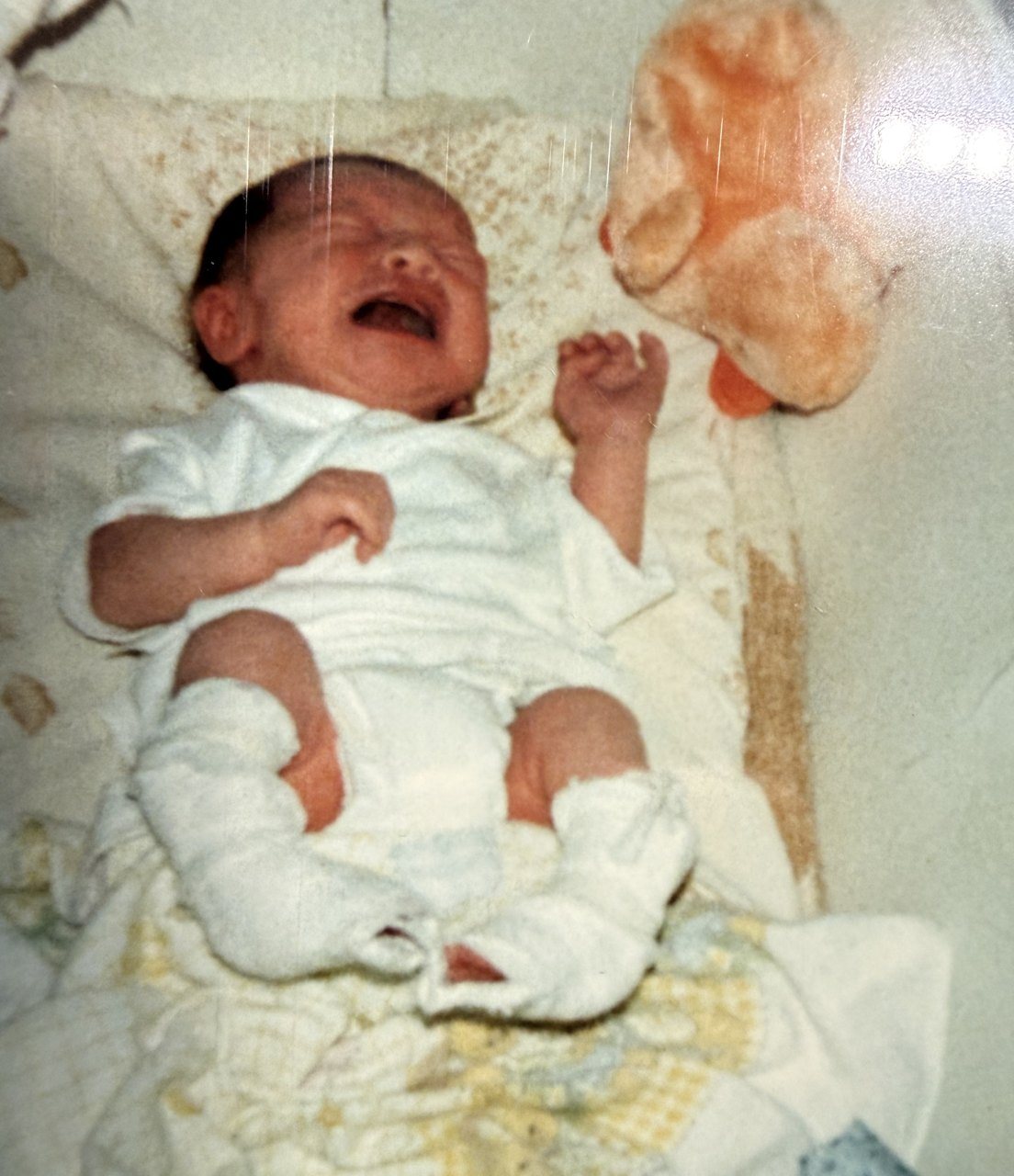
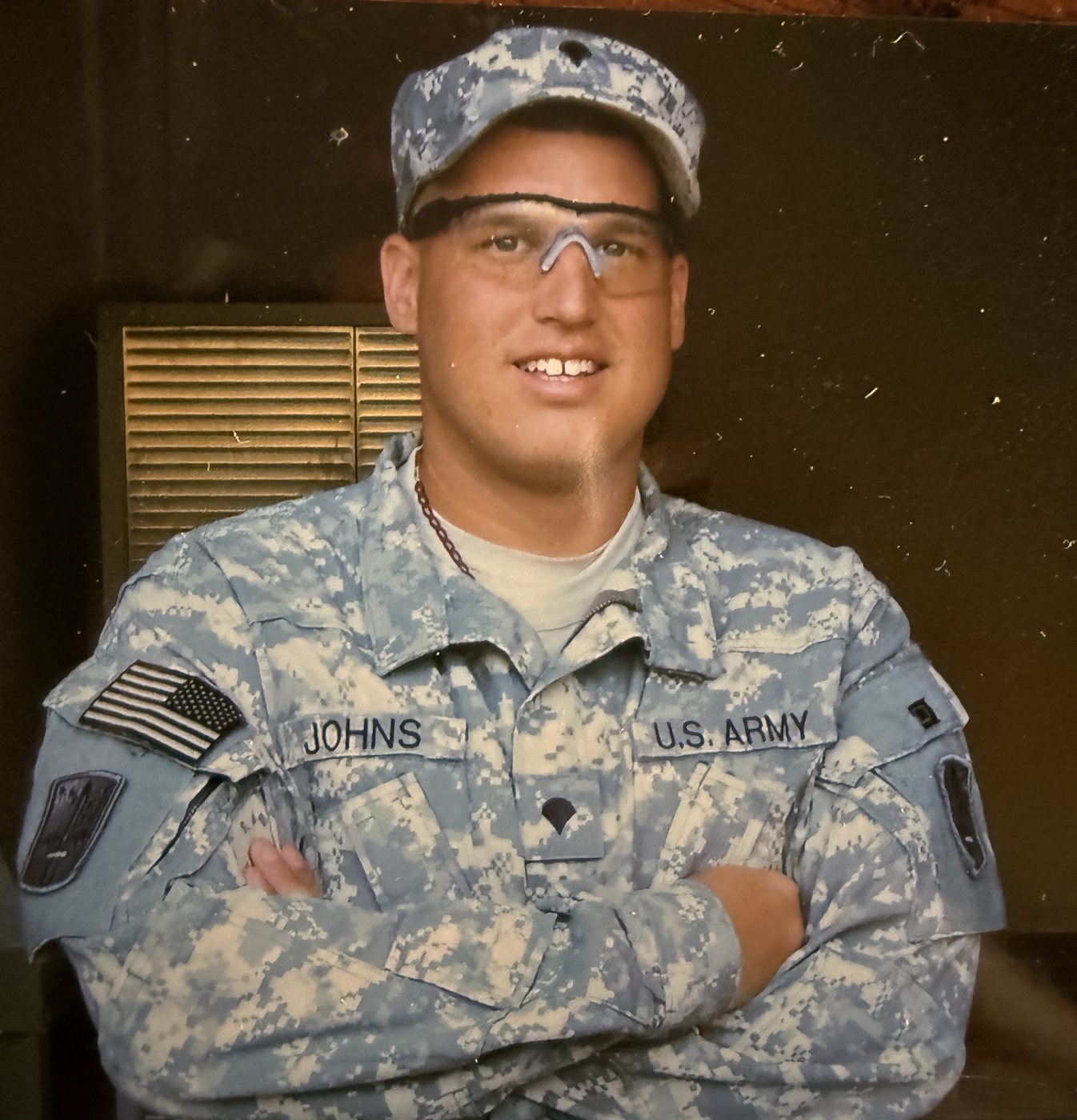
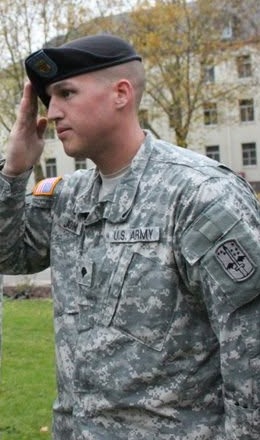
I served nearly nine years on active duty after being born with bilateral congenital clubfoot. My experience does not mean every person with clubfoot or altered mechanics can enter, remain, or retire from military service.

What it does give me is a practical understanding of the gap between being accepted and staying functional. Military service is not one test. It is years of repeated demands.

For altered mechanics, the hard question is not only whether you can get in. It is whether your body can continue to meet the demands of the uniform over time.

Coming Soon: My Military Story With Clubfoot

Related Resources

Where This Retention Guide Fits

Military Hub

The parent hub for military service, altered mechanics, MEPS, waivers, fitness, boots, deployment, and retention.

Return to Military Hub

Deployment and Field Conditions

How terrain, boots, load, recovery debt, and field conditions can expose altered mechanics.

Read Deployment Guide

Military Fitness

Running, rucking, PT tests, recovery, load bearing, and readiness with altered mechanics.

Read Fitness Guide

Clubfoot and Military Service

Clubfoot-specific eligibility, MEPS, waivers, boots, PT, running, and service reality.

Read Clubfoot Military Guide

Military Waivers

How waiver packets may use records, function evidence, and service-specific risk review.

Read Waiver Guide

Gait & Compensation

Background on altered mechanics, compensation, fatigue, asymmetry, and movement strategy.

Read Gait & Compensation

Common Questions About Retention and Medical Boards

Is military retention different from military entry?

Yes. Entry standards determine whether someone can enter service. Retention and disability evaluation processes address whether a service member can continue serving when medical conditions affect duty performance.

Can altered mechanics lead to a medical board?

They can if they create persistent duty limitations, chronic pain, non-deployability, inability to perform required tasks, or failure to meet retention standards despite treatment.

Can clubfoot cause retention problems after someone is already serving?

It can in some cases, especially if clubfoot-related pain, stiffness, gait compensation, footwear problems, or secondary joint issues begin affecting military duties.

What is a Medical Evaluation Board?

A Medical Evaluation Board is part of the military disability evaluation process and is used when a medical condition may prevent a service member from meeting retention standards.

What is a Physical Evaluation Board?

A Physical Evaluation Board evaluates fitness for duty and may determine whether a service member is fit, unfit, separated, or retired depending on the case and applicable rules.

Does a profile always end a military career?

No. Some profiles are temporary and resolve. Some permanent limitations are manageable. Repeated or severe limitations may raise retention and deployability concerns.

Does a military waiver protect someone from future medical-board review?

No. A waiver may allow entry, but it does not prevent future review if the condition later affects duty performance, deployability, or retention standards.

Is this official military legal or medical-board advice?

No. This page is educational and does not replace official guidance from military medical staff, PEBLOs, legal assistance, command channels, or service-specific disability evaluation systems.

Critical Military and Medical Disclaimer

This page is for education and discussion only. It is not medical advice, legal advice, PEBLO guidance, VA claims advice, disability-rating advice, recruiting advice, or an official military determination.

Always follow current guidance from military medical staff, your chain of command, your PEBLO, legal assistance, service disability evaluation resources, your physician, physical therapist, orthopedist, podiatrist, sports medicine clinician, or other qualified professional. Military board processes, retention standards, policies, timelines, and outcomes can change.

© 2026 Clubfoot Forward | Military retention and medical boards, altered mechanics, clubfoot, profiles, deployability, MEB, PEB, medical separation, medical retirement, gait compensation, and long-term service function.