Clubfoot • Military Service • MEPS • Waivers • Real-World Function

Clubfoot and Military Service

Clubfoot and military service is not a simple yes-or-no question. Some people with a history of clubfoot may be medically disqualified. Some may be considered for a waiver. Some may serve successfully. The outcome depends on current function, pain, deformity, surgery history, range of motion, gait, footwear tolerance, branch needs, and military job demands.

This page is the clubfoot-specific guide inside the broader Military Service With Altered Mechanics hub. It focuses on what clubfoot can mean for military eligibility, MEPS, medical waivers, boots, PT, running, rucking, deployment, retention, and real-world service.

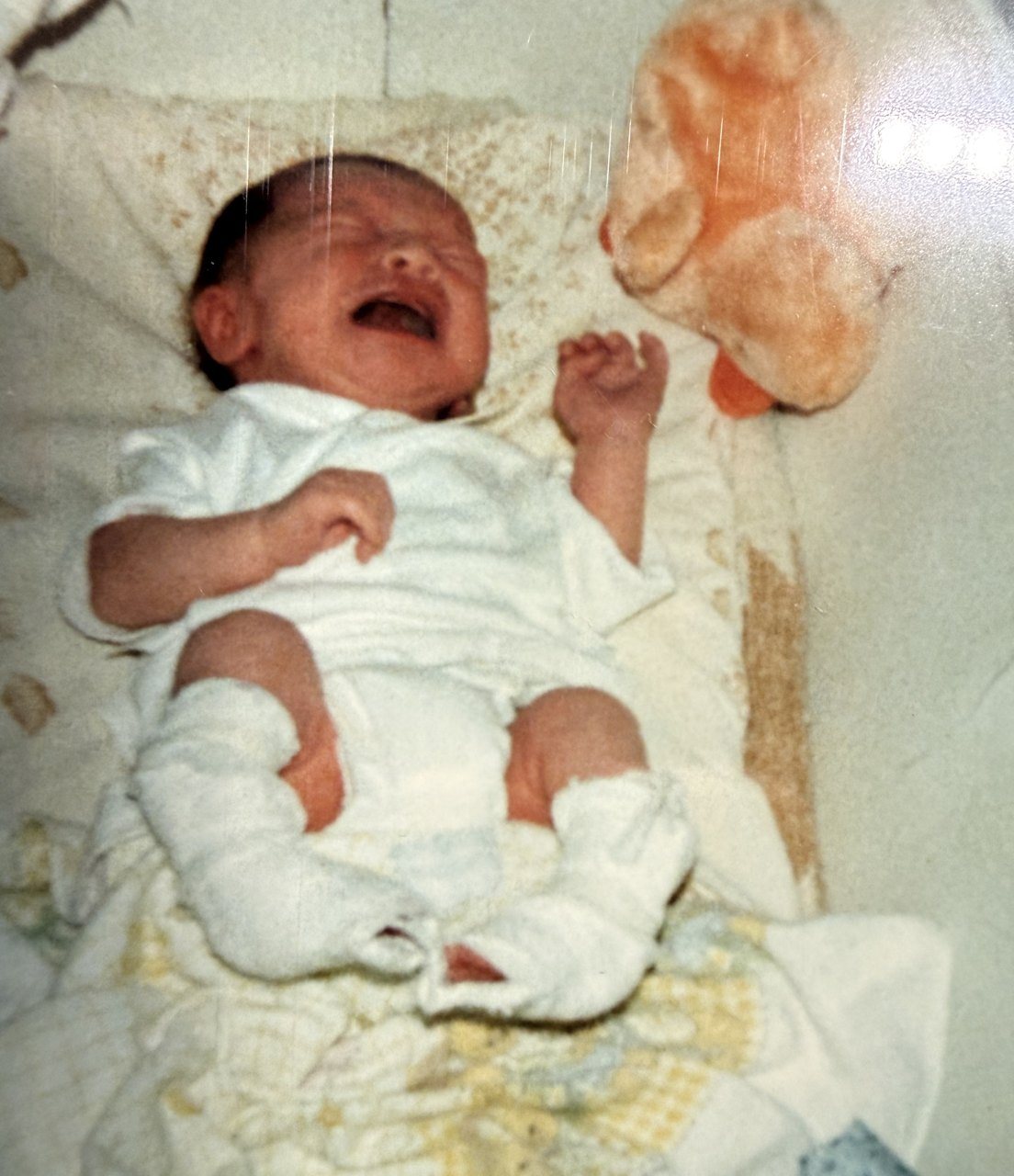
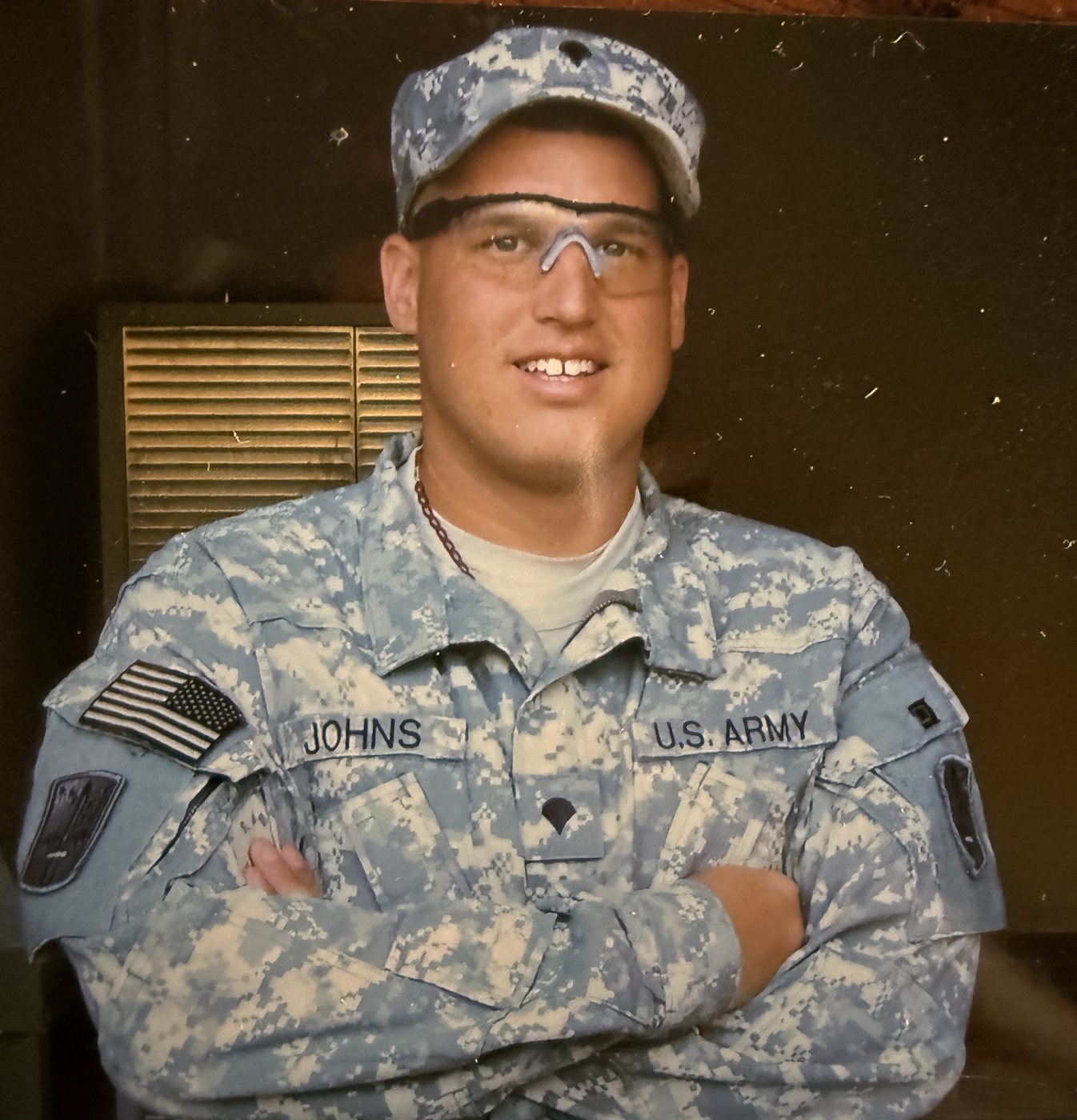
I served nearly nine years on active duty after being born with bilateral congenital clubfoot. That experience does not guarantee anyone else will be accepted, but it does give this page a practical foundation: military service is not theoretical. It tests the body repeatedly.

Clubfoot does not automatically answer the military question. Current function does.

Eligibility

A history of clubfoot may trigger review, records requests, disqualification, or waiver consideration depending on the applicant’s current condition.

Function

MEPS and waiver review may care about pain, gait, deformity, range of motion, surgery history, boot tolerance, running, marching, and recovery.

Service Reality

Getting accepted is only the first part. Military life can expose clubfoot limitations through boots, PT, rucks, field conditions, deployment, and fatigue.

Plain-Language Summary

Can you join the military with clubfoot? Sometimes. But the better answer is: it depends on how your clubfoot affects your body now.

Treated clubfoot with stable function, minimal pain, good footwear tolerance, no restrictions, and strong physical performance is different from clubfoot with severe deformity, fused joints, chronic pain, unstable gait, repeated surgeries, swelling, or inability to tolerate running and boots.

DoD accession standards exist to decide whether applicants are medically qualified for entry. Some applicants who do not meet those standards may be considered for service-specific medical waiver review, but approval is never guaranteed.

This page is educational. Official decisions belong to MEPS, recruiters, service waiver authorities, and military medical systems.

Official Context

Where Clubfoot Fits in Military Medical Standards

The primary public accession standard is DoD Instruction 6130.03, Volume 1: Medical Standards for Military Service: Appointment, Enlistment, or Induction. Military Health System describes this instruction as establishing disqualifying medical standards for entry into service, while also recognizing that waiver review can apply to some applicants who do not meet the standard.

Clubfoot may be reviewed through the broader lower-extremity, foot, ankle, deformity, gait, pain, and function framework. In practice, the question is not only whether someone had clubfoot as a baby. The question is what remains now and whether it is expected to interfere with training or service.

Eligibility

Can You Join the Military With Clubfoot?

Some people with clubfoot can pursue military service. Some cannot. The deciding factor is not the word “clubfoot” alone. It is the present-day medical and functional picture.

A history of clubfoot may require medical records, MEPS review, specialist documentation, or waiver consideration. The outcome can vary by severity, correction, recurrence, pain, function, surgery history, branch, job, and timing.

An applicant with mild residual clubfoot and strong function may be reviewed very differently from an applicant with severe residual deformity, chronic pain, limited ankle motion, repeated surgeries, or inability to run and wear boots.

Read the Military Eligibility Guide

Types of Clubfoot Cases

Not All Clubfoot Histories Look the Same

Military review can change dramatically based on the type of clubfoot history and what remains functionally.

Well-Corrected Childhood Clubfoot

Some applicants were treated early and have stable function, minimal pain, no major restrictions, and good activity tolerance. These cases still need honesty and records, but the functional picture may be stronger.

Recurrent or Residual Clubfoot

Recurrence, stiffness, deformity, pain, altered foot position, or limited footwear tolerance may create more serious medical-review concerns.

Unilateral Clubfoot

One-sided clubfoot may create asymmetry, calf differences, gait compensation, or uneven loading that becomes more obvious during running, marching, or fatigue.

Bilateral Clubfoot

Bilateral clubfoot may create a different picture: both sides are affected, but not always equally. Function, pain, gait, and surgery history matter more than the label alone.

Surgical Clubfoot

Tendon transfers, osteotomies, hardware, fusions, or later reconstructive procedures may require more detailed records and current specialist review.

Fused or Stiff Clubfoot

Fusion, triple arthrodesis, or major range-of-motion limits may affect running, boots, rucking, load carriage, terrain tolerance, and recovery.

Coming Soon: Joint Fusion and Military Service

The Military Does Not Need Perfect Feet. It Needs Reliable Function.

Military service is not a beauty contest for gait. Many service members move differently, compensate, or carry old injuries. But military standards exist because the body has to remain reliable under repeated stress.

If clubfoot creates pain, instability, boot problems, skin breakdown, poor recovery, or inability to complete physical tasks, the concern is not appearance. The concern is readiness and safety.

MEPS

Clubfoot at MEPS

Clubfoot may come up at MEPS through medical history, visible foot shape, scars, gait, past surgeries, range of motion, pain, orthotic use, or records review.

MEPS may look at whether clubfoot affects:

  • Walking, running, squatting, or basic movement
  • Foot and ankle range of motion
  • Gait, limp, asymmetry, or balance
  • Footwear and boot tolerance
  • Pain, swelling, flare-ups, or instability
  • History of surgery, hardware, or fusion
  • Use of braces, orthotics, or restrictions
  • Risk during training, marching, deployment, or worldwide service

A MEPS disqualification can be frustrating, but it is not always the final step. Some applicants may move into service-specific waiver review.

Read the MEPS Medical Review Guide

Waivers

Clubfoot Military Waivers

A clubfoot waiver is a service-specific review after an applicant does not meet the accession standard as written. It is not guaranteed, and it is not decided by motivation alone.

A waiver packet may be stronger when it shows stable function, clear medical history, current orthopedic documentation, no major restrictions, good footwear tolerance, and repeated activity without breakdown.

A waiver packet may be weaker when there is chronic pain, severe deformity, unstable gait, recent surgery, incomplete recovery, skin breakdown, prescription pain medication use, or inability to meet basic physical requirements.

Read the Military Medical Waiver Guide

Records

Clubfoot Records That May Matter

The strongest clubfoot military review is usually built around organized records and current function, not a vague memory that “it was fixed as a baby.”

Childhood Treatment

  • Diagnosis records
  • Ponseti casting history
  • Tenotomy notes
  • Boots-and-bar bracing history
  • Early orthopedic follow-up

Surgery History

  • Tendon transfer records
  • Osteotomy records
  • Fusion or triple arthrodesis records
  • Hardware reports
  • Revision surgery documentation

Current Function

  • Recent orthopedic note
  • Pain and swelling status
  • Range of motion
  • Gait and strength
  • Restrictions or no restrictions

Activity Evidence

  • Running or sports history
  • Work requiring standing or walking
  • Hiking or load-bearing tolerance
  • Fitness test preparation
  • Recovery without recurring flare-ups

Boots and Field Reality

Why Boots Matter With Clubfoot

Many people with clubfoot learn that shoes matter long before they think about military service. Military boots add another layer: stiffness, pressure, long wear time, load carriage, heat, moisture, terrain, and repeated stress.

A foot that feels manageable in civilian shoes may struggle in military boots. Pressure points, scars, abnormal foot shape, limited ankle motion, toe box fit, heel position, and altered gait can all become more obvious during long days.

Boot tolerance matters because military service does not allow someone to constantly choose ideal footwear. If clubfoot causes skin breakdown, severe pain, or functional failure in boots, that can become a real service problem.

Coming Soon: Military Boots and Load Bearing

PT and Fitness

Running, Rucking, and PT With Clubfoot

Passing one run is not the same as surviving military physical demands. Military training often involves repeated running, long standing, loaded movement, hard surfaces, uneven ground, boots, fatigue, and limited recovery.

Clubfoot may affect PT through limited dorsiflexion, altered push-off, calf size differences, stride asymmetry, pain, early fatigue, compensation up the chain, or recovery problems after repeated stress.

This does not mean every person with clubfoot cannot train. It means the body has to be tested honestly before assuming military service is realistic.

  • Can you run repeatedly without flare-ups?
  • Can you stand and walk for long days?
  • Can you wear boots without skin breakdown?
  • Can you recover after load-bearing work?
  • Does your gait worsen when tired?
  • Does pain force changes in pace, posture, or stride?

Coming Soon: Military Fitness With Altered Mechanics

Getting In Is Not the Same as Staying In

Entry standards decide whether someone can enter service. Retention standards and military medical systems matter after someone is already serving.

A person may pass MEPS and later develop clubfoot-related pain, overuse problems, profiles, duty limitations, or medical-board issues. Another person may enter with a history of clubfoot and serve without major problems.

The point is that clubfoot can remain relevant after accession. Military service is not finished at MEPS.

Coming Soon: Military Retention and Medical Boards

Branch and Job Reality

The Military Job Matters

The physical demands of military jobs vary. A high-load, field-heavy role may stress clubfoot very differently than a technical or administrative role. That does not mean one role is easy or automatically safe. It means the job’s physical reality matters.

Infantry, artillery, mechanics, logistics, aviation, medical, shipboard, security, cyber, and special operations pathways do not place the same demands on the foot and ankle. An applicant with clubfoot should think beyond “Can I get in?” and ask, “Can I sustain this specific job?”

The right military path, if one exists, should match both the applicant’s goals and the body’s actual capacity.

Parents

Can a Child With Clubfoot Serve in the Military Later?

Parents often ask this when their child is still in casting, bracing, therapy, or early childhood. No one can promise a future military outcome years ahead of time.

The best thing parents can do is protect future options: follow treatment, keep major records, encourage safe movement, support sports and activity when medically appropriate, build confidence, and help the child understand their body honestly.

A child with clubfoot should not be raised to believe their future is automatically closed. They also should not be raised to ignore pain, instability, or real limitations.

Coming Soon: Questions Before Pursuing Military Service

Teens and Applicants

If You Have Clubfoot and Want to Serve

Start with honesty. Learn your medical history. Ask your family what treatment you had. Gather records early. Find out whether you had casting, tenotomy, tendon transfer, fusion, osteotomy, hardware, bracing, or therapy.

Then test function safely. Can you run? Can you recover? Can you wear boots? Can you stand all day? Can you carry load? Does pain change your gait? Do you need medication or braces to get through normal activity?

The goal is not to talk yourself out of service. The goal is to know the truth before MEPS forces the truth into the open.

Lived Experience

My Perspective as a Bilateral Clubfoot Veteran

I was born with bilateral congenital clubfoot and later served nearly nine years on active duty. That does not make my case the rule. It makes it one real-world example.

Military service exposed everything: running, boots, long days, deployment, standing, fatigue, and the difference between looking functional and staying functional under repeated stress.

My view is simple: do not let clubfoot automatically convince you that service is impossible, but do not romanticize the military as if it will ignore your feet. The body has to do the job.

Coming Soon: My Military Story With Clubfoot

Where This Fits

Related Military Resources

Military Service With Altered Mechanics

The parent hub for military service, altered mechanics, MEPS, waivers, fitness, boots, deployment, and retention.

Return to Military Hub

Military Eligibility

The broader eligibility guide for altered mechanics, structural abnormalities, MEPS, and waiver review.

Read Eligibility Guide

MEPS Medical Review

How MEPS may review clubfoot, altered gait, records, surgery history, and current function.

Read MEPS Guide

Military Medical Waivers

How waiver packets may be built around records, function evidence, and service-specific risk review.

Read Waiver Guide

Gait & Compensation

Background on altered mechanics, gait compensation, asymmetry, fatigue, and movement strategy.

Read Gait & Compensation

Running Biomechanics

Clubfoot-specific running mechanics, cadence, stride, push-off, and fatigue context.

Read Running Biomechanics

Common Questions About Clubfoot and Military Service

Can you join the military with clubfoot?

Sometimes. The outcome depends on current function, pain, deformity, gait, range of motion, surgery history, footwear tolerance, branch needs, job demands, and waiver review when applicable.

Does clubfoot automatically disqualify you from the military?

Not always, but clubfoot may trigger medical review and may be disqualifying when it causes deformity, pain, functional limitation, poor footwear tolerance, or risk during training and service.

Can MEPS disqualify you for clubfoot?

Yes. MEPS may disqualify an applicant if clubfoot or its residual effects do not meet accession medical standards. Some applicants may then be reviewed for a waiver.

Can you get a waiver for clubfoot?

Some applicants may be considered for a waiver, but approval is never guaranteed. A waiver review depends on current function, records, risk, branch needs, and service-specific decision-making.

Can you serve with bilateral clubfoot?

It depends. Bilateral clubfoot can range from stable and functional to severely limiting. The military review focuses on current ability, pain, gait, footwear, and service risk.

Can you serve after clubfoot surgery?

Surgery history does not automatically decide the outcome. The review depends on the result of surgery, restrictions, pain, range of motion, stability, hardware, fusion, and current function.

Does being able to run mean I am qualified?

No. Running ability can support a functional picture, but it does not erase medical standards, records, surgery history, pain, deformity, or waiver requirements.

Should I hide clubfoot from my recruiter or MEPS?

No. Applicants should disclose medical history honestly and follow recruiter and MEPS instructions.

Is this official military guidance?

No. This page is educational and does not replace official guidance from recruiters, MEPS, waiver authorities, or military medical systems.

Critical Military and Medical Disclaimer

This page is for education and discussion only. It is not medical advice, legal advice, recruiting advice, waiver advice, or an official military determination. Military standards, waiver policies, recruiting needs, branch-specific decisions, and medical review processes can change.

Always follow current guidance from your recruiter, MEPS medical staff, service waiver authority, physician, physical therapist, orthopedist, podiatrist, sports medicine clinician, or other qualified medical professional. Do not hide medical history, surgery history, pain, braces, orthotics, limitations, or treatment records.

© 2026 Clubfoot Forward | Clubfoot and military service, MEPS, waivers, altered mechanics, bilateral clubfoot, military fitness, boots, running, gait compensation, and real-world function.