Parent Guide

What Is the Long-Term Prognosis for Clubfoot?

The long-term prognosis for clubfoot is often good, especially when treatment starts early and correction is maintained, but it is not the same for every child.

Many children treated for clubfoot go on to walk, play, wear shoes, participate in daily life, and function very well. Modern clubfoot care, especially Ponseti treatment with casting, possible Achilles tenotomy, bracing, and follow-up, has dramatically improved outcomes for many families.

But long-term prognosis is not just about whether the foot looks better as a baby. It is about what happens as the child grows, walks, runs, wears shoes, hits growth spurts, plays sports, becomes a teenager, and eventually becomes an adult with a body that has to handle real-world demand. That is where the story can get more individual.

Some people have very few long-term issues. Others have stiffness, smaller calf size, smaller foot size, reduced ankle motion, relapse, shoe-fit problems, pain patterns, gait compensation, or altered mechanics. Both realities can be true. Clubfoot prognosis is not a fortune cookie; it is a long-term function picture.

Many children do very well.

Early treatment can lead to strong childhood function, normal shoe wear, and participation in everyday play and activity for many children.

Understand the good-outlook side

Some differences can remain.

Even after successful treatment, some children have stiffness, calf or foot size differences, limited motion, or mechanics that need monitoring.

See what may remain

Adult function depends on demand.

A foot that handles daily childhood life may still show limits under sports, running, long shifts, military training, uneven terrain, or heavy load.

Read the adult outlook

Plain-English answer: the long-term prognosis for clubfoot is often positive after early treatment, but parents should think in terms of function, follow-up, relapse monitoring, and real-life movement — not a one-time “fixed forever” label.

A corrected foot can be a very successful outcome. It can also still deserve respect, monitoring, and honest attention as the child grows.

Good News

Treatment can lead to excellent function.

Many children treated for clubfoot grow into active lives with good walking, shoe wear, and daily function.

Careful Truth

Long-term does not mean identical to never having clubfoot.

Some children and adults still have stiffness, relapse risk, pain, weakness, size differences, or compensation patterns.

Lived Perspective

Function can be high and still costly.

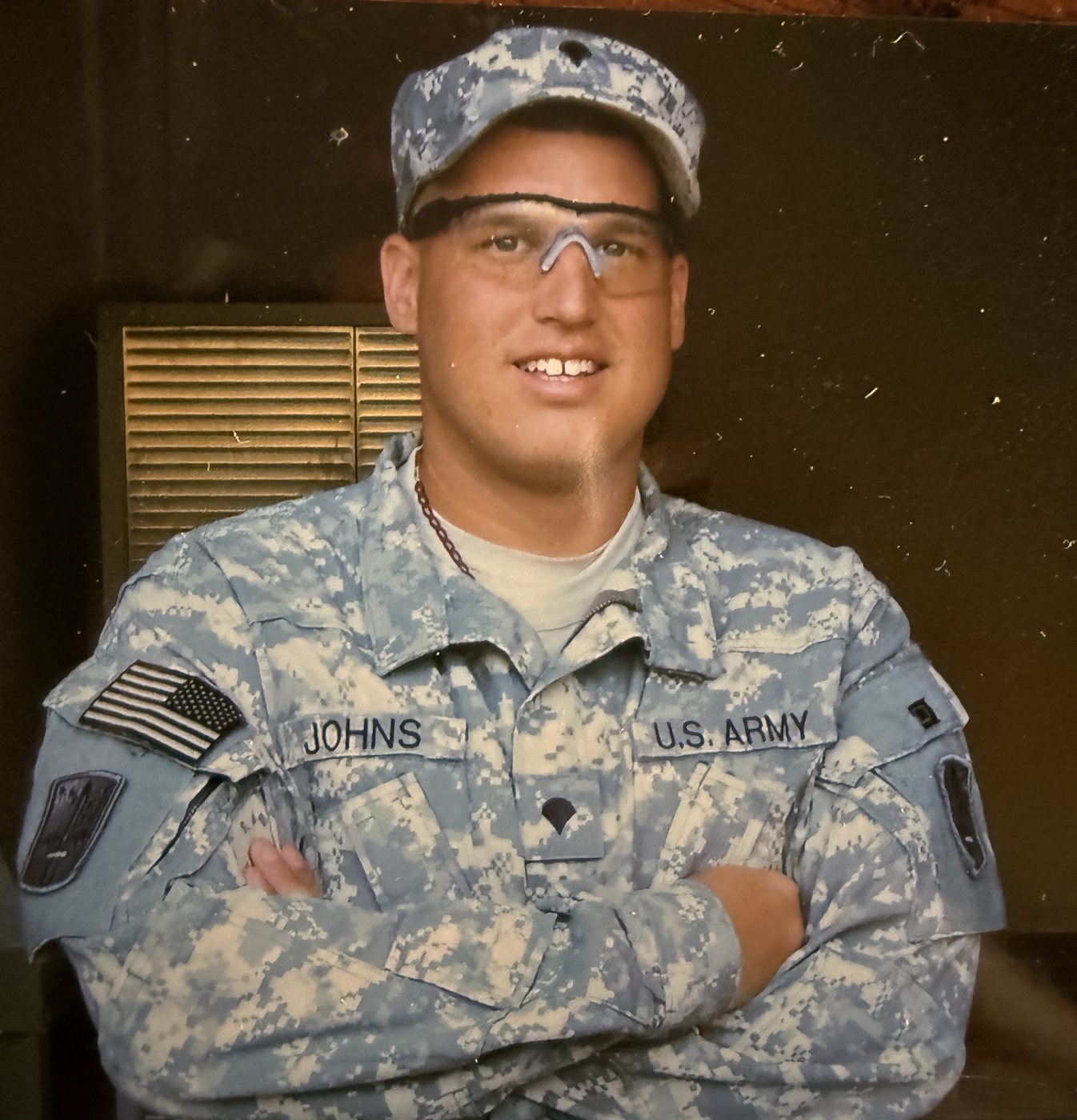
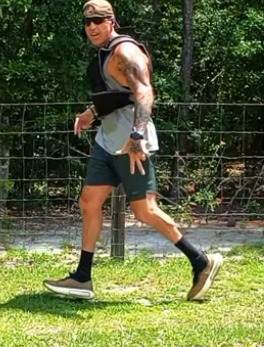
My own path includes bilateral clubfoot, multiple surgeries, triple arthrodesis, military service, endurance running, and altered mechanics. Success is real, but it is not always free.

Jump To

Short answer | Good prognosis | Residual differences | Relapse risk | Adult outlook | Personal perspective | Questions to ask | Related pages | FAQ

Short Answer

The Long-Term Outlook Is Often Good, But It Depends on the Child

For many babies with clubfoot, the long-term prognosis is good. With early treatment, proper correction, bracing, and follow-up, many children walk well, wear shoes, play normally, and do not live day-to-day life defined by clubfoot.

But prognosis is not identical for every child. Severity matters. Whether the clubfoot is isolated matters. Response to casting matters. Bracing matters. Relapse history matters. Surgery history matters. Growth, activity level, body mechanics, and the demands placed on the foot over time also matter.

The best long-term framing is this: clubfoot is often highly treatable, but it should still be followed as a lifelong structural history, especially if pain, stiffness, relapse signs, shoe issues, gait changes, or activity limits appear later.

Good Prognosis

Why Many Children Have a Good Long-Term Outcome

Modern clubfoot treatment has changed the long-term picture for many children. Instead of untreated clubfoot persisting into walking and adulthood, early correction gives the foot a chance to become a functional base for standing, walking, shoes, and play.

For many families, the early treatment sequence is the hardest part: casting appointments, possible tenotomy, bracing, sleep disruption, skin checks, brace battles, and enough Velcro to make the house sound like a tiny orthopedic thunderstorm. But that early work can matter for years.

A good prognosis usually means the child can use the foot well in daily life. It does not always mean the foot looks exactly like the other foot, moves exactly like a never-treated foot, or never needs another appointment.

Walking can be strong.

Many children treated early walk on the sole of the foot with useful alignment and good everyday function.

Shoes are often manageable.

Many children can wear regular shoes, although some may need attention to fit, size differences, brace history, or comfort.

Activity can be normal or close to normal.

Many children play, run, climb, and participate in childhood activity. Parents should watch function rather than assuming limits too early.

Residual Differences

What Differences Can Remain After Treatment?

Even when treatment is successful, some differences can remain. These do not automatically mean the treatment failed. They are part of why long-term prognosis should be framed around function, not just “fixed” versus “not fixed.”

Some children have a smaller foot or calf on the affected side. Some have stiffness, reduced ankle motion, altered push-off, shoe-fit differences, or fatigue with higher activity. Some differences are mild and barely noticeable. Others become more important as demands increase.

This is where parents need balanced expectations. Do not assume every child will struggle. Also do not assume that a corrected baby foot means there will never be any future mechanical issue. Both extremes are usually too lazy to be useful.

Smaller calf or foot size

The affected side may remain smaller, especially in unilateral cases. This can affect shoe fit, appearance, strength, and how the child loads the foot.

Stiffness or limited motion

Reduced ankle motion, especially limited dorsiflexion, can influence walking, squatting, running, stairs, sports, and fatigue patterns.

Altered gait or compensation

If the foot or ankle does not move normally, the body may compensate through the knee, hip, back, or opposite side. Compensation can work, but it still has a cost.

Pain or fatigue under demand

Some children or adults feel fine during ordinary activity but notice pain, fatigue, or stiffness with sports, running, long walking days, uneven terrain, or standing shifts.

Shoe and brace history issues

Foot shape, size differences, residual stiffness, and brace history can make shoes, orthotics, or activity footwear more important later.

Psychological or identity impact

Some children barely think about clubfoot. Others notice scars, differences, pain, activity limits, or feeling physically different. That emotional side deserves room too.

Important: a good prognosis does not mean parents should ignore future symptoms. If your child develops pain, limping, toe walking, frequent tripping, shoe problems, brace problems, worsening stiffness, or activity avoidance, follow up instead of assuming it is “just clubfoot.”

Long-term success is not pretending nothing exists. Long-term success is catching the right things early and not turning every small difference into a five-alarm medical festival.

Relapse Risk

How Relapse Affects Long-Term Prognosis

Relapse is one of the main reasons clubfoot prognosis should not be described as a one-and-done story. A foot can correct well and still drift back toward a clubfoot pattern later. That is why bracing and follow-up are such a big deal.

Relapse may show up as the foot turning inward again, stiffness returning, heel position changing, toe walking, brace fit problems, tripping, or changes in gait. Sometimes relapse is caught early and treated with more casting or brace adjustments. Sometimes additional procedures are discussed.

Parents should not hear “relapse risk” as a reason to panic. They should hear it as a reason to stay observant. The goal is not to stare at your child’s feet like you are running airport security. The goal is to know what changes deserve a call.

Bracing lowers risk.

Following the brace plan helps maintain correction and reduce relapse risk. Brace fit problems should be addressed quickly rather than ignored.

Read the bracing guide

Growth can reveal issues.

Some changes become more visible as children grow, walk more, run more, or place higher demands on the foot.

Early follow-up matters.

Relapse is often easier to address when caught early. Waiting until the foot is clearly worse can make the path more complicated.

Read about clubfoot relapse

Adult Outlook

What Can Clubfoot Look Like in Adulthood?

Adult outcomes vary widely. Some adults who had clubfoot as children function very well with few daily reminders. Others carry stiffness, pain, reduced ankle motion, arthritis concerns, surgical history, altered gait, or difficulty with high-demand activity.

The adult picture often depends on the early treatment era, whether the person had extensive surgery, whether relapse occurred, how much motion remains, how the foot loads, and what the person asks the body to do. A desk job, recreational walking, competitive running, military service, and twelve-hour standing shifts do not test the same system.

This is where prognosis needs real-world language. A person can be successful, active, and tough as hell while still having a body that pays a higher mechanical price. Those two things are not opposites. They are often the same story.

Daily life may be manageable.

Some adults function well in daily life and only notice clubfoot history during shoe shopping, long days, certain movements, or higher-demand activity.

High demand can expose limits.

Running, field work, military training, heavy load, uneven terrain, and long standing shifts may reveal stiffness, pain, compensation, or fatigue.

Surgery history matters.

Adults with extensive childhood surgery, tendon procedures, fusion, or residual deformity may have a different long-term profile than children treated early with modern Ponseti protocols.

Go to Adult Clubfoot Life

Lived Experience

My Personal View: High Function Does Not Mean No Cost

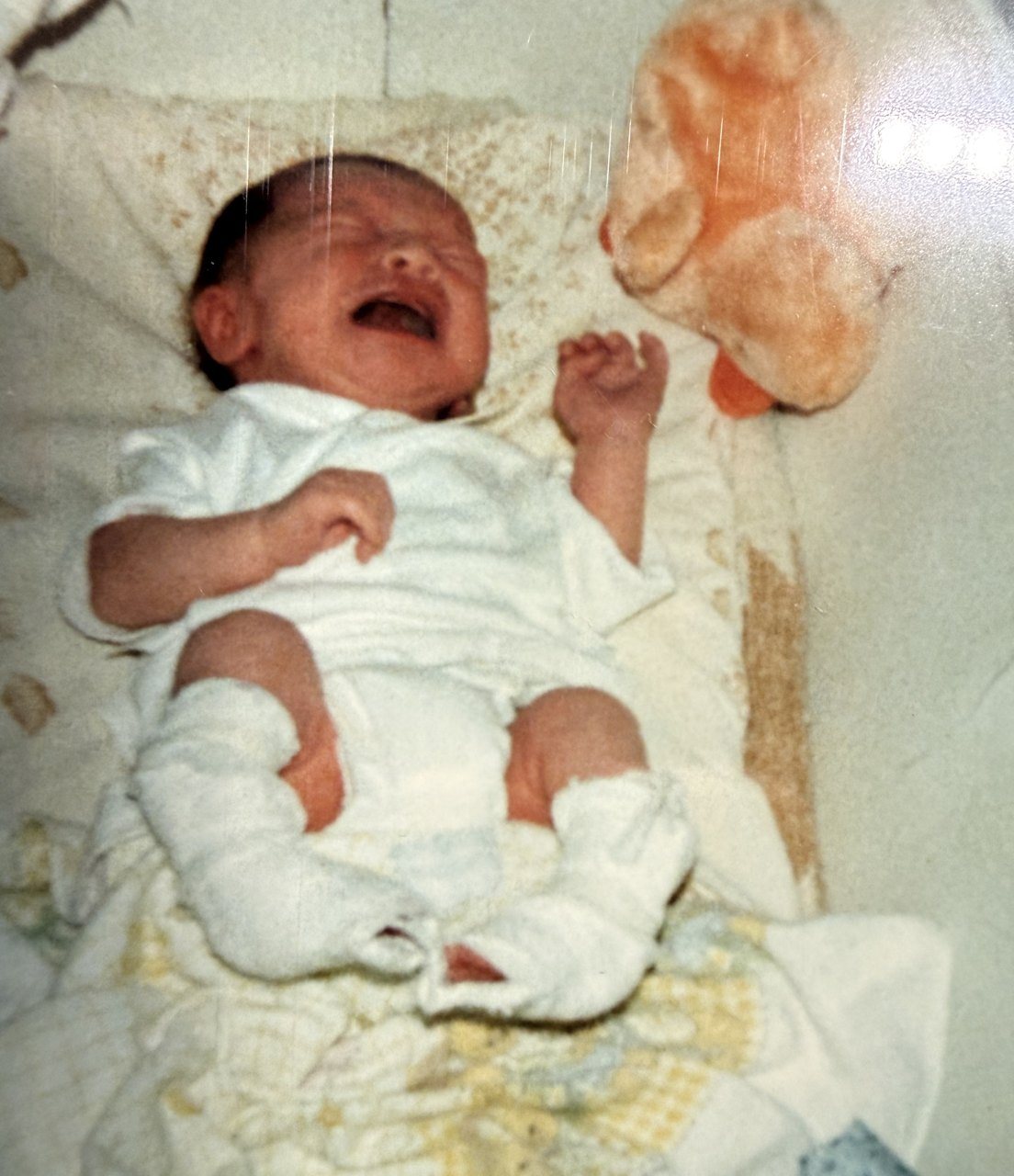
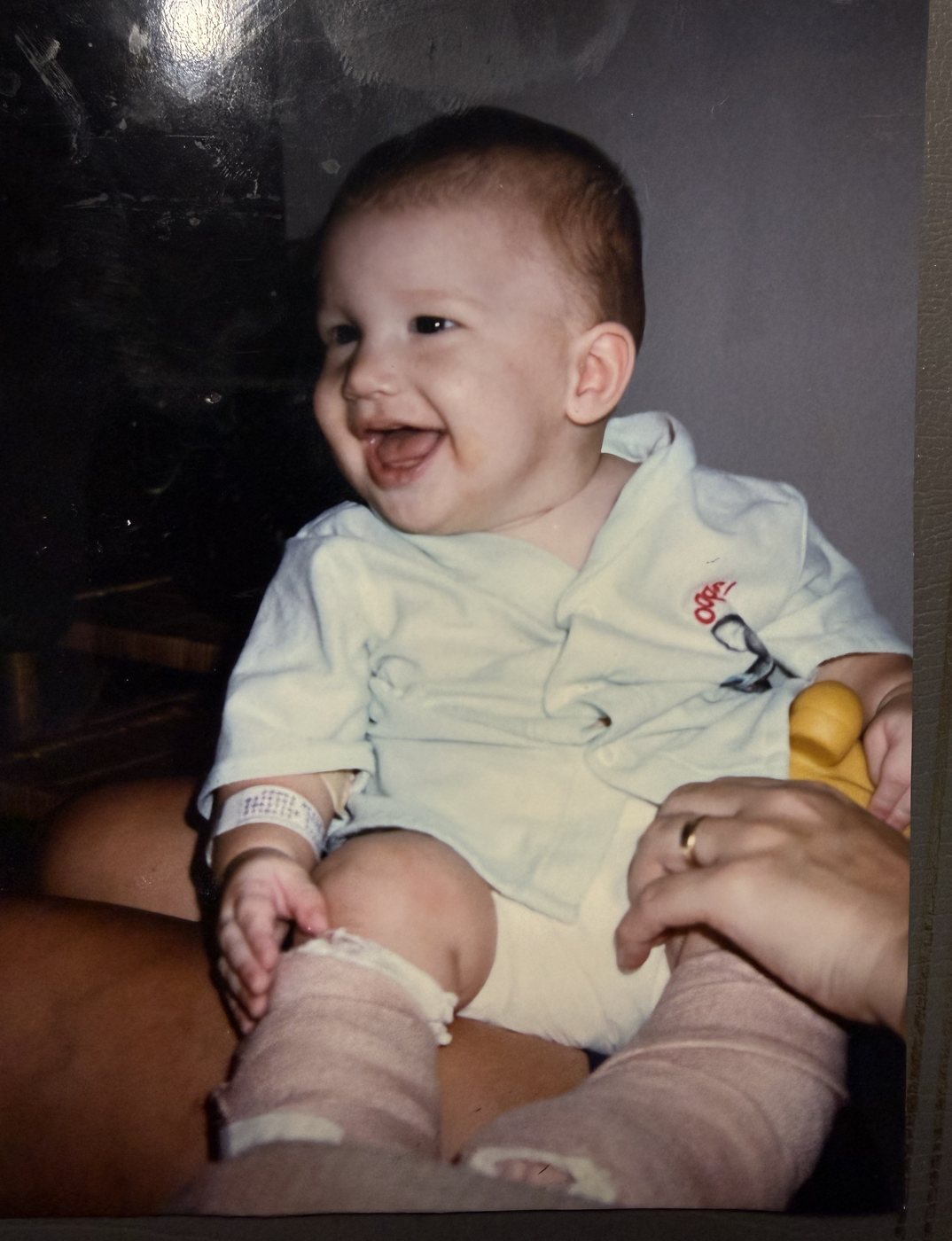
I was born with bilateral clubfoot. My long-term story includes multiple surgeries, Achilles procedures, tendon work, triple arthrodesis, limited motion, altered mechanics, military service, and high-volume endurance running. That is not the typical outcome for every child, and it should not be used to scare parents. But it is useful because it shows the part of prognosis that standard medical pages often skip.

Function and cost are not the same thing. I have been able to do a lot with this body. I served in the military. I run. I train. I have built enough capacity that many people would look from the outside and assume the clubfoot story is basically “handled.” But internally, the system still has rules. Uneven terrain is harder. Repeated runs can bring knee, back, outer quad, or sciatic-type symptoms. Limited ankle motion changes how force moves through the body. A successful-looking gait can still be an expensive gait.

That is the nuance I want parents to understand. Your child may do very well. Your child may be active. Your child may exceed what people expect. But long-term prognosis should include the possibility that the body adapts instead of fully normalizing. Adaptation can be powerful. It can also carry a tax.

Do not assume weakness.

A clubfoot history does not automatically mean a child will be fragile, inactive, or limited in every area of life.

Do not ignore mechanics.

Even high function can come with compensation, stiffness, pain patterns, fatigue, or altered loading under demand.

Track function, not just appearance.

Ask how the child moves, recovers, wears shoes, handles activity, and responds to growth — not only whether the foot looks corrected.

Explore gait and compensation

Parent Questions

What Should Parents Ask About Long-Term Prognosis?

“Will my child be okay?” is the real question underneath this page. That question deserves compassion, but it also needs specifics. A better appointment conversation focuses on correction, relapse risk, brace plan, function, growth, and when to come back.

Bring these questions to your pediatric orthopedic specialist. They are more useful than asking for a perfect prediction, because no one can see every growth spurt, sport, shoe problem, or future demand from the newborn exam table.

What does a good outcome mean for my child?

Ask what your provider expects in terms of walking, shoes, motion, relapse risk, and activity based on your child’s specific foot.

What residual differences are common?

Ask about calf size, foot size, stiffness, ankle motion, shoe fit, strength, and whether differences are expected or concerning.

How long should follow-up continue?

Ask how often your child should be seen after correction, during bracing, after walking begins, during growth spurts, and if activity problems appear.

What relapse signs should we watch?

Ask what changes in foot position, flexibility, walking, toe walking, tripping, brace fit, or shoe wear should trigger follow-up.

Read relapse signs by age

What activities should we watch closely?

Ask whether sports, running, long walking, stairs, uneven terrain, or high-impact activity require special attention later.

When should we come back as an older child or teen?

Ask whether pain, limping, stiffness, shoe issues, fatigue, reduced activity, or self-consciousness should prompt orthopedic follow-up.

The useful lane is this: long-term prognosis is often good, but parents should keep an honest eye on function as the child grows. A good outcome is not just a corrected baby foot. It is a foot and body that can handle life.

Hope is appropriate. So is follow-up. They are not enemies; they are the two adults in the room while anxiety is outside trying to sell you a twelve-page forum thread.

Frequently Asked Questions

What is the long-term prognosis for clubfoot?

The long-term prognosis for clubfoot is often good after early treatment, bracing, and follow-up. Many children walk, play, wear shoes, and function well. Some children and adults still have relapse, stiffness, smaller foot or calf size, reduced ankle motion, pain, shoe-fit problems, or altered mechanics.

Can a child with clubfoot live a normal life?

Many children with treated clubfoot live active, functional lives. Some have few visible limitations, while others need long-term monitoring for stiffness, relapse, pain, gait changes, or activity-related symptoms.

Does clubfoot cause problems in adulthood?

It can. Some adults treated for clubfoot have stiffness, limited ankle motion, pain, arthritis risk, shoe-fit issues, gait compensation, or difficulty with high-demand activities. Others function very well with minimal symptoms.

Does successful clubfoot treatment prevent relapse forever?

No. Successful correction does not guarantee relapse will never happen. Bracing and follow-up reduce relapse risk, but some children still experience recurrence or residual deformity and may need additional treatment.

Can someone with clubfoot play sports or run later in life?

Some people with treated clubfoot play sports, run, or perform demanding activities. Others may be limited by stiffness, pain, weakness, fatigue, altered mechanics, or prior surgery. The practical answer depends on the individual foot, treatment history, and training demands.

What should parents watch long term after clubfoot treatment?

Parents should watch foot position, walking pattern, shoe wear, brace fit, calf or foot size differences, pain, stiffness, toe walking, limping, tripping, activity tolerance, and changes during growth spurts.

Critical Educational Disclaimer

This page is educational only. It does not diagnose your child, predict your child’s outcome, replace pediatric care, replace orthopedic evaluation, or determine whether your child will have relapse, pain, stiffness, gait changes, surgery needs, or adult limitations.

If your baby, child, teen, or adult family member has clubfoot, work with a pediatrician, pediatric orthopedic specialist, orthopedic specialist, physical therapist, or other qualified clinician to understand treatment history, current function, relapse risk, pain, gait, shoe fit, and long-term follow-up needs.