Environment | Surface Control | Stability Demand

Terrain Tolerance and Altered Mechanics

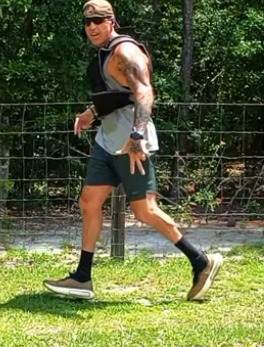
Terrain tolerance is one of the clearest daily-life realities in altered mechanics. A body may feel fine indoors, then become a completely different system on gravel, grass, broken sidewalks, parking lots, hills, wet pavement, or uneven ground. That change is not imaginary. The environment is changing the control problem.

Clubfoot is one strong lived example of this, but the same issue appears in fusion, prior surgery, asymmetry, stiffness, chronic pain, ankle restriction, and any system that needs more predictability to stay clean and low-cost.

This page exists because “outdoors versus indoors” is often too simple. The deeper question is what kind of terrain the body can tolerate before stability demand and burden start rising.

Plain-Language Summary

Surface changes can change the whole system

The difference is often not just comfort. It is stability demand, foot placement freedom, and how much the body must correct step by step.

Daily-Life Relevance

Ordinary outdoor life is part of the story

Terrain tolerance is not just about trails. It affects errands, commuting, work sites, parks, sidewalks, travel, and weather-exposed daily movement.

Why It Matters

Reduced control often raises cost

The more the body has to solve small instability problems repeatedly, the more compensation and burden can climb.

Jump To

What terrain tolerance means | Why surface changes hit so hard | Common day-to-day terrains | Where it connects | FAQ

What Terrain Tolerance Means

Terrain tolerance means how well the body can stay functional when the surface becomes less predictable.

Some altered-mechanics systems function best where steps are repeatable, flat, and easy to plan. Others can tolerate more variability. The key question is not whether outdoor life is good or bad. It is what kind of environmental variability the system can absorb before cost starts rising.

Why Surface Changes Hit So Hard

  • Foot placement freedom changes: the body has less control over ideal step placement.
  • Stability demand rises: each step may require more correction.
  • Traction changes: wet or loose surfaces can expose hesitation, guarding, and compensation.
  • Slope matters: inclines and declines often expose range limits and braking burden quickly.
  • Fatigue multiplies the effect: the longer the body has to keep solving small corrections, the more cost can spread.

Ordinary Terrain

Common Day-to-Day Terrains That Matter More Than People Think

Broken Sidewalks and Curbs

Small step changes matter when the system already has limited motion, weaker stability, or a narrower correction margin.

Parking Lots and Long Approaches

Errands often start with uneven or sloped walking before the main task even begins.

Grass, Gravel, and Packed Dirt

These surfaces reduce predictability and often expose a body that does better when step pattern stays more controlled.

Wet Ground and Hills

Traction loss and slope together can expose braking demand, confidence limits, and how narrow the safe operating range really is.

Where This Connects on the Site

Common Questions About Terrain Tolerance and Altered Mechanics

Why can the same body feel different on different surfaces?

Different surfaces change stability demand, traction, foot placement freedom, shock behavior, and the amount of control the body has over each step.

What kinds of terrain matter here?

Broken sidewalks, gravel, grass, wet pavement, hills, parking lots, curbs, packed dirt, and other uneven or less predictable surfaces often matter much more in altered mechanics than smooth indoor floors.

Is this only a running issue?

No. Running makes it obvious, but terrain tolerance also affects errands, commuting, work sites, neighborhood walking, travel, parks, and ordinary outdoor life.

Important Disclaimer

This page is educational only. It explains terrain tolerance in altered mechanics, but it is not medical advice, fall-risk evaluation, gait analysis, or individualized rehabilitation guidance.

Questions about falls, instability, progressive terrain intolerance, or whether a specific environment is safe for a specific body should be discussed with qualified professionals.