Officer Programs • ROTC • Service Academies • OCS • Medical History

Officer Programs and Medical History With Altered Mechanics

Officer programs do not erase medical standards. ROTC, service academies, OCS, OTS, direct commission pathways, warrant officer programs, and other appointment routes may feel different from traditional enlistment, but medical history still matters.

If you have clubfoot, ankle fusion, structural abnormalities, prior orthopedic surgery, altered gait, limb asymmetry, chronic compensation, limited range of motion, or another altered-mechanics history, the question is not only whether you are academically, physically, or professionally competitive. The question is whether you meet appointment standards or can be considered for waiver review.

This page explains how medical history can affect officer pathways, why ROTC and academy applicants should not assume they are exempt from review, what records may matter, and why full disclosure is essential.

Officer path does not mean medical standards disappear. Appointment still requires medical qualification or waiver review when applicable.

Appointment Standards

DoDI 6130.03 Volume 1 applies to appointment, enlistment, or induction, including applicants for commissioned and warrant officer paths.

Different Process

Officer applicants may process through systems such as DoDMERB, MEPS, branch medical review, or program-specific medical channels depending on the pathway.

Same Core Question

Can the applicant safely train, serve, deploy, and perform without the medical history becoming a predictable readiness problem?

Plain-Language Summary

Officer programs are not a way around medical history. If your goal is ROTC, a service academy, OCS, OTS, direct commission, or a warrant officer path, your medical background may still need review.

Altered mechanics can matter in officer pathways because officers still train, deploy, lead, wear boots, meet physical standards, and may be assigned to demanding environments.

The medical system may differ from the enlisted path, but the core issue remains: does the applicant meet the standard, and if not, is waiver consideration possible?

Official Context

Appointment Standards Include Officer Applicants

DoD Instruction 6130.03 Volume 1 establishes physical and medical standards for appointment, enlistment, or induction into the Military Services. The instruction states that the standards apply to applicants for appointment as commissioned or warrant officers, as well as enlistment applicants and other covered accessions.

Military Health System explains that DoDI 6130.03 Volume 1 establishes disqualifying medical standards for entry into service, and that some applicants who do not meet those standards may be considered for medical accession waiver review after documentation and review.

In practical terms, officer ambition does not cancel medical review. It changes the route, not the need to meet standards.

Pathways

Officer Pathways Where Medical History May Matter

Officer programs vary by branch and route, but altered mechanics may matter across all of them because military appointment still requires medical qualification or waiver consideration.

ROTC

ROTC applicants and cadets may face medical qualification requirements, especially for scholarships, contracting, commissioning, and branch-specific eligibility.

Service Academies

Academy applicants must meet academic, leadership, physical, nomination, and medical requirements. Medical history can become a major part of the process.

OCS or OTS

Officer Candidate School or Officer Training School applicants still require medical review before appointment or training.

Direct Commission

Professional pathways such as medical, legal, chaplain, cyber, or other specialty accessions may still involve medical qualification standards.

Warrant Officer

Warrant officer pathways may involve prior service or civilian applicants depending on branch and specialty, but medical requirements still matter.

Prior-Service Commissioning

Prior enlisted members pursuing commissioning may face different paperwork, but medical history and current deployability can still affect the pathway.

The Big Mistake

Do not assume officer programs are “less physical” in a way that makes medical history irrelevant.

Officers still have to meet military standards, complete training, serve in assigned environments, and remain medically qualified for the role.

Altered Mechanics

Why Altered Mechanics Can Matter for Officer Applicants

Altered mechanics can affect more than fitness testing. They can affect training pipelines, field exercises, leadership schools, deployment, branch assignment, and long-term service.

A future officer may still need to:

  • Complete military physical training.
  • Wear boots and uniform footwear for long periods.
  • Carry load during training or field events.
  • Deploy or operate away from normal care.
  • Complete branch-specific training.
  • Lead in physically demanding environments.
  • Remain worldwide assignable or medically qualified depending on role.

For clubfoot, fusion, structural abnormalities, altered gait, or chronic compensation, those demands can expose problems that academic or professional qualifications do not address.

Clubfoot

Clubfoot and Officer Programs

Clubfoot does not become irrelevant because the applicant wants to become an officer. Treated clubfoot, bilateral clubfoot, residual deformity, surgery history, ankle stiffness, calf differences, altered gait, or fusion history may still require review.

The medical question is usually current function:

  • Can the applicant run, train, stand, and recover?
  • Can the applicant wear boots without skin breakdown?
  • Is there pain, swelling, instability, or functional limitation?
  • Is the foot shape compatible with military footwear?
  • Does gait change under fatigue or load?
  • Were there surgeries, hardware, tendon transfers, or fusions?
  • Would the condition affect training, deployment, or role demands?
Read Clubfoot and Military Service

DoDMERB and MEPS

DoDMERB, MEPS, and Program-Specific Medical Review

Officer applicants may not all process through the same medical pathway. Some academy and ROTC applicants are reviewed through DoDMERB. Some OCS, OTS, prior-service, or direct-commission pathways may involve MEPS, military treatment facility review, aviation medical standards, branch-specific review, or other program-specific requirements.

The details matter, but the principle is the same: medical history must be disclosed, records may be requested, and the applicant may be found qualified, disqualified, or reviewed for waiver depending on the pathway and condition.

Applicants should follow the instructions from the specific program, recruiter, ROTC cadre, academy admissions office, DoDMERB, MEPS, or branch medical authority involved.

Read the MEPS Medical Review Guide

Waivers

Medical Waivers in Officer Pathways

A disqualification in an officer program may not always end the path. Depending on the program and service, the applicant may be considered for waiver review.

A waiver is not guaranteed. It is not based on grades, leadership, recommendation letters, or motivation alone. Those may matter to the overall application, but the medical waiver still asks whether the service is willing to accept the medical risk.

For altered mechanics, useful waiver information may include:

  • Clear diagnosis and treatment history
  • Operative reports for major surgery
  • Current orthopedic or specialist evaluation
  • Range of motion, pain, gait, and restriction documentation
  • Fitness, sport, work, or activity evidence
  • Footwear and boot tolerance
  • Evidence that the condition is stable and not worsening
Read the Military Waiver Guide

Records

Medical Records Officer Applicants Should Think About Early

Officer pathways can be time-sensitive. Academy deadlines, ROTC contracting, scholarship timelines, OCS boards, and direct-commission packets may all require medical review on a schedule. Missing records can slow the process.

If you have altered mechanics, start gathering records before the deadline is urgent.

Childhood Records

  • Diagnosis history
  • Casting or bracing history
  • Tenotomy or early procedures
  • Pediatric orthopedic notes

Surgery Records

  • Operative reports
  • Hardware or fusion records
  • Tendon transfer notes
  • Post-surgical follow-up

Current Function

  • Recent specialist note
  • Range of motion
  • Pain and swelling status
  • Gait and stability findings

Activity History

  • Sports participation
  • Running or hiking
  • Physical work
  • Recovery and footwear tolerance

Do Not Wait Until the Application Is Due

Medical records can take time to obtain. Specialist appointments can take time to schedule. Waiver review can take time. Officer applicants should not treat medical history as a last-minute detail.

Fitness and Training

Officer Programs Still Require Physical Readiness

Academic strength, leadership potential, and professional credentials are important, but they do not replace physical readiness.

Officer candidates may still face physical training, field events, military fitness tests, leadership schools, branch training, and deployment demands. With altered mechanics, the issue is durability.

  • Can you run repeatedly without worsening pain?
  • Can you tolerate boots and structured footwear?
  • Can you carry load or complete field events when required?
  • Can you recover and train again?
  • Does fatigue cause gait collapse?
  • Does your condition limit branch or specialty options?
Read Military Fitness With Altered Mechanics

Pathway Differences

ROTC, Academies, OCS, and Direct Commission Are Not the Same

It is a mistake to assume all officer pathways process medical history identically. ROTC, service academies, OCS, OTS, direct commission, warrant officer, aviation, special programs, and prior-service commissioning can involve different timelines and medical requirements.

A medical issue that appears early in a service academy process might appear later in another pipeline. A condition that is waiverable for one service or program may not be waiverable for another. A specialty such as aviation may have additional standards.

Applicants should always verify requirements with the exact program they are applying to.

Parents and Teens

What Parents and Teens Should Know About Officer Programs

Parents may encourage a child with clubfoot or altered mechanics to pursue ROTC or a service academy because the child is academically strong or leadership-focused. That can be a great goal, but medical history still matters.

Teens should understand that officer programs are competitive and medically serious. If military leadership is the goal, start early: keep records, build durable fitness, understand your condition, and do not hide symptoms.

For parents, the healthiest approach is honest support: keep the future open, but do not promise an outcome the medical review system may not support.

Read Questions Before Pursuing Military Service

Already Serving

Prior Service Members Pursuing Commissioning

Prior enlisted service members pursuing officer programs may assume that because they are already serving, medical history is no longer relevant. That is not always true.

Commissioning, accession into a new component, specialty training, aviation, special programs, or long breaks in service may trigger additional medical review.

If altered mechanics have worsened during service, current profiles, duty limitations, orthopedic history, or deployability concerns may affect the pathway.

Read Military Retention and Medical Boards

Common Mistakes

Mistakes Officer Applicants Make With Medical History

Assuming Academics Override Medicine

Strong grades, leadership, or professional credentials do not erase medical standards.

Waiting Too Long for Records

Medical documentation can delay an otherwise strong application if records are missing or unclear.

Hiding Childhood History

Clubfoot, surgery, bracing, fusion, hardware, or orthotics should be disclosed honestly according to program instructions.

Ignoring Boots and Field Demands

Officer programs still involve physical environments where altered mechanics may be exposed.

Assuming One Branch Means All Branches

Medical review and waiver decisions can vary by service, program, timing, and role.

Treating Waiver Review as Guaranteed

Waivers are case-specific risk decisions. They are not automatic, even for excellent applicants.

Lived Experience

Clubfoot Forward Perspective

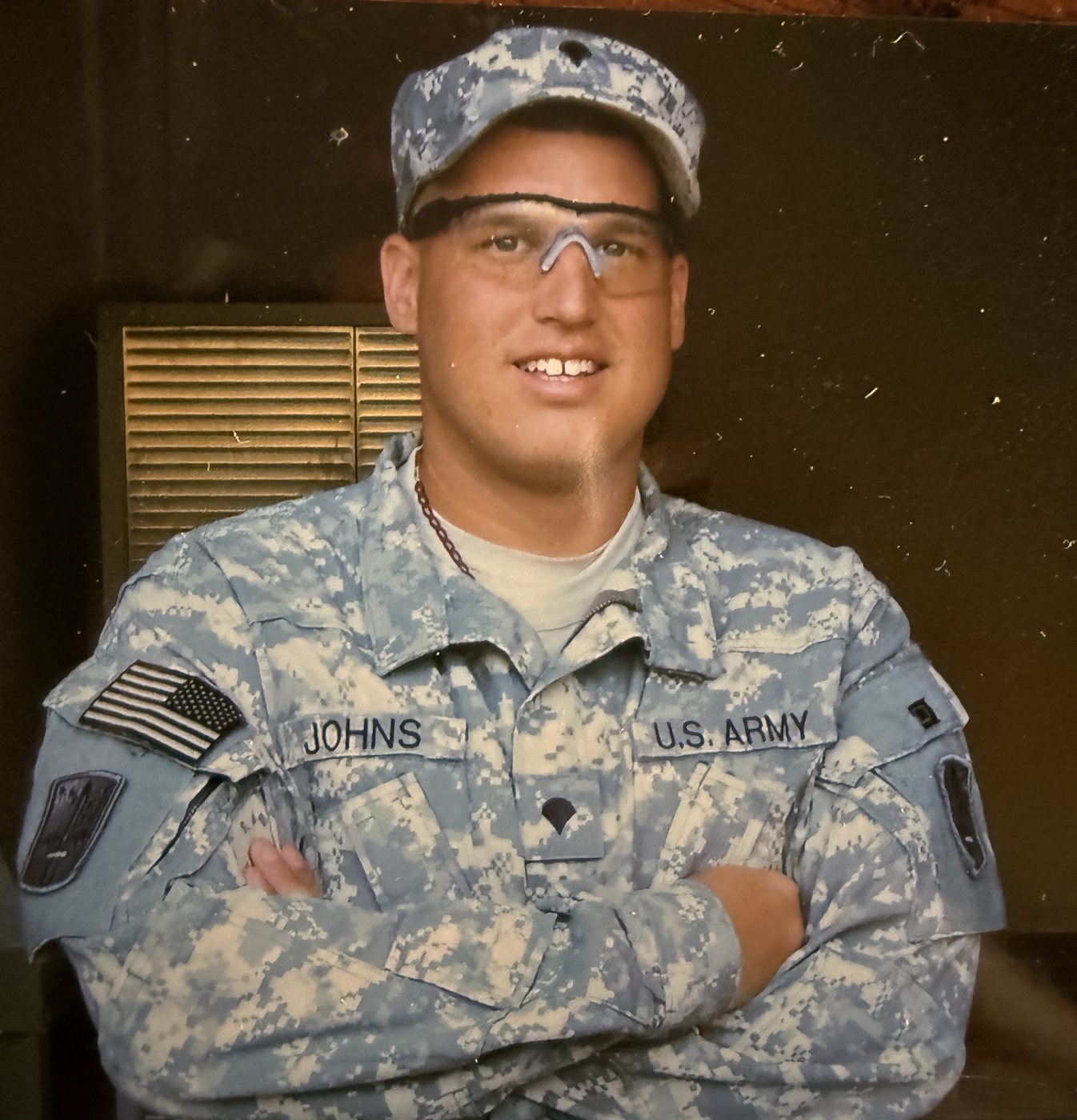
I served nearly nine years on active duty after being born with bilateral congenital clubfoot. My experience was enlisted, but the broader military lesson still applies: medical standards and real-world function do not disappear because someone is motivated, capable, or high-performing.

Officer applicants with altered mechanics should take themselves seriously enough to be honest. If your goal is to lead, start by telling the truth about your body, your records, your limitations, and your function.

The right goal is not to sneak through. It is to prove readiness honestly or accept that the system may decide the risk is too high.

Coming Soon: My Military Story With Clubfoot

Related Resources

Where This Officer Programs Guide Fits

Military Hub

The parent hub for military service, altered mechanics, MEPS, waivers, fitness, boots, deployment, and retention.

Return to Military Hub

Eligibility Guide

How altered mechanics may affect military entry, appointment, standards, and review.

Read Eligibility Guide

MEPS Medical Review

How medical review may evaluate altered mechanics, records, surgery history, gait, and current function.

Read MEPS Guide

Military Waivers

How waiver packets may use records, function evidence, and service-specific risk review.

Read Waiver Guide

Questions Before Service

A practical checklist for applicants, parents, teens, and adults before pursuing military service.

Read Questions Guide

Military Retention

Profiles, deployability, MEB, PEB, medical separation, and medical retirement.

Read Retention Guide

Common Questions About Officer Programs and Medical History

Do officer programs have medical standards?

Yes. Officer applicants still face medical qualification standards or waiver review depending on the pathway, branch, program, and condition.

Can you do ROTC with clubfoot?

It depends on current function, pain, range of motion, surgery history, gait, footwear tolerance, program requirements, and medical review. Some applicants may need waiver consideration.

Can you attend a service academy with altered mechanics?

Possibly, but academy applicants must meet medical standards or receive waiver consideration when applicable. Altered mechanics may require records and review.

Does OCS or OTS avoid MEPS or medical review?

No. Officer candidate pathways still require medical qualification through the applicable military medical process. The exact route may vary by branch and program.

Can a strong academic record overcome a medical disqualification?

Academic strength helps the application, but it does not erase medical standards. Waiver review is still based on medical risk, records, function, and service needs.

Should officer applicants hide childhood clubfoot or surgery history?

No. Applicants should disclose medical history honestly and follow the instructions from the program, recruiter, DoDMERB, MEPS, or branch medical authority.

Do prior-service members need medical review before commissioning?

They may. Prior-service commissioning, specialty programs, aviation, component changes, or breaks in service can require additional medical review.

Is this official officer accession guidance?

No. This page is educational and does not replace current guidance from ROTC programs, academy admissions, recruiters, DoDMERB, MEPS, branch medical authorities, or official military sources.

Critical Military and Medical Disclaimer

This page is for education and discussion only. It is not medical advice, legal advice, recruiting advice, ROTC guidance, academy admissions guidance, waiver advice, commissioning advice, or an official military determination.

Always follow current guidance from the specific officer program, ROTC cadre, academy admissions office, recruiter, DoDMERB, MEPS medical staff, service waiver authority, military medical staff, physician, physical therapist, orthopedist, podiatrist, sports medicine clinician, or other qualified professional. Military standards, policies, waiver rules, timelines, and review procedures can change.

© 2026 Clubfoot Forward | Officer programs and medical history, ROTC, service academies, OCS, OTS, direct commission, clubfoot, altered mechanics, MEPS, DoDMERB, medical waivers, and military readiness.