Joint Fusion • Ankle Fusion • Triple Arthrodesis • Military Service • Altered Mechanics

Joint Fusion and Military Service

Joint fusion and military service is not a simple yes-or-no question. A fused ankle, triple arthrodesis, subtalar fusion, midfoot fusion, hindfoot fusion, or other orthopedic fusion may be stable in daily life but still matter under military conditions.

Military service asks the body to repeat hard tasks: running, standing, marching, rucking, wearing boots, moving on uneven terrain, carrying load, recovering, deploying, and performing when conditions are not ideal.

A fusion can reduce pain or create stability, but it also permanently changes motion. That altered motion may shift stress into nearby joints, change gait, limit terrain tolerance, affect boot fit, or create problems under repeated load.

The question is not only whether the joint is fused. The question is whether the whole body can still meet military demands.

Stability

Fusion may stabilize a painful or damaged joint, but the military still has to evaluate how that fused joint affects movement, function, and readiness.

Motion Loss

A fused joint no longer contributes normal motion. The body may compensate through nearby joints, the opposite limb, or changes in stride and posture.

Military Stress

Boots, load bearing, uneven terrain, running, marching, field conditions, and long recovery demands can expose the real cost of a fusion.

Plain-Language Summary

A joint fusion means two or more bones were surgically joined so that the joint no longer moves normally. This can reduce pain or improve stability, but it also changes how the body moves.

In military service, fusion may matter because the body must handle repeated physical stress. A fused ankle or foot may work well in normal life but struggle with boots, rucking, running, hills, stairs, uneven ground, squatting, kneeling, field duty, or deployment.

Some people with fusion histories may be disqualified. Some may be considered for waiver review. Some may already be serving and later face profiles, retention questions, or medical-board review if the fusion limits duty.

The determining issue is function, not pride.

Official Context

How Joint Fusion Fits Into Military Medical Review

DoD Instruction 6130.03 Volume 1 establishes physical and medical standards for appointment, enlistment, or induction into military service. Those standards are used to determine whether an applicant is medically qualified for entry.

Military Health System explains that applicants who do not meet DoDI 6130.03 Volume 1 standards may be considered for a medical accession waiver after thorough review and sufficient medical documentation.

In practical terms, a fusion history may require records, exam findings, current functional evidence, and possibly waiver review. The service is not only asking whether the surgery healed. It is asking whether the fused joint and the rest of the body can safely meet military demands.

Definition

What Is Joint Fusion?

Joint fusion, also called arthrodesis, is surgery that joins bones across a joint so that the joint no longer moves in the normal way. It may be done to reduce pain, improve alignment, or stabilize a severely damaged or abnormal joint.

In the foot and ankle, fusion may involve the ankle joint, subtalar joint, midfoot joints, hindfoot joints, or multiple joints at once. Triple arthrodesis typically refers to fusion of three hindfoot joints.

Fusion can be helpful medically, but it changes biomechanics permanently. Motion that used to happen at the fused joint has to be absorbed somewhere else.

Fusion Can Solve One Problem and Create a New Military Question

A fused joint may hurt less and feel more stable. That does not automatically mean it is ready for military service.

The military question is whether the fused system can tolerate repeated duty demands without predictable breakdown.

Altered Mechanics

Why Fusion Changes the Whole Movement System

A fused joint does not move normally. That means the body has to adapt around it. The nearby joints, opposite limb, knee, hip, back, stride pattern, cadence, balance, and footwear strategy may all compensate.

This can be functional, but it can also carry a cost under military stress.

  • Limited ankle motion can change stride length, push-off, and hill tolerance.
  • Hindfoot fusion may reduce adaptability on uneven terrain.
  • Midfoot or hindfoot stiffness may increase pressure in boots.
  • The knee, hip, back, or opposite limb may absorb extra motion or load.
  • Running and rucking may reveal compensation that walking does not.
  • Field conditions may expose terrain limitations quickly.
Read the Gait & Compensation Hub

Common Fusion Examples

Fusion Types That May Matter in Military Service

Ankle Fusion

Ankle fusion limits up-and-down ankle motion. This may affect running, stairs, squatting, hills, rucking, boots, and uneven terrain.

Triple Arthrodesis

Triple arthrodesis fuses three hindfoot joints. It may improve stability but reduce adaptability on uneven terrain and alter foot mechanics under load.

Subtalar Fusion

Subtalar fusion can affect side-to-side foot adaptability, especially on slopes, uneven surfaces, field terrain, and load-bearing movement.

Midfoot Fusion

Midfoot fusion may affect foot flexibility, pressure distribution, boot fit, running mechanics, and tolerance during prolonged standing or marching.

Fusion After Injury

Fusion after fracture, trauma, arthritis, or reconstruction may need review based on pain, hardware, motion, stability, gait, and current duty tolerance.

Fusion After Clubfoot

Some adults with complex clubfoot history may have fusion procedures. Military review then has to consider both the clubfoot background and the fused joint mechanics.

Read Clubfoot and Military Service

MEPS

How MEPS May Review a Fusion History

MEPS may review fusion history through medical disclosure, surgery records, visible scars, exam findings, gait, range of motion, imaging reports, orthopedic notes, and current symptoms.

Review may focus on:

  • Which joint was fused
  • Why the fusion was performed
  • Whether the fusion is healed and stable
  • Whether hardware remains
  • Current pain, swelling, instability, or flare-ups
  • Range of motion in nearby joints
  • Gait, limp, balance, and compensation
  • Ability to run, squat, march, and carry load
  • Footwear and boot tolerance
  • Whether restrictions or follow-up care are still needed
Read the MEPS Medical Review Guide

Waivers

Can You Get a Military Waiver With Joint Fusion?

Some applicants with fusion history may be considered for waiver review, but approval is never guaranteed. The service has to decide whether the fused joint creates unacceptable risk for training, duty, deployment, and readiness.

A stronger waiver picture may include stable healing, no significant pain, no major restrictions, good boot tolerance, functional gait, successful repeated activity, and clear specialist documentation.

A weaker waiver picture may include recent surgery, incomplete healing, chronic pain, poor gait, severe motion loss, instability, skin breakdown, inability to run or carry load, frequent flare-ups, or unclear records.

Read the Military Waiver Guide

A Fusion Waiver Is Really a Function Question

The service is not simply asking, “Is the joint fused?”

It is asking whether the fused joint creates a predictable problem when the person has to train, wear boots, move under load, deploy, and keep functioning.

Boots and Load

Why Boots and Load Bearing Matter More With Fusion

Boots can reduce motion. Fusion already reduces motion. When both are combined, the body may have even less ability to adapt to slopes, uneven ground, stairs, squatting, running, or long days on hard surfaces.

Load bearing adds another layer. A ruck, armor, gear, or long duty day increases force through the fused system and the joints compensating around it.

Fusion-related boot and load issues may include:

  • Pressure over hardware, scars, or bony areas
  • Gait changes after hours in boots
  • Pain on uneven terrain
  • Increased knee, hip, back, or opposite-limb stress
  • Difficulty with hills, stairs, kneeling, or squatting
  • Swelling after load-bearing movement
  • Reduced recovery after repeated days
Read Military Boots and Load Bearing

Fitness

Running, Rucking, and PT With Joint Fusion

Military fitness is not only about whether someone can complete a single event. It is about whether the body can recover and repeat the work.

With fusion, running and rucking may become harder because motion has to come from somewhere else. A fused ankle or hindfoot may change stride, cadence, push-off, shock absorption, terrain response, and recovery cost.

The warning signs are not only pain in the fused joint. Watch for compensation symptoms elsewhere:

  • Knee pain after running or rucking
  • Hip fatigue or asymmetry
  • Low back pain under load
  • Opposite foot or ankle overload
  • Gait changes under fatigue
  • Swelling or next-day loss of function
Read Military Fitness With Altered Mechanics

Field Conditions

Field Conditions Can Expose Fusion Limits

Fusion may be manageable on flat ground but more difficult in the field. Uneven terrain, slopes, wet ground, gravel, sand, stairs, heat, long boot wear, and fatigue can all demand motion or adaptability the fused joint no longer has.

The body may compensate successfully for a while, but repeated field stress can reveal the true cost.

  • Does uneven terrain increase pain?
  • Does balance worsen when tired?
  • Do boots and terrain create pressure or skin problems?
  • Does load make compensation worse?
  • Do field days require several days of recovery?
Read Deployment and Field Conditions

Records

Medical Records That May Matter for Fusion Review

Fusion history should be clearly documented. The military review may need to understand why the fusion happened, what joint was fused, whether it healed, what hardware remains, and how the body functions now.

  • Operative report
  • Diagnosis leading to fusion
  • Post-operative follow-up records
  • Imaging reports showing fusion status when relevant
  • Hardware documentation
  • Physical therapy records
  • Current orthopedic evaluation
  • Range of motion and gait findings
  • Pain, swelling, stability, and restriction documentation
  • Activity history showing durable function

The goal is clarity. A vague history of “ankle surgery” is much weaker than records that explain what was done and what the applicant can do now.

Retention

Joint Fusion After You Are Already Serving

Fusion can also become relevant after accession. A service member may enter without fusion and later need surgery, or may enter with a fusion history that becomes more limiting under years of military stress.

Profiles, duty limitations, deployability concerns, repeated orthopedic care, or medical-board review may become relevant if the fusion affects required duties.

This is why joint fusion belongs in both the entry conversation and the retention conversation.

Read Military Retention and Medical Boards

Questions Before Service

Questions to Ask Before Pursuing Service With Joint Fusion

  • Which joint is fused, and why was it fused?
  • Is the fusion healed and stable?
  • Do I have pain, swelling, instability, or flare-ups?
  • Can I run, stand, and recover repeatedly?
  • Can I wear boots for long periods without pressure or skin breakdown?
  • Can I carry load without pain spreading into other areas?
  • Does uneven terrain expose balance or motion limits?
  • Do I have current orthopedic documentation?
  • Does the military job I want match my fused-joint reality?
  • Am I prepared for disqualification or waiver review?
Read Questions Before Pursuing Military Service

Fusion Is Not Weakness

A fused joint is not a character flaw. It is a structural reality.

The military question is not whether someone is tough. The question is whether the fused system can safely and repeatedly perform under military demands.

Lived Experience

Clubfoot Forward Perspective

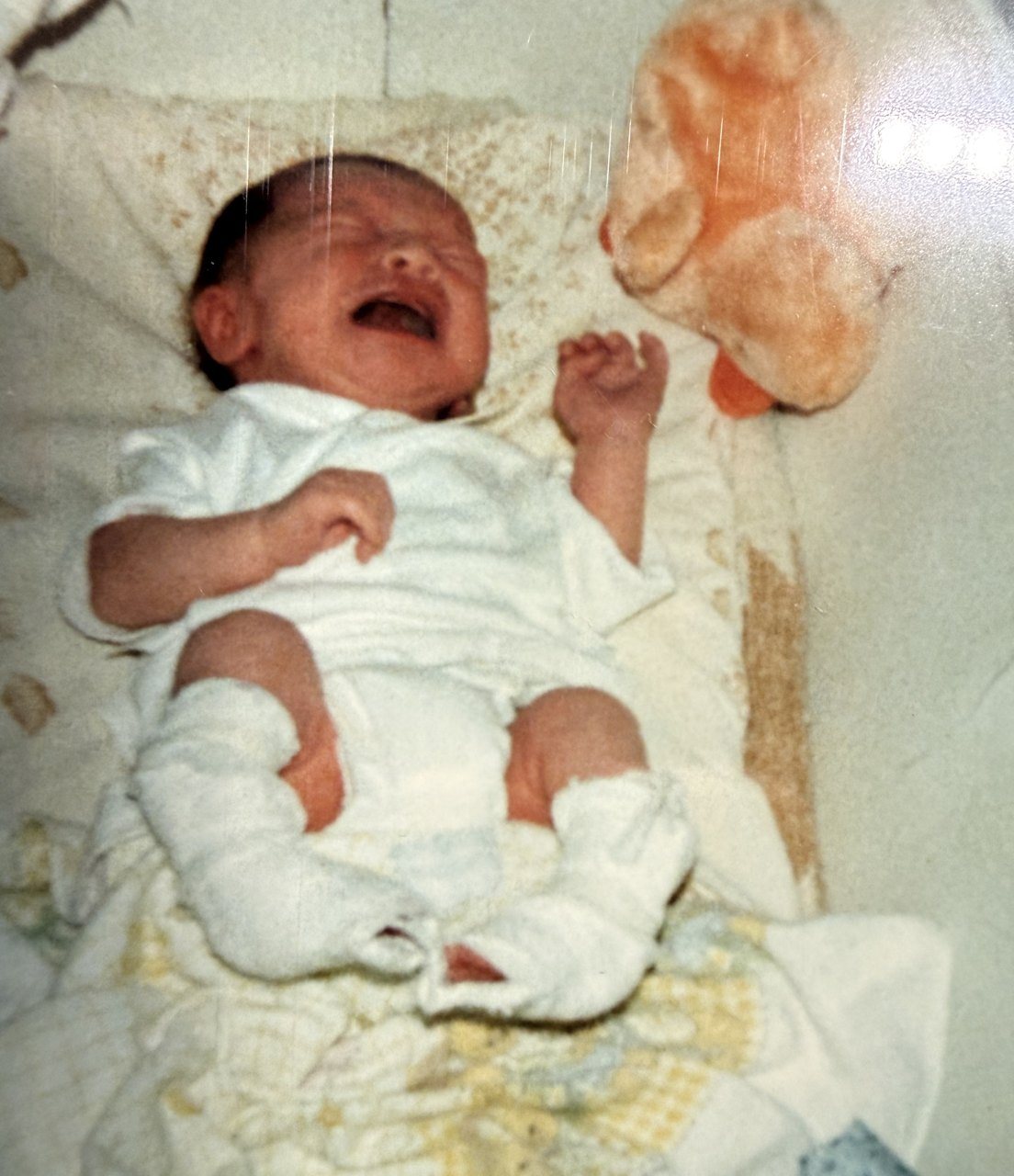
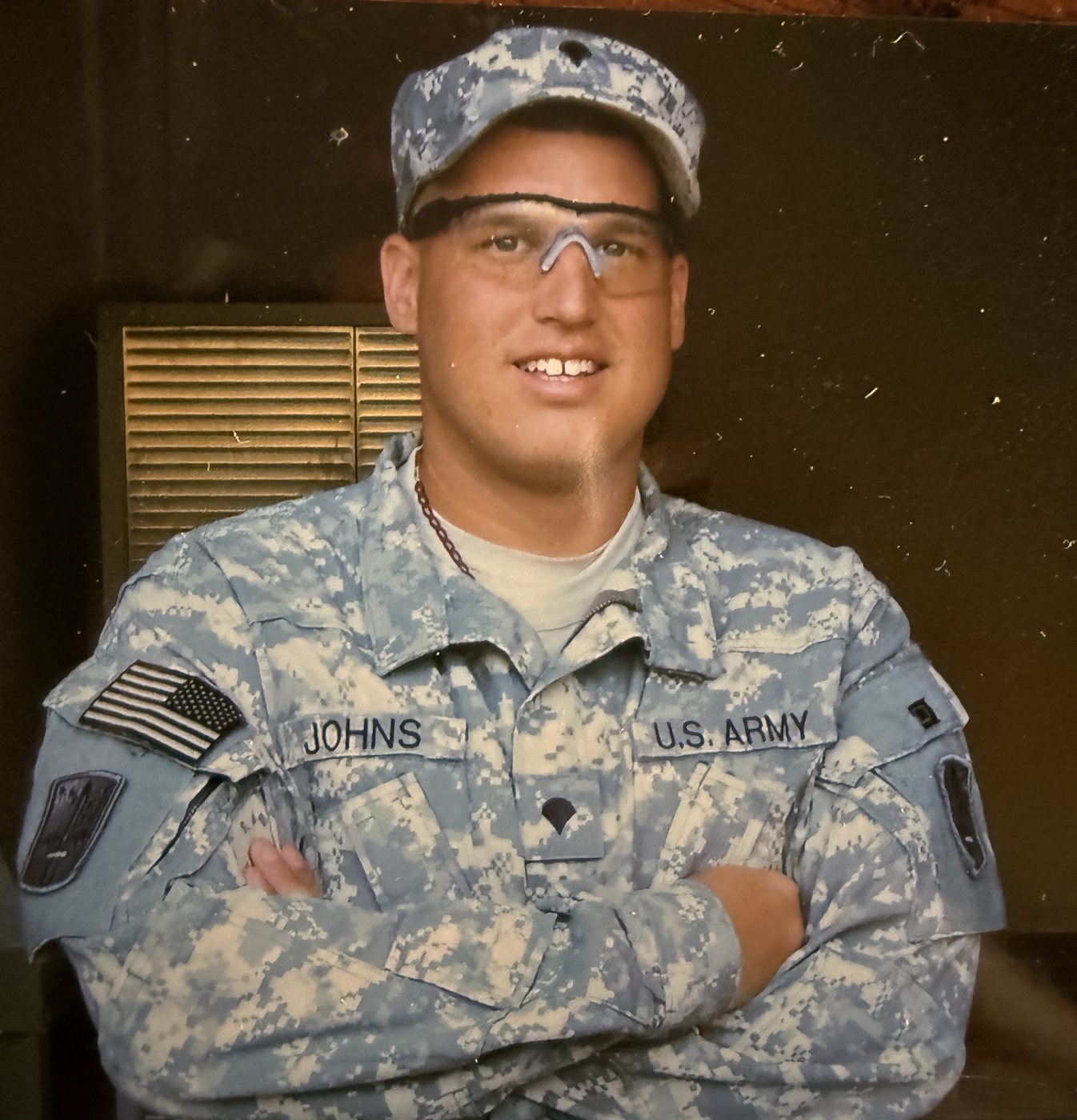
I served nearly nine years on active duty after being born with bilateral congenital clubfoot and later living with significant altered mechanics. Fusion is one of the clearest examples of why the broader altered-mechanics frame matters.

A fused joint changes the entire system. It may help one problem but shift demand somewhere else. Military service then tests whether that adapted system can hold up under repeated stress.

That is why this page is not only about eligibility. It is about honesty, function, records, readiness, and long-term consequences.

Coming Soon: My Military Story With Clubfoot

Related Resources

Where This Joint Fusion Guide Fits

Military Hub

The parent hub for military service, altered mechanics, MEPS, waivers, fitness, boots, deployment, and retention.

Return to Military Hub

Structural Abnormalities

The broader guide for structural abnormalities, foot deformity, limb asymmetry, fusion, hardware, and altered mechanics.

Read Structural Abnormalities Guide

MEPS Medical Review

How medical review may evaluate altered mechanics, records, surgery history, gait, and current function.

Read MEPS Guide

Military Waivers

How waiver packets may use records, function evidence, and service-specific risk review.

Read Waiver Guide

Military Fitness

Running, rucking, PT tests, recovery, load bearing, and readiness with altered mechanics.

Read Fitness Guide

Boots and Load Bearing

Military boots, rucking, load carriage, foot pressure, skin breakdown, and gait compensation.

Read Boots and Load Guide

Common Questions About Joint Fusion and Military Service

Can you join the military with joint fusion?

Sometimes, but it depends on the fused joint, function, pain, gait, range of motion, boot tolerance, surgery history, records, branch needs, and waiver review when applicable.

Can you join the military with ankle fusion?

Ankle fusion may create significant review concerns because it permanently changes motion. The outcome depends on current function, pain, gait, running, rucking, boots, and service-specific review.

Can you join the military with triple arthrodesis?

Triple arthrodesis may affect hindfoot motion, terrain adaptability, gait, and load bearing. Some applicants may be disqualified or require waiver review depending on function.

Does fusion automatically disqualify you?

Not automatically in every possible case, but fusion can be a serious medical-review issue because it changes joint motion and may affect military readiness.

Can you get a military waiver for fusion?

Some applicants may be considered for waiver review. Approval is never guaranteed and depends on current function, stability, documentation, pain, role demands, and service risk.

Why do boots and rucking matter with fusion?

Boots may restrict motion further, and rucking increases load through the fused system and compensating joints. This can expose pain, pressure, gait changes, or recovery problems.

Can fusion become a problem after someone is already serving?

Yes. Fusion may lead to profiles, duty limitations, deployability concerns, or medical-board review if it limits required military duties.

Is this official military guidance?

No. This page is educational and does not replace official guidance from recruiters, MEPS, DoDMERB, waiver authorities, military medical staff, or qualified medical professionals.

Critical Military and Medical Disclaimer

This page is for education and discussion only. It is not medical advice, legal advice, recruiting advice, waiver advice, physical therapy instruction, training prescription, PEBLO guidance, VA claims advice, or an official military determination.

Always follow current guidance from your recruiter, MEPS medical staff, DoDMERB, service waiver authority, military medical staff, physician, physical therapist, orthopedist, podiatrist, sports medicine clinician, or other qualified professional. Military standards, policies, waiver rules, timelines, and review procedures can change.

© 2026 Clubfoot Forward | Joint fusion and military service, ankle fusion, triple arthrodesis, altered mechanics, MEPS, waivers, boots, rucking, gait compensation, deployment, retention, and real-world function.