Prior Surgery • Military Service • MEPS • Waivers • Altered Mechanics

Prior Surgery and Military Service

Prior surgery does not automatically answer military eligibility. A surgery history may be minor, fully healed, and functionally irrelevant, or it may leave pain, restrictions, hardware, fusion, limited range of motion, altered gait, instability, or recurring problems that matter during military review.

For clubfoot, ankle fusion, tendon transfer, osteotomy, fracture repair, ligament reconstruction, orthopedic hardware, spinal surgery, knee surgery, hip surgery, or other procedures, the military question is usually not simply “Did you have surgery?” It is “What is the outcome now?”

This guide explains how prior surgery may affect MEPS, military eligibility, waiver review, officer programs, fitness, boots, field conditions, deployment, and long-term retention.

Surgery history matters most when it changes current function, risk, readiness, or durability.

Outcome

A healed procedure with no pain, restrictions, instability, or functional loss is reviewed differently from surgery that leaves ongoing limitation.

Documentation

Operative reports, specialist notes, imaging, physical therapy records, restrictions, and current function may all matter during review.

Military Demands

Running, boots, rucking, load bearing, field conditions, deployment, and repeated recovery can expose surgical limits that normal life does not.

Plain-Language Summary

You can have surgery in your past and still pursue military service in some cases. But the surgery may need review, especially if it involved bones, joints, tendons, ligaments, hardware, fusion, reconstruction, or a condition that could affect training or duty.

MEPS and waiver authorities may care about why the surgery happened, what procedure was done, whether healing is complete, whether hardware remains, whether restrictions exist, whether pain remains, and whether the applicant can perform military tasks repeatedly.

The strongest medical picture is usually honest, well documented, and focused on current function.

Official Context

How Prior Surgery Fits Into Military Medical Review

DoD Instruction 6130.03 Volume 1 establishes medical standards for appointment, enlistment, or induction into military service. Military medical review may consider whether a prior condition, surgery, defect, or residual limitation could interfere with training, duty, readiness, or worldwide service.

Military Health System explains that accession standards help bring medically qualified people into service and that some applicants who do not meet standards may be considered for service-specific waiver review after medical documentation is reviewed.

In plain language: surgery does not automatically mean yes or no. The review often depends on the reason for surgery, the type of surgery, the result, and the current functional risk.

Core Concept

Surgery Is a History. Function Is the Review Question.

A surgery record tells the military what happened. It does not fully answer what the body can do now.

Two applicants can have similar surgery names and very different outcomes. One may have no pain, no restrictions, full function, stable recovery, and strong physical tolerance. Another may have chronic pain, hardware problems, limited motion, poor gait, or repeated flare-ups.

That is why prior surgery review often becomes a current-function review.

  • Is the condition healed?
  • Is there residual pain or swelling?
  • Are there activity restrictions?
  • Is range of motion limited?
  • Is there instability or recurrent injury?
  • Does hardware remain?
  • Can the applicant wear boots and carry load?
  • Can the applicant train, recover, deploy, and repeat hard days?

The Most Important Difference

A successful surgery medically is not always the same as a military-ready result.

The military may still ask whether the repaired, reconstructed, fused, or surgically altered body can tolerate the demands of service.

MEPS

How MEPS May Review Prior Surgery

MEPS may review prior surgery through disclosure forms, medical records, scars, physical exam findings, range of motion, gait observation, imaging reports, specialist notes, and applicant history.

MEPS may ask for records or further review when surgery involved:

  • Bones, joints, tendons, ligaments, or nerves
  • Hardware such as screws, plates, rods, anchors, or pins
  • Fusion, reconstruction, tendon transfer, or osteotomy
  • Spine, hip, knee, ankle, foot, shoulder, or major orthopedic structures
  • Recurring injuries or repeated procedures
  • Current restrictions, pain, braces, orthotics, or therapy
  • Unclear recovery or missing documentation

The goal of review is not to punish someone for having surgery. It is to determine whether the surgical history creates risk under military standards.

Read the MEPS Medical Review Guide

Common Surgery Categories

Prior Surgeries That May Matter in Military Service

Clubfoot Surgery

Tenotomy, tendon transfer, osteotomy, release procedures, fusion, or later reconstruction may matter when they leave stiffness, pain, gait change, scarring, or footwear issues.

Read Clubfoot and Military Service

Joint Fusion

Ankle fusion, triple arthrodesis, subtalar fusion, or other fusion procedures permanently change motion and may affect running, boots, rucking, terrain, and recovery.

Read Joint Fusion and Military Service

Fracture Repair and Hardware

Plates, screws, rods, pins, or anchors may be stable and asymptomatic, or they may create pain, pressure, limits, or review concerns under impact and load.

Coming Soon: Orthopedic Hardware and Military Service

Knee, Hip, or Ankle Reconstruction

Ligament repair, tendon reconstruction, cartilage procedures, osteotomy, or joint stabilization may matter when they affect stability, running, load carriage, or re-injury risk.

Coming Soon: Reconstruction and Military Service

Spine Surgery

Spine procedures may require close review because military service can involve lifting, load carriage, impact, field conditions, and deployment demands.

Coming Soon: Spine Surgery and Military Service

Corrective Structural Surgery

Surgery for limb alignment, foot deformity, hip structure, or other structural abnormalities may need review based on outcome and current function.

Read Structural Abnormalities Guide

Waivers

Can You Get a Military Waiver After Prior Surgery?

Some applicants with prior surgery may be considered for waiver review if they do not meet accession standards. Approval is never guaranteed.

A waiver review may be stronger when the surgical outcome is stable, well documented, pain-free or low-symptom, unrestricted, and supported by current function. It may be weaker when surgery is recent, recovery is incomplete, pain persists, restrictions remain, hardware is symptomatic, or performance breaks down under load.

Useful waiver evidence may include:

  • Operative report
  • Post-operative follow-up notes
  • Physical therapy discharge records
  • Current specialist evaluation
  • Imaging reports when relevant
  • Range of motion and strength findings
  • Documentation of restrictions or no restrictions
  • Activity history showing durable function
  • Footwear, boot, running, and load-bearing tolerance
Read the Military Waiver Guide

A Waiver Packet Should Not Hide Surgery

A strong packet explains the surgery clearly and shows current function honestly.

Hiding surgery history can create bigger problems later, especially if symptoms appear during training or service.

Timing

Why Time Since Surgery Matters

Recent surgery is often reviewed differently from remote, fully healed surgery. The military may care whether healing is complete, whether rehabilitation is finished, whether the condition is stable, and whether the applicant has proven function after recovery.

Time alone is not enough. A surgery from years ago can still matter if pain, instability, hardware irritation, limited motion, or restrictions remain. A more recent surgery may still require time, records, and demonstrated stability before a review can move forward.

  • Was the recovery completed?
  • Was physical therapy completed?
  • Are follow-up visits still ongoing?
  • Are restrictions still active?
  • Has the applicant returned to full activity?
  • Has the applicant tolerated repeated physical stress after surgery?

Hardware

Orthopedic Hardware, Pain, and Military Review

Hardware does not always create a problem. Some people have screws, plates, rods, pins, or anchors that are stable, asymptomatic, and compatible with high activity.

Hardware may become more relevant when it causes pain, pressure, nerve symptoms, soft-tissue irritation, limits, or concern under impact, boots, load bearing, armor, field conditions, or repeated training.

The review question is whether the hardware and the repaired structure can tolerate military demands.

Coming Soon: Orthopedic Hardware and Military Service

Fitness

Military Fitness After Prior Surgery

A person may return to normal life after surgery but still not know how the body responds to military-style stress. Running, rucking, boots, load bearing, field conditions, and limited recovery are different from ordinary activity.

Fitness after surgery should be judged by repeatability:

  • Can you run repeatedly without pain escalation?
  • Can you wear boots without pressure or skin breakdown?
  • Can you carry load without compensation spreading?
  • Can you recover and train again?
  • Does fatigue expose gait changes?
  • Does the surgical area tolerate impact and repetition?
Read Military Fitness With Altered Mechanics

Boots and Field Conditions

Boots, Load Bearing, and Field Conditions After Surgery

Surgery sites may behave differently in boots or under field conditions. Scars, hardware, fused joints, repaired tendons, reconstructed ligaments, and altered alignment may all respond differently to pressure, heat, moisture, terrain, and load.

A surgical result that works in normal shoes may feel different in military footwear. A repaired joint that handles flat ground may struggle on slopes, uneven terrain, stairs, or loaded movement.

Boots

Stiff footwear can expose pressure points, scars, altered motion, hardware sensitivity, and abnormal loading.

Read Boots and Load Guide

Retention

Surgery can become relevant after accession if it leads to profiles, duty limits, deployability concerns, or medical-board review.

Read Retention Guide

Officer Programs

Prior Surgery and Officer Programs

ROTC, service academies, OCS, OTS, direct commission, warrant officer, and prior-service commissioning pathways may all involve medical review. Prior surgery can matter in officer programs just as it can in enlisted accessions.

Officer applicants should not assume strong academics, leadership, professional credentials, or recommendation letters erase medical standards. Surgery history may still require records, review, and possible waiver consideration.

Read Officer Programs and Medical History

Questions Before Service

Questions to Ask Before Pursuing Service After Surgery

  • What surgery did I have, and why was it performed?
  • Do I have the operative report?
  • Is recovery fully complete?
  • Do I have current restrictions?
  • Is there pain, swelling, instability, or weakness?
  • Does hardware remain, and is it symptomatic?
  • Can I run, ruck, wear boots, and recover repeatedly?
  • Does fatigue change my gait?
  • Do I need braces, orthotics, medication, or special footwear?
  • Does my desired military job match the surgical outcome?
Read Questions Before Pursuing Military Service

Surgery Is Not a Failure

Having surgery does not make someone weak, unworthy, or automatically unfit. It means the body has a medical history that deserves accurate review.

The strongest approach is honesty: know the surgery, gather the records, understand the current function, and respect the demands of service.

Lived Experience

Clubfoot Forward Perspective

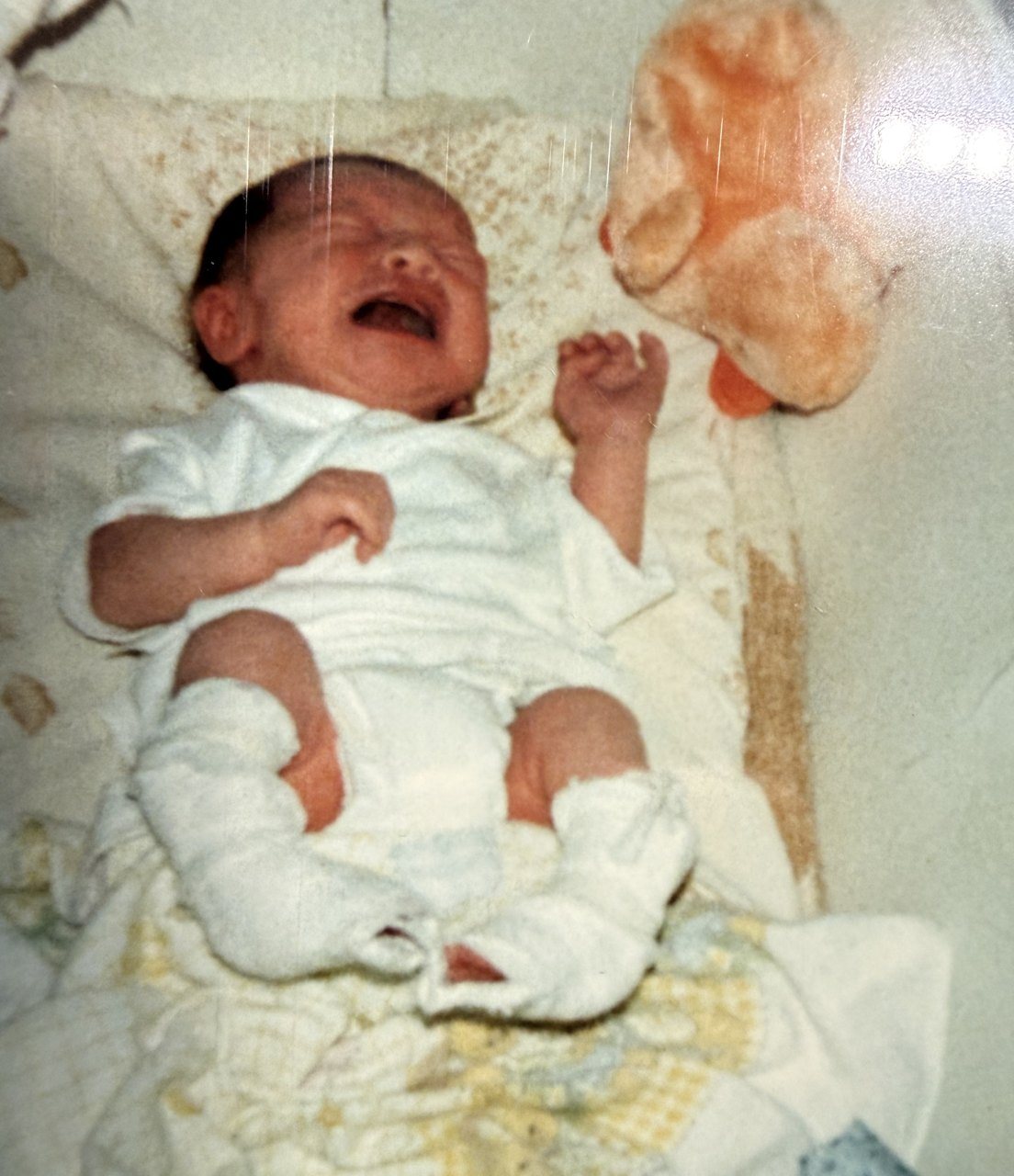
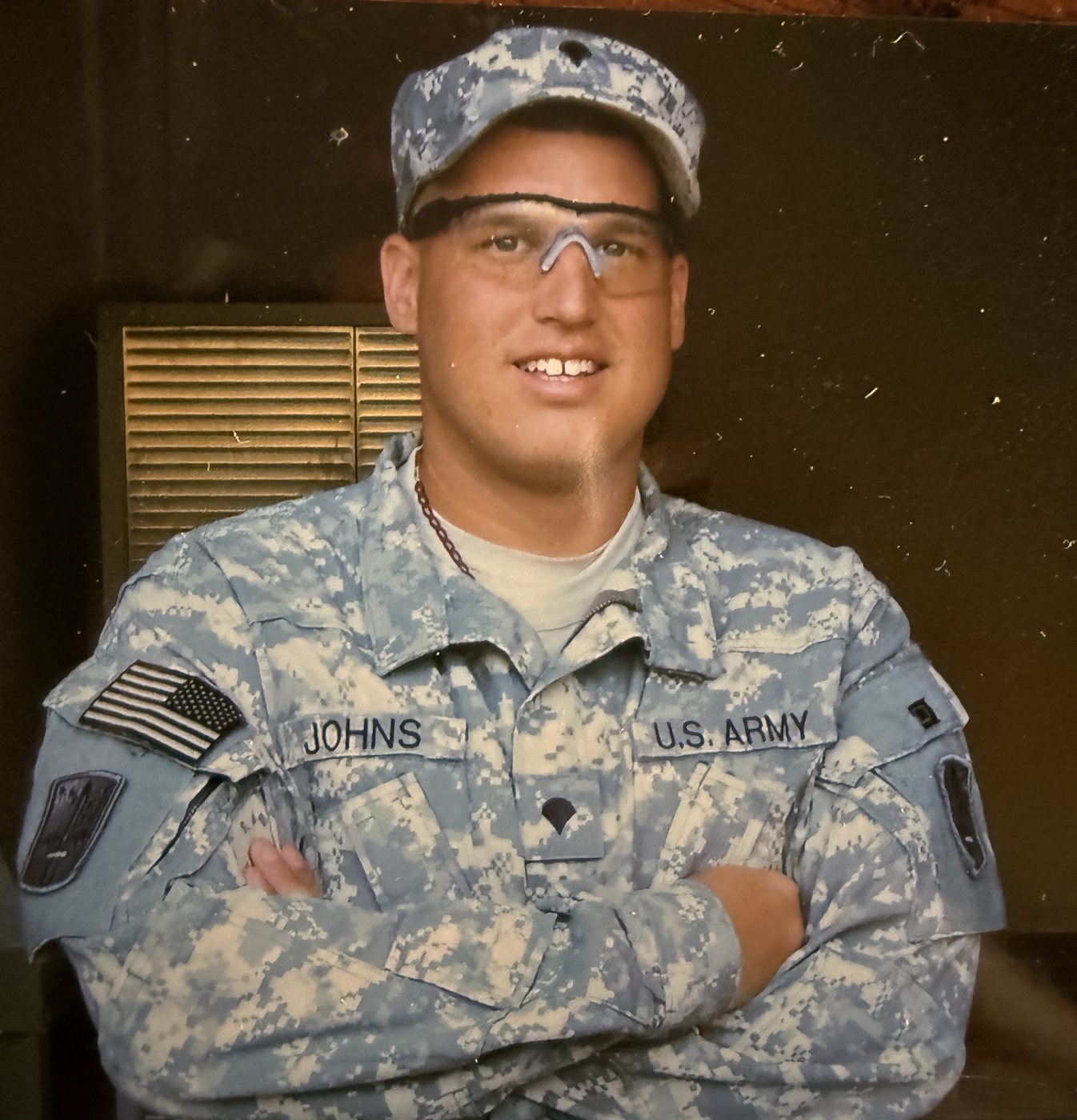
I served nearly nine years on active duty after being born with bilateral congenital clubfoot and living with a complex orthopedic history. Surgery is part of many altered-mechanics stories, but surgery alone does not tell the whole story.

What matters is the outcome: pain, motion, gait, stability, footwear, recovery, and whether the body can repeat military demands without predictable breakdown.

Prior surgery should not be hidden and should not be treated as automatic failure. It should be understood.

Coming Soon: My Military Story With Clubfoot

Related Resources

Where This Prior Surgery Guide Fits

Military Hub

The parent hub for military service, altered mechanics, MEPS, waivers, fitness, boots, deployment, and retention.

Return to Military Hub

MEPS Medical Review

How medical review may evaluate altered mechanics, records, surgery history, gait, and current function.

Read MEPS Guide

Military Waivers

How waiver packets may use records, function evidence, and service-specific risk review.

Read Waiver Guide

Joint Fusion

Ankle fusion, triple arthrodesis, altered motion, boots, rucking, waivers, and retention.

Read Joint Fusion Guide

Officer Programs

ROTC, academies, OCS, OTS, direct commission, DoDMERB, medical history, and waiver review.

Read Officer Programs Guide

Common Questions About Prior Surgery and Military Service

Can you join the military after surgery?

Sometimes. It depends on the surgery, outcome, pain, restrictions, range of motion, stability, hardware, recovery timeline, current function, branch needs, and waiver review when applicable.

Does prior surgery automatically disqualify you?

Not always. Some surgeries heal fully and leave no meaningful limitation. Others may be disqualifying if they leave pain, instability, restrictions, hardware problems, or functional limits.

Can MEPS disqualify you for prior surgery?

Yes. MEPS may disqualify an applicant if the surgical history or residual effects do not meet accession standards or appear likely to interfere with military service.

Can you get a waiver after surgery?

Some applicants may be considered for waiver review. Approval is never guaranteed and depends on documentation, current function, stability, pain, restrictions, and service-specific risk.

What records matter after prior surgery?

Useful records may include operative reports, post-operative follow-up, imaging, physical therapy records, current specialist evaluation, range of motion, restrictions, and activity tolerance.

Does orthopedic hardware matter for military service?

It can. Hardware may be stable and asymptomatic, or it may create pain, pressure, nerve symptoms, restrictions, or concern under military load and impact.

Can surgery become a problem after someone is already serving?

Yes. Surgery or residual limitations may become relevant later if they lead to profiles, duty limitations, deployability concerns, or medical-board review.

Is this official military guidance?

No. This page is educational and does not replace official guidance from recruiters, MEPS, DoDMERB, waiver authorities, military medical staff, or qualified medical professionals.

Critical Military and Medical Disclaimer

This page is for education and discussion only. It is not medical advice, legal advice, recruiting advice, waiver advice, physical therapy instruction, training prescription, PEBLO guidance, VA claims advice, or an official military determination.

Always follow current guidance from your recruiter, MEPS medical staff, DoDMERB, service waiver authority, military medical staff, physician, physical therapist, orthopedist, podiatrist, sports medicine clinician, or other qualified professional. Military standards, policies, waiver rules, timelines, and review procedures can change.

© 2026 Clubfoot Forward | Prior surgery and military service, altered mechanics, clubfoot surgery, joint fusion, orthopedic hardware, MEPS, waivers, officer programs, boots, fitness, deployment, and retention.