Clubfoot brace types, compared
There are three categories and about nine designs. Which one your clinic hands you is decided by what they stock and what your child’s foot needs, but knowing what each one is for makes the appointment a different conversation.
The categories
Three kinds, and only one of them is standard
Brace designs for clubfoot fall into three groups1.
Abduction braces are the standard after Ponseti casting. Two shoes on a bar, holding the feet abducted and dorsiflexed. Every one in use descends from the orthosis Denis Browne described in 19311.
Ankle-foot orthoses cover the foot and ankle and provide dorsiflexion only, typically set to neutral. They do not provide abduction, which matters because abduction is what lengthens the medial structures. Results with a unilateral AFO alone after Ponseti treatment have been disappointing, with a high recurrence rate. In one public health service, relapse ran at 71.9 percent in the years an ankle-foot orthosis was used, against 31.2 percent after it switched to an abduction brace.4 They do have a place combined with an abduction bar in specific situations. Myelomeningocele, arthrogryposis, fibular nerve dysfunction1.
Wheaton-type orthoses give some abduction but are custom-made and expensive, need frequent adjustment, and reach to the thigh, which promotes calf and thigh muscle atrophy. The Wheaton in full. The review is blunt about them: there is no evidence to support their efficacy, so they are not recommended for clubfoot1.
One open question. A purpose-built one-sided brace, tested against a Denis Browne in a non-randomized study, had fewer feet fail (17.2 against 41.3 percent) at three years or more.5 A UK consensus of clinicians, patients and families ranked one-sided against two-sided bracing as the top research priority in clubfoot.6 Until a trial settles it, the two-sided abduction brace remains the standard.
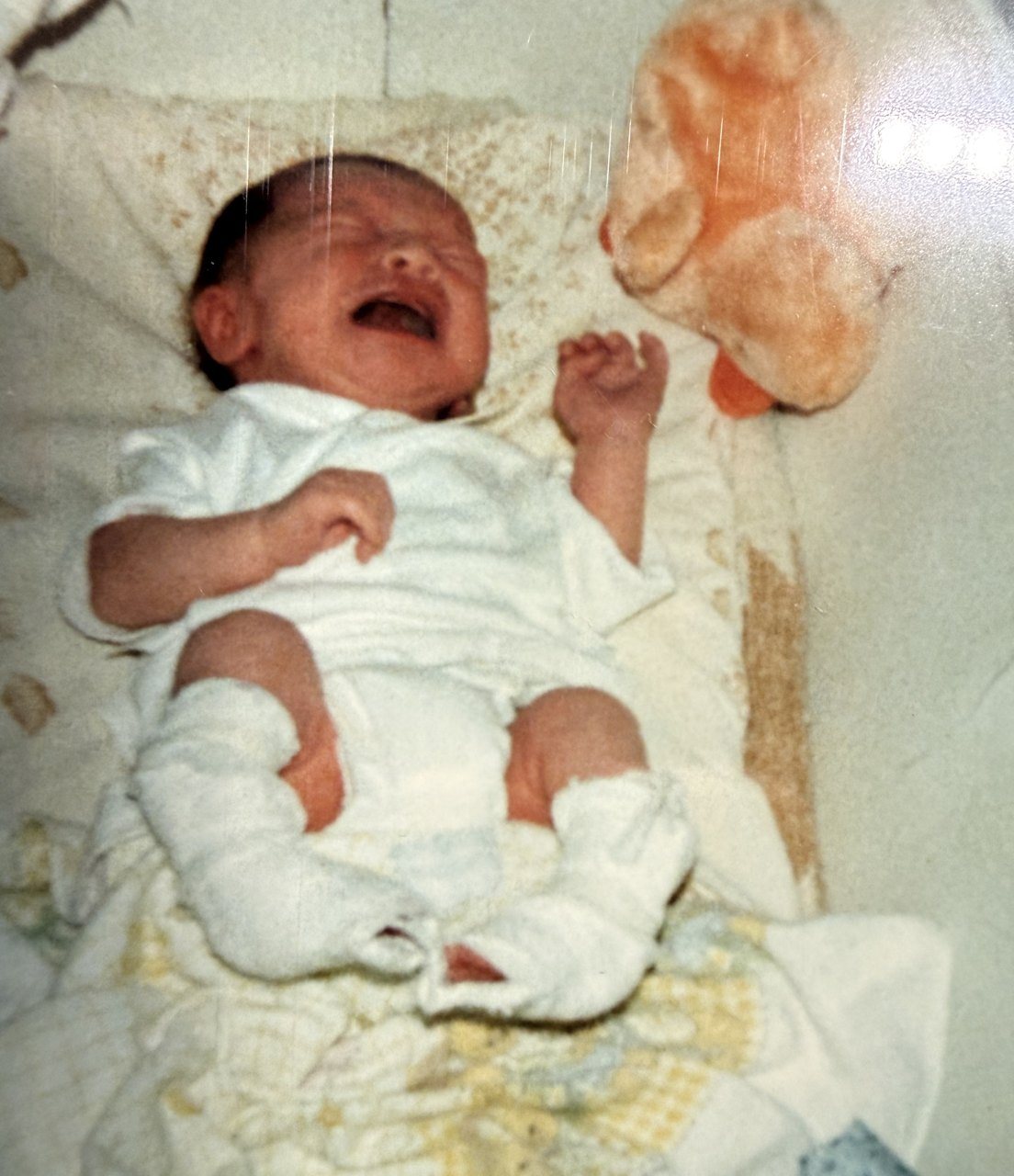
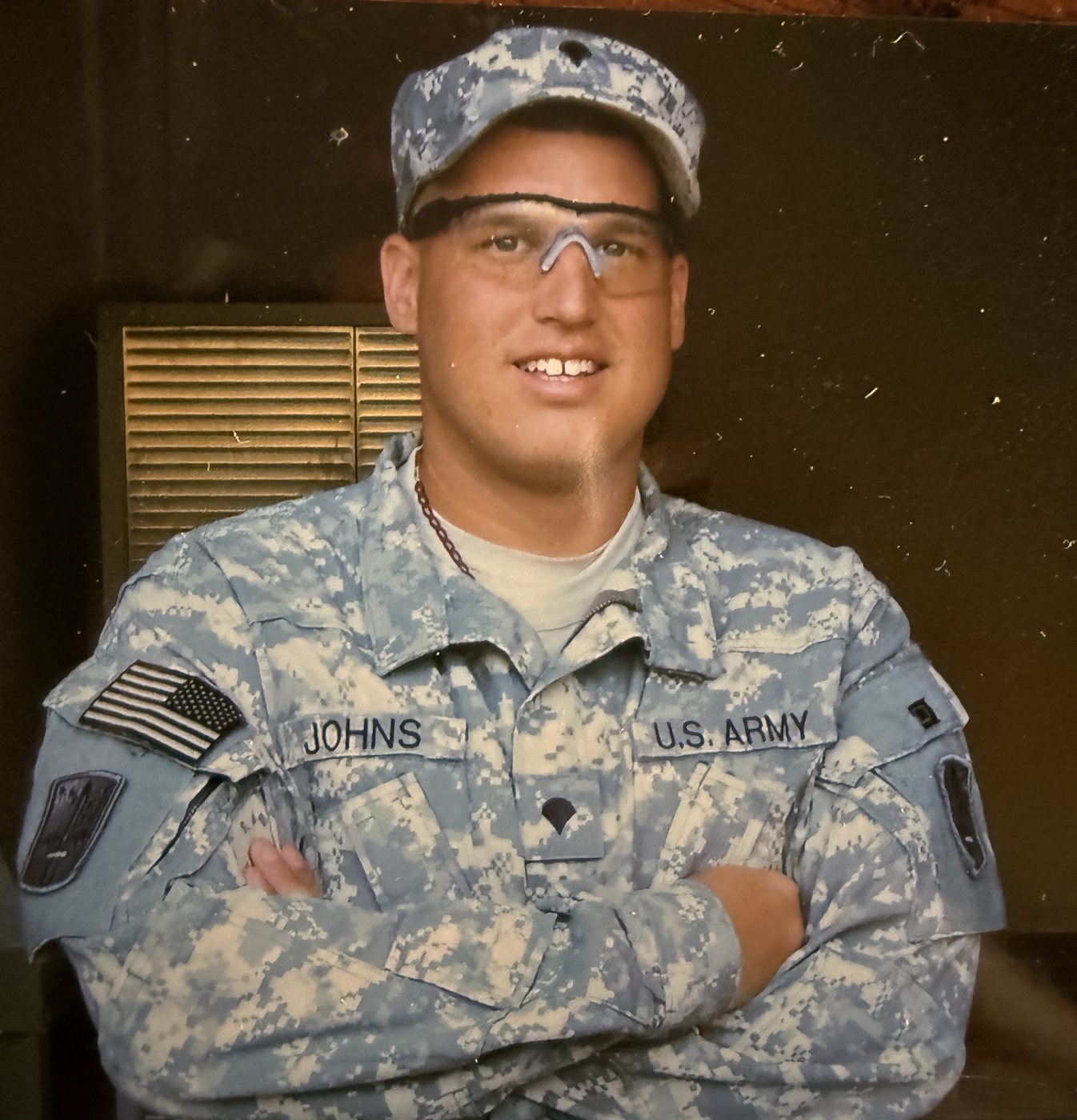
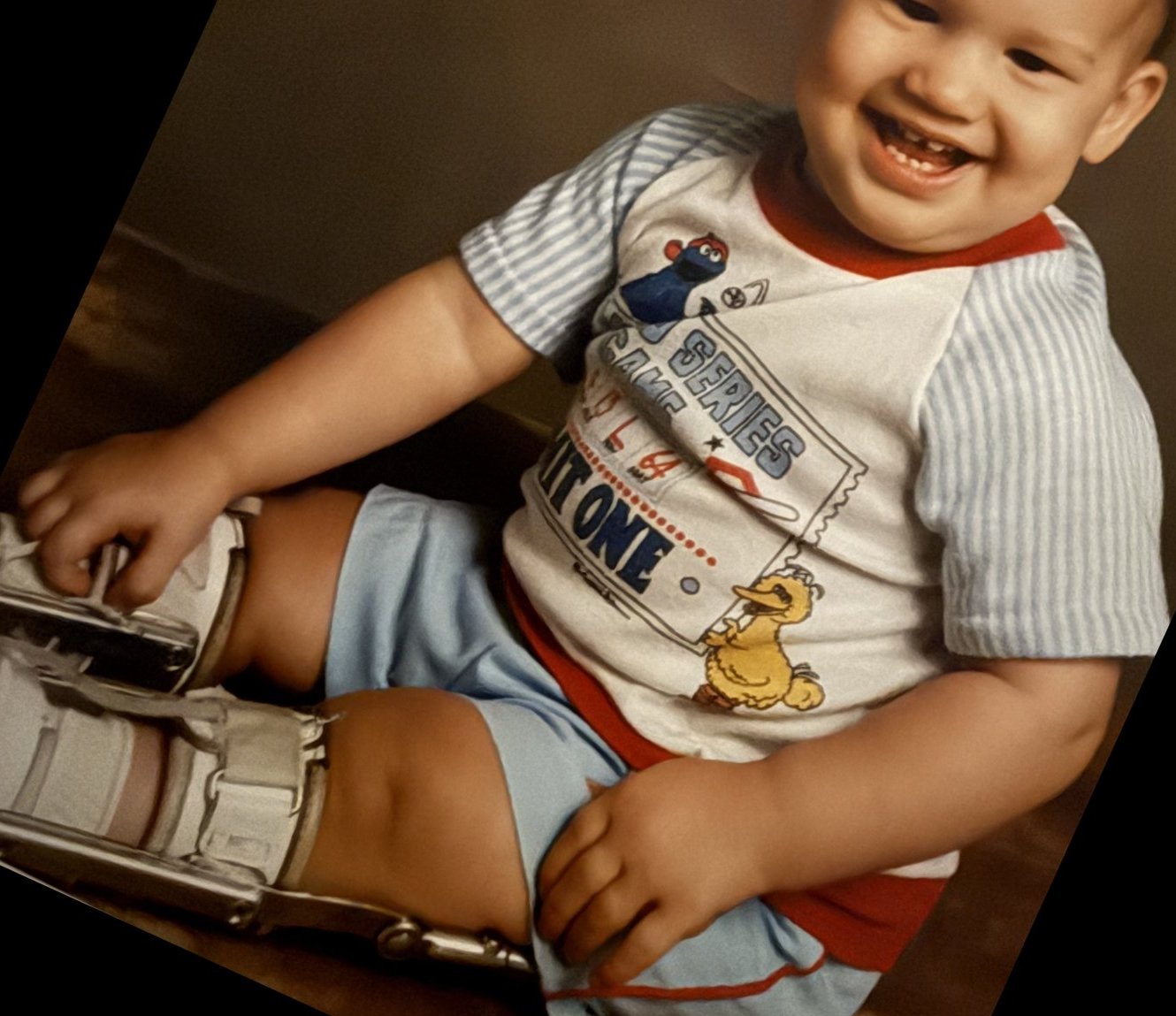
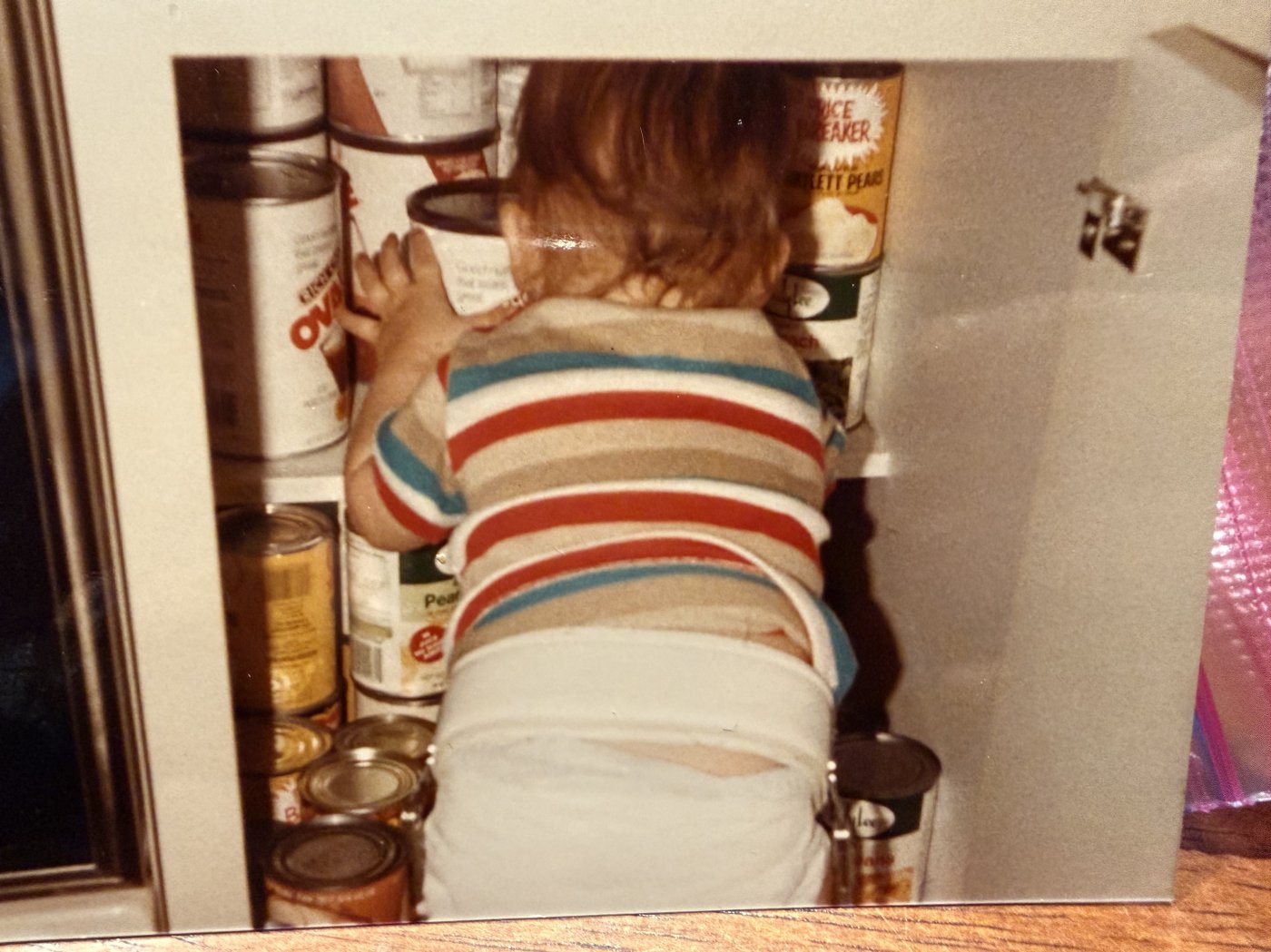
None of the three is what I wore. These are from the 1980s, before the Ponseti method was standard: shoes on metal uprights that ran up both legs to a waistband, worn 23 hours a day.


The designs
What separates one abduction brace from another
What varies is the shoe, the bar, and whether the legs can move independently.
- Mitchell. Sold as the Ponseti FAB. Sandal-type leather with a molded lining and quick-release. Built for comfort; reports the highest pressure-sore rate in the one direct comparison.
- Markell. Symmetrical shoes for a Denis Browne bar. Half the pressure sores of the Mitchell in that same comparison.
- Dobbs. A dynamic bar allowing independent leg movement. Much better reported compliance; costs more, and dorsiflexion is harder to hold.
- Steenbeek. Ugandan design, made locally, under ten dollars. What most clubfoot programs in the world use.
- Iowa. From a team led by Dr José Morcuende at the University of Iowa. A fixed 60 degree abduction angle, a non-adjustable bar in three lengths, 8, 10 and 12 inches, and a Flex Bar giving limited movement that returns to position1.
- Denis Browne. The original. A dorsiflexed foot brace on leather boots, with toe and heel openings so the foot can be checked for being plantigrade1.
- Horton Click. MJ Markell Shoe Company, New York. The shoe clicks into the bar and permits internal and external rotation1.
- Kessler. A flexible bar allowing some plantarflexion during kicking, returning to the dorsiflexed position when the child stops1.
- 3D-printed. Open-source designs with similar features at significantly lower cost, developed with resource-limited settings in mind1.
Pick yours
Which one were you handed?
Six designs, what each one is, and what the published evidence says about it. If you do not know which you have, the shoe is the giveaway. Sandal-style leather is a Mitchell, a plain symmetrical shoe is usually a Markell.
Sandal-type leather with a molded lining and a quick-release
Sold as the Ponseti FAB. Sandal-type leather shoes with a molded soft thermoplastic elastomer lining to stop the foot slipping, a quick-release mechanism, and a heel wedge that builds in the roughly 10 degrees of dorsiflexion the protocol asks for1.
Built for comfort, and it reports the highest pressure-sore rate of the designs compared: 22.9 percent against the Markell’s 12.6 percent2. Relatively expensive.
Symmetrical shoes made to work with a Denis Browne bar
Symmetrical leather shoes designed to work with a Denis Browne bar, supplied through C-Pro Direct. Closer to the 1931 original than any of the newer shoes1.
Half the pressure sores of the Mitchell in the only head-to-head comparison: 12.6 percent against 22.9 percent, a relative risk of 1.822. That study measured sores, not how the feet turned out.
A bar that lets each leg kick independently
A bar rather than a whole brace, from D-Bar Enterprises. It lets a child move both legs independently, and works with Mitchell or Markell shoes or a custom molded AFO1.
The compliance figures are the reason people want it: 7.1 percent non-compliance against 41 percent for a traditional brace, and skin lesions 7 percent against 23.5 percent1. It is expensive, and dorsiflexion can be harder to hold, which is half of what the brace is for.
Designed in Uganda to be made with local tools
Developed in Uganda and built with local tools and materials. Made locally in Kenya it costs under ten US dollars, against roughly three hundred for a commercial brace1.
In a prospective series, correction held in 36 of 38 feet2. It is what most clubfoot programs in the world actually use. You will not be offered one in the US or UK.
A fixed 60 degree angle and a bar that does not adjust
From a team led by Dr José Morcuende at the University of Iowa, where the Ponseti method was developed. The abduction angle is fixed at 60 degrees and the bar does not adjust. It comes in three lengths instead, 8, 10 and 12 inches1.
The Flex Bar gives limited movement and returns to position when the child relaxes. The design argument is that an angle which cannot be adjusted cannot be adjusted wrong.
The design every other brace is a variation on
Described in 1931, and the ancestor of every foot abduction brace in use. A dorsiflexed foot brace on leather boots, with toe and heel openings so the foot can be checked1.
In the one randomized trial against a newer design, final Pirani scores were comparable: 0.42 against 0.57, not a significant difference. The compliance gap was not significant either2. If you were handed this, you were not handed an inferior brace.
The numbers
What has actually been compared
Very little has been compared head to head. What exists is worth knowing precisely.
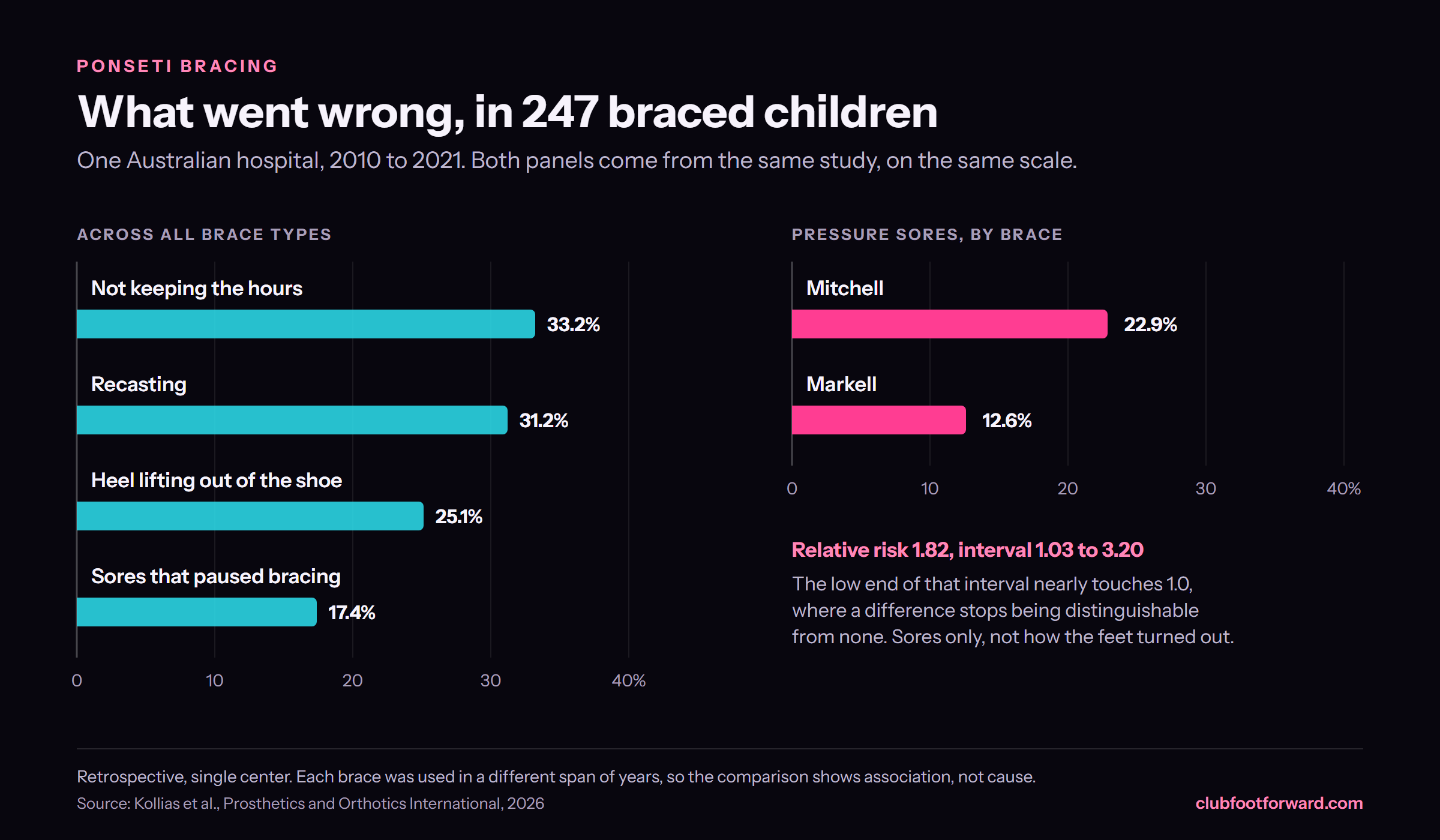
Mitchell against Markell, on pressure sores. Across 247 children and 374 feet, 22.9 percent against 12.6 percent, a relative risk of 1.82 with a confidence interval of 1.03 to 3.202. One retrospective study, one hospital, and it measured sores rather than correction.
Dynamic against traditional, on compliance. In 28 patients, non-compliance 7.1 percent against 41 percent, and skin lesions 7 percent against 23.5 percent1.
Bracing complications generally. In that 247-child cohort, 17.4 percent developed pressure sores that meant pausing the brace, and sores first appeared at a median age of 4.8 months. Non-compliance was 33.2 percent, heel lifting 25.1 percent, recasting 31.2 percent2.
What nobody has shown. That any design produces better-corrected feet than any other. What has been measured is sores, compliance, relapse and failure. The quality of the correction itself has not been compared.
Each row measured something different, so the rows do not compare with each other. Bars are the reported percentages, nothing is pooled. Figures from sources145.
What to do with this
The useful version for an appointment
You do not choose your brace. The clinic does, based on the foot, the protocol and what they can supply. What this page is for is knowing which one you have and what is known about it.
Three questions worth asking: which design is this and why this one, what should I watch for on the skin and when, and what do we do if we cannot keep the hours. That last one is the important one. Non-compliance runs at a third of families in the published cohorts2, and it is the strongest modifiable factor in relapse.
People also ask
Brace types
How many types of clubfoot brace are there?
Which clubfoot brace is best?
Can an AFO replace a foot abduction brace?
Is the Wheaton brace used for clubfoot?
Can I choose which brace my child gets?
What is the most common problem with bracing?
Sources
Where this comes from
Figures on this page are quoted from the studies cited above and are not this site’s own measurements. Series are small and mostly retrospective, so treat them as a starting point for a conversation with your clinic rather than a verdict on any brace.
The schedule and the hours are in the bracing guide. If the brace is a nightly fight, most of it is mechanical . What goes under the boot and how it is fitted solve more than willpower does.