Free app · iPhone and Android

Clubfoot Forward is on the App Store and Google Play. For parents in the middle of treatment and adults who never stopped having it. Free, works with no signal, and stays on your phone.

What the app does

Can my child play sports?

Yes, and that is the boring answer to a question that deserves a better one. What actually differs is how each sport loads the foot, and which practical problem shows up first.
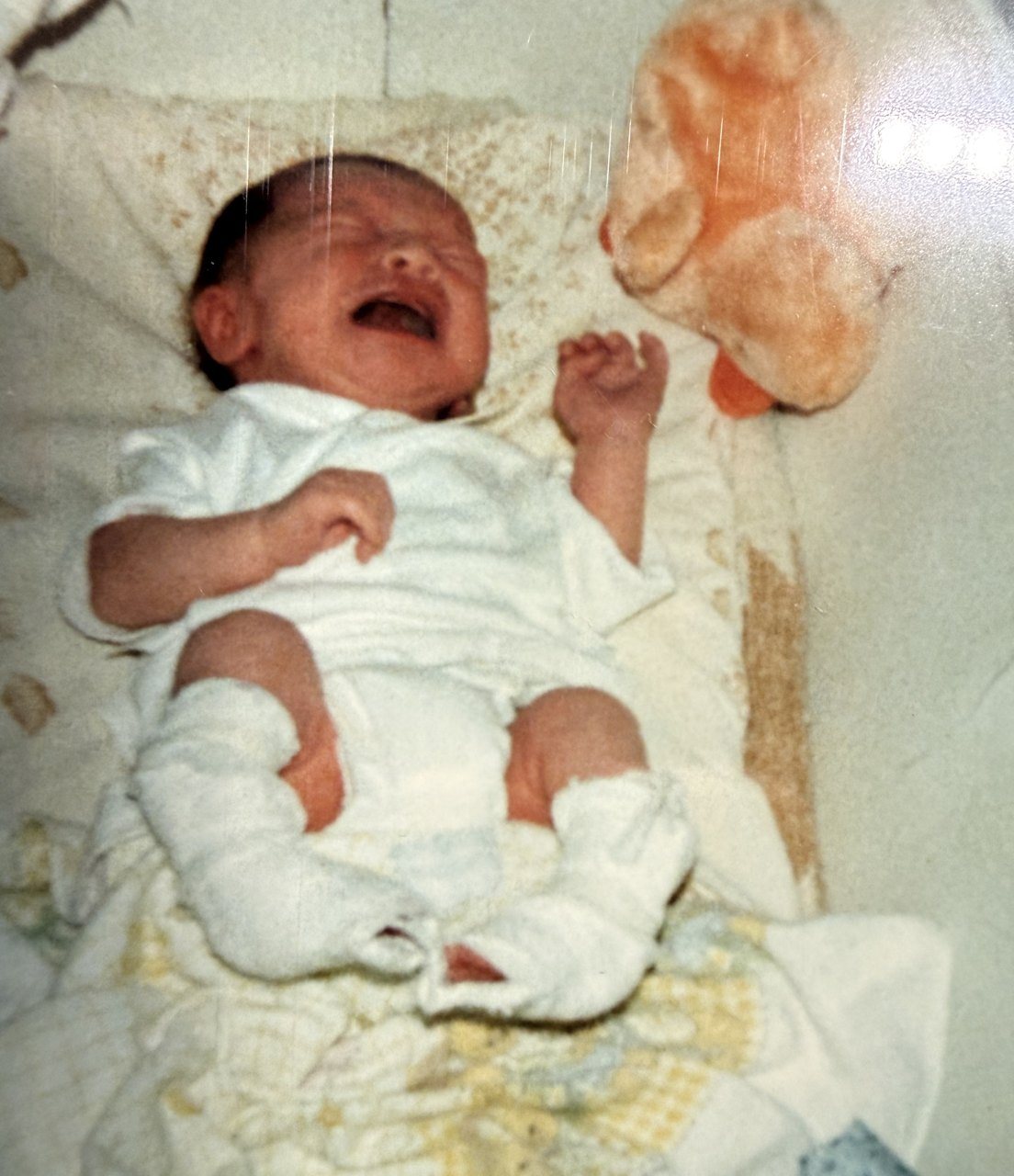
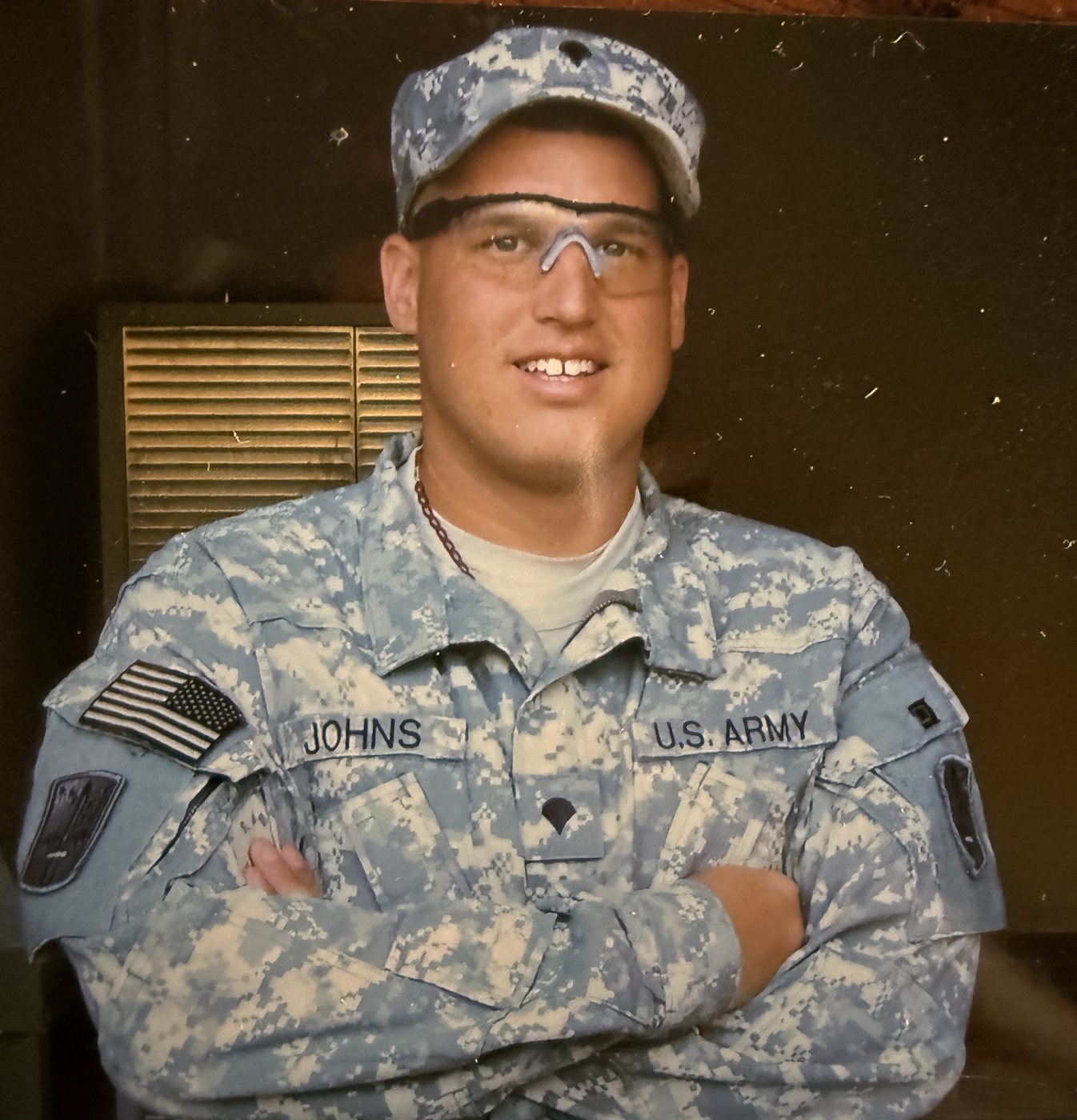
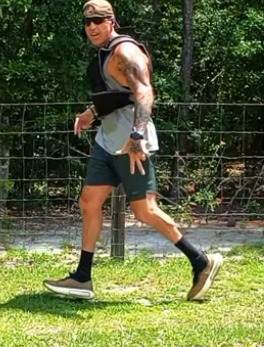
I was born with bilateral clubfoot (club foot), went through treatment and surgery as a child, served in the Army and run long distances now. My gait is not textbook and my calves never developed the way other people’s did. None of that stopped any of it.

So and not reassurance, here is the specific version. Pick what they play.

Choose a sport to see what actually matters for it. The footwear, the loading, and what to watch.

Football

The most common sport in these questions, and the one where footwear causes the most trouble. Cleats are narrow, stiff and shallow. Close to the worst possible shape for a foot that is often wider and less flexible through the midfoot.

Biggest issueCleat fit. Expect to size up, go wide, or try several brands before something works.
LoadingRepeated cutting and turning, which asks a lot of ankle range that a treated foot may have less of.
Watch forBlisters in the same spot, or a child avoiding turning off one foot.
Usually fineStraight-line running, kicking, and everything else about the game.

Running and track

Very compatible, with one honest caveat: a smaller calf produces less push-off, so the same pace costs more. That is mechanics, not fitness, and it shows up most over distance and in repeated sprints.

Biggest issueFatigue asymmetry, one leg tiring noticeably faster than the other.
LoadingHigh repetition, low variety. Kind to a stiff ankle compared with cutting sports.
Watch forPain that arrives after running rather than during it.
Usually fineDistance running is one of the better fits. See running with clubfoot.

Basketball

Jumping and landing repeatedly on a foot with reduced ankle range asks a lot, and the shoes are at least helpfully generous. High-tops give ankle support that some children find genuinely useful.

Biggest issueRepeated landing load through a stiffer ankle.
LoadingJumping, sudden stops, lateral movement, a demanding combination.
Watch forAching after games instead of during, and single-leg take-off avoidance.
Usually fineFootwear. Basketball shoes are among the easier ones to fit.

Swimming

The easiest fit of any sport here. No footwear, no impact, no ground reaction force, and the ankle moves through range without bearing load. Frequently recommended for exactly those reasons.

Biggest issueVery little. Kick power may be reduced on the affected side.
LoadingNon-weight-bearing throughout.
Watch forNothing specific to the foot.
Usually fineAll of it. A good option alongside a higher-impact sport.

Gymnastics and dance

Both ask for extremes of ankle range (a full pointe, a deep landing) and that is precisely where a treated foot is most likely to be short. Not a barrier to participating, but a real ceiling on some specific positions.

Biggest issueRange-of-motion limits at the ankle, particularly pointing.
LoadingHigh, and often single-leg.
Watch forCompensation. Arching elsewhere to reach a position the ankle cannot.
Usually fineParticipation and enjoyment. Worth telling the teacher what the ankle can do.

Martial arts

Usually barefoot, which removes the footwear problem entirely and makes this a good fit. Kicking and stance work do ask for ankle range, and some styles involve a lot of time in deep positions.

Biggest issueDeep stances and high kicks needing range that may not be there.
LoadingModerate, varied, often controlled.
Watch forDiscomfort held quietly during long stance work.
Usually fineBarefoot practice is a genuine advantage here.

Rugby and American football

Cleats again, plus heavy load and collisions. The foot itself is rarely the limiting factor. The practical problems are the same fit issues as football, with more weight going through them.

Biggest issueCleat fit, under greater load and for longer.
LoadingHigh impact, frequent direction change, scrummaging or blocking.
Watch forAnkle soreness after heavy sessions, and pressure points from boots.
Usually fineContact itself. Clubfoot is not a contraindication to collision sport.

Cycling

Another strong fit. The ankle works through a small, controlled range with no impact, and cleat position on a bike shoe can be adjusted to suit the foot and not the other way round.

Biggest issueCleat placement on the shoe, which is adjustable and worth getting right.
LoadingLow impact, repetitive, and largely non-weight-bearing.
Watch forHot spots or numbness from a stiff cycling shoe.
Usually fineAlmost all of it. A good long-term option.

The pattern across all of them

Read enough of those panels and the same three things keep appearing, whatever the sport.

Footwear is the real obstacle, far more often than the foot. Endurance costs more because a smaller calf gives less back per step. And the ankle has a ceiling that shows up in whatever the sport asks for at its extreme.

None of those are reasons not to play. They are the things worth knowing so a child is not quietly concluding they are bad at something when they are actually wearing the wrong boots.

What the numbers say. Most children with treated clubfoot play sport, a little less often than children without it. In a multicenter survey, 79.5 percent of 151 Ponseti-treated children played sport, against 95.6 percent of their siblings.7 At ten years old, 35 percent of children treated for clubfoot played competitive sport against 63 percent of controls.8 In 27 children with one clubfoot, the strength and balance differences between the two legs were generally small.9

Different mechanics is not the same as less capable. Most people find that out for themselves eventually. It is better to know earlier.
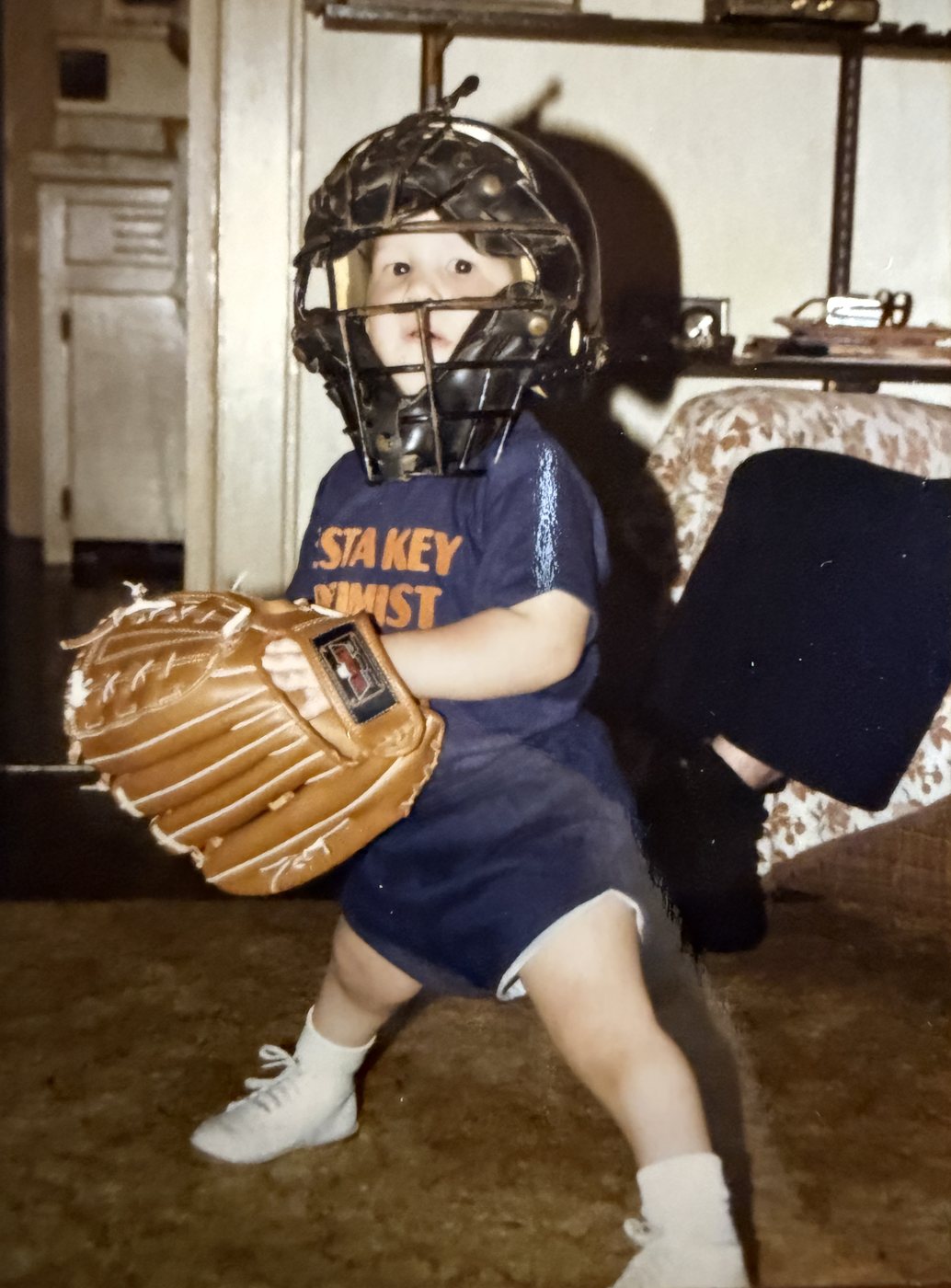
Toddler Heath in a catcher's mask with a baseball glove almost as big as he is
ToddlerA catcher’s mask and a glove nearly as big as me, feet already set wide.
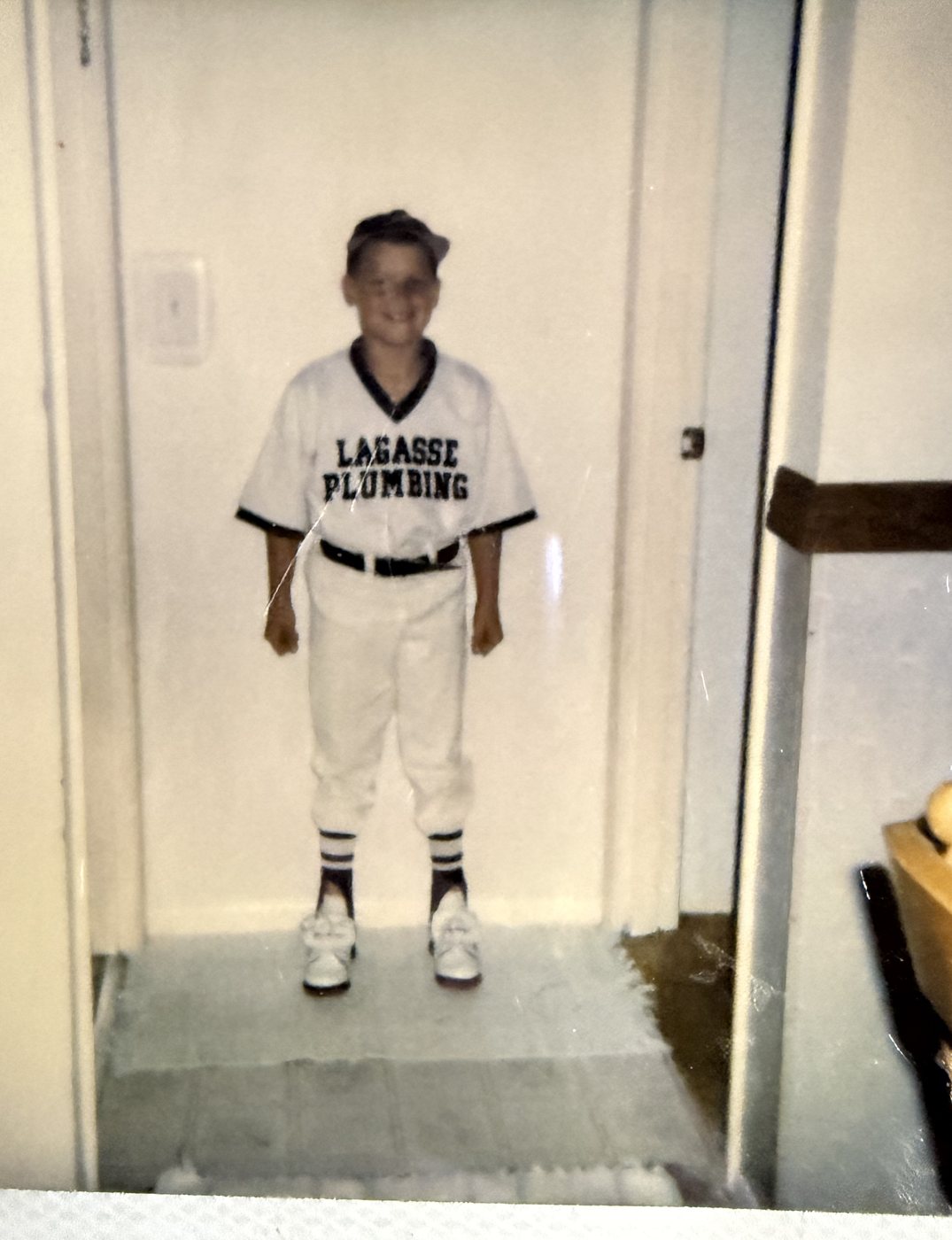
Young Heath in a little league uniform standing in a doorway
Little leagueIn uniform for a team sponsored by LaGasse Plumbing.
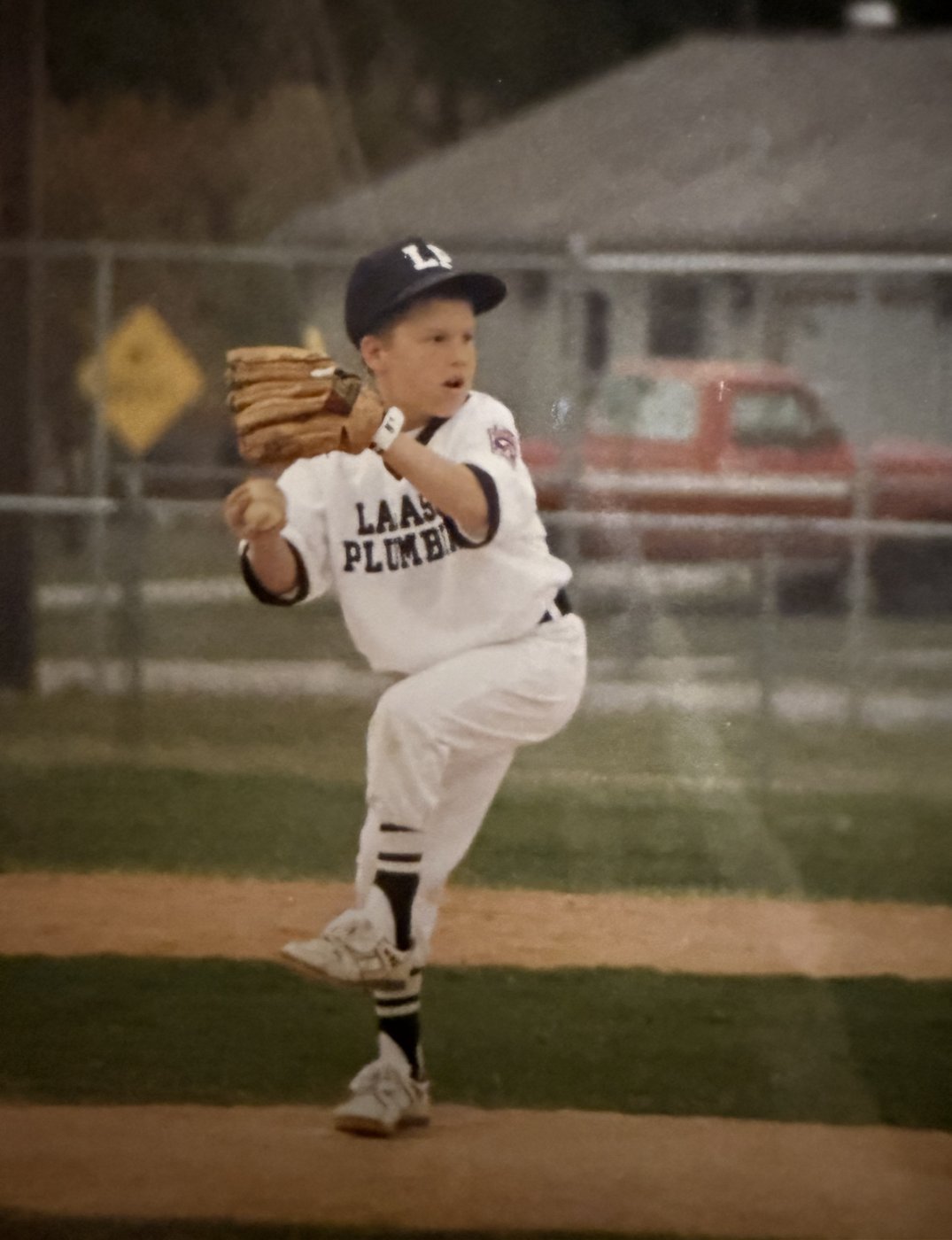
Boy in a baseball uniform mid-throw on the mound, glove out in front
About seven or eightPitching for LaGasse Plumbing, mid-throw.
1994 youth baseball card of Heath in a batting stance
1994Southeast All Stars. My chart notes the all-star team that year.
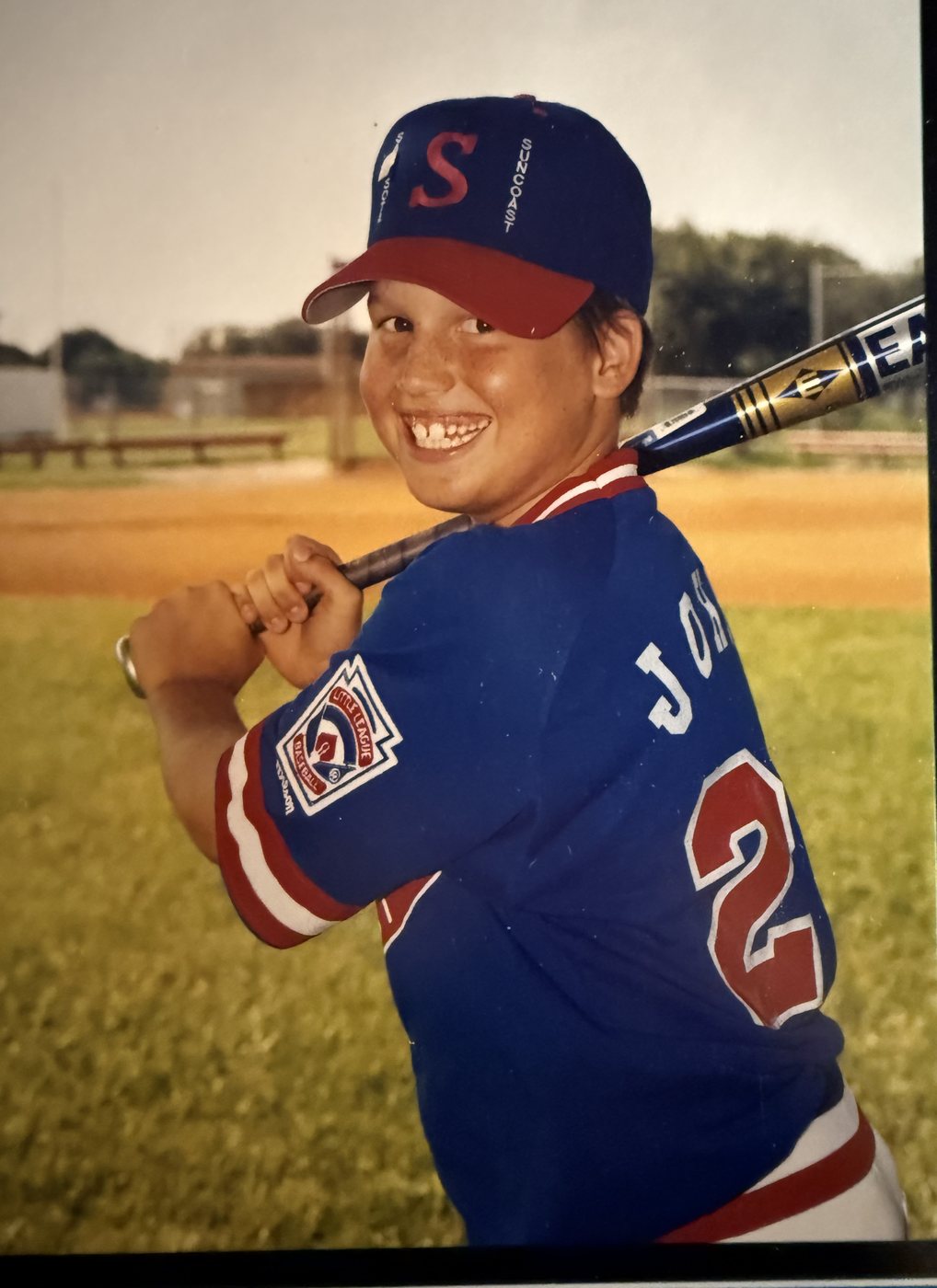
Heath as a boy in a Southeast All Stars uniform and cap, bat on his shoulder
All-starsSoutheast All Stars again, a little older.
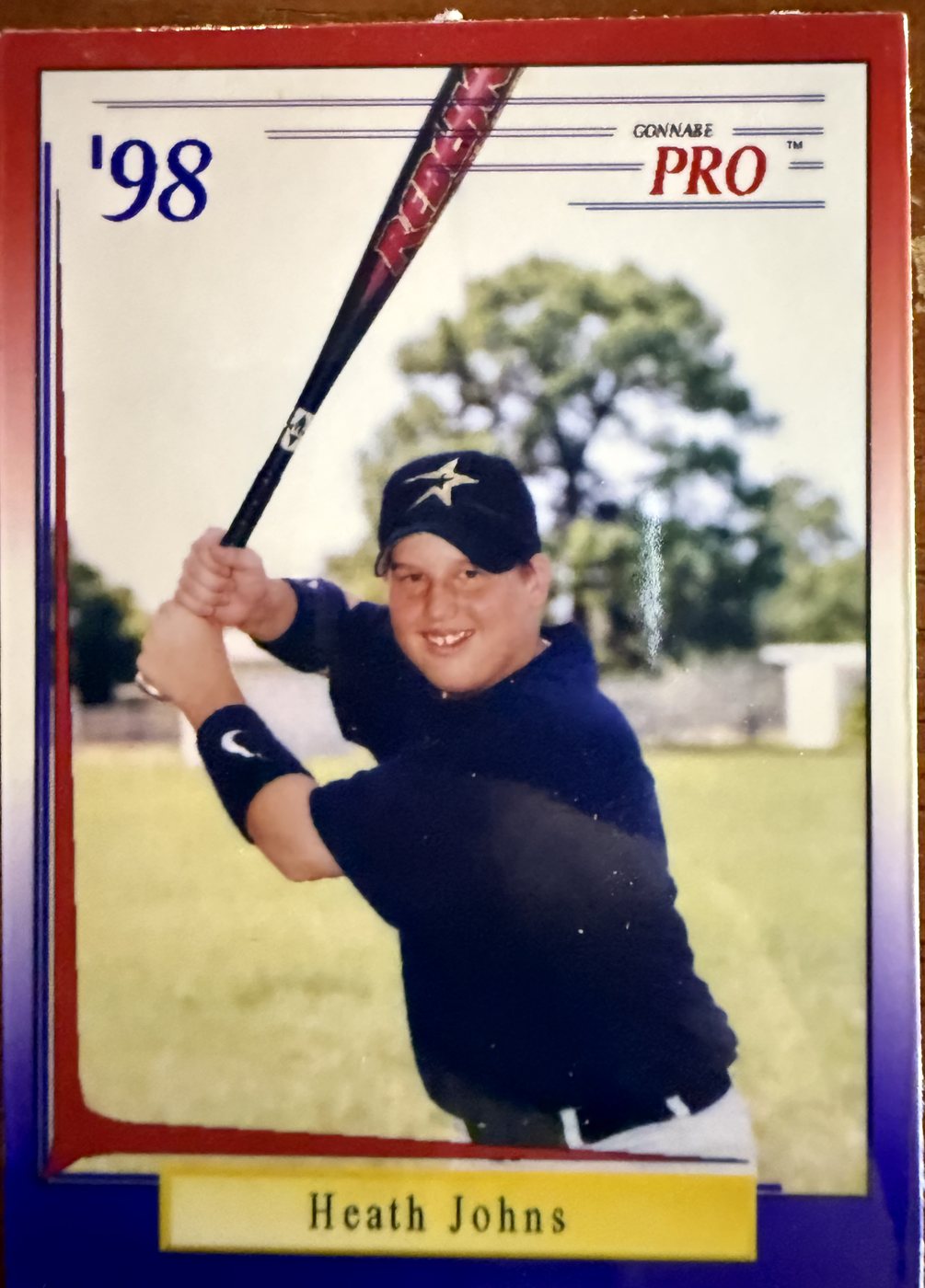
1998 baseball card of Heath at bat
1998A baseball card, two years before the fracture that led to the fusion.
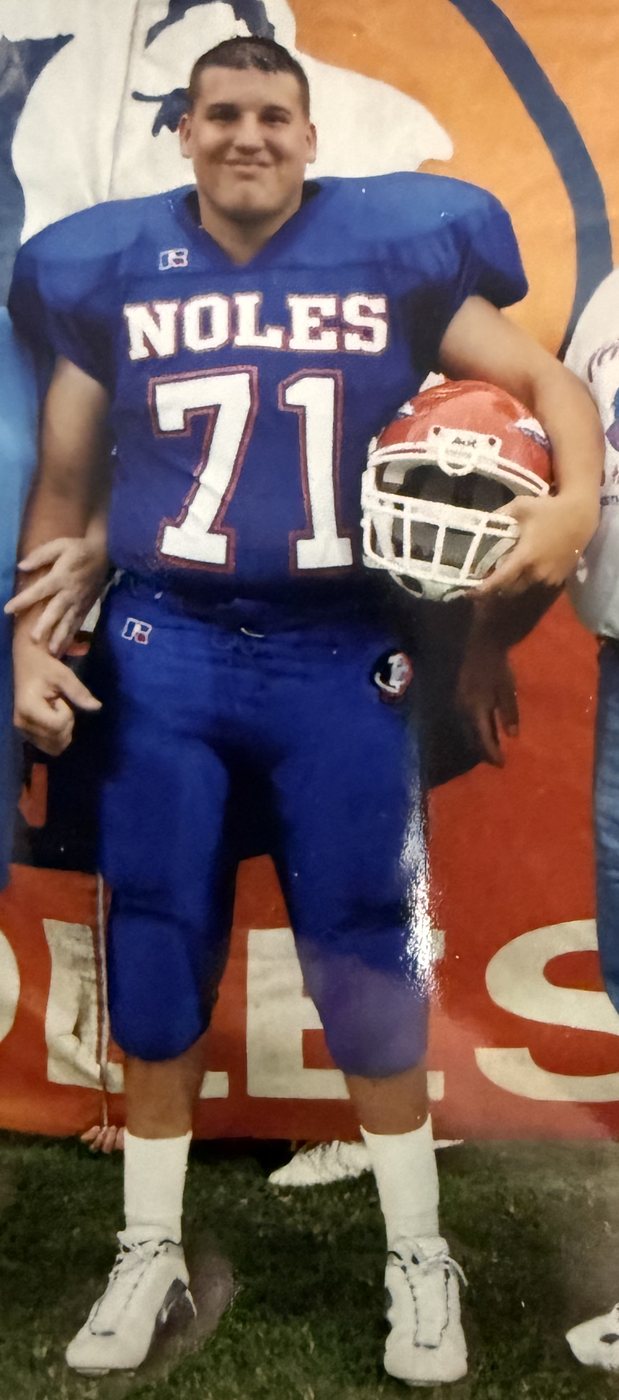
Heath in his high school football uniform, number 71, holding his helmet, October 2000
October 2000Number 71, photographed on the day of that fracture.
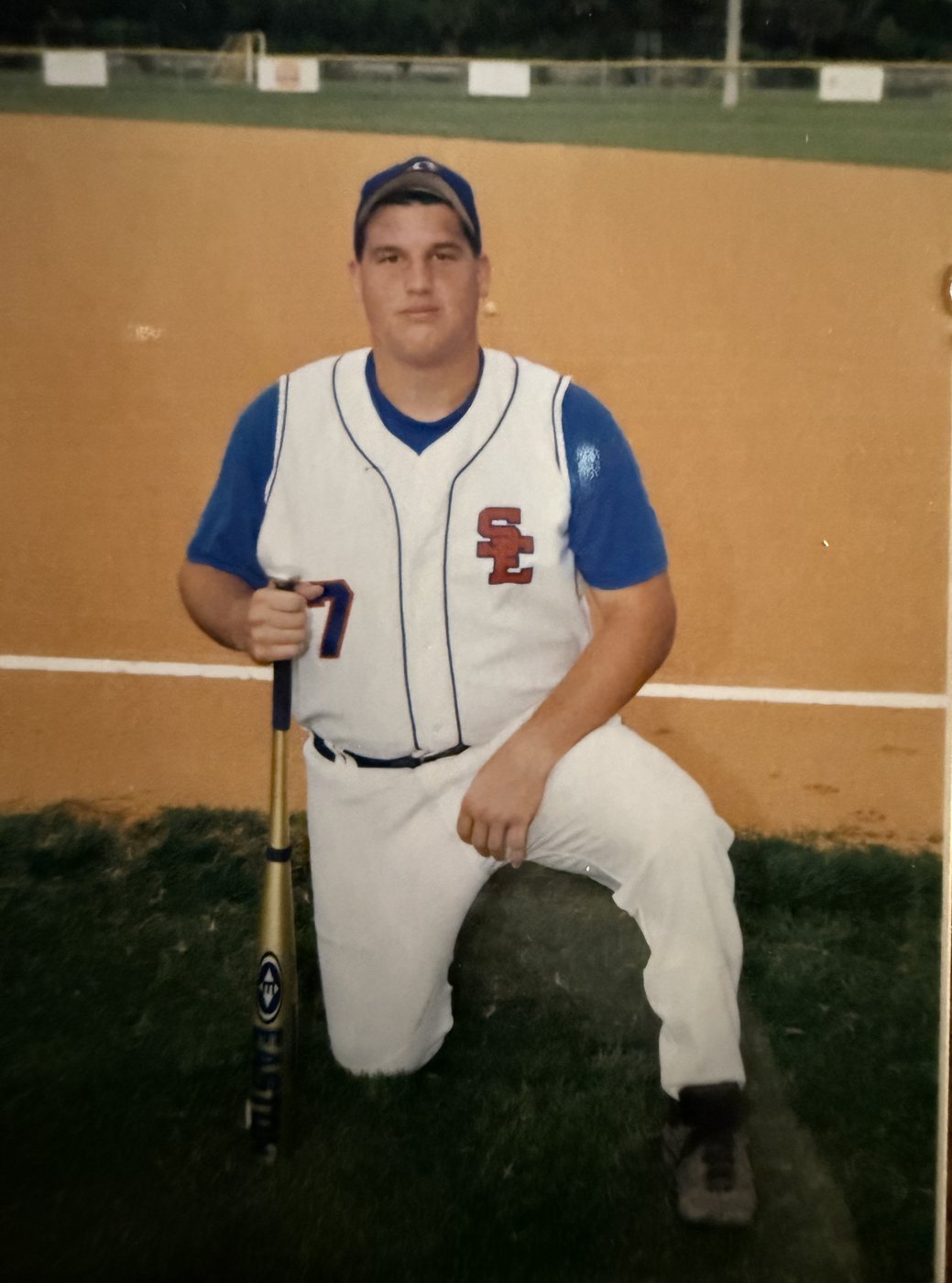
Heath in a high school baseball uniform around 2002, kneeling with a bat, after his triple arthrodesis
About 2002Back in a baseball uniform after the fusion. Catching and squatting were the hardest things to relearn.

Mine, from a catcher’s mask to high school: baseball the whole way, all-star teams, football from fifteen. The #71 photo was taken the day of the fracture that led to the fusion; the fusion came the next summer, before junior year. Five months after it I was released to full activity and already back playing baseball, and the hardest thing to relearn was catching.

Video · 6:16The same question, answered on video. Watch on YouTube →

Sport is a useful early-warning system

There is no good evidence that ordinary sport causes relapse, and activity is generally good for a treated foot. What sport does is reveal changes early. A foot that has stiffened shows it under load before it shows at rest. Pain after games, one leg tiring faster, or dropping an activity they used to like are worth raising. See relapse signs by age.

People also ask

Sport and clubfoot

Should any sports be avoided?
There is no standard list of banned sports. Guidance comes from your child’s own foot and their orthopedic team, not from the diagnosis. Most restrictions that do apply are temporary and tied to a stage of treatment.
Why does my child tire faster?
A smaller calf on the affected side produces less push-off, so the same distance costs more effort. That is mechanical, not a fitness gap, and it shows up most in endurance and repeated sprinting.
Does sport increase relapse risk?
No good evidence that ordinary sport causes relapse, and activity is generally beneficial. What sport does is reveal changes earlier, because a foot that has stiffened shows itself under load before it shows at rest.
What if their foot hurts after games?
Take it seriously and mention it at follow-up. Pain after activity is one way relapse presents in school-age children, and it also has ordinary causes like poor footwear or a growth spurt.
Should I tell the coach?
Usually worth a brief word. Not as a restriction but so nobody misreads fatigue or a slower first step as lack of effort. Most children want it framed as practical information instead of as a special case.
Can someone with clubfoot compete seriously?
Yes. Treated clubfoot appears throughout competitive sport at every level. Different mechanics are not the same as reduced capability, and a great many people find that out only when someone points at their scars.
Can children with clubfoot play sports?
Yes, and most do. In a 2026 survey of 151 children, 79.5 percent played sport against 95.6 percent of their siblings. Treated clubfoot is compatible with football, athletics, swimming, dance, martial arts and the rest. What varies is how each sport loads the foot, and which practical issues, usually footwear and endurance, come up first.
Why does my child tire faster than their teammates?
A smaller calf on the affected side produces less push-off, so the same distance costs more effort. That is a mechanical difference, not a fitness gap, and it shows up most in endurance and repeated sprinting.
Are cleats a problem with clubfoot?
Often the biggest practical issue. Cleats are narrow, stiff and shallow, and a treated foot is frequently wider or shaped differently. Fit problems and blistering are far more common complaints than any limitation in playing.
Does sport increase the risk of relapse?
There is no good evidence that ordinary sport causes relapse. Activity is generally beneficial. What sport does is reveal changes earlier, because a foot that has stiffened shows itself under load before it shows at rest.
What if my child says their foot hurts after games?
Take it seriously and mention it at follow-up. Pain after activity is one of the ways relapse presents in school-age children, and it also has ordinary causes like poor footwear or a growth spurt.

Sources

Where this comes from

Written by Heath, founder of Clubfoot Forward, an adult with bilateral clubfoot history who runs and served. Education and lived experience, not medical advice. Decisions about a specific child’s activity belong with their orthopedic team. Reviewed September 2026. See the editorial policy.