
Where clubfoot pain lands, and what that suggests
Pain concentrates where a foot cannot absorb, rotate or distribute force normally. So the site is a clue to the mechanics, and the mechanics are the actual story. Whether you write it clubfoot or club foot, the map below is the same.
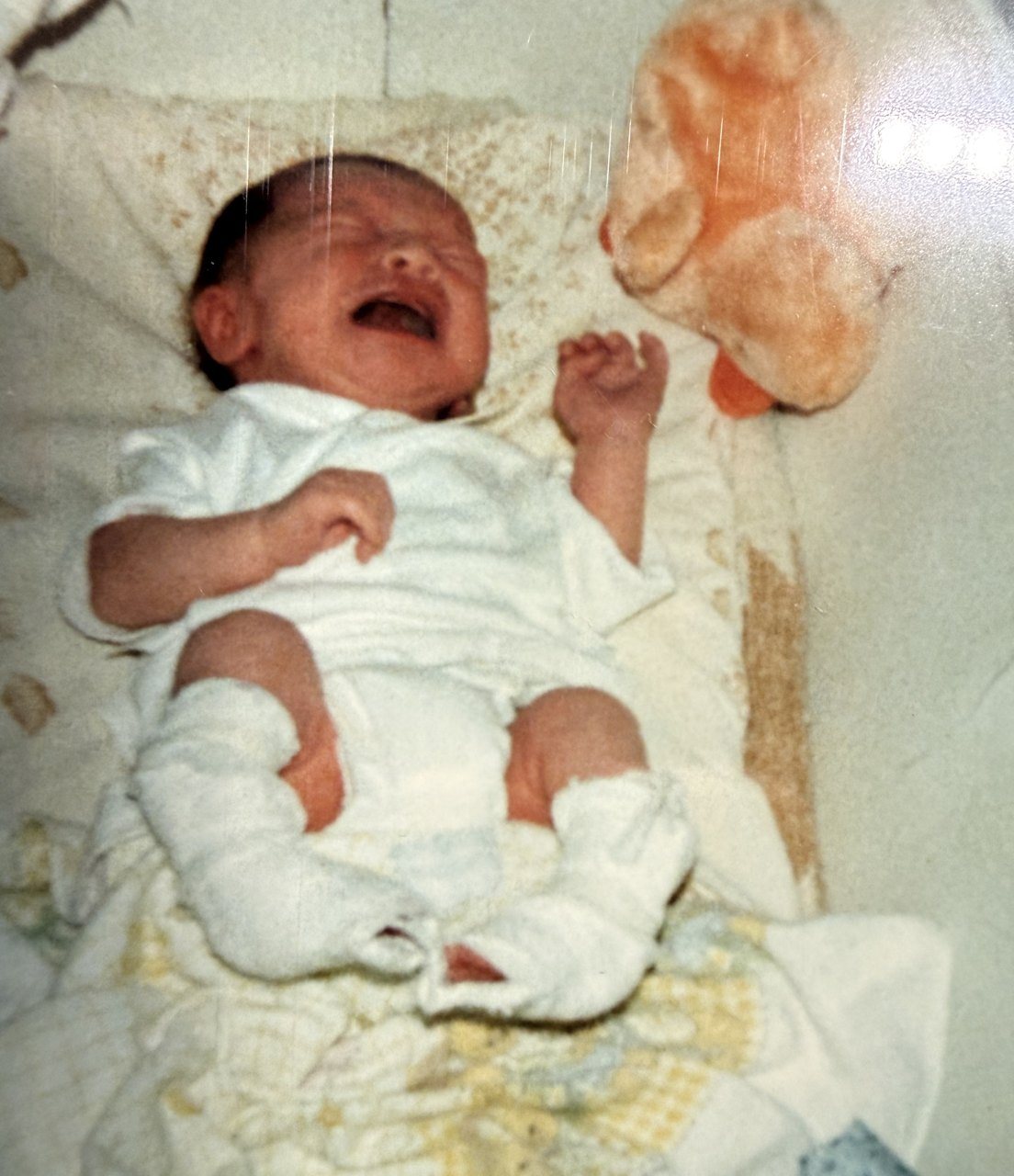

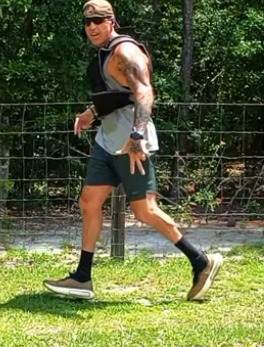
I have bilateral clubfoot, recorded as congenital talipes equinovarus or CTEV in any notes you request, extensive childhood surgery, a left-sided relapse, a triple arthrodesis, and about three decades of paying attention to which bits hurt when. What follows is not a generic pain list. It is a map of where the load goes when a foot cannot do part of its job.
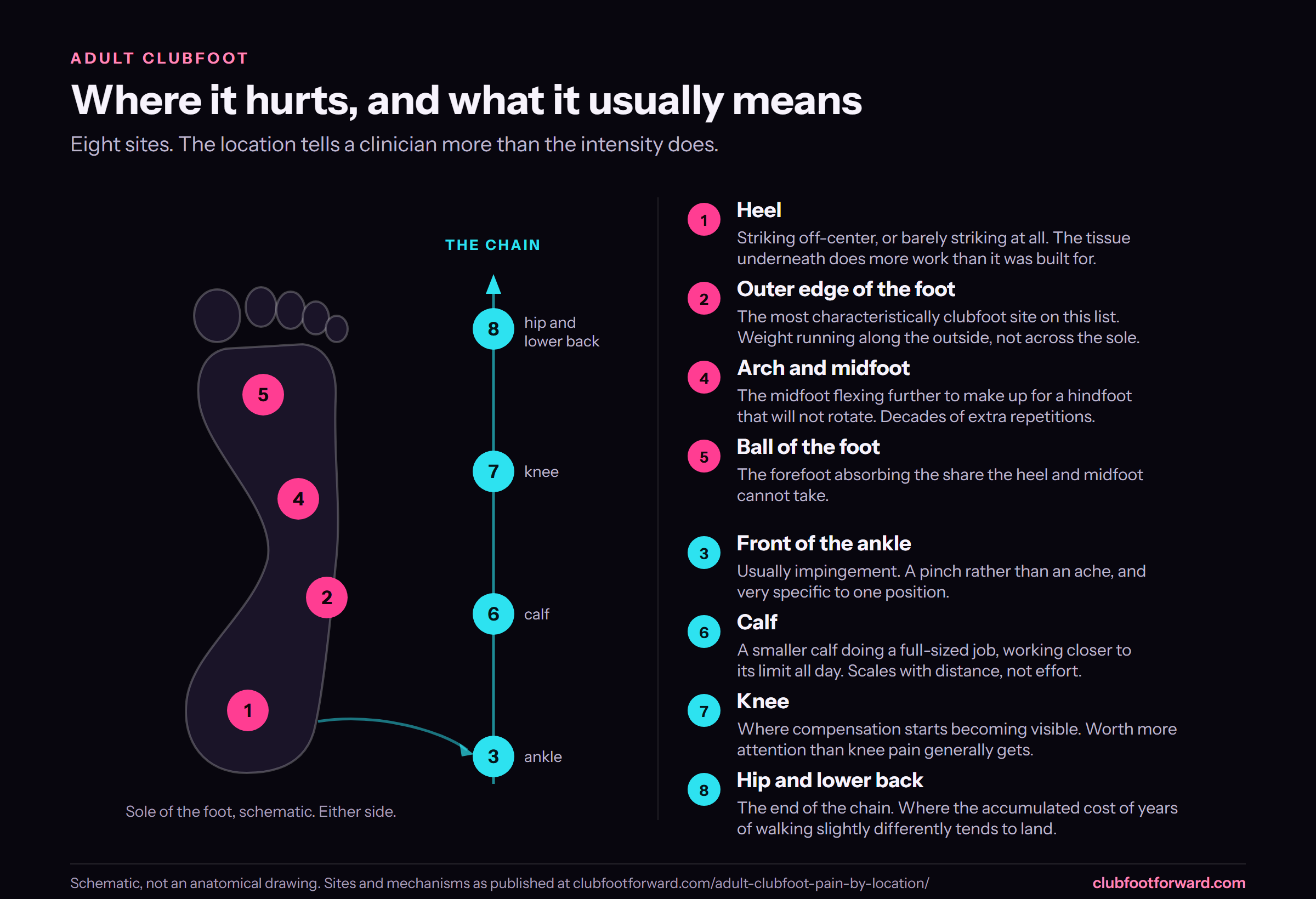
Pick where it actually hurts.
Heel
A treated clubfoot heel often sits in a slightly different position and takes contact differently.4 If the heel strikes off-center, or barely strikes at all because the ankle will not come up, the tissue underneath and behind it does more work than it was built for.
Outer edge of the foot
The most characteristically clubfoot location on this list, and one of the sites identified in thirty-year follow-up work.4 Lateral border pain usually means weight is running along the outside instead of distributing across the sole, residual hindfoot position, limited ankle range, or both.
It is also where mine is. What I feel barefoot sits on the outer border of my left midfoot, and it only shows from underneath, because the border rolls under. I do not know for certain which bone it is, since nobody has examined it for that. I wrote up what I can and cannot show of it on the page of photographs of my own feet.
Front of the ankle
Usually impingement, where the bones at the front of the joint meet sooner than they should because upward movement is limited.5 It is a pinch, not an ache, and it is very position-specific.
Arch and midfoot
The midfoot compensates for a stiff hindfoot. If the back of the foot cannot rotate, the middle flexes further to make up the difference, and over decades that is a lot of repetitions on a joint doing a job it was not designed for.
Ball of the foot
When the heel and midfoot cannot take their share, the forefoot absorbs the difference. A foot that stays in a slightly toes-down position also spends more time loading the front than it should.
Calf
A smaller calf doing the same job as a full-sized one works closer to its limit all day.3 That shows up as fatigue and aching instead of sharp pain, and it scales with distance, not effort.
Knee
This is where compensation starts becoming visible. An ankle that will not move through range hands the work upward2, and the knee is the first joint to receive it. Knee pain on the treated side deserves more attention than knee pain generally does.
Hip and lower back
The end of the chain. Years of walking slightly differently, with a shorter step, a rotated foot, a subtle limp, is absorbed higher up, and the hip and back are where the accumulated cost tends to land.
Why location matters more than intensity
Adults with clubfoot are often asked to rate pain out of ten, which is close to useless here. A four that has been a four for fifteen years is a different thing from a four that was a one last spring.
Location is more informative, because it points at which part of the chain is paying. And pain that migrates from heel to arch to knee is usually one problem moving, not three problems arriving, because compensating for one area loads the next.
Pain location is the clue. The mechanical pattern is the story.
What this page cannot do
Narrow the possibilities, yes. Diagnose, no. The same location can have several causes, and some of them, including a stress fracture, a tendon rupture and an infection, look ordinary at first and are not.1 Use this to describe your pain more precisely at an appointment, not instead of having one. When to see someone covers where that line sits.
How common
Most of these feet hurt, and most of these people are fine
Both halves of that are true and the literature is unusually clear about it. Worth reading before you decide your own foot is unusual, or that it is doomed.
The pain is normal, statistically
A follow-up of 105 very severe clubfeet at an average of twenty-two years found 86 of them painful after strenuous activity or during walking, and 82 stiff.7 If your foot aches after a long day, you are in the majority, not the exception.
So is being fine anyway
In the same group, 92 percent of patients said they were satisfied, and satisfaction tracked how normal their walking felt, not how the foot looked or measured.7 Eleven walked with a limp. The gap between what a radiograph says and how a life goes is the single most useful thing on this page.
How much surgery you had matters
At a mean of thirty years after extensive soft-tissue release, most patients had meaningful limitation of foot function, and the extent of the release correlated with the degree of impairment. The authors put it plainly: repeated soft-tissue releases can produce a stiff, painful and arthritic foot.6 Patients who had a single operation kept better ankle and subtalar movement.6
What the joint actually looks like
Flattening of the talar dome was present in 93 of those 105 feet.7 That is the anatomical reason front-of-ankle pain is so common here: a flattened dome does not glide the way a rounded one does, and the joint runs out of room sooner.
Indoors is where a lot of people notice it worst, because a bare foot on a hard floor gives a bony prominence nothing to hide behind. If that is the pain you recognize, slippers with a real sole do more than they sound like they should.
Vocabulary
The names a clinician will reach for
The location tells you where to look. The name is what gets you a useful appointment, an imaging request, or a search that returns something other than general foot advice. None of these are clubfoot diagnoses; they are ordinary foot and ankle conditions that a clubfoot makes more likely at particular sites.
Heel, underneath
Plantar fasciitis is the usual first thought, and the clubfoot-specific driver is that a stiff ankle stops the foot extending, so the tissue under the arch takes tension it would otherwise share. First steps in the morning being the worst is the classic pattern.
Heel, deep and around the back
Subtalar arthritis, meaning wear in the joint below the ankle. Relevant here because that joint is often stiff from the start and takes more load than it was built for.
Front of the ankle
Anterior ankle impingement, and with a flattened talar dome behind it7 this is one of the more mechanically predictable problems on the list. Tibiotalar arthritis is the longer-term version.
Outer border of the foot
Peroneal tendinopathy, or lateral column overload. The peroneal tendons run behind the outer ankle bone and are working against a foot that sits inverted, so this is the site where the word tendon usually comes up.
Ball of the foot
Metatarsalgia, often with a transfer callus where pressure has moved to a head that was not designed to carry it. The callus is a map of where load is going.
Say the location and the pattern, not the label
These names are for recognizing what you are told, not for arriving with a diagnosis. What a foot and ankle specialist actually needs is where it hurts, what brings it on, what settles it, and what your foot has already had done to it.
One number
Four degrees, and why it explains most of this page
In that twenty-two-year follow-up, ankle dorsiflexion averaged 4.0 degrees and plantar flexion 19.9.7 Dorsiflexion is the upward movement walking depends on most, and four degrees is close to none.
Almost everything above follows from that one measurement. Motion the ankle cannot make gets taken somewhere else: by the midfoot, by the forefoot rolling off early, by the knee and hip, by the tissue under the arch. That is why pain in a clubfoot so rarely sits where the problem is.
On your phone
Where yours hurts, recorded rather than remembered
A check-in takes under a minute: how bad, where, and when it started. After a few weeks you have your own pattern instead of an impression of the worst day, and a PDF you can hand to a clinician.
Get it on the App Store → Get it on Google Play →
Free on iPhone and Android. No account, and what you put in stays on your phone.
People also ask
Adult clubfoot pain
Why does the outer edge hurt?
Can clubfoot cause back pain?
Can clubfoot cause knee and hip pain?
What does pain at the front of the ankle mean?
Is calf pain normal?
Does location tell you the diagnosis?
Should adult clubfoot hurt at all?
Can pain move around?
Where does adult clubfoot pain usually occur?
Why does the outer edge of my foot hurt?
Is calf pain normal with clubfoot?
Does pain location tell you the diagnosis?
Can pain move from one place to another?
Sources
Where this comes from
Take it with you
The questions to bring to an appointment
Most adults get one appointment and leave having asked none of the things they meant to. The printable list is free, it fits on a page, and it is built around what an orthopedic clinic can actually answer.
One email, the file, and nothing else unless you ask. Unsubscribe in one click.