
When do clubfoot babies walk?
Commonly 13 to 16 months, sometimes closer to 18. A little later than average, and the month matters far less than whether they are still moving forward.
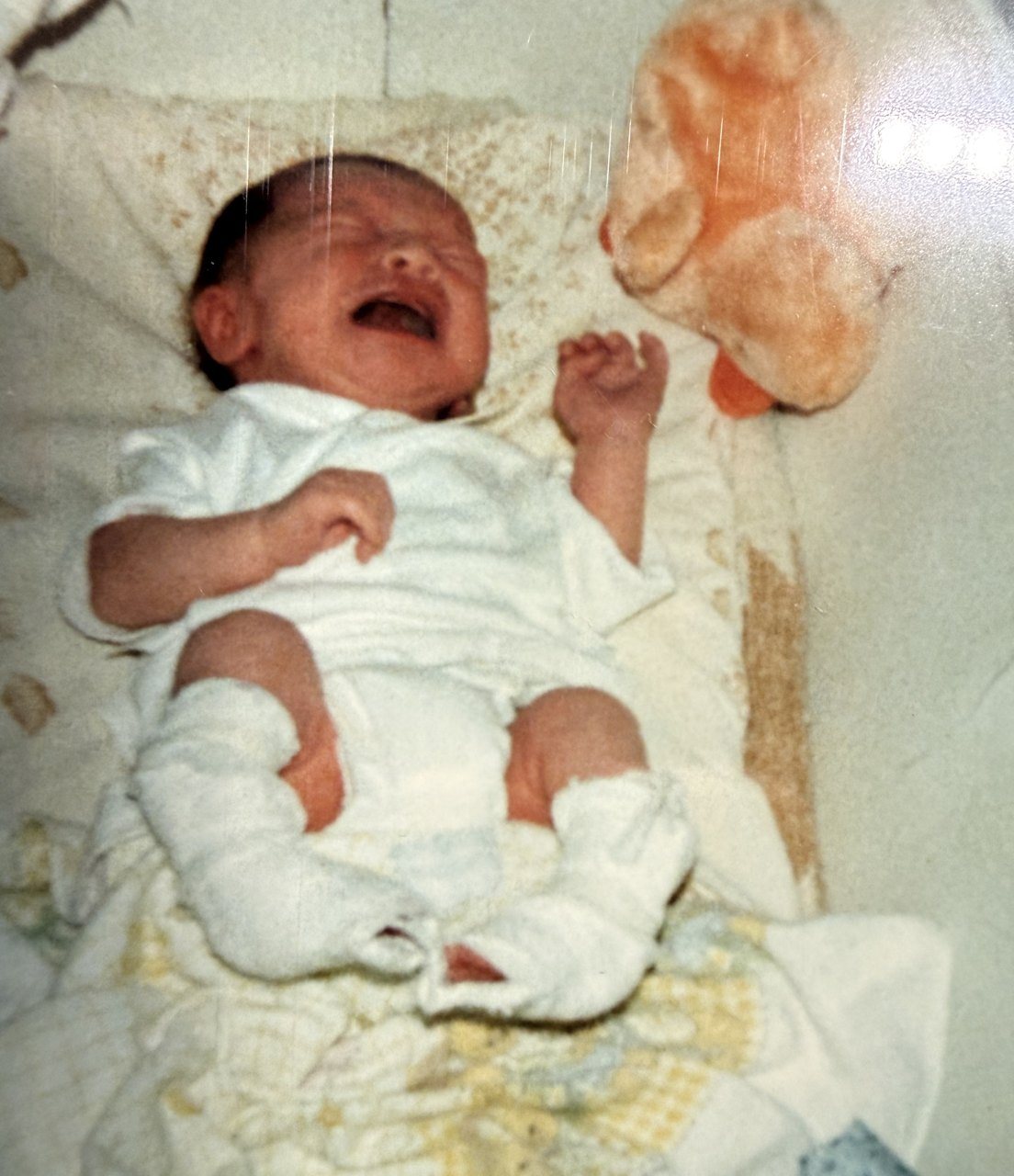

It is worth naming what is actually going on when a parent asks this. Very few people want a number. What they want to know is whether a child who is not walking yet is a child something is going wrong with.
Usually not. And there is a straightforward reason a treated baby often walks a bit later that has nothing to do with the foot being wrong.
Why a delay makes sense
Babies learn to walk by doing enormous amounts of unstructured practice: kicking, pushing, rolling, hauling themselves up, falling over, doing it again. Thousands of repetitions, mostly on the floor, in the months before anyone sees a first step.
A treated baby spends part of that window in casts and then in a full-time brace. Not all of it, and not the walking-age part, but enough that they arrive at the same starting line with less practice banked. So they take a little longer to get going.
The delay is mostly about practice time, not capability.
What the studies found
Later than average, and not always fully caught up
At age three, about half of 45 Ponseti-treated children scored below average on a standard gross motor test. Children whose families kept to the brace were up to 80 percent less likely to score low.3
At ten, children treated for clubfoot took about 1,300 fewer steps a day than children without it.4 Neither study means your child will struggle. Both are reasons to keep up the bracing and keep the follow-up appointments.
The brace is not the problem
Parents reasonably assume the bar is what is holding walking back, and it is worth clearing up. By the time a child is anywhere near walking, the schedule has usually1 dropped to nights and naps. The whole day is free.
Children cannot walk with the bar attached, the feet are fixed apart, but they are not wearing it during the hours when walking practice happens. If your clinic still has you in full-time hours at this stage, that is a question for them and not an assumption to make.
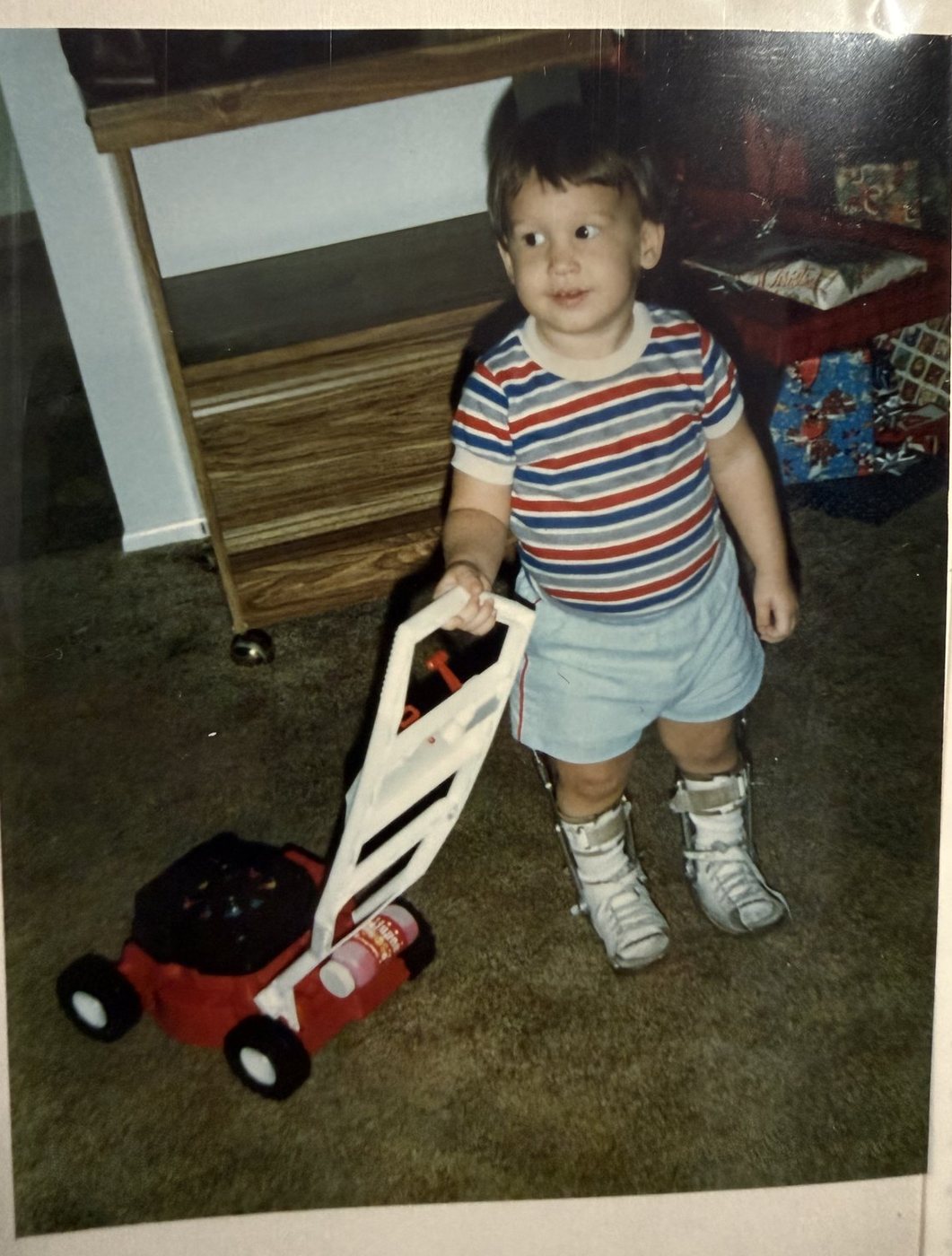
Progress beats the calendar
The useful question is not what month it is. It is whether the last few weeks moved forward at all.
Reassuring, even if late
- Pulling to stand on furniture
- Cruising sideways along the sofa
- Bearing weight through both legs
- Standing alone for a few seconds
- Getting more confident week by week
- Bottom-shuffling or commando crawling as their own method
Worth raising sooner
- No weight-bearing at all through one leg
- Progress that has stalled for a couple of months
- Consistently keeping weight off the treated side
- Going backwards on something they could do
- A foot that is visibly turning in again
- Distress or crying on the leg when standing
Anything on the raise-it-sooner list?
Tick anything you have seen. If nothing applies, you are looking at the reassuring list above, even if walking is later than you hoped.
Pulling to stand, cruising, standing alone for a few seconds and getting more confident week by week are all reassuring, even when the calendar says late.
What walking looks like at first
Early walking is scrappy for every child. Wide stance, arms up, frequent falls, feet pointing in odd directions. A treated child adds some toe-walking and a foot that may turn in more when tired.
Most of that settles over the following months. What is worth watching is anything that is one-sided and persistent. Toe-walking only on the treated foot, or a heel that will not come down to the floor. Those belong in relapse signs by age rather than here.
Walking well is not the same as walking identically
Some children keep a slightly different gait, a smaller calf on one side, or a foot that sits a few degrees off. That is a normal long-term outcome of a well-treated clubfoot, not an unfinished job. And it is compatible with running, sport and everything else. The sports page covers what that means in practice.
Sources
Where this comes from
People also ask
Walking and milestones
Do babies with clubfoot take longer to walk?
Does clubfoot delay walking?
Does the brace stop a baby walking?
My child is 18 months and not walking. Should I worry?
Will my child walk normally?
Can my child skip crawling?
When do clubfoot babies walk?
Does the boots and bar brace stop a baby walking?
Will my child walk normally after clubfoot treatment?
Is toe-walking normal in a treated child learning to walk?
Does a delay mean the treatment failed?
Next
Once they are walking
If delayed milestones have you searching further, clubfoot and autism covers where that worry usually comes from.
The question parents ask first, answered on video . Watch it on YouTube, or see the rest of the channel.