Parenting & Diagnosis
What Is Clubfoot?
Symptoms, Causes, Treatment, and What Parents Usually Want to Know First
Clubfoot is a birth condition where one or both feet are twisted inward and downward. It is more than a foot that simply looks turned. The bones, joints, tendons, muscles, and ligaments develop in a different position, which makes the foot stiff and difficult to move into a normal alignment without treatment.
Hearing that your baby has clubfoot can feel like getting dropped into a language you did not ask to learn. Parents usually want the same answers fast: What exactly is it? Did I cause it? Will my child walk normally? Does treatment mean surgery? What does life look like later?
This page is built to answer those first questions clearly. It explains what clubfoot is, how doctors diagnose it, how the Ponseti method usually works, what relapse means, and why long-term outcomes are often much better than frightened parents imagine in the first few days after diagnosis.
Start Here
If the diagnosis is brand new, start with this page, then go next to the diagnosis-and-causes hub and the Ponseti treatment hub. That gives you the big picture before you get buried in details.
Part Of
This page belongs to the diagnosis-and-causes cluster and works as the entry point before families branch into causes, prenatal questions, casting, tenotomy, bracing, and long-term outcome pages.
Important: Clubfoot Forward is an educational and lived-experience resource, not a medical practice. I am not a physician, and this page is not medical advice. Use this guide to better understand the condition and to bring informed questions to your child’s orthopedic team.
Jump To
What clubfoot means | How common it is | What causes it | When it is diagnosed | How it is treated | What relapse means | Long-term outcomes
Start With the Diagnosis and Causes Hub
If you are at the very beginning of the diagnosis, the best next step is the Clubfoot Diagnosis and Causes Hub. It organizes the main early pages on what clubfoot is, what causes it, how common it is, genetics, and prenatal questions in one place.
That hub is the clearest starting point if you are trying to understand the bigger picture before moving into treatment.
What Clubfoot Actually Means
Clubfoot is the common name for a congenital condition often called congenital talipes equinovarus. In practical terms, it means the foot developed in an abnormal position before birth. The front of the foot points inward, the heel tilts, and the ankle points downward. Just as important, the foot is usually stiff, not simply flexible or resting in a funny position.
That stiffness matters. A newborn can sometimes have feet that look turned because of position in the womb, but those feet usually move normally when examined. True clubfoot behaves differently. The tissues around the foot and ankle are tight, the alignment is structurally different, and the foot does not easily correct with one gentle stretch.
Clubfoot can affect one foot or both feet. When both are involved, that is called bilateral clubfoot. The condition can range in severity, but the general pattern is the same: the foot points inward and downward and needs structured treatment.
How Common Is Clubfoot?
Clubfoot is one of the most common congenital orthopedic conditions. Major medical references usually estimate it at about 1 in every 1,000 live births. It also appears more often in boys than girls, though girls absolutely can have clubfoot too.
For a closer look at prevalence, see How Common Is Clubfoot?.
What Causes Clubfoot?
One of the hardest parts of a new diagnosis is not knowing why it happened. The honest answer is that clubfoot usually does not come from one single cause. Researchers generally describe it as multifactorial, meaning it likely develops through a mix of genetic and developmental influences.
Some babies have isolated clubfoot and no other condition. Others have clubfoot as part of a broader neuromuscular or syndromic picture. This is one reason doctors pay attention to the overall exam, not just the feet.
Most parents did not do something to cause clubfoot. That matters emotionally, because many families carry guilt they do not deserve. For more detail, read What Causes Clubfoot?, Is Clubfoot Genetic?, No Single Clubfoot Gene, and Clubfoot Family Risk.
When Is Clubfoot Diagnosed?
Clubfoot may be suspected during pregnancy on ultrasound, but the diagnosis is confirmed after birth through a physical exam. An experienced clinician can usually recognize clubfoot immediately because the foot position is characteristic and the stiffness is real.
In many families, the first shock comes during a prenatal scan. In others, the diagnosis happens after delivery. Either way, the next step is usually referral to a pediatric orthopedic specialist familiar with clubfoot treatment, often using the Ponseti method.
Related pages: Prenatal Clubfoot Questions and Parent Perspective: Diagnosis and Casting.
Common Questions Parents Ask Right Away
- Did I cause this?
- Will my child walk normally?
- Does clubfoot always mean surgery?
- How soon does treatment start?
- Will this affect sports, running, or daily life later?
Those are exactly the right questions. Most of this page is built to answer them in plain language.
How Clubfoot Is Usually Treated Today
For most babies with idiopathic clubfoot, the standard treatment today is the Ponseti method. Major medical sources and orthopedic literature consistently describe it as the leading modern approach. The goal is to correct the foot gradually, maintain that correction, and reduce the risk of relapse over time.
Treatment usually starts early because newborn tissues are more flexible and respond well to careful, repeated correction.
1. Serial casting
The foot is gently stretched and then placed in a cast. This process is repeated over several weeks, with each cast moving the foot a little closer to the correct position. This is not a one-time correction. It is a step-by-step orthopedic process.
2. Achilles tenotomy in many cases
Many babies need a small procedure called an Achilles tenotomy. This helps release the tight tendon at the back of the ankle so the foot can come up properly. The word sounds scary to parents, but in Ponseti care this is often a routine part of correction rather than a sign that treatment went wrong.
3. Boots and bar bracing
Once the foot is corrected, a foot abduction brace, often called boots and bar, helps maintain that correction. This phase can last much longer than parents first expect. It is not optional extra treatment. It is a core part of preventing the foot from drifting back.
Next Step: The Ponseti Treatment Hub
Once the diagnosis makes sense, the next place to go is the Ponseti Treatment Hub. That page organizes the full treatment path, including casting, tenotomy, boots and bar bracing, and the practical support pages families usually need most.
It is the clearest next stop if you are moving from what is this into what happens next.
What Does Treatment Usually Feel Like for Families?
The early days of clubfoot treatment are not only medical. They are logistical and emotional too. Families often juggle appointments, cast changes, skin checks, feeding around appointment days, questions about comfort, and fear about whether everything is working the way it should.
Then comes the bracing phase, which can be the most mentally exhausting part for some parents because it lasts longer and requires consistency at home. That is one reason this site keeps returning to bracing and relapse. Families need honest preparation, not a sugar-coated version.
Start with Ponseti Clubfoot Parent Guide, Casting Schedule, Clubfoot Tenotomy Guide, and Ponseti Bracing Guide.
Deeper Treatment Guides
What Is Relapse?
Relapse means the foot begins drifting back toward the original deformity after it was corrected. This does not automatically mean anyone failed. Clubfoot has a known tendency to recur, which is why bracing and follow-up matter so much.
In Ponseti-treated clubfoot, brace adherence is one of the biggest factors tied to relapse risk. That is why the brace phase deserves the same seriousness as casting.
Learn more in Does Clubfoot Relapse? and Relapse Prevention.
Does Clubfoot Always Mean Big Surgery?
Usually, no. For many children treated with modern Ponseti-based care, the main treatment is casting, likely a tenotomy, and bracing. That is very different from the older era when extensive open surgical releases were more common.
That said, some children do need additional procedures, especially when relapse, residual stiffness, or more complex conditions are involved. Some adults also need surgery later in life because of pain, arthritis, alignment problems, or functional limits.
For more on advanced treatment, see Surgical Intervention in Clubfoot Treatment, Adult Clubfoot Surgery Later in Life, and the Clubfoot Surgery Hub.
What Are the Long-Term Outcomes?
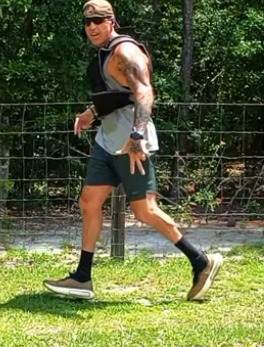
This is the question underneath most other questions. Parents do not only want to know what next week looks like. They want to know what life looks like years later. The encouraging answer is that many people treated for clubfoot grow up walking, running, working, playing sports, serving in demanding roles, and building full adult lives.
Long-term outcomes are not identical for everyone. Some adults deal with stiffness, calf-size differences, pain flares, shoe-fit problems, or later surgery. But clubfoot does not automatically mean a limited life. That is one of the biggest gaps this site is built to fill: connecting early medical information with actual adult lived experience.
Continue with the Adult Clubfoot Life Hub, Adult Bilateral Clubfoot Runner, Running With Clubfoot, Adult Clubfoot Work, and Adult Clubfoot Pain Flares and Relief.
The Part Parents Need to Hear
When people first hear the word clubfoot, they often imagine the worst version of the future. They picture permanent disability, severe limitations, or a life defined only by treatment. That fear is understandable, but it is not the full picture.
Clubfoot is serious. Treatment takes consistency. Follow-up matters. Some children and adults face setbacks. But this is also one of the most established and treatable congenital orthopedic conditions, and many families eventually move from fear into routine, and from routine into confidence.
You are allowed to feel overwhelmed at the start. You are also allowed to believe that your child can still have a strong, active, meaningful future.
Start Here Next
External Medical References
- AAOS OrthoInfo: Clubfoot
- Mayo Clinic: Clubfoot Symptoms and Causes
- Mayo Clinic: Clubfoot Diagnosis and Treatment
- NHS: Clubfoot
- NIH / PMC: Relapse of Clubfoot After Ponseti Treatment
These references support the plain-language overview on this page and should be interpreted alongside guidance from your child’s own medical team.
One Starting Page, Not the Whole Journey
Clubfoot is not just one diagnosis or one cast. It is early treatment, long-term follow-up, hard questions, progress, setbacks, and real life after the medical phase. This page is meant to be the starting point that connects all of that together.
Critical Disclaimer
This page shares lived experience and educational summaries only. It is not medical care, diagnosis, or individualized treatment. Use this guide to ask better questions, not to replace your child’s licensed medical team. For site standards, see the Clubfoot Editorial Policy.