Nobody overcame anything
Every page you find about athletes with clubfoot is titled some version of overcoming. That word is doing a lot of work it has not earned. These people were treated as infants, treatment worked, and they went on to have the careers their talent allowed. That is not triumph over adversity. It is what correction is supposed to do, and saying so plainly is more useful to a parent than another inspirational listicle.
Documented
The ones with a source behind them
Each of these has a published account of the diagnosis, not a claim repeated from another list. Where the treatment is documented, it is described.
Kristi Yamaguchi, figure skating
Born with bilateral clubfoot and treated with the Ponseti method: leg casts for most of her first year, then corrective shoes and bracing.2 She won Olympic gold in 1992. Hers is the most directly relevant case on this page, because bilateral involvement and a full casting-and-bracing course is the standard modern pathway rather than an unusual one.
Freddy Sanchez, baseball
Born with a right clubfoot and a severely pigeon-toed left foot, with casts applied on both legs on his second day of life.1 He won the National League batting title in 2006. His is the best-documented case here, from a full biography rather than a passing mention.
Mia Hamm, soccer
Born with a club foot and wore corrective shoes as a toddler.3 Two World Cups and two Olympic golds followed. The published account is brief, which is itself worth noting: the detail that survives about a treated foot is usually thin, because after correction there was not much to report.
David Smith, rowing
Born with a club foot, and describes the first three years of his life as repeated breaking and resetting of bone to correct alignment.4 That is a considerably harder course than the others here, and a useful counterweight to the impression that every correction is gentle.
Benoit Huot, swimming
Born with club feet, and one of the most decorated swimmers in Paralympic history.4
Careful
Names that circulate without a source
Several American football players appear on almost every list of this kind. Following those claims back, they lead to other lists, practice blogs and social posts citing one another, and no original reporting or statement from the person. That is a comment about the sourcing, not about anyone’s honesty. It may well be true and simply undocumented in anything I can reach.
They are left out here anyway, because a page that exists to tell parents what is actually known should not pad itself with things that are merely repeated. If you have a primary source for one of them, send it and the name goes in with the citation attached.
The useful part
What an elite career does and does not tell you
It tells you the diagnosis does not set the ceiling. That is genuinely worth knowing at three in the morning with a newborn in casts. A corrected clubfoot is compatible with an Olympic career, and the reason is unremarkable: treatment in the first months of life works well in most children.6
It does not predict your child. You are reading a list assembled by fame, not by outcome. Every treated clubfoot that produced an ordinary knee-height footballer, a decent club runner or someone who simply walks to work without thinking about it is missing from it, and that group is far larger. A list of champions cannot tell you what is typical, and it is not evidence that a child who struggles has failed at something.
It does not mean the foot is identical to any other. Several of these athletes had a straightforward course. One describes years of bone being broken and reset. Clubfoot ranges from a foot that corrects in five casts and never troubles anyone again to one that needs repeated surgery,5 and both ends are represented above.
Several are Paralympians, and that is not a lesser category on this page. It reflects the range honestly. Where the condition is syndromic or correction was incomplete, lasting limitation is a real outcome, and a list that quietly dropped those names to keep the story clean would be a worse page.
The question underneath
What are you actually hoping to find out?
Can a child with clubfoot play at a high level?
Yes. The diagnosis does not set the ceiling. A corrected clubfoot has been compatible with Olympic golds, World Cups and a batting title.
Does a harder treatment course rule it out?
Not on its own. The courses here range from a straightforward correction to years of intervention.
What does this say about my child?
Less than it seems. It tells you what is possible, not what to expect, and it is not evidence that a child who struggles has failed at anything.
Why is a name I have seen elsewhere missing?
Several names appear on almost every list, and following them back leads to other lists rather than original reporting.
From here
A note from someone with it
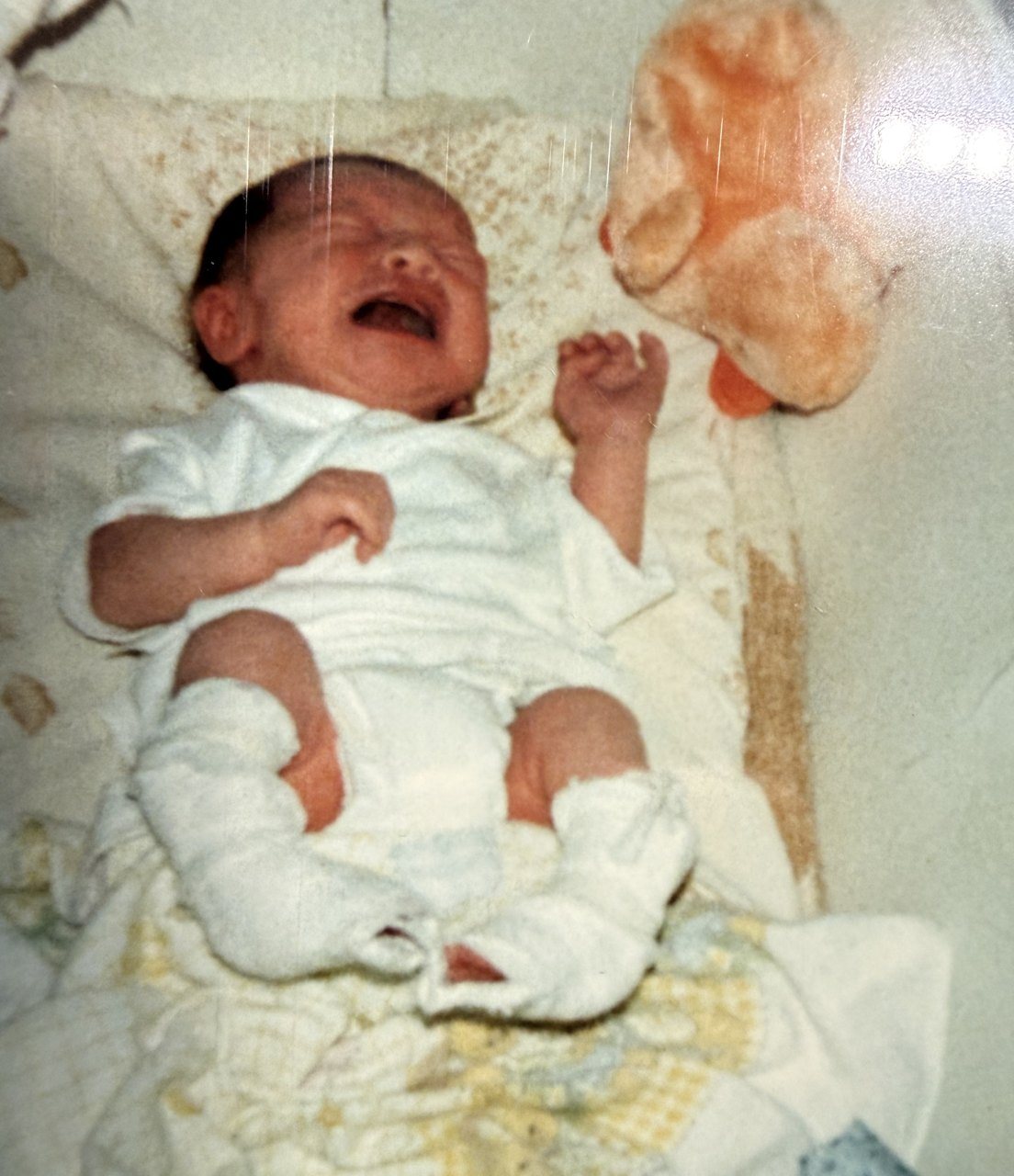
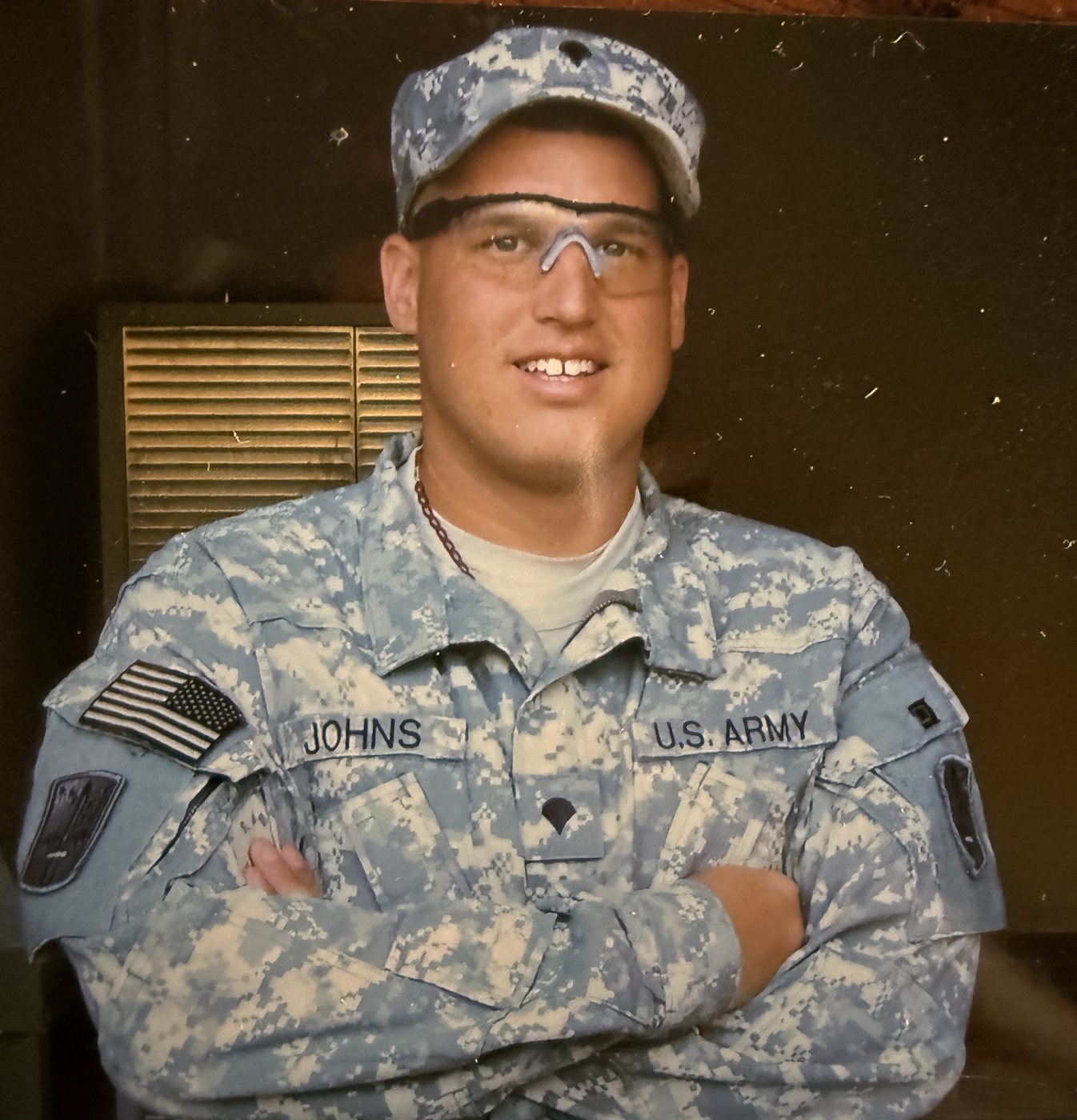
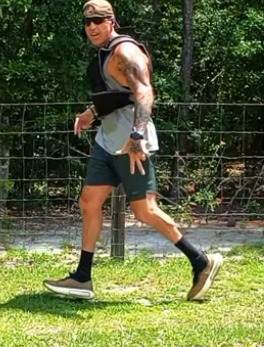
I have bilateral clubfoot, extensive childhood surgery behind me, a left-sided relapse and a triple arthrodesis, and I run distance. That is not an achievement worth a listicle either. It is one outcome from one foot, and the only reason I mention it is that the pages competing for this search are written by people who do not have the condition, and it shows in the word overcame.
What is worth taking from any of this is narrow: sport is not off the table because of the diagnosis, and how far it goes depends on the same things it depends on for everybody, plus a foot that has its own limits. Where those limits show up in practice is covered in running with clubfoot and whether your child can play sports.
People also ask
Athletes with clubfoot
What famous people were born with clubfoot?
Did Mia Hamm have clubfoot?
What famous athletes were born with clubfoot?
Did those athletes overcome clubfoot?
Does an athlete with clubfoot mean my child can do the same?
Why are several of them Paralympians?
Was Troy Aikman born with clubfoot?
Sources
Where this comes from
Biographical details are as published in the sources above. Where an account is brief, this page says so rather than filling the gap.