Features, not brands
Models change every year; what your foot cannot do stays the same. Learn the five features that matter and you can assess any shoe in any store, which beats any recommendation with a shelf life.

Specific shoes
Where the features above actually exist
Everything on this page is deliberately about features and not models, because models change every season and features do not. That said, people reasonably want somewhere to start. These are shoes built around depth, width and easy entry. The three things a treated clubfoot (congenital talipes equinovarus, or CTEV) most often needs and mainstream running shoes most often lack.
None of these is a recommendation for your foot specifically, and a shoe that fits the person next to you may be wrong for you. Use them as examples of the shape to look for.
These are affiliate links. If you buy through one, Clubfoot Forward earns a small commission at no extra cost to you, and it helps keep the site running. It does not change what is recommended here. The features section above was written first, and the shoes were chosen to match it.
Rank the help you actually need
Pick everything that applies. Most people have three or four of these at once.
Your foot
Seven features. Nobody has ranked them for clubfoot, so tell it what your foot does and the list re-ranks.
Why the features come first
The shoes named near the top of this page are examples, and they will not stay current. Models are revised often and can change a lot between versions, so a name that fits today can mislead a year from now.
Features do not go out of date. Knowing you need a rocker, real width and a firm heel counter lets you walk into any store, in any country, in any year, and assess what is on the wall, which is a considerably more useful thing to own than a list.
A model recommendation lasts a season. Knowing what to look for lasts.
Those named shoes are affiliate links, and the page says so where they appear. The features on this page were written first, under the editorial policy, and the shoes were picked to match them. If a model is ever revised into something that no longer has the features, the features win and the link goes.
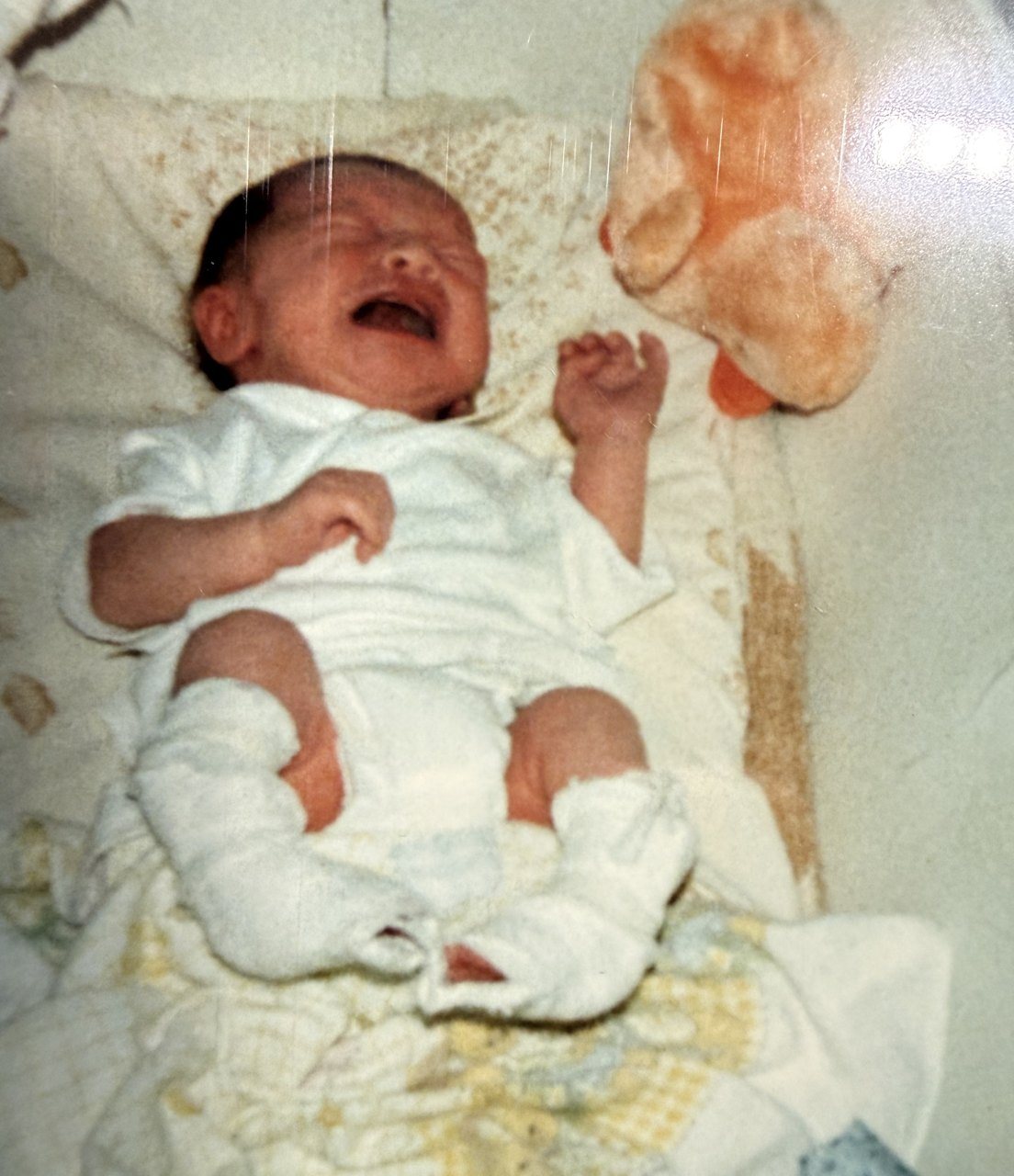
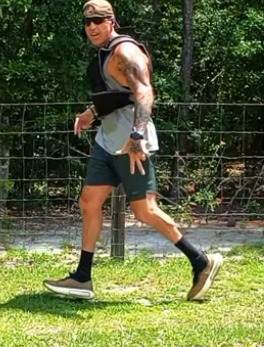
I am not neutral about any of this. Barefoot, both of my feet hurt, the left one worse, and walking to the kitchen without shoes feels like walking across Lego. In shoes, the pain section of the foot and ankle questionnaire I filled in this year came out at 94.4 out of 100, where 100 means no pain at all. The foot did not change between those two answers. The shoe did.
Buying them without wasting the afternoon
Worth doing
- Go late in the day, when feet are largest
- Take your orthotic or insole with you
- Squeeze the heel counter before anything else
- Ask for width fittings by name
- Run in them, on a hard floor or a treadmill
- Buy two pairs of anything that works
Not worth doing
- Sizing up to gain width
- Buying online first for an unusual foot
- Trusting a gait-analysis treadmill that scores you against normal
- Assuming price tracks suitability
- Expecting a shoe to break in around a bony point
- Replacing a working shoe with its next version untested
The last item on each side is the same lesson. A shoe that suits an unusual foot is genuinely hard to replace, models change without warning, and a second pair bought while it still exists is cheap insurance.
On your phone
Keep track of what actually worked
The app holds a footwear and orthotic log: what you wore, how long it lasted and what it did for you. The next pair is then a decision made from evidence instead of from memory.
Get it on the App Store → Get it on Google Play →
Free on iPhone and Android. No account, and what you put in stays on your phone.
People also ask
Running shoes
What running shoe is best for clubfoot?
Are minimalist shoes ever a good idea?
What if my feet are different sizes?
How often should I replace them?
Why does this page not name models?
Are minimalist running shoes ever a good idea?
Do I need custom orthotics in running shoes?
Should I rotate between different shoes?
Sources