
Clubfoot Joint Fusion Surgery (Arthrodesis)
What actually happens when a joint is fused
Arthrodesis is the deliberate removal of a joint. The surfaces are cleared to raw bone, the position is set, and metalwork holds everything still until the two bones grow into one. That is the whole idea. A joint that cannot move cannot generate pain from movement. Here is the operation itself, stage by stage.
The procedure
What is done, and when
Technique and timings vary between surgeons and between feet. The sequence does not.
A worn joint, not a crooked one
Fusion is a pain operation before it is an alignment operation. It is generally considered when the cartilage in a joint has gone, when pain no longer settles with rest, and when footwear, orthotics and strengthening have stopped helping because there is no longer a joint surface for them to protect.
In clubfoot (club foot, or talipes equinovarus) that situation usually arrives in adulthood, after decades of loading a hindfoot that sits slightly wrong. It is rarely a childhood operation, and it is not a first move at any age.
The part you can influence
Fusion depends on two bone surfaces knitting into one. Anything that impairs bone healing lowers the odds of that happening, and smoking is the largest modifiable factor (stopping beforehand measurably improves the chance of union). Diabetes and poor circulation matter for the same reason.
The other preparation is logistical, not medical. Weeks without weight through the foot is a problem of stairs, washing, cooking and income before it is a problem of pain, and it is far easier to solve while you are still mobile.
Cartilage off, position set, held still
Under general anesthetic, the surgeon opens the joint, removes the remaining cartilage down to bleeding bone on both surfaces, and positions the foot where it should sit instead of where it has drifted to. Bone graft is often packed into the gaps to encourage healing. Screws, staples or plates then hold everything rigid.
The realignment is part of the operation, not a bonus. A hindfoot sitting in varus is brought back under the leg, which is why the foot afterwards loads differently as well as hurting less.
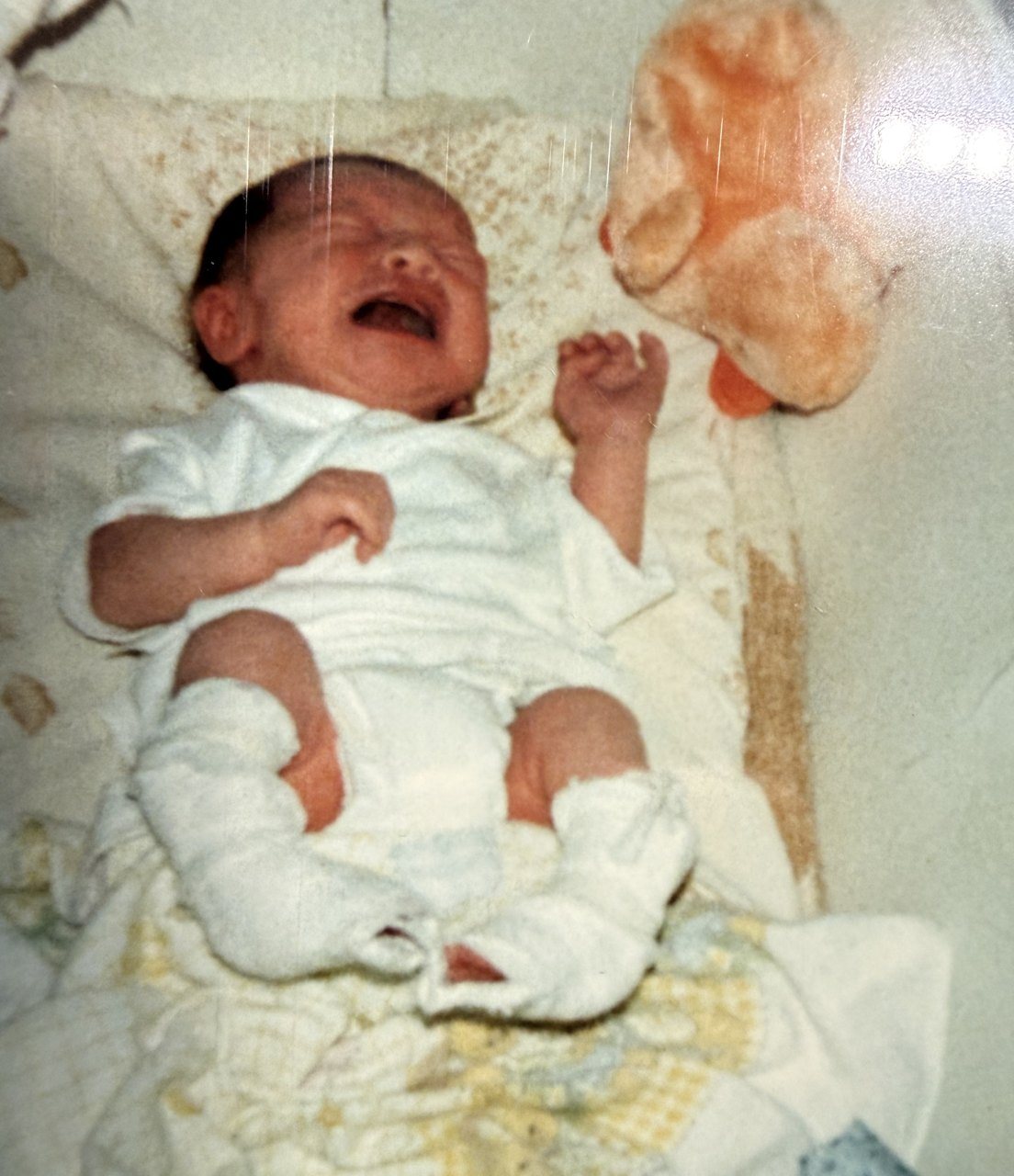
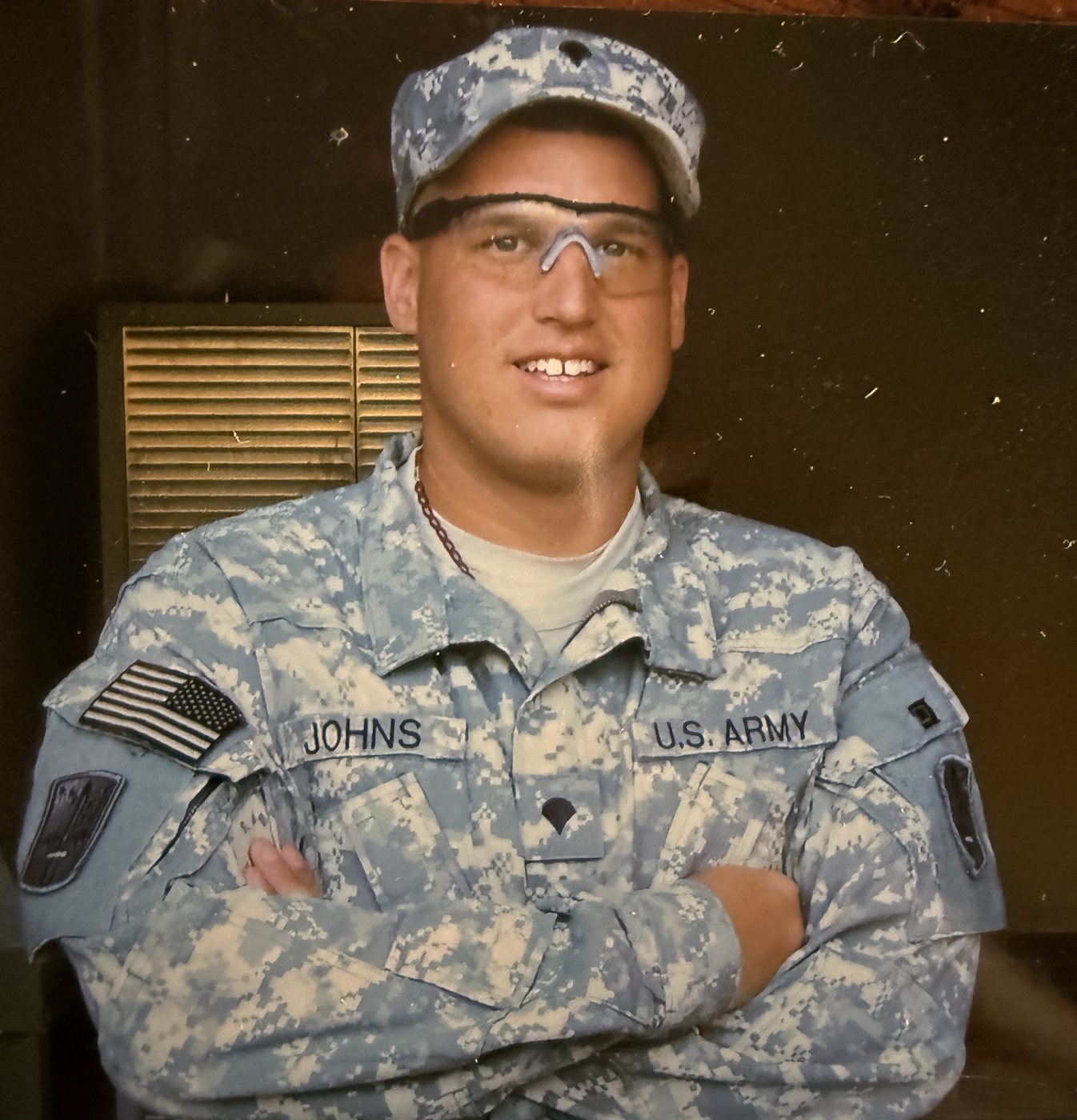
Mine was held with two staples. They went in at sixteen and they are still there. At the eighteen month review they were described as intact and the fusion as completely healed. The only X-ray of that foot since was taken at urgent care in 2023, for a bruise, and nobody has imaged it for the fusion itself.
The weeks that decide it
A cast or boot, and no weight through the foot at all. Commonly six to twelve weeks, depending on the surgeon and on how union is progressing on imaging. The metalwork is holding the position. It is the bone that has to do the joining.
When that fails it is called non-union: the surfaces do not knit, pain persists, and further surgery is often needed. It is the main complication of this operation and the reason the preparation above matters more here than for most procedures.
Mine was planned as twelve weeks in a cast, six of them with no weight through the foot at all.
The pain was hard for about the first two months, and that is not the part I would warn you about. For roughly the first two weeks I was close to bedridden, because letting the leg hang down hurt more than lying still did. Once that eased I was on crutches, with a wheelchair for school. The immobility turned out to be far worse than the pain, and it was not close. Everyone prepares you for the operation. Nobody sits you down and prepares you for the months of sitting down that come after it, which is the part you actually have to live through.
I do not know how long I was in the walking cast. Somewhere around four months in total. I have looked for that number and it is not in anything I hold.
What you have bought, and what you have spent
Weight-bearing returns progressively once union is confirmed, then walking distance, then everything else. Swelling that comes and goes for around a year after hindfoot surgery is normal and not a complication, and the calf wastes during immobilization and takes months of deliberate work to rebuild.
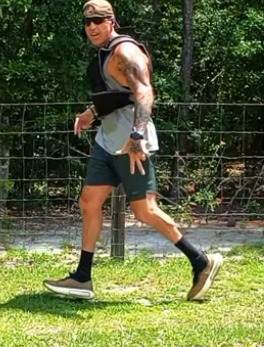
What does not come back is the joint. On flat, predictable ground that is barely noticeable. On rough ground it is obvious, because the joints that let a foot tilt to meet uneven terrain are exactly the ones that were fused.
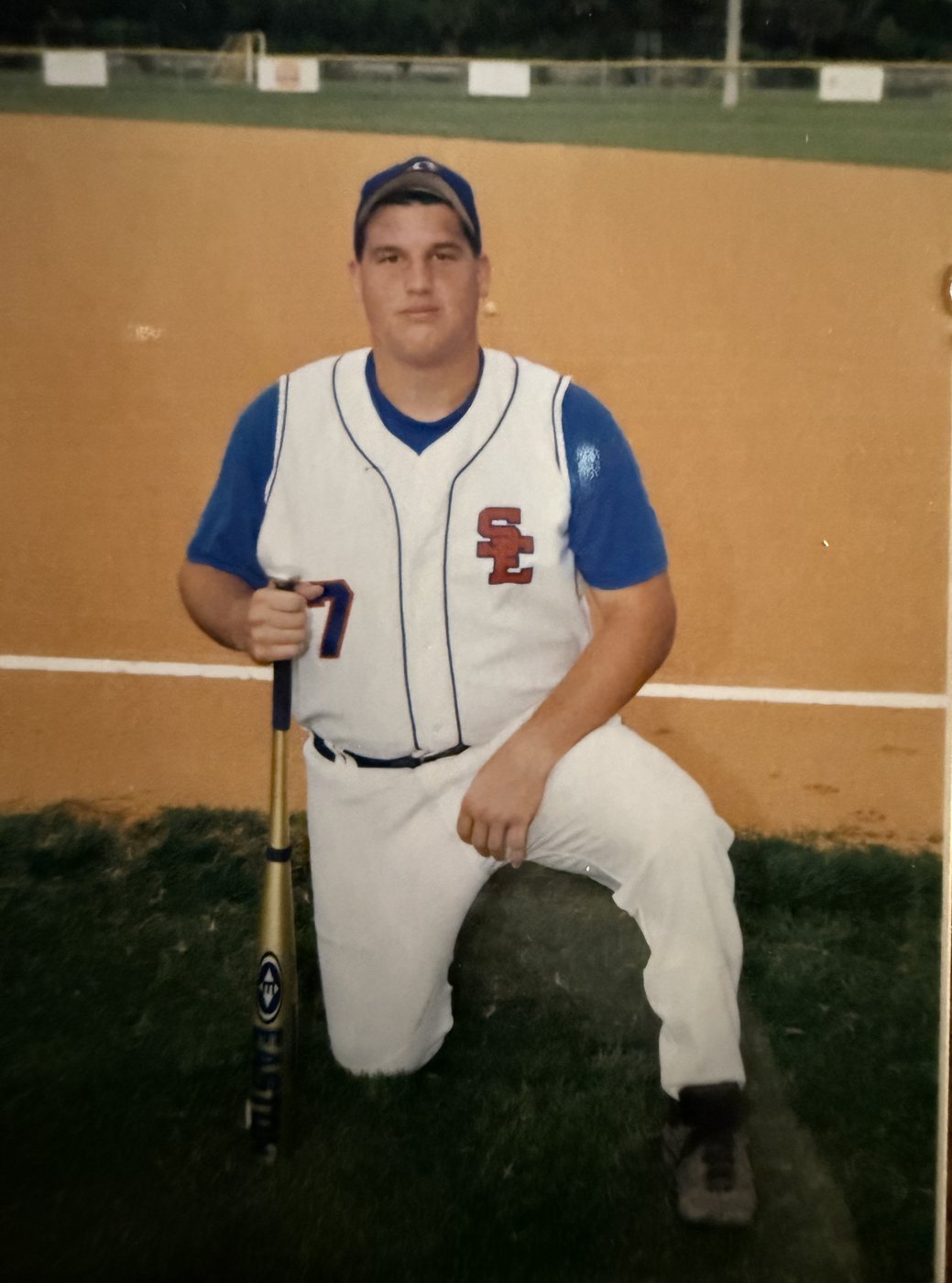
I was released to full activity at five months with five to ten degrees of active dorsiflexion, and I was back playing baseball inside a year.
The loss I did not see coming was that dorsiflexion. Walking was fine. Catching and squatting were not, because a catcher’s crouch asks the ankle to fold further than a fused hindfoot and a tight heel cord will allow, and there is no technique that gets around it. You find out one afternoon that your body will not go there any more. My family was told the operation would decrease subtalar motion and that sentence is in the chart, so I cannot claim nobody mentioned it. What nobody did was translate it. Decreased subtalar motion means you will not squat the way you used to, and it means rough ground stops being ground and starts being a decision.
Which joints, and what each one costs
Fusion is not one operation. Which joint is fused determines what you lose, and the difference between them is larger than the shared name suggests.
That last distinction is worth holding onto: hindfoot fusion removes something you use on rough ground, while ankle fusion removes something you use on every step, everywhere. A rocker-soled shoe substitutes for the ankle and cannot substitute for the hindfoot.
Fusing a joint is not repairing it. It is deciding the joint has cost more than it is worth.
The consequence nobody mentions first
The motion a fused joint used to supply does not stop being required by walking. It gets demanded of whatever is still moving nearby, typically the ankle above and the midfoot in front, and those joints accumulate wear as a result. Increased degeneration in adjacent joints over the long term is well described.
That is not an argument against fusion, and it is an argument for asking about it before instead of discovering it later. A twenty-year horizon is exactly the timescale over which it becomes relevant, which matters more at forty than at seventy.
My surgeon wrote his closing assessment when he discharged me at almost eighteen, about eighteen months after the operation. He wrote that it is not unusual for a patient to have occasional pain given a history of clubfoot, and that the foot is never going to be normal. Then he wrote that it is extremely functional and should serve him well as an adult.
I have had twenty-three years to test that. He was right about both halves of it, and I would rather have been told the first half louder.
People also ask
Clubfoot arthrodesis
What is arthrodesis surgery?
Why would a clubfoot need a fusion?
How long is the recovery?
What is non-union?
Which joints get fused in clubfoot?
What happens to the joints next to a fusion?
Sources
