Parent Perspective

Clubfoot Parent Perspective: Diagnosis to Casting

This clubfoot parent perspective page is for the emotional and practical stretch between diagnosis and the first cast. That early window can feel intense because parents are trying to understand a new diagnosis, find the right orthopedic team, prepare for casting, and imagine a future they have not had time to process yet.

The hardest part for many families is not the cast itself. It is the gap between hearing “clubfoot” and finally understanding the plan. That gap is where fear grows. You hear terms like Ponseti method, serial casting, Achilles tenotomy, boots and bar, and relapse before you know how those pieces actually fit together.

This page slows that moment down. It is not a medical plan. It is a parent-centered guide to what diagnosis to casting often feels like, what usually matters most before the first cast, and which Clubfoot Forward pages to read next so the process becomes more navigable.

The first goal is orientation, not perfection.

Functional Reality

Fear is often highest before the plan is clear

Parents usually feel the most overwhelmed before they understand the treatment sequence. Once diagnosis, first visit, first cast, and next steps are explained, the fear often becomes more specific and manageable.

Parent Priority

Do not try to solve the whole future today

The first useful task is not predicting sports, surgery, adulthood, or every relapse possibility. The first task is understanding the next appointment and the first casting phase.

Treatment Sequence

Early treatment usually has a structure

For idiopathic clubfoot, early care is often built around the Ponseti sequence: evaluation, gentle manipulation, serial casting, possible Achilles tenotomy, and bracing to maintain correction.

Start Here

If the diagnosis is brand new, begin with First Pediatric Orthopedic Visit for Clubfoot. If casting is already scheduled, go next to First Clubfoot Casting Appointment.

Why This Page Exists

Most early-treatment pages explain what happens medically. This page explains what the first stretch often feels like emotionally, mentally, and practically for families trying to keep up.

Important: This page is for education and orientation only. If your baby has a clubfoot diagnosis or treatment is about to begin, use this page to get grounded and ask better questions, not to replace your orthopedic team.

Jump To

Plain-language breakdown | What this stage feels like | Diagnosis to casting sequence | First visit questions | First cast reality | What helps most | Long view | Evidence | Common questions | Quick path links

Clubfoot Parent Perspective in Plain English

In plain language, this stage is about moving from shock to structure.

At first, clubfoot can feel like one giant problem. Once treatment gets explained clearly, it usually becomes a sequence: understand the diagnosis, meet the pediatric orthopedic team, begin serial casting, consider tenotomy if needed, and then protect correction through bracing.

That shift matters. Parents usually cope better once the early phase stops feeling like a fog and starts feeling like a path.

The goal before the first cast is not to become an expert. The goal is to understand what clubfoot is, what the first visit is for, what casting is trying to do, and what questions need to go back to the medical team.

What This Stage Often Feels Like for Parents

Many parents describe the earliest stretch as a strange mix of love, fear, urgency, guilt, and information overload. You are caring for your baby while your brain runs ahead to bracing, walking, sports, shoes, surgeries, and adulthood all at once.

The emotional weight often comes from not yet knowing what happens next. Once a pediatric orthopedic team explains the plan, families may still feel anxious, but the anxiety becomes more specific and more manageable.

This is why practical pages matter. A clear explanation of the first pediatric orthopedic visit or the first clubfoot casting appointment can lower the noise because it gives the fear a shape.

You do not need to be calm every second. You need a usable next step.

The Diagnosis to Casting Sequence

The exact timeline depends on your child and care team, but most families move through the same early structure: diagnosis, specialist visit, first cast, repeated casting, possible tenotomy, and then bracing after correction.

Step 1

The diagnosis lands first

This is the stage where parents usually need the basics in plain English: what clubfoot is, how it is usually treated, and what not to assume yet.

Read diagnosis and causes

Step 2

The first orthopedic visit gives structure

This is where uncertainty usually starts to shrink. Parents learn timing, casting plans, exam findings, and what the first phase of treatment will look like.

Read the first visit guide

Step 3

The first cast makes treatment feel real

The first cast is often the moment families stop imagining treatment and start living it. That can be hard emotionally, but it also creates momentum.

Read the first casting guide

Step 4

The casting rhythm begins

Repeated casts are usually part of the correction sequence. Parents should know the schedule, what casts are doing, and what problems require a call.

Read casting schedule

Step 5

Tenotomy may be discussed

If the Achilles tendon remains too tight, the care team may discuss tenotomy. That does not mean treatment has failed; it is commonly part of the Ponseti correction path.

Read tenotomy guide

Step 6

Bracing protects correction

After correction, the brace phase begins. This is where parents often need the most practical help because the routine moves into everyday family life.

Read bracing guide

What to Bring Into the First Orthopedic Visit

The first visit should leave you with more structure than you arrived with. Parents should not feel like they need to know every medical term before they walk in. But it does help to know what the appointment is supposed to clarify.

  • Diagnosis: Is this isolated idiopathic clubfoot, or does the team see anything else that changes the plan?
  • Severity and flexibility: How stiff or flexible does the foot seem?
  • Timing: When will casting begin, and how often will casts be changed?
  • Tenotomy: How will the team decide whether an Achilles tenotomy is needed?
  • Bracing: When does the boots-and-bar phase usually start, and what schedule does the team use?
  • Call rules: What cast or comfort problems require calling the office?

Best next page: First Pediatric Orthopedic Visit for Clubfoot.

What Parents Are Usually Carrying Into the First Cast

The first cast can feel bigger than the medical procedure itself. It is often the first visible sign that treatment has truly started. Parents may feel relief that something is being done and grief that their baby needs it at all. Both can be true.

Visible Worry

Will my baby be okay?

Parents often worry about discomfort, crying, swelling, skin problems, cast weight, sleep, and whether they will know if something is wrong.

Invisible Worry

Did this change the future?

Parents may also grieve the picture they expected, question themselves, and try to predict walking, sports, braces, surgeries, and adulthood before the first cast is even dry.

Practical Worry

What do I watch for?

Parents should ask their team what to do for swelling, toes changing color, cast slipping, wet casts, unusual odor, skin concerns, or distress that feels outside the normal adjustment window.

Best next page: First Clubfoot Casting Appointment.

What Helps Most in Real Life

Parents usually do not need more panic tabs. They need a clear sequence, reliable next-step pages, and permission to focus on the appointment in front of them.

Focus

Focus on the next step

Try not to solve the entire future before the first cast. The first useful question is usually: “What is the next appointment going to involve?”

Information

Use practical pages, not panic searches

One clear page about the first visit or first cast is worth more than ten random search results mixing severe cases, outdated care, and worst-case stories.

Structure

Let the sequence calm you

Diagnosis, visit, cast, schedule, next step. The more clearly you can name the sequence, the less chaotic the process usually feels.

For most families, the best next practical pages are Casting Schedule, Clubfoot Tenotomy Guide, and the broader Ponseti Clubfoot Parent Guide.

Why the Long View Matters

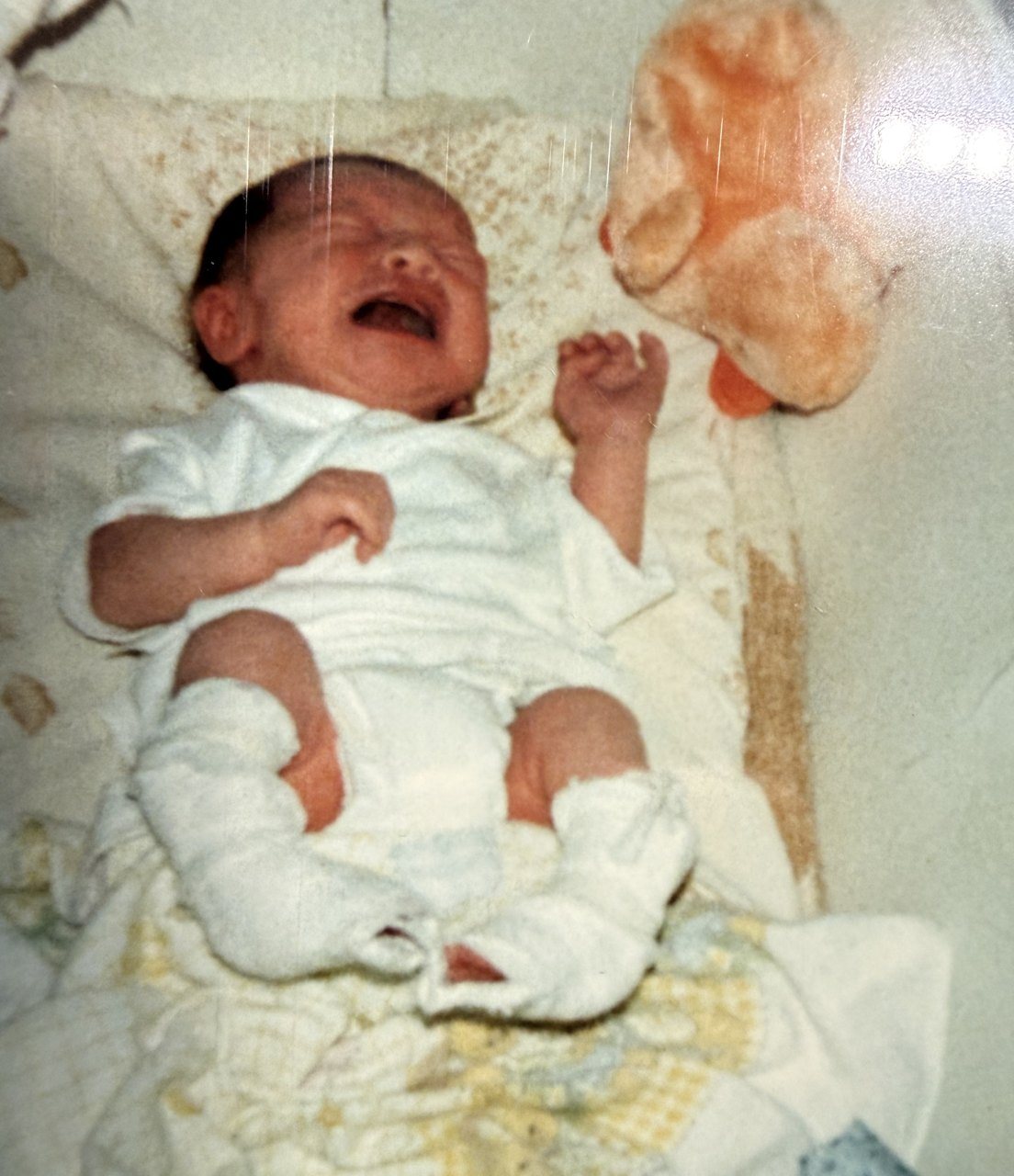
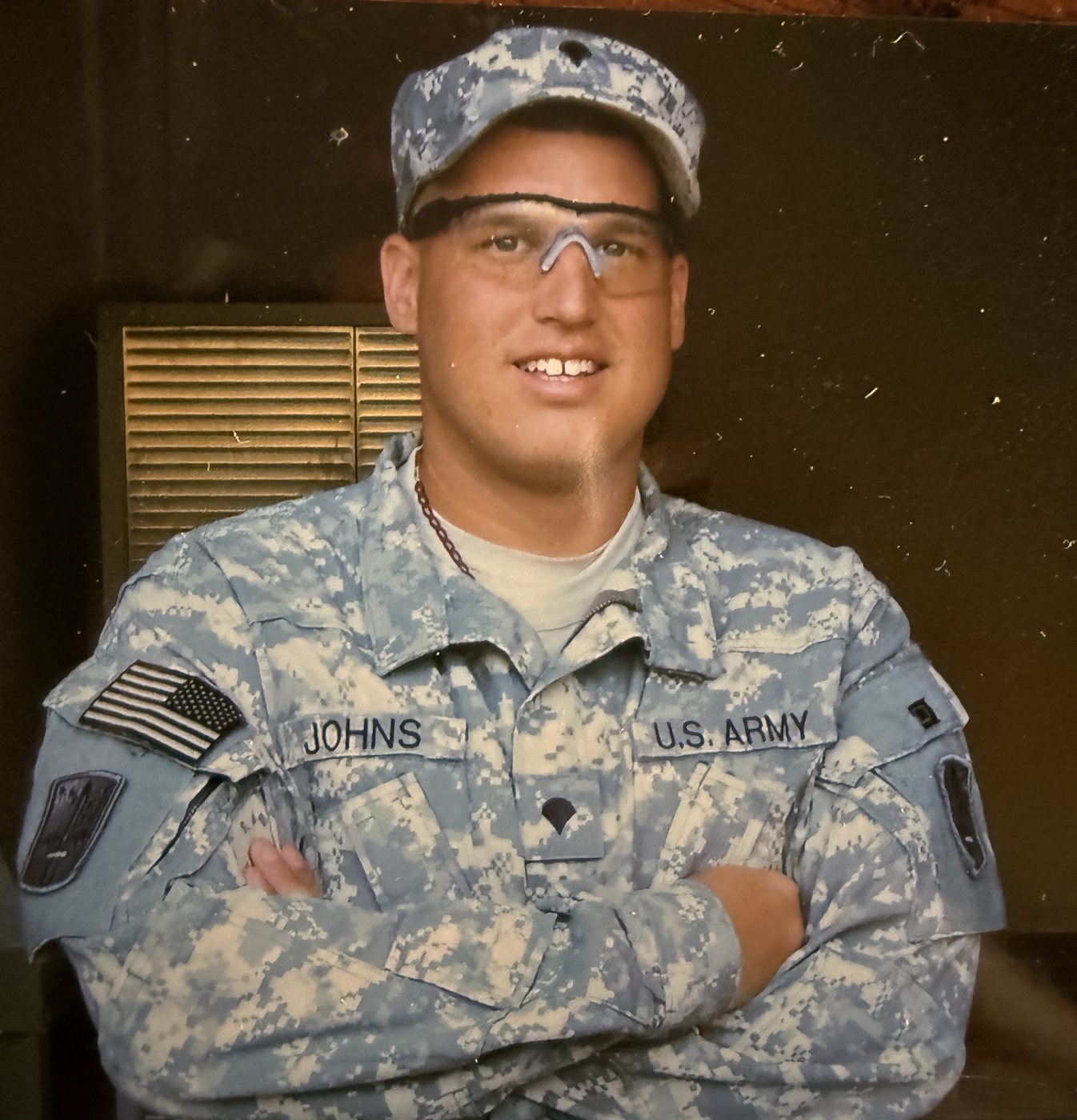
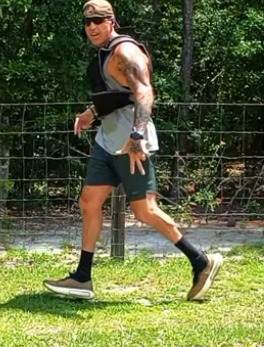
One thing that makes Clubfoot Forward different is that this site is not built only from textbook summaries. It is shaped by long-view lived experience across childhood treatment, setbacks, surgery, adulthood, military service, and running.

That matters because early-treatment fear is often driven by the feeling that one diagnosis has rewritten your child’s whole future. The long view helps challenge that fear. It does not promise a simple path, and it does not pretend every outcome is the same. But it does show that a clubfoot diagnosis is not the end of movement, identity, joy, sports, work, or possibility.

Parents need realism and hope at the same time. Realism says treatment matters, bracing matters, follow-up matters, and warning signs should be taken seriously. Hope says this diagnosis does not erase your child’s future.

For the fuller lived-experience background, read About Clubfoot Forward.

Evidence Snapshot

AAOS describes the Ponseti method as the most widely used clubfoot treatment approach and explains that it uses gentle stretching and casting to gradually correct the deformity. Ponseti International describes weekly gentle manipulation followed by plaster casting to hold correction and gradually bring the displaced bones into alignment.

Bracing matters because correction must be maintained after the casting phase. Peer-reviewed bracing literature describes foot abduction bracing as essential for preventing relapse after Ponseti treatment, and relapse literature continues to emphasize the brace’s role in maintaining correction.

Authority takeaway: the early clubfoot path usually has a structure, even when it feels emotionally overwhelming: evaluation, serial casting, possible tenotomy, and bracing to maintain correction.

Common Questions About Diagnosis to Casting

What does the time between clubfoot diagnosis and first casting usually feel like for parents?

For many parents, the hardest part is the stretch between hearing the diagnosis and finally understanding the plan. The fear often comes from uncertainty, unfamiliar treatment language, and trying to imagine the entire future before the first appointment has even happened.

What should parents focus on before the first clubfoot cast?

Parents usually do best when they focus on the next step: understanding the diagnosis, preparing for the first pediatric orthopedic visit, learning what the first cast is meant to do, and writing down practical questions for the care team.

Is it normal to feel overwhelmed before clubfoot treatment starts?

Yes. Many families feel overwhelmed at first because they are absorbing new terms, appointments, treatment decisions, and emotions all at once. A clear treatment sequence can make the early stage feel more manageable.

What happens between clubfoot diagnosis and casting?

The usual path is diagnosis, referral or visit with a pediatric orthopedic team, confirmation of the treatment plan, and then the first cast. The first cast begins the correction phase, usually through the Ponseti method.

Does the first clubfoot cast hurt the baby?

The Ponseti method uses gentle manipulation and casting. Babies may fuss because handling, positioning, or the cast itself is unfamiliar, but parents should contact the care team if there are concerns about swelling, color changes, skin problems, cast slipping, or severe distress.

What pages should parents read after this one?

The best next pages are usually First Pediatric Orthopedic Visit for Clubfoot, First Clubfoot Casting Appointment, Casting Schedule, Clubfoot Tenotomy Guide, and the Clubfoot Early Treatment Hub.

Best Next Step After This Page

If the diagnosis is still new, go to the first orthopedic visit guide. If treatment is already moving quickly, go next to the first casting appointment page.

Continue with First Pediatric Orthopedic Visit for Clubfoot or First Clubfoot Casting Appointment.

Critical Disclaimer

This page is for education and orientation only. It does not replace your child’s orthopedic team, pediatrician, surgeon, physical therapist, orthotist, or other qualified medical professional.

If your child has swelling, blue or cold toes, severe distress, cast slipping, skin breakdown, fever, sudden pain, or any urgent concern during treatment, contact your child’s medical team promptly. For site standards, see the Clubfoot Editorial Policy.