Three joints, welded, on purpose
A triple arthrodesis fuses the three joints of the hindfoot so they stop moving. It is a deliberate, permanent removal of function in exchange for stability and pain relief, and for a worn-out clubfoot (CTEV) it is one of the more reliable operations there is. I had one on my left foot. This is what it involved, month by month, and where I have ended up.
The whole thing
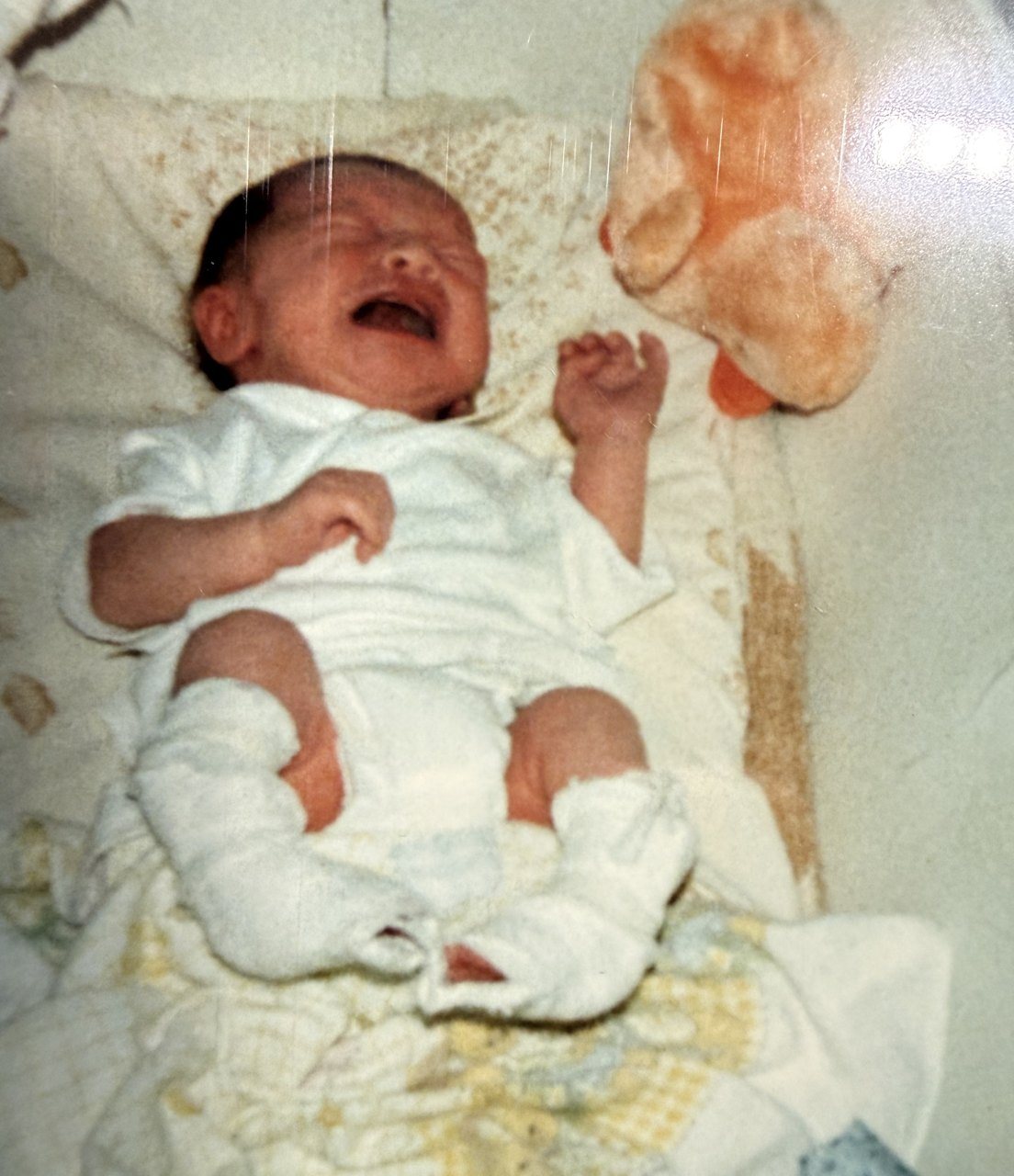
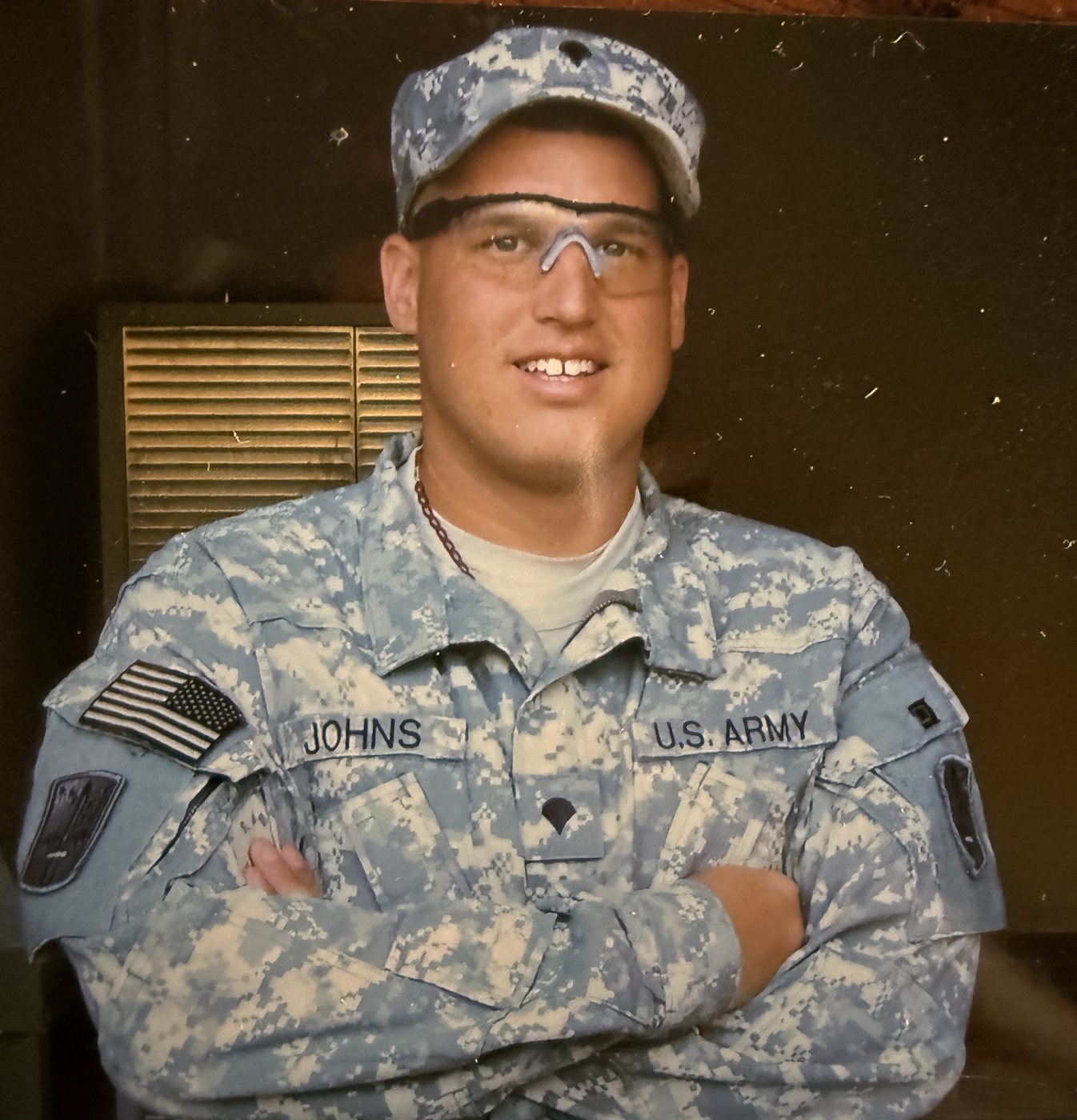
How it actually went
Timelines vary a great deal between surgeons and between feet. This is mine, not a schedule.
Why it became the option
My left foot had relapsed in childhood and carried residual deformity ever since. By my mid-teens it was breaking down under load. A stress fracture in the fourth metatarsal at fifteen, and then six months of pain that stopped me doing what I wanted, ended the argument. Imaging showed beaking of the navicular and irregular joint spaces, worse on the left.
By then the conservative measures had run their course. Orthotics and footwear had bought years, and they redistribute load and not repair a joint surface. When the surface is gone, there is nothing left for them to protect. The conversation moved from managing to trading.
What the surgeon does
The three hindfoot joints (subtalar, talonavicular and calcaneocuboid) are opened, the remaining cartilage is removed down to bone, the foot is positioned into correct alignment, and the bones are held together with screws while they knit into a single mass. Bone graft is often used to encourage union.
The correction is part of the operation, not incidental to it. A hindfoot sitting in varus gets brought under the leg where it belongs, which is why the foot afterwards looks and loads differently, not simply hurting less. It is a substantial procedure with a general anesthetic and a hospital stay.
The part that tests your patience
A period in a cast or boot with no weight through the foot at all, commonly six to twelve weeks depending on the surgeon and on how union is progressing. This is where the practical problems live: stairs, washing, cooking, getting anywhere, earning money.
The pain in the first two weeks is real and it is managed. What surprised me more was how completely dependent I became for ordinary things, and how badly I had planned for that. Sort the logistics before the operation instead of during it. It is the single most useful thing anybody can do with the waiting time.
Rebuilding, slowly and unevenly
Weight-bearing comes back progressively once union is confirmed on imaging, then walking distance, then everything else. Swelling comes and goes for a long time, a year is not unusual after hindfoot surgery, and that is normal, not a complication, though nobody told me so at the time.
The calf on the operated side wastes noticeably during immobilization and takes months of deliberate work to rebuild. Progress is not linear: there are bad weeks inside good months, and they are not setbacks. Running was much later than walking, and it did come back.
Where I have landed
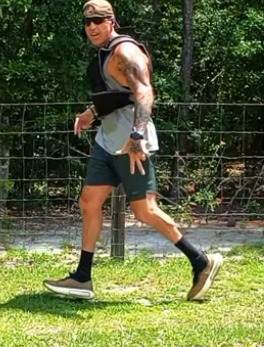
The pain that drove me to surgery is largely gone, which is what the operation was for and what it delivered. The foot is a stable platform that does not give way. I run distance on it, which I would not have predicted in the first miserable month.
What I do not have is hindfoot motion, and I never will. On roads and paths that is close to invisible. On rough ground it is obvious every few steps, because the joints that let a foot tilt to meet uneven terrain are the ones that were fused. That is the trade, and I would make it again.
The honest ledger
That third column is the part least discussed and worth understanding before instead of after. The motion a fused joint used to supply is still required by walking, so it gets demanded of the joints above and in front, which accumulate wear over years. It is a known, expected consequence, not a sign anything failed.
It is a good operation that solves a real problem and hands you a smaller, slower one in return.
Who it tends to suit
Fusion is generally considered when a hindfoot is both painful and arthritic, when the pain no longer responds to footwear, orthotics and strengthening, and when imaging confirms the joint surfaces have gone. In that situation the alternatives are managing pain indefinitely or trading motion for relief.
It suits people whose life is mostly on predictable surfaces better than it suits people who spend their days on mountains. It suits a foot that is already stiff better than one with useful motion left, because there is less to lose. And it is a poor fit for anyone hoping to regain movement, since it does the opposite by design.
Which joints
A triple arthrodesis is a subtalar fusion, plus two
The three joints are the subtalar, the talonavicular and the calcaneocuboid. Between them they are what lets a foot tilt and twist to meet ground that is not flat. The subtalar is the one doing most of that work, which is why it is also fused on its own, and why people who have had one operation often find themselves reading about the other.
That is worth carrying into any conversation about a second operation. A subtalar fusion under a native ankle and a subtalar fusion under a fused one are not the same proposition, and the authors say plainly that patients with an already-fused ankle need counseling about the risk and about further surgery.8 It is a single-center retrospective series, so treat the numbers as a warning rather than a quote.
Fusing fewer joints is the other question people arrive with. A prospective comparison of double arthrodesis, which leaves the calcaneocuboid alone, against the full triple found no significant difference in function scores or in how much deformity was corrected, and a significantly shorter operation; the authors recommend the double where the calcaneocuboid joint is unaffected.9 Both groups united by four months. Those patients had adult-acquired flatfoot rather than clubfoot, and there were twenty-three of them, so it is a direction rather than a rule, and which joints are worn is a question for the films.
People also ask
Triple arthrodesis and subtalar fusion
If you are looking at what might help a fused foot years later, the Exosym comes up constantly in those conversations. What the studies actually cover is limb-salvage trauma, not congenital deformity.
Which joints does a triple arthrodesis fuse?
Can you walk normally after a subtalar fusion?
What are the symptoms of a failed subtalar fusion?
What are the alternatives to a triple arthrodesis?
What makes a fusion recovery go well?
How long after a fusion before you can get out of the house?
How painful is the recovery after a fusion?
What is a triple arthrodesis?
Why is it done for clubfoot?
How long is the recovery?
Can you run after a triple arthrodesis?
What do you lose?
What happens to the other joints afterwards?
Sources