
What actually moves the needle
Outcomes for treated clubfoot (CTEV) vary widely, and most of that variation is not luck. A handful of factors do the heavy lifting. Some fixed before anyone had a say, some still in play right now. Tick what applies and see which of yours are the movable ones.

Which of these apply?
Tick what is true. Some are set in stone; some you can still act on this month.
Tick what is true of the case you are thinking about (your child’s, or your own). Several of these are fixed history and several are still live, and the useful move is telling those apart.
The three that matter most
Which treatment, and which era. Ponseti casting produces more supple, stronger, less painful adult feet than the extensive surgical release it replaced. That is why it replaced it. If you were treated before casting became standard where you live, you are carrying a different starting point than a child treated today, and it is worth knowing that instead of comparing yourself to them.
Whether the correction held. Relapse is the pivot. A foot corrected once and held is a different long-term proposition from one corrected repeatedly, because each relapse adds residual deformity and each intervention adds scar. This is also the factor most influenced by something a family controls, which is bracing.
How much residual deformity remains. A foot that sits nearly right loads nearly normally and wears at roughly a normal rate. A foot that sits in varus concentrates load onto surfaces not built for it, and does that a few thousand times a day for decades. Almost all adult arthritis in clubfoot traces back to this.
Nobody chooses the era they were treated in. Everybody chooses whether to be looked at once in the next decade.
What the long record generally shows
Long-term follow-up studies of treated clubfoot describe a broadly reassuring picture with a consistent asterisk. Most adults walk without aids, work, participate in sport and rate their function well. Alongside that, they report more foot and ankle pain than the general population, measurably reduced ankle motion, smaller feet and calves on the affected side, and higher rates of arthritic change in the hindfoot by middle age.
Both halves are true simultaneously, and picking one is how people end up either falsely reassured or unnecessarily frightened. The realistic summary is a functional foot that costs more to run than an average one, with a bill that tends to arrive in the fourth and fifth decades and not the second.
The thing most people get wrong
Prognosis is treated as something fixed at birth and revealed later, like a sealed envelope. It behaves far more like a running total. Load, strength, footwear and whether anyone is watching all keep contributing across decades, which means the outcome is still partly being written at thirty-five.
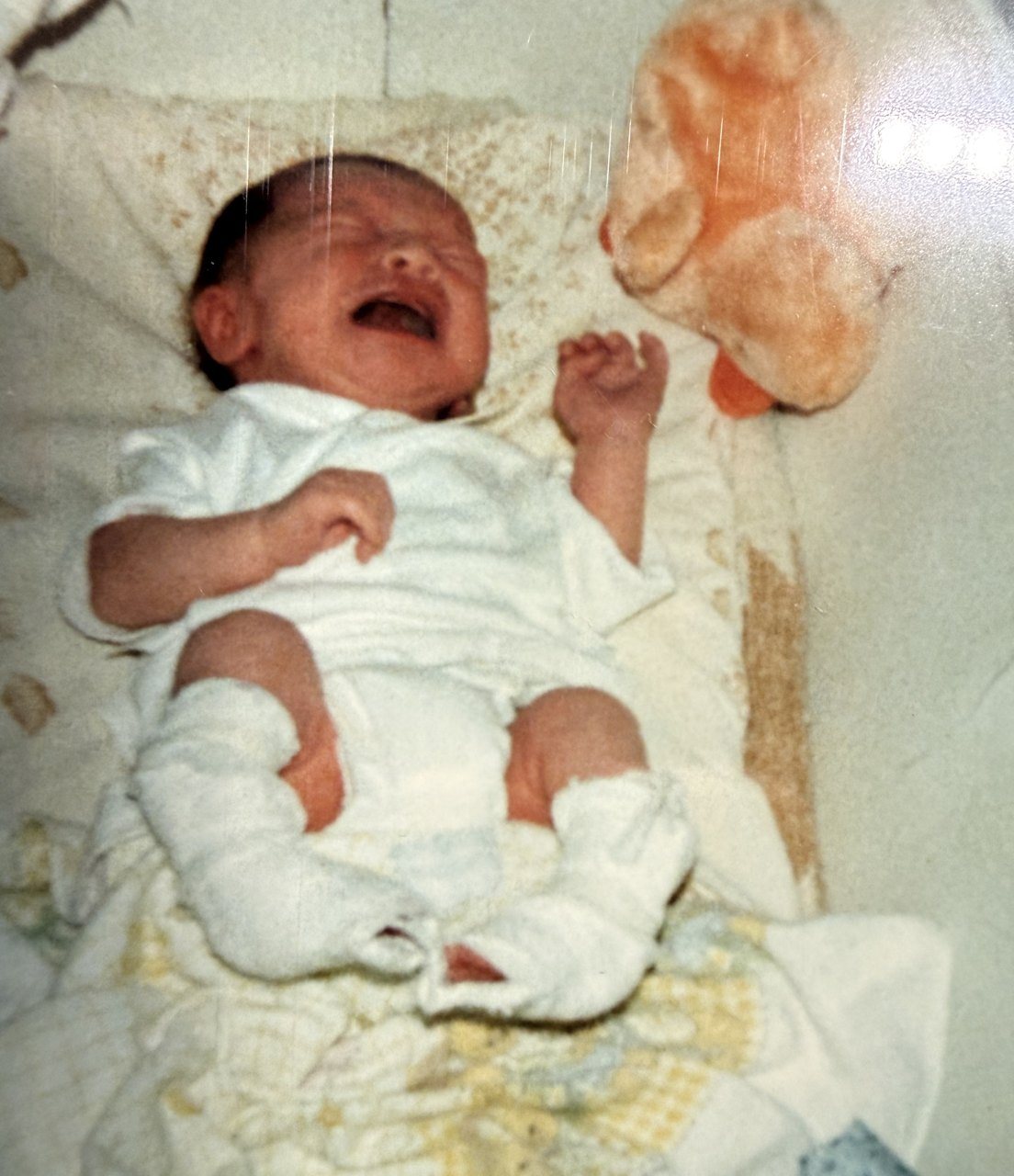
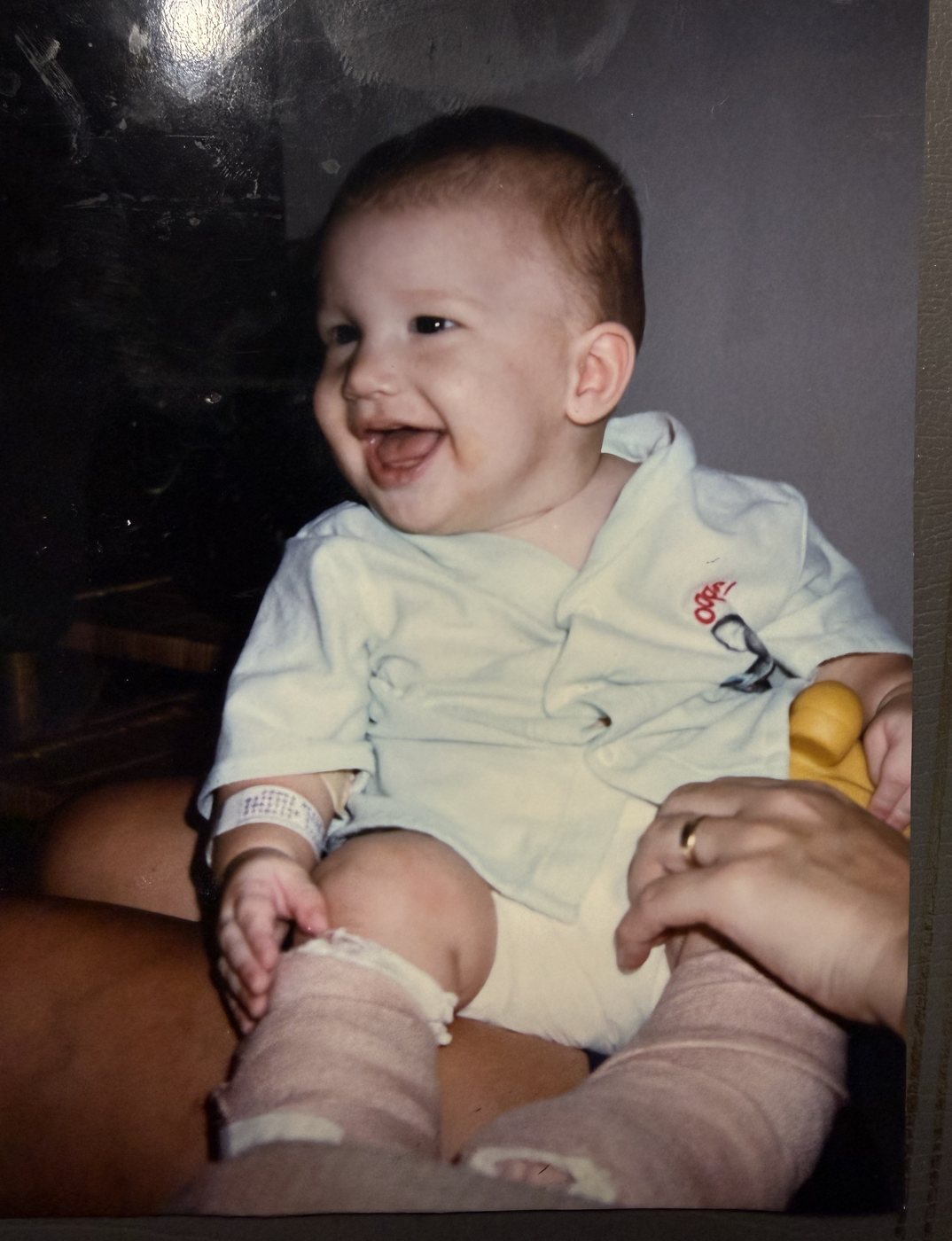
My own case is an argument for that. Severe presentation, surgical-era treatment, a childhood relapse, and a triple arthrodesis at sixteen. The first three were history by the time I could vote. The fourth was a choice I made repeatedly without noticing I was making it, and it is the one that cost me the most.
People also ask
Long-term prognosis
Can clubfoot cause problems later in life?
What is the long-term prognosis for clubfoot?
What most affects the outcome?
Does treatment era really matter?
Can I still influence the outcome as an adult?
Does relapse change the long-term picture?
What is the single most useful thing to do now?
Sources