Closed beta · Android & iOS

Clubfoot Forward is live in closed beta. Built for families and adults navigating the clubfoot journey.

On iPhone? Join the iOS TestFlight

A rigid object, and a foot that is not a standard shape

Everything else in this cluster is about policy, standards and physiology. This one is about an object. A combat boot is stiff by design, comes in a limited range of shapes, and stays on for twelve hours — and a treated clubfoot is short, wide at the front, high at the arch and stiff at the back. Tell it where yours and the boot disagree.

Where does the boot and your foot disagree?

Pick everything that applies. Most people have two or three problems at once, and the combination changes which fix goes first.

The problem

1
Replace the insole
Issued insoles are thin, flat and generic. Swapping them is normally permitted, costs very little, and is the only way to change how pressure is distributed inside a boot whose shape is fixed. For a high, rigid arch that loads the heel and ball heavily, filling the space under the arch spreads the load across more surface.
The highest-value change available, and the one most people leave until after the damage is done.
Start here
2
Ask for a wider size at issue
Wider fittings usually exist and are usually not offered unless requested. A treated clubfoot is frequently shorter and proportionally wider across the forefoot than the length suggests, so a boot sized by length alone squeezes exactly where the foot is broadest. Say something at issue, when it costs thirty seconds.
Forefoot compression is the source of most toe pain, nail damage and forefoot blistering.
Ask early
3
Change how you lace it
Lacing is an adjustment nobody teaches and everybody has access to. A heel lock at the top holds the heel down without tightening the forefoot. Skipping an eyelet relieves a specific pressure point. Lacing loosely low and firmly high gives a wide forefoot room while still securing the ankle.
Free, reversible, and it fixes a surprising share of heel lift and collar pressure problems.
Costs nothing
4
Two pairs, two sizes
If your feet differ by a size or more — common after unilateral clubfoot — a single pair cannot fit both. Two pairs in different sizes, worn one boot from each, is a real solution that supply systems can sometimes accommodate. It requires asking, in writing, early, and being prepared to explain why.
The alternative is one foot swimming and one foot crushed, every day, for years.
Worth pushing for
5
Sort the socks out
Moisture softens skin and softened skin blisters. A wool or synthetic sock that moves moisture away outperforms cotton substantially, and a thin liner under a thicker sock moves friction between the two layers rather than against your skin. Carry a spare pair and change them at any real break.
Friction on damp skin causes most boot injuries, and this addresses the mechanism directly.
Underrated
6
Let the sole do the rolling
A boot with any curve to the front of the sole rolls you forward, supplying motion your ankle cannot make. Where you have a choice of pattern, this matters more for a stiff hindfoot than almost any other feature. Where you do not, a well-broken-in boot flexes more than a new one, so start breaking them in long before you need them.
A restricted ankle needs the movement from somewhere, and a rocker profile is the only part of the kit that can supply it.
Structural fix
7
Pad the collar, do not fight it
A high boot collar sits exactly where surgical scars often run, and scarred skin tolerates rubbing badly. A gel sleeve, a padded strip, or a thicker sock rolled at the top removes the contact without loosening the boot. Prominent hardware under the skin is worth checking here too, since a screw head under a collar rubs every single step.
Scar tissue does not toughen up the way intact skin does — protecting it works better than waiting it out.
For scarred skin
8
Break them in before they matter
New boots are at their stiffest and least forgiving on day one, which is frequently the day the load also jumps. Wearing them for increasing periods over several weeks beforehand lets the upper soften and the sole flex, and lets you find the pressure points while you can still take the boot off.
Every problem on this page is easier to solve before it has already produced a wound.
Do it in advance
9
Get it documented
Where kit adjustments genuinely are not enough, a medical assessment producing a written recommendation is the route to custom orthotics or a footwear exception. It is slower and more bureaucratic than the other options here, and it is the only one that creates a record — which matters if this ever becomes a retention question.
A documented problem is a manageable one. An undocumented problem you have carried silently for four years is much harder to argue about later.
Last, and important

Why boots find what shoes hide

A running shoe is soft, deforms around whatever shape you put in it, and comes off when it stops being comfortable. A combat boot is stiff by design, because a stiff boot protects the ankle on bad ground and supports a load. The stiffness that makes it good at its job is exactly what makes it unforgiving of an unusual foot.

Two other differences compound that. A boot holds the ankle rather than leaving it free, so a joint that already lacks motion loses more of it. And a boot stays on for twelve hours, which removes the intermittent relief that makes an awkward civilian shoe survivable.

A shoe adapts to the foot. A boot expects the foot to adapt to it.
The test to do before you sign anything

Borrow or buy the stiffest boots you can find. Wear them for a full working day — twelve hours, standing and walking, on hard floors, not around the house. Then do it again the next day.

That single exercise will tell you more about whether service suits your feet than any amount of reading, including this page. If your feet are fine after two consecutive days in rigid boots, the footwear part of this is probably manageable. If they are not, you have learned something genuinely important at a point where you can still act on it.

People also ask

Boots and clubfoot

Can you wear military boots with clubfoot?
Many people do, and it depends on the specific mismatch between your foot and the boot. Width, arch height, heel hold and ankle stiffness each produce a different problem, and most of them respond to insoles, sizing or lacing rather than being unsolvable.
Can I use my own insoles?
Usually yes, and it is the highest-value change available. Issued insoles are thin and generic, and replacing them is the only practical way to redistribute pressure inside a boot whose shape you cannot alter.
What if my feet are different sizes?
Two pairs in different sizes, worn one boot from each, is a real solution that supply systems can sometimes accommodate. It has to be raised early and in writing, and the alternative is one foot loose and one crushed every day.
Why do boots hurt more than ordinary shoes?
A boot is stiff by design, holds the ankle rather than leaving it free, and stays on for twelve hours. The stiffness that protects the ankle on bad ground is exactly what makes it unforgiving of an unusual foot shape.
Does lacing really make a difference?
More than most people expect. A heel lock holds the heel down without tightening the forefoot, skipping an eyelet relieves a specific pressure point, and lacing loose low and firm high gives a wide forefoot room while securing the ankle.
What if none of the adjustments work?
Then it needs a medical assessment producing a written recommendation, which is the route to custom orthotics or a footwear exception. That route is slower, and it is the only one that creates a record, which matters if this later becomes a retention question.

Sources

Where this comes from

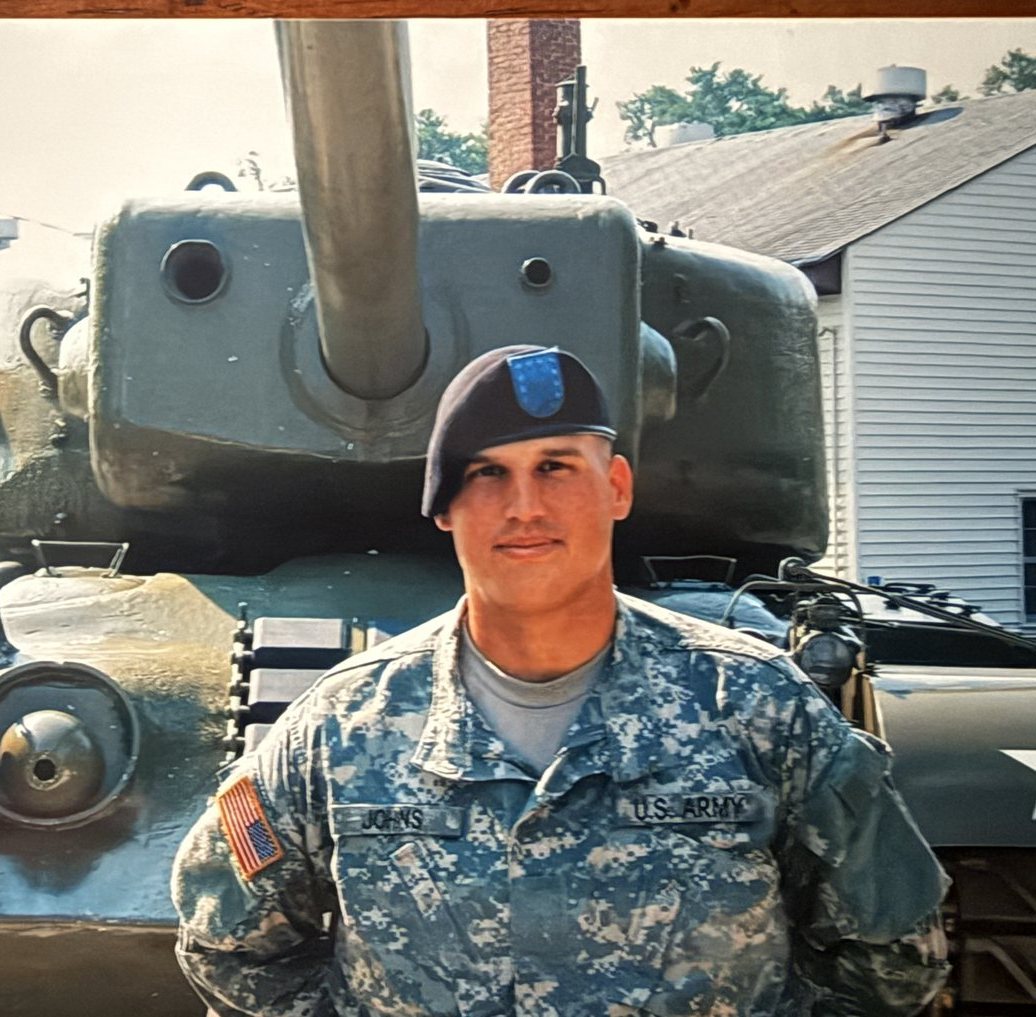
Compiled by Heath, founder of Clubfoot Forward, an adult with bilateral clubfoot and a military veteran who spent years in issued boots. Kit policies on insoles, sizing and footwear exceptions vary by service and change — check yours rather than relying on this. Not medical advice. Reviewed September 2026. See the editorial policy.