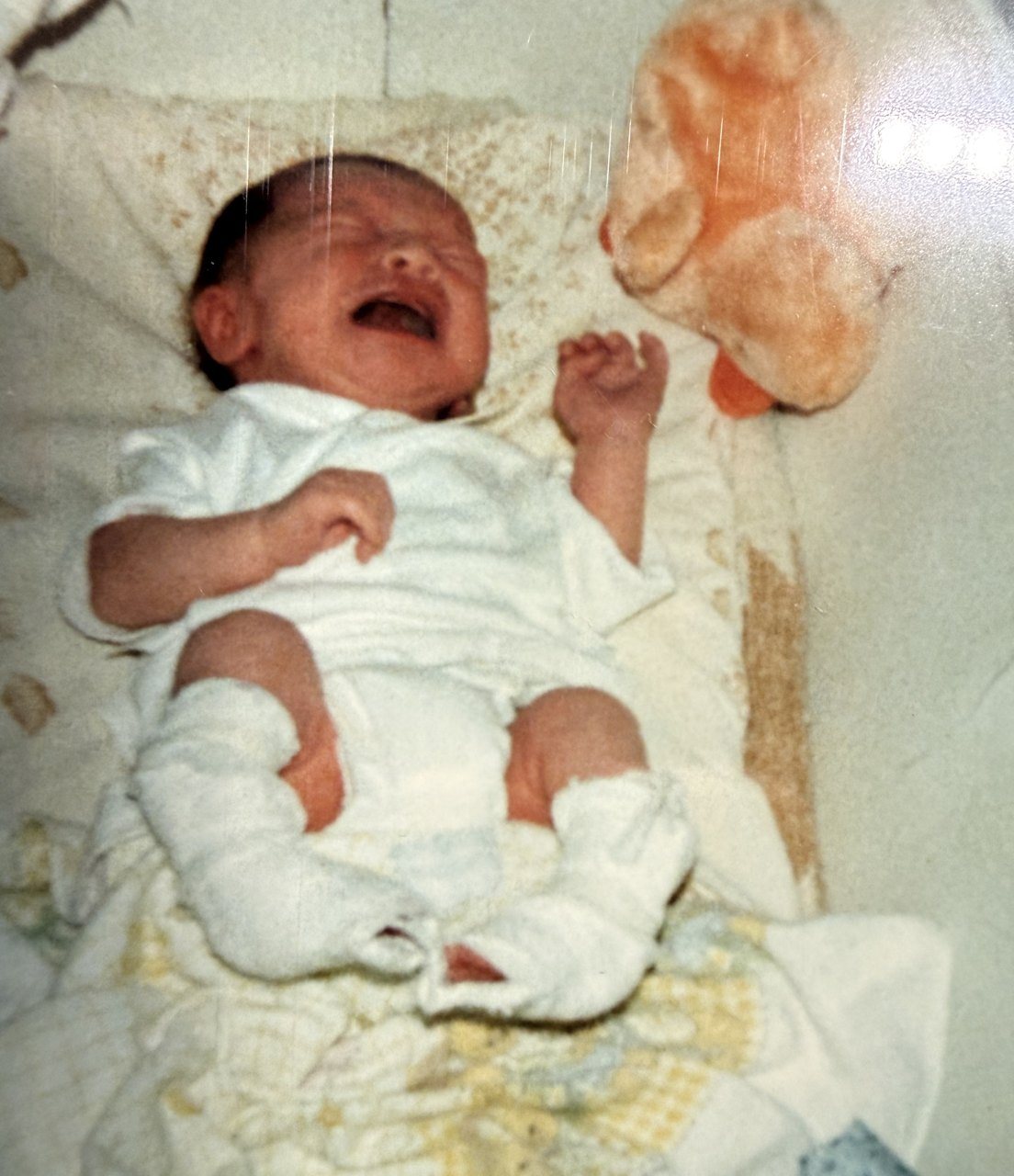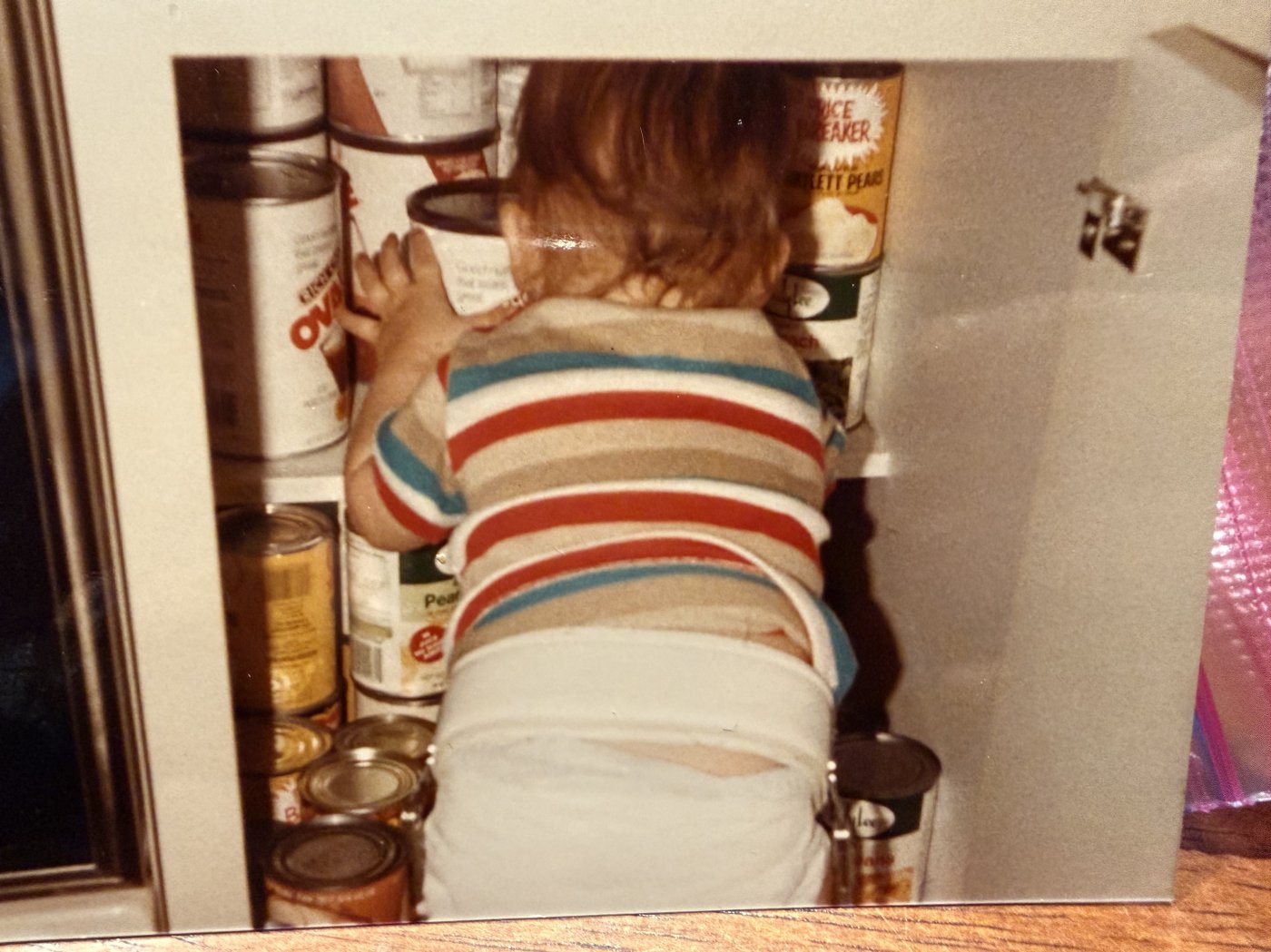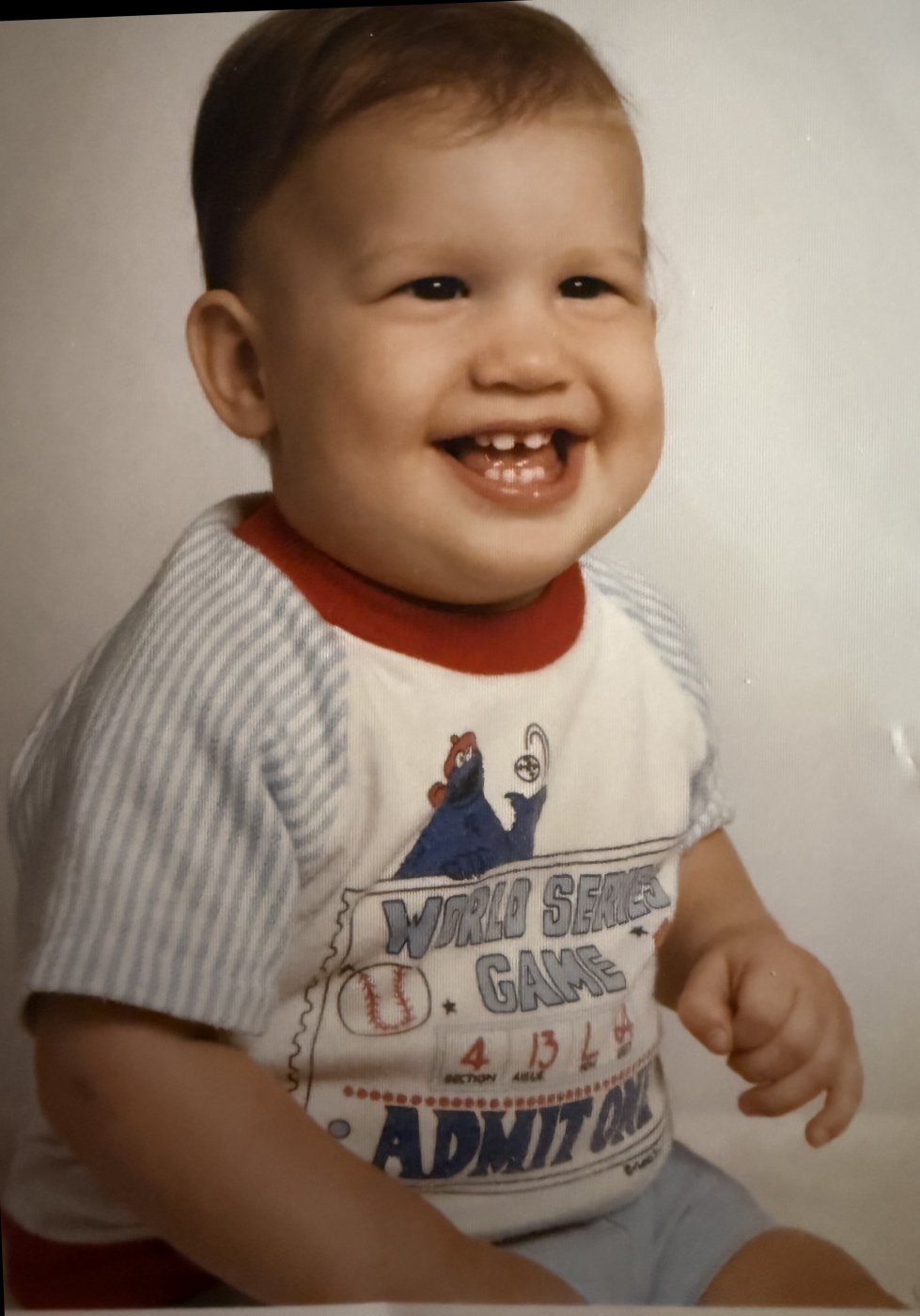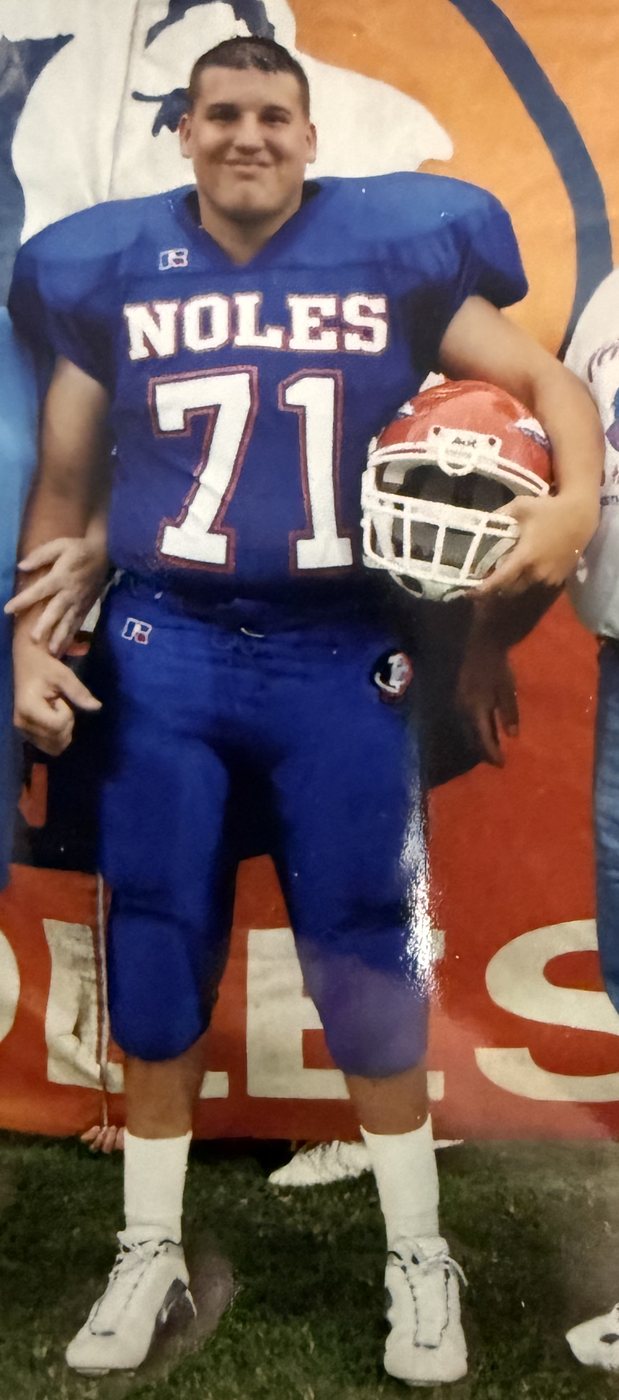
Founder of Clubfoot Forward
About Heath
I was born with severe bilateral clubfoot. I built Clubfoot Forward because clubfoot does not end at diagnosis, casting, bracing, surgery, childhood, military service, running, or adulthood. It follows the body across time, and families deserve a resource that explains that honestly.
My name is Heath. I am the founder of Clubfoot Forward, an adult with lifelong bilateral clubfoot history, multiple orthopedic surgeries, triple arthrodesis, military service, long-term altered mechanics, and years of learning how a structurally different body adapts, compensates, performs, and eventually sends the bill.
This site exists because most clubfoot information falls into one of two buckets. The first bucket is early parent education: diagnosis, casting, bracing, and reassurance. That matters. The second bucket is medical literature, which matters too, but does not always translate cleanly into daily life. There is not always enough practical middle ground for the parent wondering what the next appointment means, the adult wondering why they still hurt, or the military applicant trying to figure out what their medical history means under real physical demand.
Clubfoot Forward is my attempt to build that missing middle: medically cautious, plain-language, experience-informed, and honest enough to be useful.
Severe Bilateral Clubfoot
My perspective starts with living the condition, not simply reading about it. Both feet were affected, and that shaped my treatment history, gait, footwear, pain, movement, and long-term mechanics.
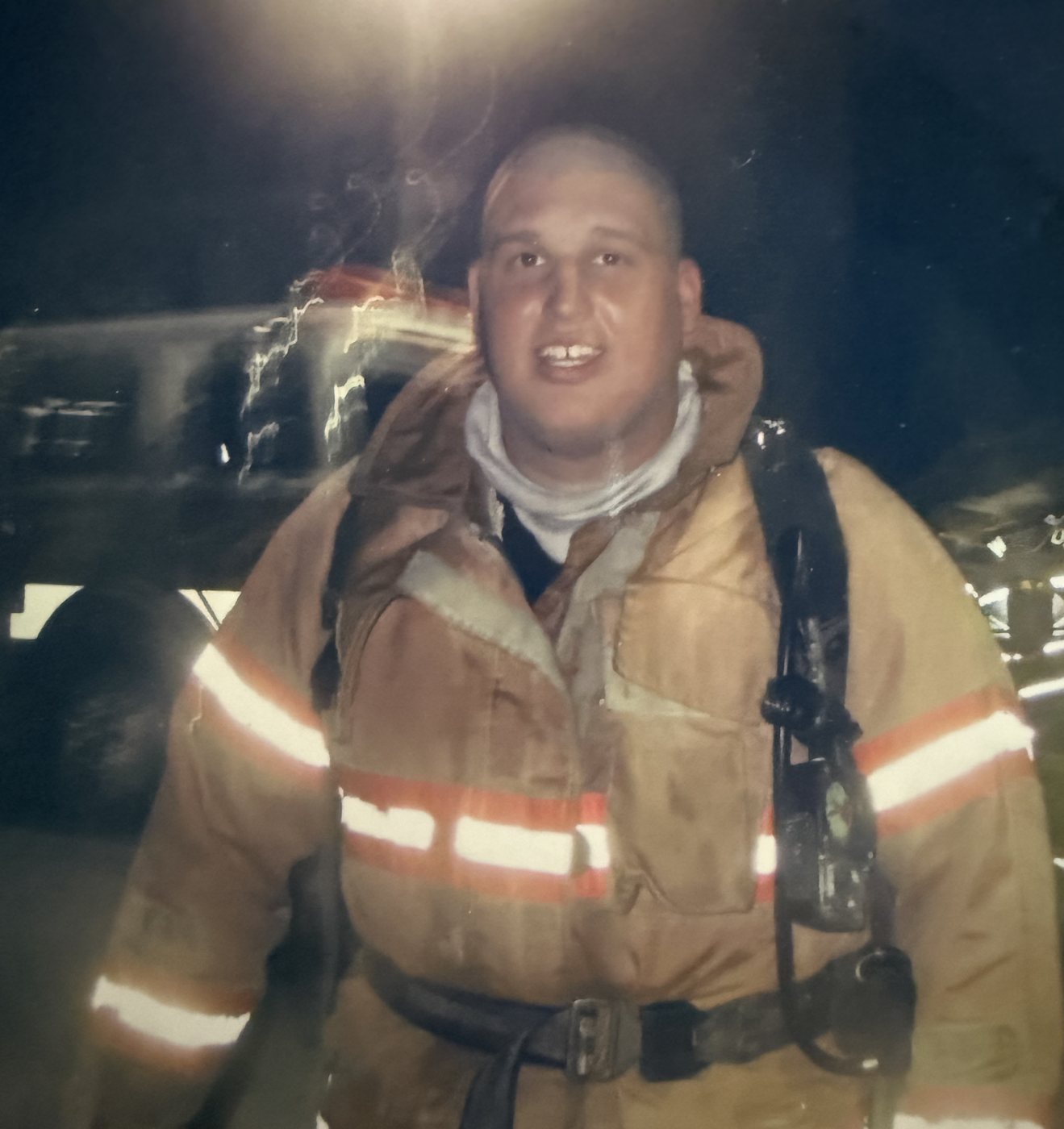
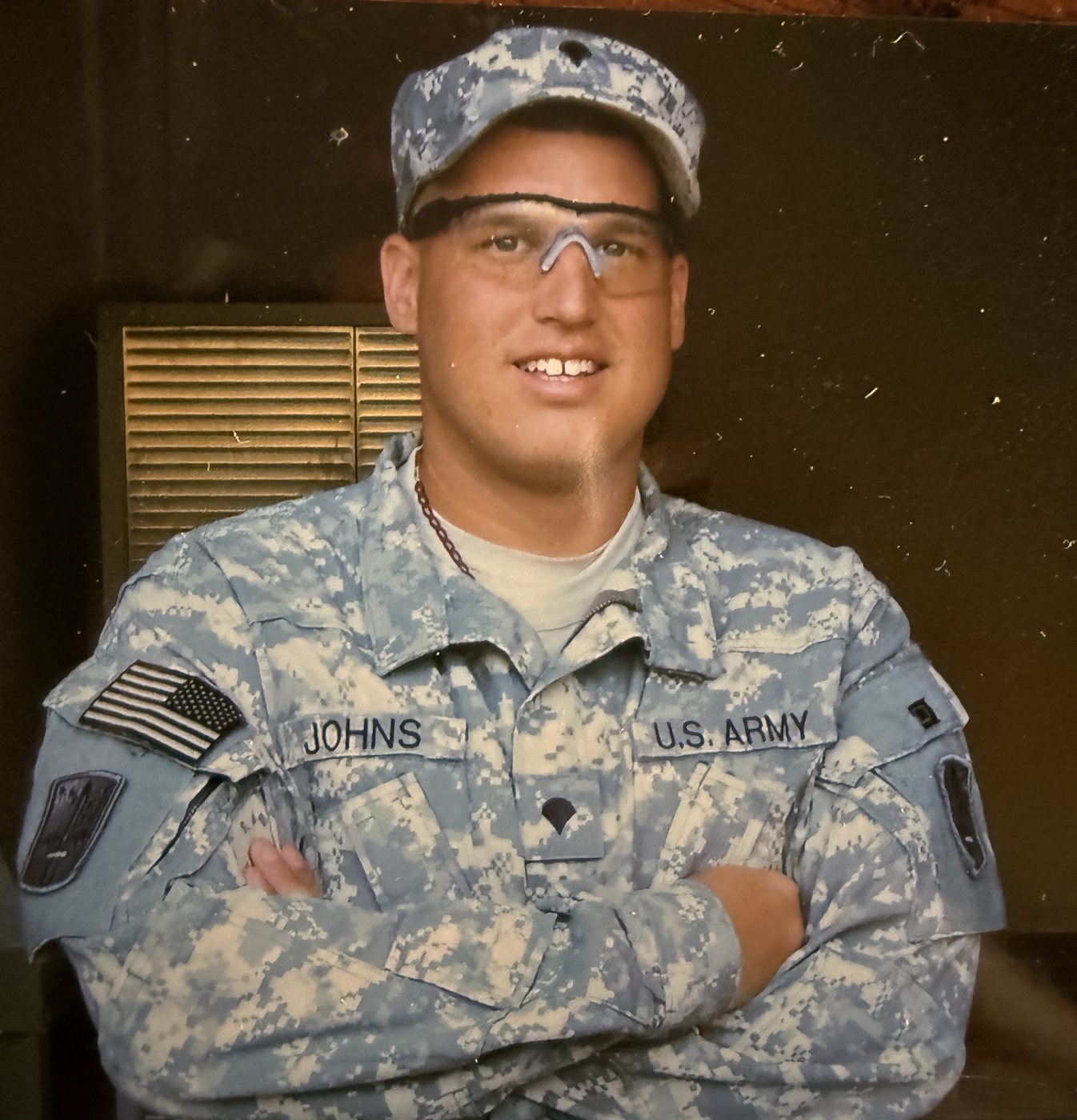
Army Veteran
I served nearly nine years on active duty, learning what clubfoot and altered mechanics look like under boots, running, load, field conditions, standing, and recovery debt.
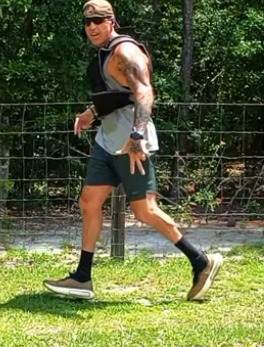
Adult Runner With Altered Mechanics
I still train, run, and track the cost of movement in a body that works hard but does not move by textbook rules.
The plain-English version: I am not a doctor. I am the adult outcome that many parents are trying to imagine, the former military applicant and service member many readers are trying to understand, and the altered-mechanics runner who has had to learn what “function” actually costs over time.
Clubfoot Forward is where I turn that lived experience into practical education for parents, adults, athletes, and anyone trying to understand long-term clubfoot reality without drowning in fear or fake simplicity.
Lived Experience
I have lived the full arc.
Diagnosis, treatment, surgery, recurrence concerns, adult stiffness, gait compensation, military load, running, pain, and long-term adaptation are not abstract topics for me.
Records-Informed Context
This is not memory alone.
My writing is informed by my medical history, surgical background, adult function, military experience, training data, and direct lived experience over decades.
Clear Boundary
I do not pretend to be your doctor.
Clubfoot Forward is educational. It helps readers ask better questions, not replace pediatric orthopedics, physical therapy, surgery consults, military review, or medical care.
Why This Exists
Why I Built Clubfoot Forward
Clubfoot information often separates into stages that do not talk to each other very well.
Parents are handed a diagnosis and need immediate reassurance, but also honest detail. Adults are told they were “treated” as children, but may still deal with pain, stiffness, smaller calves, altered gait, shoe problems, fusion, compensation, and fatigue. Athletes are told to stretch or strengthen without anyone asking whether their joints actually move normally. Military applicants are told to either give up or push through, which is a great way to turn biomechanics into a motivational poster with consequences.
Clubfoot Forward exists because people need the middle ground: clear, practical, medically respectful, and real.
For parents
The goal is to reduce fear without minimizing the diagnosis. Clubfoot is treatable, but treatment has stages, responsibilities, relapse risk, bracing demands, and long-term questions.
For adults
The goal is to explain why adult clubfoot can still matter after childhood treatment: pain, stiffness, fusion, compensation, gait changes, footwear, running, and fatigue.
For military applicants and service members
The goal is to separate eligibility, MEPS, waivers, training, boots, rucking, retention, and service reality instead of pretending it is all one yes-or-no question.
Jump To
Medical history | Adult outcome | Military service | Running | Research and data | Topics I write about | What I am not | Site standards | Start here | FAQ
Medical-History Context
My Clubfoot History
I was born with severe bilateral clubfoot. Both feet were affected, which means my entire lower-body development, gait, balance, footwear, pain patterns, and compensation history were shaped by clubfoot from the beginning.
My medical history includes childhood treatment, Achilles-related procedures, tendon-related history, multiple orthopedic surgeries, and later triple arthrodesis. That matters because clubfoot is not only a baby-foot position problem. Depending on severity, treatment response, recurrence, surgery, stiffness, and long-term compensation, it can become a lifelong altered-mechanics story.
I live with limited ankle motion and altered mechanics. My dorsiflexion is limited compared with a typical ankle, and my foot and lower-body mechanics do not behave like a clean anatomy diagram. That does not mean I cannot function. It means function comes with cost, tradeoffs, and compensation.
That distinction is one of the biggest reasons this site exists. A body can be functional and still not be mechanically normal. A child can be successfully treated and still need follow-up. An adult can be active and still carry the mechanical history of clubfoot into every mile, boot, shoe, staircase, and hard surface.
Bilateral clubfoot
Both feet were affected, which creates a different long-term experience than comparing one affected foot to one typical foot.
Triple arthrodesis
Fusion can improve stability and alignment, but it also changes motion and forces other joints and tissues to absorb more of the movement job.
Limited motion and compensation
Reduced motion changes gait, stride, push-off, fatigue, terrain tolerance, and how the knees, hips, back, and opposite-side structures participate.
Adult Outcome
Why Adult Clubfoot Is a Major Part of This Site
Parents often ask whether their child will walk, run, play sports, wear shoes, and live a full life. Those are fair questions. But adults with clubfoot ask a different set of questions: Why does my foot still hurt? Why is my calf smaller? Why do my knees, hips, or back compensate? Why do shoes never fit right? Why did things change after growth, work, military service, surgery, or years of activity?
My life sits directly inside that adult outcome conversation. I am not the worst-case scenario, and I am not a perfect “everything is fine” story either. I am proof that someone can live a full, active, demanding life with severe bilateral clubfoot history and still have real structural cost.
That is the honest middle: high function does not erase altered mechanics. It just means the system found a way to keep moving.
Function is real.
I served, trained, worked, ran, and kept moving with a body that was never mechanically standard.
Cost is real too.
Stiffness, pain, compensation, terrain limits, recovery debt, and altered loading still matter even when a person looks capable from the outside.
The long view matters.
Clubfoot should be understood across years and decades, not only during casting and bracing.
Military Experience
Military Service With Clubfoot and Altered Mechanics
I served nearly nine years on active duty in the Army. That experience matters because the military does not test clubfoot in a gentle, controlled, orthopedic-office way.
Military life tests the body through boots, standing, running, marching, rucking, field conditions, sleep loss, load carriage, hard surfaces, uneven terrain, limited recovery, and schedules you do not control. A person can pass an entry process and still learn later that the real test is repetition.
This is why I write bluntly about military service with clubfoot and altered mechanics. The question is not only whether someone can get through MEPS. It is whether the body can handle what happens after the paperwork, after the waiver, after the first motivated week, and after the system starts stacking load on top of fatigue.
I do not write military pages as a recruiter, waiver authority, or official decision-maker. I write them as someone who lived the difference between being allowed to serve and physically paying for service.
Clubfoot and Military Service
The clubfoot-specific entry point for MEPS, waiver concerns, boots, service demands, and realistic expectations.
Military Service With Altered Mechanics
The broader hub for clubfoot, fusion, prior surgery, altered gait, rucking, boots, training, and service reality.
Basic Training With Clubfoot
The training-specific branch for understanding accumulation, schedule control, boots, recovery debt, and early military physical demand.
Running and Altered Mechanics
Running With a Body That Does Not Move by Textbook Rules
I run with altered mechanics. That sentence is simple. The reality is not.
Running with severe bilateral clubfoot history, limited dorsiflexion, fused joints, calf differences, altered push-off, and compensation patterns is not the same as running with typical lower-limb mechanics. The body can adapt, but adaptation is not free. It shows up in cadence, stride length, ground contact, fatigue, stiffness, knee load, hip contribution, low-back involvement, shoe tolerance, and recovery.
My own running history is part of how Clubfoot Forward approaches adult clubfoot. I care about what people can actually do, but I also care about what it costs them to do it.
That is why the adult running pages do not use lazy advice like “just stretch more” or “open up your stride.” If the joint does not move normally, forcing a normal-looking pattern can move the cost somewhere else. Sometimes the system is not failing because it is weak. Sometimes it is protecting itself from a demand it cannot express normally.
Running With Clubfoot
The main running hub for adults trying to understand distance, pain, mechanics, shoes, terrain, and training limits.
Limited Dorsiflexion and Running
Why limited ankle motion changes stride, push-off, compensation, fatigue, and injury risk.
Pain After Running With Clubfoot
Why post-run pain may show up in the foot, calf, knee, hip, back, or compensation chain.
Data and Research Context
Why Clubfoot Forward Includes Data and Research Pages
Clubfoot Forward is not only a personal story site. It also includes data-driven and research-style pages because adult altered mechanics deserve more than vague descriptions.
My running and training data help explore how a structurally limited body adapts over time. That includes cadence, stride, ground contact, fatigue, environment, pain, recovery, treadmill versus outdoor demand, and the difference between visible success and internal cost.
The purpose is not to pretend one person’s data represents everyone. It does not. The purpose is to document the lived mechanics carefully enough that better questions can be asked: What does adaptation look like? What does compensation preserve? What does it cost? When does the system succeed, and when does the environment expose the limits?
That is the core of the altered-mechanics research branch: not clubfoot as a simple foot problem, but the body as a long-term adaptive system.
Research Hub
The central location for Clubfoot Forward research-style projects, altered-mechanics studies, and data-driven questions.
Adult Clubfoot Gait Compensation
The hub for understanding how limited foot and ankle motion can shift demand through the body.
Adult Clubfoot Life
The broader adult hub for pain, stiffness, shoes, orthotics, running, surgery, and long-term function.
What I Write About
The Main Topics I Cover
Clubfoot Forward is built around the questions people actually ask when they are scared, confused, frustrated, or trying to understand what their body or child’s body is doing.
Prenatal diagnosis and early parent questions
Ultrasound findings, 20-week scan questions, isolated versus non-isolated clubfoot, first orthopedic visits, casting, tenotomy, and what parents should ask.
Ponseti treatment and bracing
Serial casting, Achilles tenotomy, boots-and-bar bracing, brace schedules, fit problems, relapse prevention, and parent troubleshooting.
Relapse and long-term monitoring
Relapse signs by age, normal tightness versus relapse, brace problems, walking changes, fatigue, pain, and when to call the orthopedic team.
Adult pain, stiffness, and compensation
Adult clubfoot realities that can persist after childhood treatment: gait changes, limited motion, fusion, knee/back symptoms, shoes, orthotics, and workload limits.
Military service and medical review
MEPS, waivers, military eligibility, boots, basic training, rucking, daily service, and the reality of serving with altered mechanics.
Running and high-volume activity
Running mechanics, push-off, dorsiflexion, cadence, stride, terrain, fatigue, pain, and training choices for adults with clubfoot or altered mechanics.
What I Am Not
I am not a physician, pediatric orthopedic surgeon, physical therapist, genetic counselor, MEPS official, waiver authority, recruiter, or legal advisor.
That boundary matters. Lived experience can explain what textbooks often miss, but it does not replace qualified medical evaluation. My role is to help parents and adults understand questions, patterns, timelines, and real-world implications so they can have better conversations with the professionals responsible for their care.
Clubfoot Forward is educational. It is not diagnosis, treatment planning, brace fitting, surgical advice, medical clearance, military qualification advice, or a substitute for your own medical team.
Editorial Standards
How I Try to Keep Clubfoot Forward Useful and Honest
Clubfoot Forward is built on a simple editorial standard: be useful, be honest, and do not pretend certainty where certainty does not exist.
Medical education pages are written to separate what is generally known, what is commonly recommended, what families should ask, and where individual medical care must take over. When outside medical or policy references are used, the goal is to use direct references that actually support the page, not throw in random authority links for decoration.
I also try to avoid two kinds of bad information: fear-based exaggeration and fake reassurance. Parents do not need panic. Adults do not need dismissal. Military applicants do not need slogans. People need a realistic map.
Plain language
The goal is to translate medical and mechanical concepts into language people can actually use at appointments, at home, and in daily life.
Direct sourcing
External references should be used only when they directly support the page, not as source-padding.
Clear boundaries
Every page should make it clear that education is not the same as individualized medical care.
Start Here
Where to Start on Clubfoot Forward
Different readers arrive with different needs. Use the pathway that matches your situation.
Parents after diagnosis
Start with the early treatment hub if your child was diagnosed prenatally, at birth, or during early evaluation.
Parents worried about relapse
Start with the relapse hub if your child seems tighter, harder to brace, walking differently, toe walking more, or losing correction.
Adults with clubfoot
Start with the adult hub if you are dealing with pain, stiffness, shoes, surgery history, gait compensation, running, or long-term function.
Military applicants
Start with the military hub if your question involves MEPS, waivers, boots, basic training, rucking, service demands, or altered mechanics.
Runners and active adults
Start with the running hub if your questions involve stride, push-off, pain after running, limited motion, terrain, shoes, or training load.
Long-term outcome readers
Start with the timeline or triple arthrodesis pages if you want to understand how clubfoot can evolve across childhood, surgery, adulthood, and function.
Frequently Asked Questions
Who is Heath from Clubfoot Forward?
Heath is the founder of Clubfoot Forward. He was born with severe bilateral clubfoot, has lived through childhood treatment, multiple surgeries, triple arthrodesis, military service, adult altered mechanics, and high-volume running, and writes from long-term lived experience.
Is Heath a doctor?
No. Heath is not a physician, surgeon, physical therapist, genetic counselor, or medical provider. Clubfoot Forward is educational and combines lived experience, records-informed perspective, plain-language interpretation, and direct references when used, but it does not replace professional medical care.
Why did Heath create Clubfoot Forward?
Heath created Clubfoot Forward because parents, adults, athletes, and military applicants often need practical clubfoot information that connects medical language with real life, including treatment, relapse, bracing, pain, gait compensation, surgery, running, military service, and long-term function.
What makes Heath’s perspective different?
Heath brings a long-term perspective across childhood clubfoot treatment, adult surgery, military service, altered mechanics, running, pain patterns, gait compensation, and daily function. He writes as someone who has lived the condition across decades, not only from the diagnosis stage.
Does Clubfoot Forward give medical advice?
No. Clubfoot Forward is educational only. It helps readers understand questions, patterns, treatment concepts, lived-experience realities, and decision points, but diagnosis and treatment decisions should be made with qualified medical professionals.
What topics does Heath write about?
Heath writes about prenatal and parent clubfoot questions, Ponseti treatment, bracing, relapse, adult clubfoot pain, gait compensation, running with clubfoot, military service with altered mechanics, surgery history, and long-term outcomes.
Important Educational Disclaimer
Clubfoot Forward is educational only. I share lived experience, plain-language interpretation, records-informed context, patient-led research questions, and practical guidance for parents and adults. This site does not provide diagnosis, treatment planning, physical therapy, surgical recommendations, brace fitting, legal advice, military qualification advice, or medical clearance.
If you have questions about your child’s clubfoot, your own symptoms, relapse concerns, surgery, pain, bracing, running, military eligibility, or long-term function, speak with qualified medical professionals and the appropriate official channels.