
What the operations left behind
Childhood clubfoot surgery bought correction and charged for it in stiffness. Which era you were treated in predicts more about your adult foot than almost anything else about you.

By era of practice
Find roughly when you were treated
Practice varied by country and by surgeon, so these are broad periods, not firm dates. Your operative record beats any of them.
Before 1970, a mixed and poorly recorded era
Manipulation, casting and surgery were all in use with little standardization, and the records that survive are often thin. Many people from this period have a foot that was partially corrected, an operation nobody can now name, and no documentation at all.
What tends to be seen now is considerable stiffness, sometimes incomplete correction, and a lifetime of adaptation that has usually worked better than the appearance of the foot would suggest.
1970s and 1980s. Comprehensive release becomes standard
Posteromedial release, often extensive, became the mainstream answer. The reasoning was sound for its time: casting alone frequently relapsed, and a single thorough operation that released everything tight offered a durable correction.
It delivered that. It also cut through tissue that would never be the same again, and the adults from this era are the ones with the most rigid feet, the most scar, and the highest rate of hindfoot arthritis in later life.
1990s, the high point, and the first doubts
Surgical release remained standard in most centers while the first long-term follow-ups of the earlier cohorts began appearing. Those reports described stiff, painful adult feet in numbers nobody had expected, and the profession started reconsidering.
Many people treated in this decade had less extensive surgery than their predecessors, sometimes with limited or staged releases. Outcomes sit between the two neighboring eras and vary a great deal by center.
2000s onward, casting returns as first line
The Ponseti method, published decades earlier, became the international standard. Gentle serial casting, a small tenotomy in most cases, then years of bracing. Extensive release moved to being a fallback rather than the plan.
Adults from this era are only now reaching their late twenties and thirties, so the very long record does not yet exist. What is consistently reported so far is more flexible, less painful feet than the surgical cohorts, which is exactly what the change was for.
What surgery leaves that is not arthritis
Joint wear gets most of the attention and has its own page. The rest of what an operated foot carries is less discussed and, day to day, often more relevant.
| What was done | What it left | How it shows up now |
|---|---|---|
| Skin and deep incisions | Scar that keeps contracting for years | Stiffness that increased long after discharge |
| Cut sensory nerves | Permanent patches of altered sensation | Numbness, or a hypersensitive line |
| Lengthened tendons | Reduced force at the same length | Weaker push-off, earlier fatigue |
| Released capsules | Joints stabilized by scar rather than ligament | Rigid hindfoot, poor adaptation to ground |
| Repeated procedures | Scar worked through scar | The stiffest adult feet of all |
| Growth-plate proximity | Occasional effect on foot size | A smaller foot than the deformity alone explains |
The first row explains something that puzzles a lot of people: why a foot that was reasonably supple at twelve is rigid at thirty-five, with nothing having happened in between. Scar does not finish maturing when the wound closes.
The operation was one afternoon. The remodeling ran for another fifteen years.
On whether it was a mistake
This question comes up constantly and deserves a straight answer. The comparison people make is their foot against a normal foot, and that was never the choice available. The real comparison is their foot against an uncorrected clubfoot (congenital talipes equinovarus, or CTEV): walking on the outer border, on skin not built for it, with the deformity worsening.
Measured against that, a stiff corrected foot is a good outcome, and the surgeons who did it were applying the best evidence they had. That better methods arrived afterwards is how medicine is supposed to work; it is not a retrospective indictment.
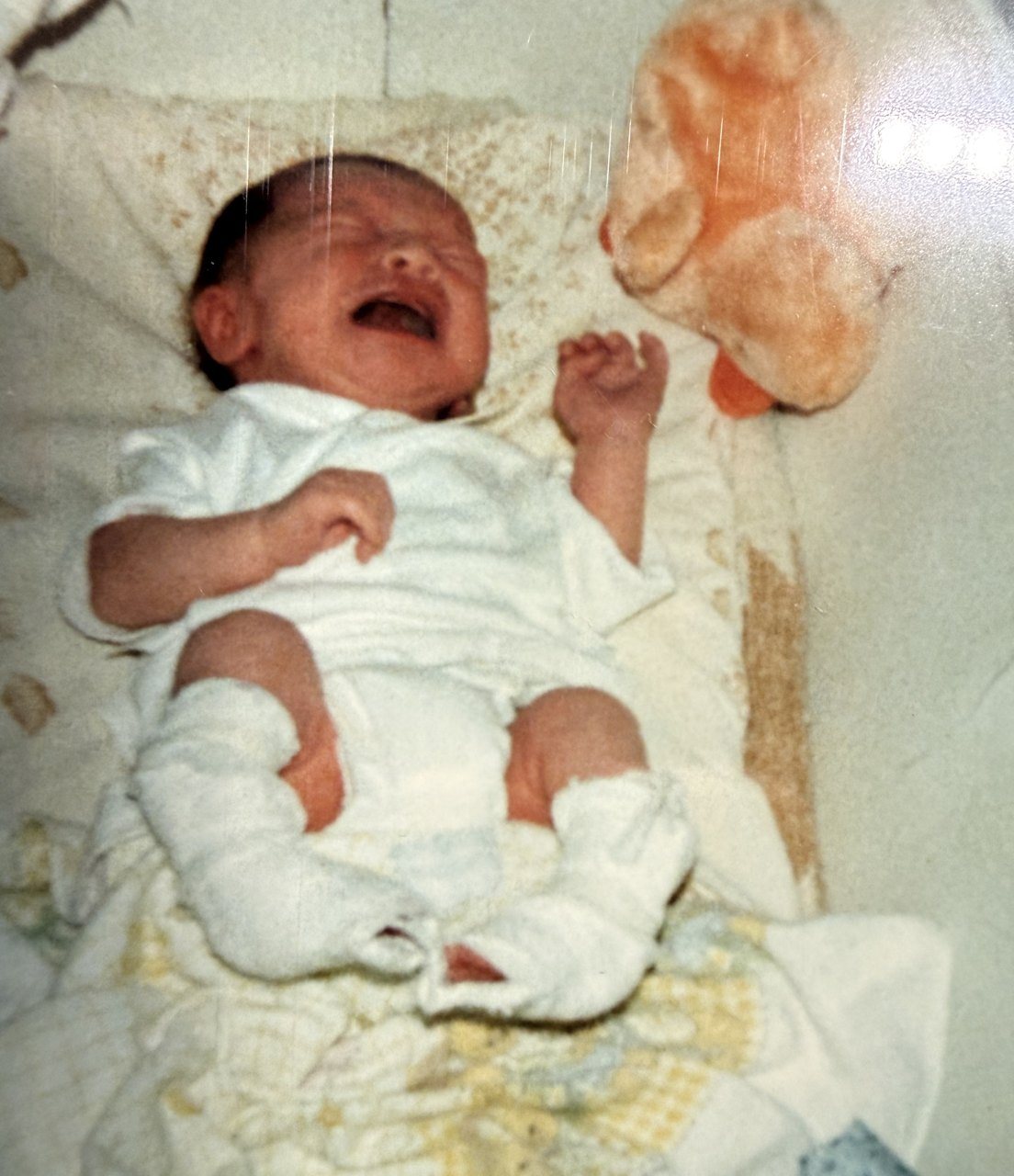
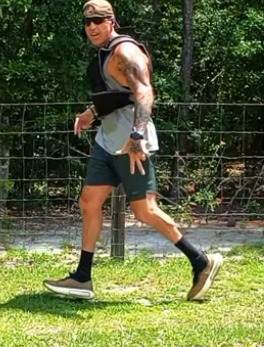
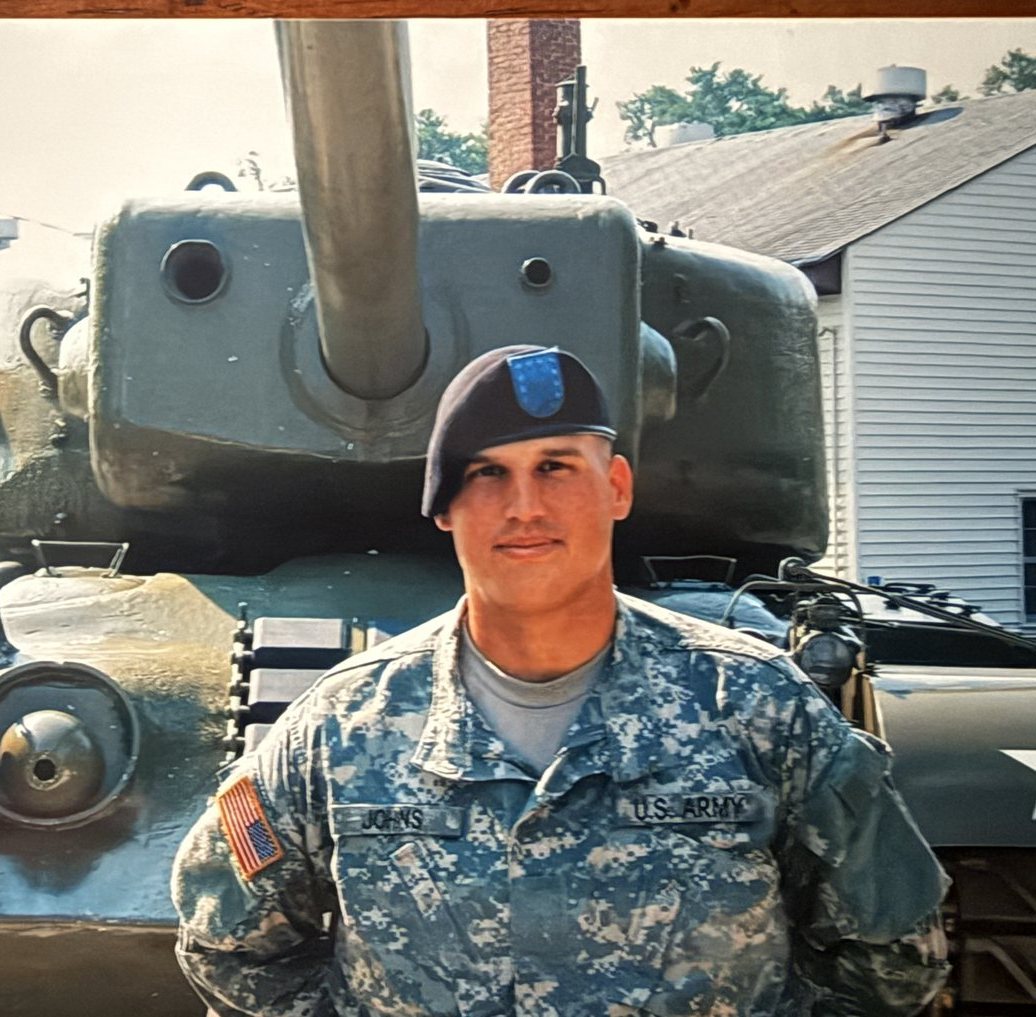
My own feet were done in that middle era, comprehensively, and they are stiff and scarred and have carried me through military service and a great many miles of running. Both halves of that sentence are true, and I would not trade the second half to undo the first.
People also ask
After childhood surgery
Why was surgery done instead of casting?
Why is my foot numb in places?
Was my surgery a mistake?
Do multiple operations make things worse?
Should I get my operative records?
What are the long-term effects of childhood clubfoot surgery?
Does scar tissue keep changing over the years?
Can the effects of that surgery be reversed?
Sources