
Everything that was manageable stops being optional
In garrison there is always a little slack: a spare pair of insoles in your locker, a shower at the end of the day, a medic down the corridor. Deployed, the slack is gone. The foot has not changed and every one of the small workarounds holding it together has been removed at once, which is why the field finds problems that a base never did.
What is the environment actually asking?
Six questions about the conditions instead of about you. The panel shows which factors are multiplying, and which are merely present.
How much weight are you carrying?
What is the ground like?
How long are you out for?
Are your feet staying dry?
Is it cold?
Do you carry spare socks and insoles?
Choice is the thing you lose first
Almost every strategy an adult with an altered foot uses depends on being able to choose something: different footwear, a slower pace, a sit-down, a lighter day tomorrow. Deployed, those choices belong to the situation and not to you. You walk at the pace of the patrol, carry what the task requires, and stop when stopping is possible, not when it would help.
That loss is the mechanism behind most field foot problems, and it is why the same person can be entirely comfortable in garrison and in real difficulty two weeks later without anything about their foot having changed at all.
In garrison you manage the foot. In the field the foot has to manage without you.
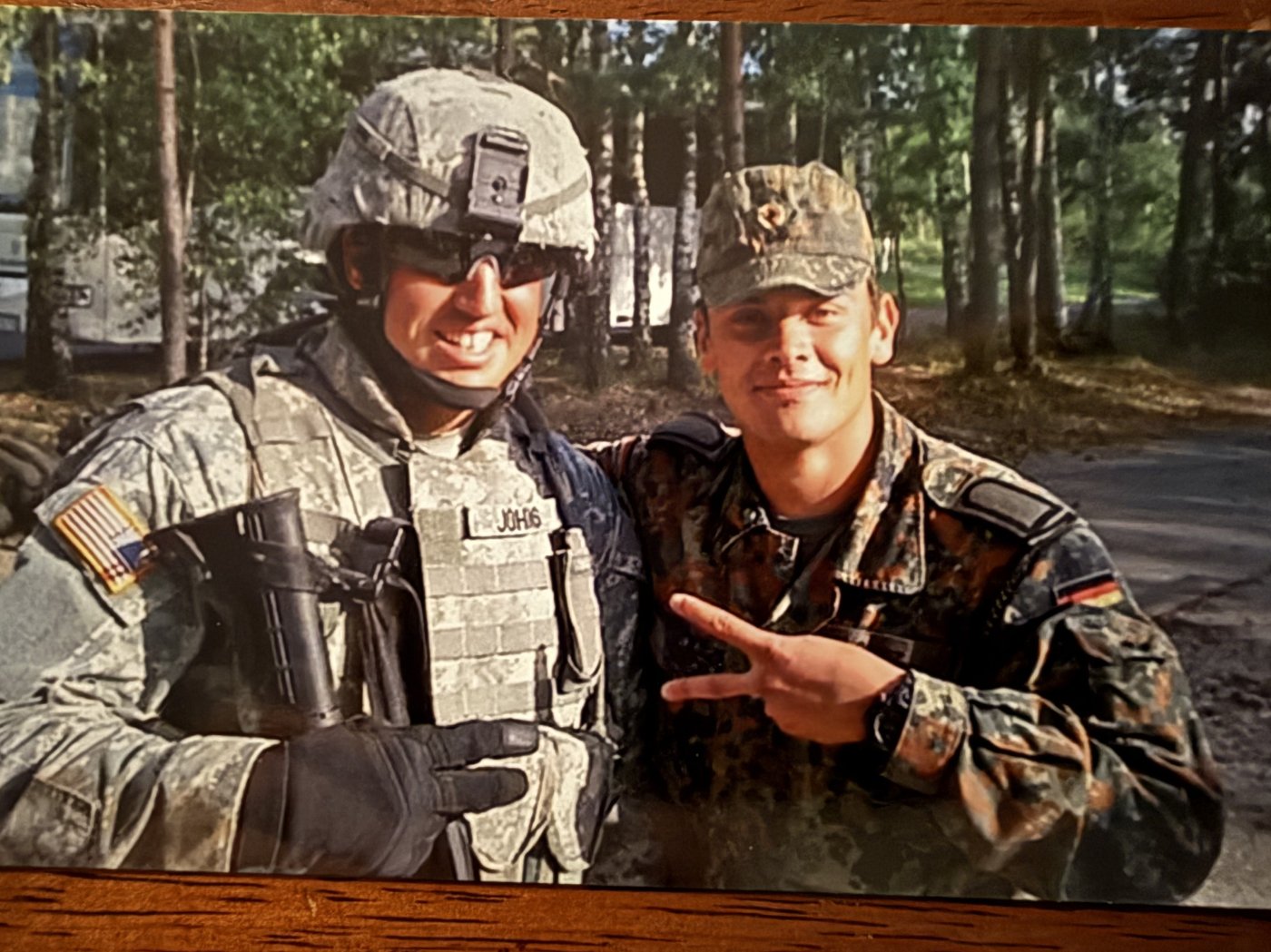
Wet is the underrated one
People prepare for weight and terrain. Fewer prepare for moisture, and moisture is what converts a manageable pressure point into a wound. Softened skin has a fraction of its normal resistance to friction, so a hot spot that would have stayed a hot spot for a week becomes an open blister in an afternoon.
For a foot that already concentrates pressure into a small area, which describes most treated clubfeet, that shortened timeline matters enormously. Dry socks are not a comfort item in this context. They are the primary countermeasure to the most common cause of foot casualties in the field.
Speaking up, when speaking up is hard
Reporting a foot problem in the field feels like letting people down, and that instinct is precisely why small problems become evacuations. The honest framing is the operational one: a soldier who mentions a hot spot at the halt is a soldier who keeps walking. A soldier who says nothing for four days is a liability to the people who then have to carry the load and the consequence.
Say it early, say what you can still do, and be specific about what would help. That version gets treated as information instead of as complaint, and it is the version that keeps you in the field rather than out of it.
People also ask