Adult Clubfoot Surgical History
Adult Clubfoot Operative History and Long-Term Function
Adult clubfoot function is not just about what the foot looks like today. It is the result of everything the foot has been through: birth severity, childhood treatment, surgery, relapse, residual deformity, compensation, stress injury, and any later fusion or salvage procedure.
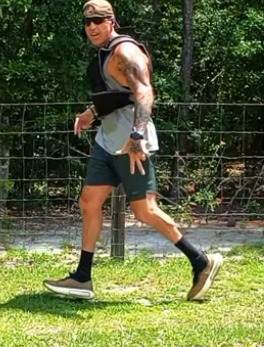
That is why adult clubfoot can be so badly misunderstood. A person may be active, athletic, military-capable, or outwardly functional while still carrying decades of altered loading, scar tissue, limited motion, joint stress, and hidden mechanical cost.
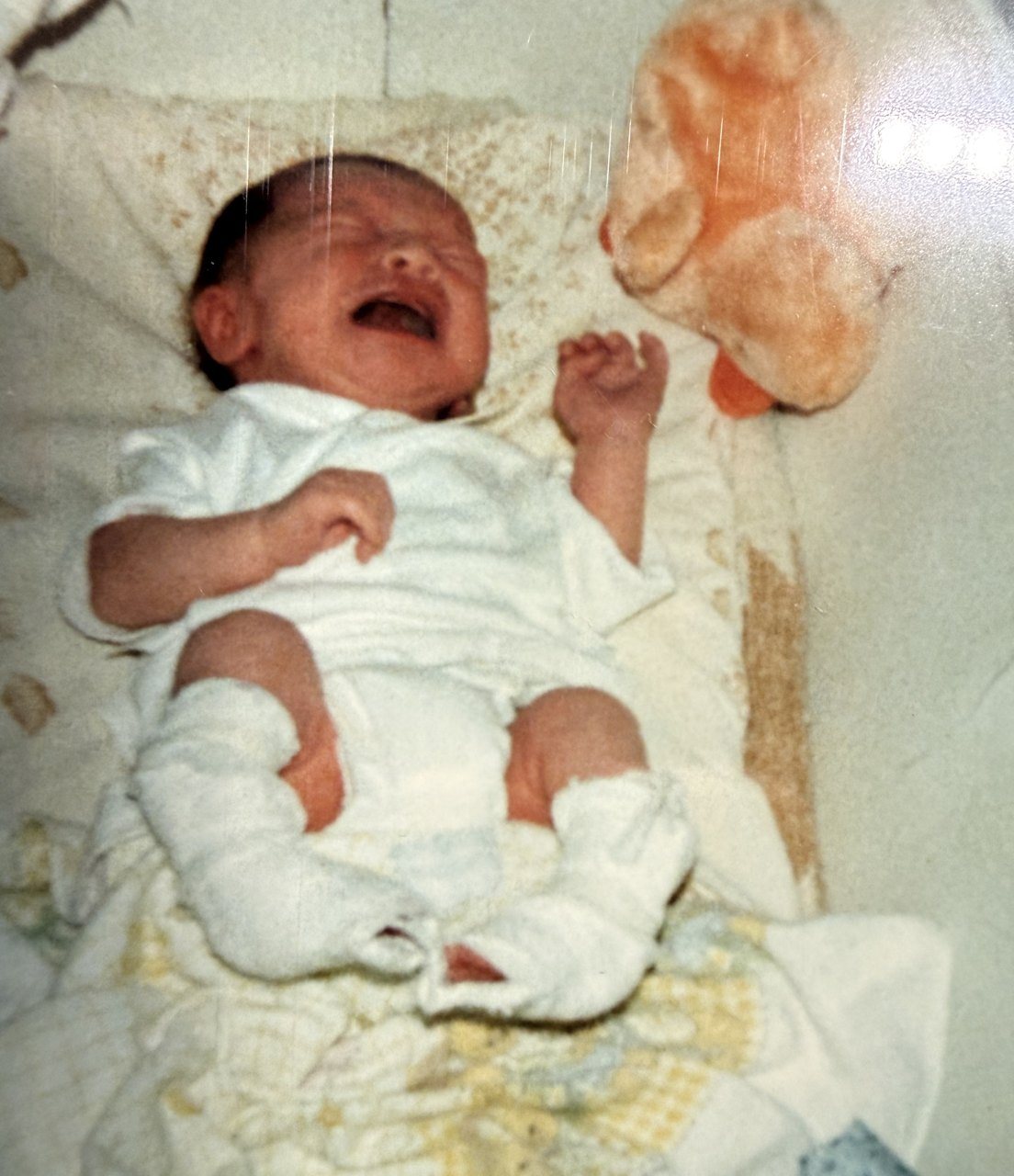
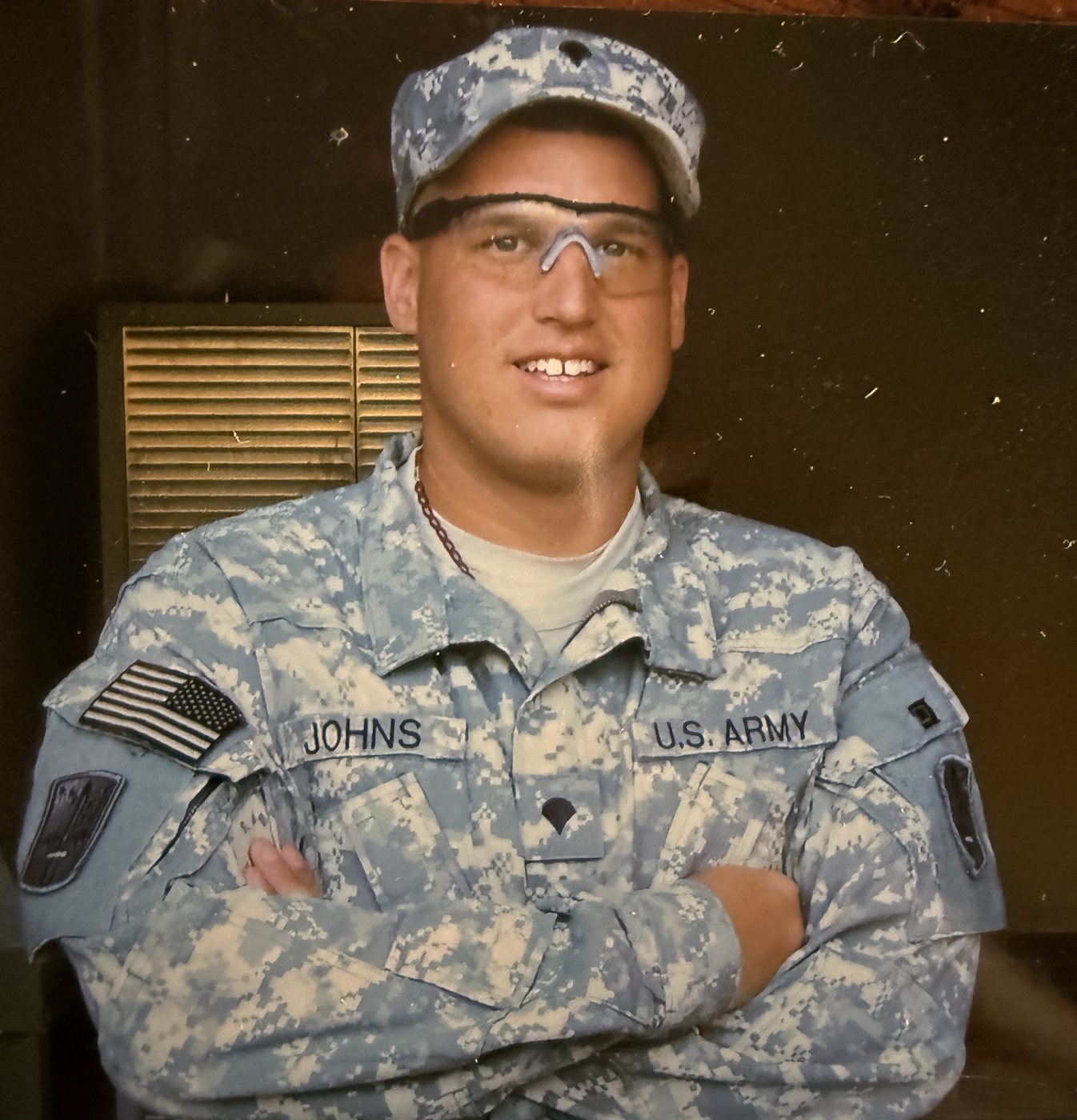
This page uses my own severe bilateral clubfoot history as the lived-experience example: infantile surgical correction, heavy early bracing, a repeat open revision on the left side in childhood, years of high function and youth sports, progressive adult breakdown, a metatarsal stress fracture, and left triple arthrodesis in 2001.
That timeline is not presented as everyone’s outcome. It is presented as a map of why adult operative history matters. The current adult foot is often not a new problem. It is the latest chapter in a very long mechanical story.
Operative History
Childhood releases, revision surgery, bracing, residual deformity, and later fusion can permanently shape adult mechanics.
High Function Is Not the Same as Normal Structure
Someone can play sports, serve, run, or work hard while still relying on compensation and altered loading.
Adult Breakdown Has a History
Stress fractures, lateral border loading, pain, stiffness, and fusion decisions often make more sense when the full history is visible.
Plain-language summary: your adult clubfoot does not function only from today’s x-ray, today’s pain, or today’s gait pattern. It functions through the accumulated effects of everything that happened before: original severity, surgery, scar tissue, residual alignment, activity history, compensation, and later joint changes.
That is why a person can look capable and still have a heavily modified orthopedic system doing expensive work in the background.
Core Point
Adult symptoms have a timeline.
Pain, stiffness, calluses, stress injury, gait changes, and fusion history often make more sense when childhood treatment and residual structure are included.
Function Point
High output does not prove normal mechanics.
An adult can be active and capable while still operating through limited motion, altered loading, compensation, and reduced joint reserve.
Clinical Conversation
The history changes the interpretation.
A current symptom is easier to understand when the provider knows the full path: treatment, surgeries, relapse, activity, breakdown, and prior fusion.
Visual Timeline
How Operative History Becomes Adult Function
This page is easier to understand as a timeline. The adult foot is not a blank structure. It is a record of every correction, restriction, compensation, overload pattern, and salvage decision that came before it.
How to read this timeline: high function can exist in the middle of the story without proving the structure is normal. The body may compensate successfully for years before the accumulated cost becomes visible as pain, loading changes, stress injury, or a need for fusion.
Jump To
Why history matters | What the record shows | Function paradox | Adult breakdown | Triple arthrodesis | What surgery leaves behind | Why adults get misread | What parents should know | Questions to ask | Related pages | Sources | FAQ
Adult Clubfoot Context
Why Operative History Matters So Much
Adult clubfoot pain, stiffness, gait change, callus formation, stress injury, and fusion history are easy to misread when they are treated as isolated adult problems. The adult foot is not starting from zero. It carries the entire structural record.
Childhood clubfoot surgery can change joint capsules, tendons, scar tissue, motion, alignment, and loading patterns. Residual deformity can decide where force travels. A later relapse or revision can leave one side more rigid than the other. Decades of walking, running, working, standing, and compensating can turn small alignment problems into larger adult consequences.
That is why the adult question should not be only, “Where does it hurt today?” The better question is, “How did this foot get here?”
Lived Timeline
What My Operative History Shows
My own clubfoot history began with severe bilateral involvement. I had major childhood clubfoot surgery, heavy early bracing, and persistent structural limits that did not disappear just because I became active.
My left foot was the more severe side. It did not hold alignment as well and required a complete repeat open posteromedial soft-tissue revision in 1988. That detail matters because adults often carry side-to-side differences that began decades earlier. One foot may have been stiffer, more surgically altered, more relapsed, or more overloaded long before adulthood.
Even with that history, I maintained high function through childhood and adolescence. I played baseball and stayed physically active. That is important because it shows a central adult clubfoot truth: high function can exist on an altered foundation.
But high function does not erase cost. Over time, my left foot developed severe loading problems, lateral border stress, callus formation, instability, and eventually a fourth metatarsal stress fracture. That adult breakdown was not random. It was the downstream result of a long structural timeline.
Function Paradox
High Function Does Not Mean Normal Structure
One of the most important mistakes people make with adult clubfoot is assuming that visible function proves structural normality.
An adult can walk well, work hard, play sports, serve in the military, run, train, and appear capable while still relying on altered mechanics. The body may shorten stride, shift load, protect a side, use different shoes, avoid certain surfaces, stiffen around painful motion, or transfer work into the knee, hip, back, or opposite side.
That does not mean the function is fake. It means function is being produced by an adapted system, not a normal one.
High capacity
The person may still be strong, active, athletic, or professionally capable.
Low reserve
The same person may have less motion, less tolerance for uneven terrain, slower recovery, or a narrower safe operating window.
Hidden cost
Compensation can stay invisible until fatigue, load, surface, age, injury, or volume exposes it.
Adult Breakdown
How Adult Mechanical Breakdown Can Develop
Adult clubfoot breakdown often develops slowly. It may begin as stiffness, recurring soreness, calluses, shoe wear patterns, a limp after fatigue, pain on one side of the foot, or reduced tolerance for surfaces that used to be manageable.
In my case, the left foot developed a loading pattern that concentrated too much stress along the lateral border and lesser metatarsals. Over time, that loading pattern was no longer just an inconvenience. It became a structural problem.
The fourth metatarsal stress fracture was not a random adult injury detached from my childhood history. It was part of the same chain: severe original deformity, surgery, residual alignment, reduced motion, altered loading, and repeated adult demand.
Early warning patterns
Calluses, recurring pressure areas, repeated shoe breakdown, instability, or pain that appears in the same mechanical location.
Load concentration
When motion and alignment are limited, force may concentrate on one border, one joint, one metatarsal, or one compensation chain.
Stress injury
Stress fractures and recurring tissue overload may reflect the long-term loading pattern, not just a sudden training mistake.
Fusion / Salvage Phase
Where Triple Arthrodesis Fits Into the Adult Clubfoot Story
Triple arthrodesis is not a small decision. It fuses the subtalar, talonavicular, and calcaneocuboid joints. In plain terms, it trades painful or unstable hindfoot motion for a more stable foot.
In my case, left triple arthrodesis in 2001 helped create a more stable, usable, plantigrade foot. It allowed me to keep functioning at a high level. But fusion also permanently changed motion. It removed hindfoot inversion and eversion and shifted more demand into the ankle, midfoot, knee, hip, back, and overall compensation system.
That is the adult fusion tradeoff: stability may improve, but motion is not free. The body still has to move. If one region can no longer absorb or adapt, another region has to participate.
Fusion can be a solution and a new boundary at the same time. It may reduce one painful problem while creating a permanent need to manage adjacent joints, footwear, terrain, loading, and recovery.
Biomechanical Aftermath
What Childhood Release and Later Fusion Can Leave Behind
Not every adult with clubfoot has the same surgical history. Some were treated with modern Ponseti care. Others had extensive soft-tissue releases. Some had relapse surgery. Some later had fusions or osteotomies. The details matter because different interventions leave different long-term mechanics.
For adults with a history of extensive release, residual deformity, or later fusion, several patterns may show up over time:
Stiffness and motion loss
Soft-tissue scarring, joint capsule changes, residual deformity, or fusion can reduce ankle and hindfoot motion.
Altered loading
Residual varus, forefoot adductus, supination, cavus, or limited motion can shift pressure toward certain regions of the foot.
Reduced terrain tolerance
A stiff hindfoot has less ability to adapt to uneven ground, twisting, side slopes, and unpredictable surfaces.
Kinetic-chain transfer
When the foot cannot absorb or express motion normally, the ankle, knee, hip, back, and opposite side may take more of the workload.
Shoe and orthotic dependence
Adult function may depend heavily on footwear, inserts, rocker soles, braces, or other support choices.
Function without normality
An adult foot can remain very functional without becoming anatomically or radiographically normal.
Clinical Misread
Why Adults With Clubfoot Often Get Misread
Adults with clubfoot can be misread because function hides effort. A provider may see that the person walks into the room, works, exercises, or has a decent-looking gait and assume the system is healthier than it is.
The problem is that adult clubfoot often operates through shortcuts. A gait may look acceptable during a short exam but break down after fatigue. A foot may look stable in shoes but overload one edge during long days. Pain may show up in the knee, hip, or back even though the original driver is limited foot motion or altered loading.
That is why adult clubfoot appointments need the whole timeline: childhood treatment, exact surgeries, side-to-side differences, relapse history, footwear history, activity history, stress injuries, and what changed over time.
Parent Takeaway
What Parents and Caregivers Should Take From This
This page is not meant to scare parents. A child with severe clubfoot can still grow into a capable, active adult. My own history proves that high function is possible even after severe bilateral clubfoot and major surgery.
But parents should also understand that clubfoot is not always finished when early treatment ends. Some children need long-term monitoring. Some adults carry stiffness, pain, shoe problems, gait changes, or surgery consequences decades later. The goal is not fear. The goal is honest follow-through.
The best lesson is this: protect correction early, take relapse seriously, document surgical history, keep records, teach the child to understand their body, and do not dismiss adult symptoms just because the person “looks fine.”
Keep the records.
Surgery reports, clinic notes, x-rays, brace history, and relapse history can matter decades later.
Watch the long term.
Walking, sports, pain, shoes, fatigue, and gait changes deserve attention as the child grows.
Do not panic.
Long-term monitoring is not the same as expecting failure. It is how you protect function.
Practical Use
Questions Adults Can Bring to an Orthopedic Visit
If you are an adult with clubfoot pain, stiffness, prior surgery, altered gait, or a possible fusion discussion, the appointment should not start from today alone. Bring the timeline into the room.
History questions
- How does my childhood surgery affect my current mechanics?
- Does one side show more residual deformity or stiffness?
- Could old scarring or release history explain my motion limits?
- What records would help interpret my adult symptoms?
Loading questions
- Where am I overloading the foot?
- Do my calluses or shoe wear show a pressure pattern?
- Could my knee, hip, or back symptoms be related to foot mechanics?
- Would orthotics, bracing, rocker soles, or shoe changes help?
Surgery questions
- What problem would surgery actually solve?
- What motion would I lose or preserve?
- What adjacent joints may take more load afterward?
- What does success look like: pain relief, stability, alignment, or activity tolerance?
Sources
Sources Used for This Page
This page uses the following direct references to support the clubfoot treatment context, adult clubfoot operative patterns, and long-term posteromedial release outcome framing above.
AAOS OrthoInfo: Clubfoot
Used for general clubfoot treatment context and background on clubfoot as a congenital foot deformity.
Arthrodesis of the Foot or Ankle in Adult Patients with Congenital Clubfoot
Used for adult clubfoot operative patterns, including hindfoot arthrodesis and osteotomy procedures after childhood treatment.
Long-Term Results of the Posteromedial Release in the Treatment of Idiopathic Clubfoot
Used for long-term posteromedial release outcome context, including the importance of adult follow-up after childhood surgical treatment.
E-E-A-T Context
Why This Page Exists on Clubfoot Forward
This page exists because adult clubfoot is often discussed without the full adult timeline. My own history includes severe bilateral clubfoot, early surgery, revision surgery, high function, athletic activity, adult breakdown, metatarsal stress fracture, and left triple arthrodesis.
That lived timeline does not prove what every adult with clubfoot will experience. It does show why adult function cannot be judged from a single snapshot. The foot carries its history.
Clubfoot Forward uses lived experience, direct source support, and plain-language mechanical framing to help adults and families understand the difference between function, structure, compensation, and long-term cost.
Adult Clubfoot Operative History FAQ
Why does operative history matter so much in adult clubfoot?
Operative history matters because the adult foot functions through the cumulative effects of congenital severity, childhood treatment, scar tissue, residual deformity, motion loss, relapse history, later breakdown, and any salvage fusion. The adult problem rarely starts with the current symptom alone.
Does major childhood clubfoot surgery mean adult function will always be poor?
No. Major childhood surgery does not automatically mean poor adult function. A structurally altered foot can remain highly active and durable for years, but that function may come with stiffness, altered loading, compensation, and later mechanical cost.
Why can a highly active adult still have a compromised clubfoot system?
High output and structural normality are not the same thing. Adults with clubfoot may walk, run, serve, work, and play sports while still relying on compensations, altered loading, limited motion, and reduced joint reserve.
Why does triple arthrodesis come up later in adult clubfoot?
Triple arthrodesis may be considered later when painful motion, instability, residual deformity, lateral border loading, degenerative change, or progressive breakdown makes preserving motion less valuable than creating a more stable and usable foot.
Why is a full timeline more useful than a one-time orthopedic snapshot?
A full timeline shows how the adult problem developed. It connects early treatment, surgery, recurrence, residual deformity, adaptation, activity history, pain progression, stress injury, and salvage surgery in a way a one-time image or isolated visit often cannot.
Is this page medical advice?
No. This page is educational and based on lived experience, medical-history framing, and external references. It does not replace individualized evaluation, diagnosis, treatment planning, surgical advice, or rehabilitation guidance.
Critical Educational Disclaimer
This page is educational only. It uses lived experience, medical-history framing, and direct references to explain why adult clubfoot operative history matters. It does not provide diagnosis, surgical advice, physical therapy, rehabilitation planning, orthotic prescription, or individualized treatment guidance.
If you have worsening pain, stress injury concerns, progressive deformity, numbness, instability, loss of function, post-surgical symptoms, or questions about fusion or revision surgery, speak with a qualified orthopedic specialist, podiatric surgeon, physical therapist, sports medicine clinician, or physical medicine and rehabilitation specialist.