Birth to fusion, and the forty years in between
The clubfoot (talipes equinovarus, CTEV) treatment timeline is handed to families as something that ends. Clubfoot is presented to families as a treatment that finishes: casts, a brace, a discharge letter, done. That account is accurate for the treatment and misleading about the condition, which carries on being true about a person for the rest of their life. This page lays the whole span out and sends you to the part you are living in.
Which part of the span are you in?
Twelve pages across the whole arc. Pick a stage and the rest gets out of the way.
All twelve pages
Nothing matches that combination. Clear the chips, or start with the long record.
Where the standard account stops
Almost every resource on clubfoot covers birth to about age five in detail, thins out through childhood, and stops entirely at the end of pediatric follow-up. That is a fair reflection of where the medical activity is, and it leaves the majority of a person’s life undescribed.
The practical consequence is a generation of adults with treated clubfoot who have no idea what is normal for them. Is a foot that aches after a long day expected? Is stiffness at thirty-five a problem or just what this is? Should recovery be taking two days now? Nobody told them, because the account they were given finished before any of it started.
Treatment ends. The foot does not.
The shape of my own span
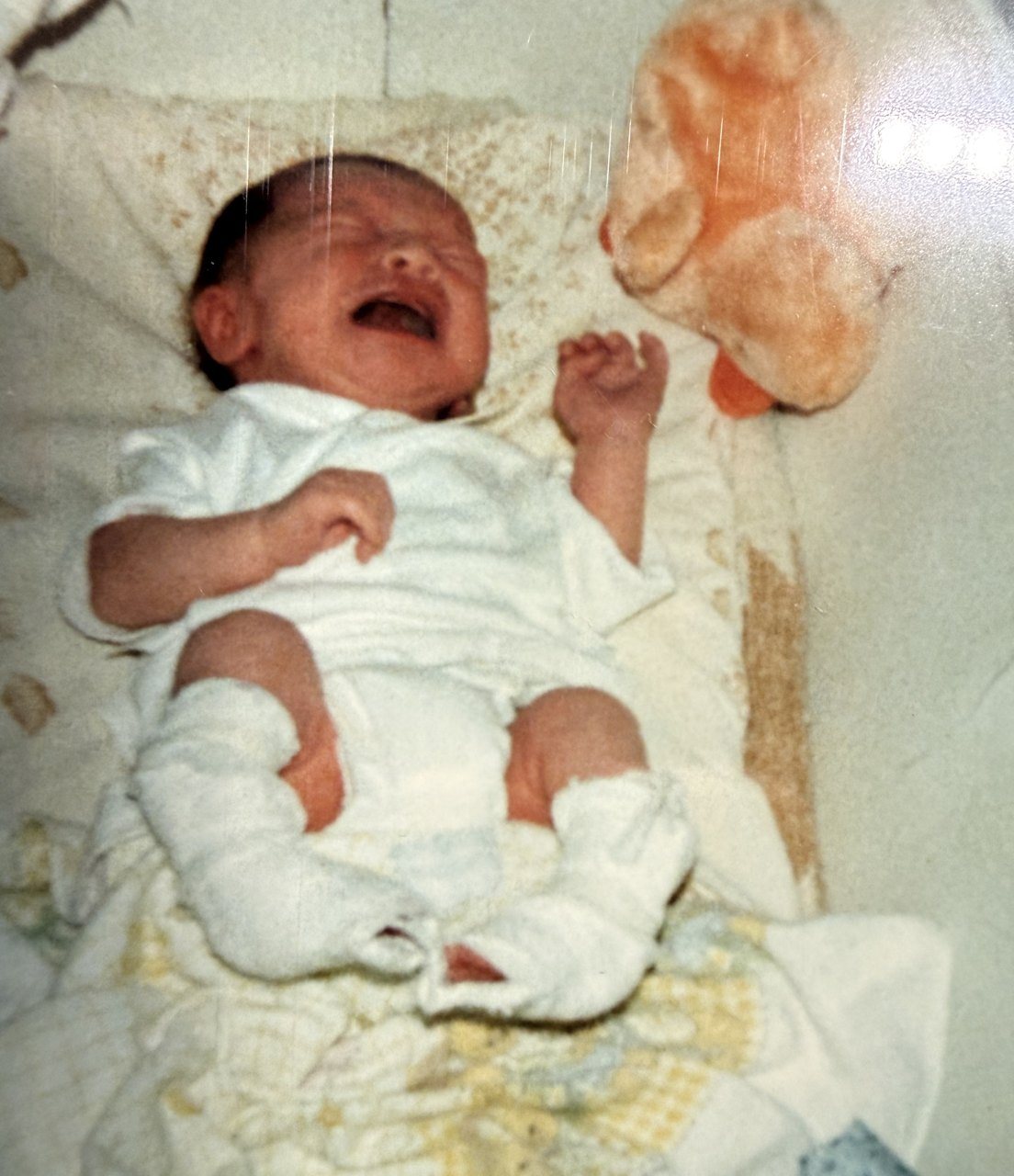
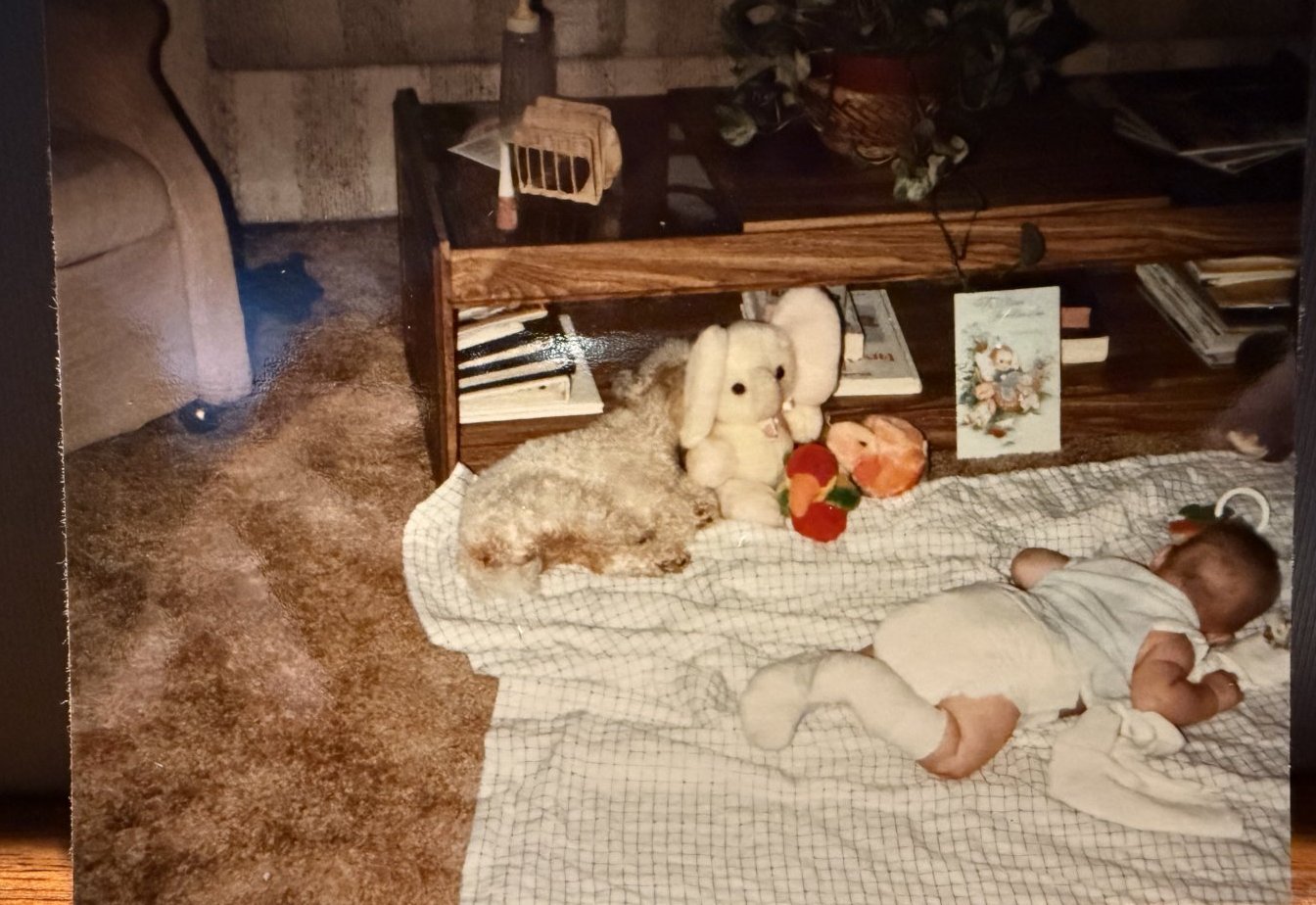
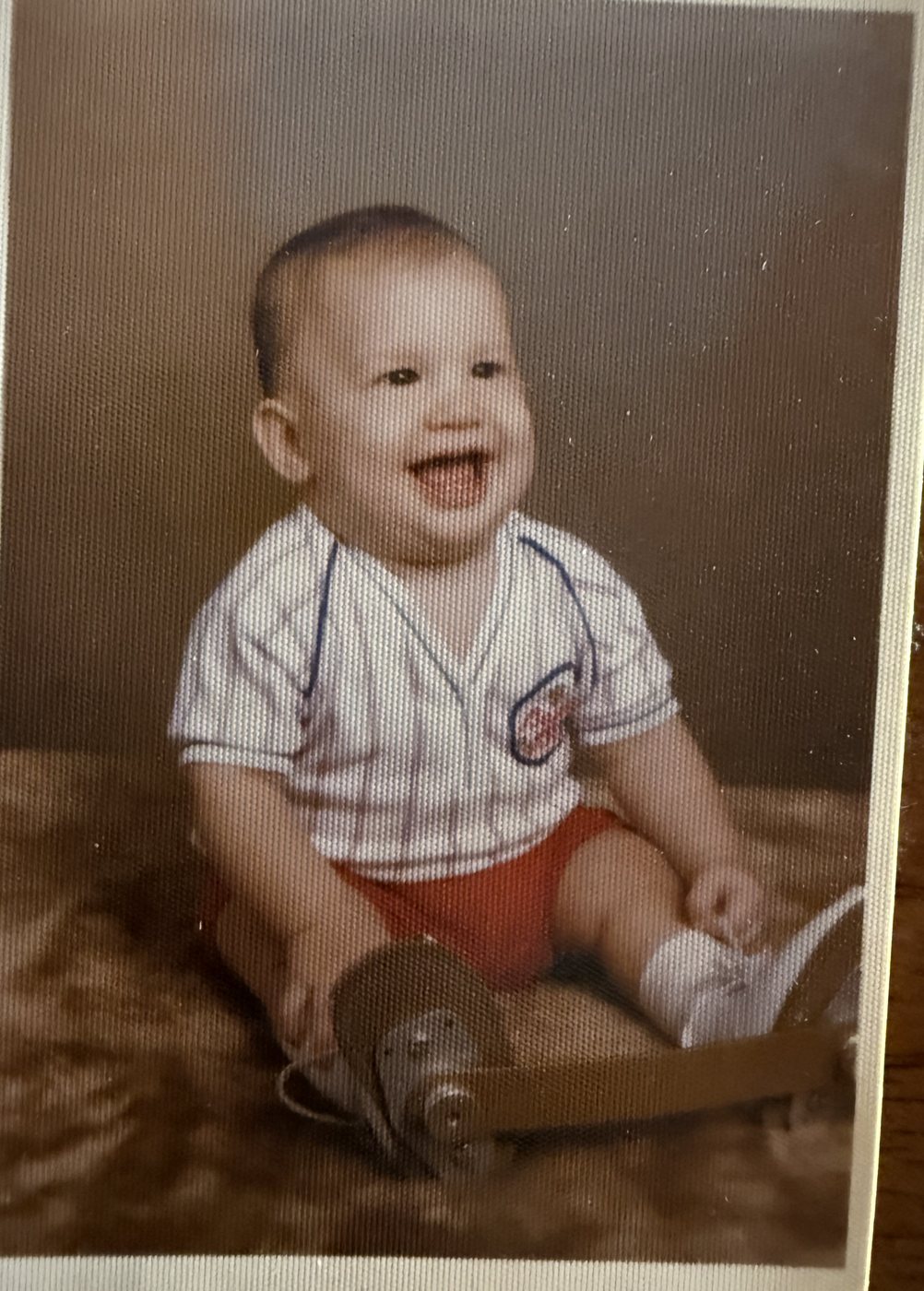
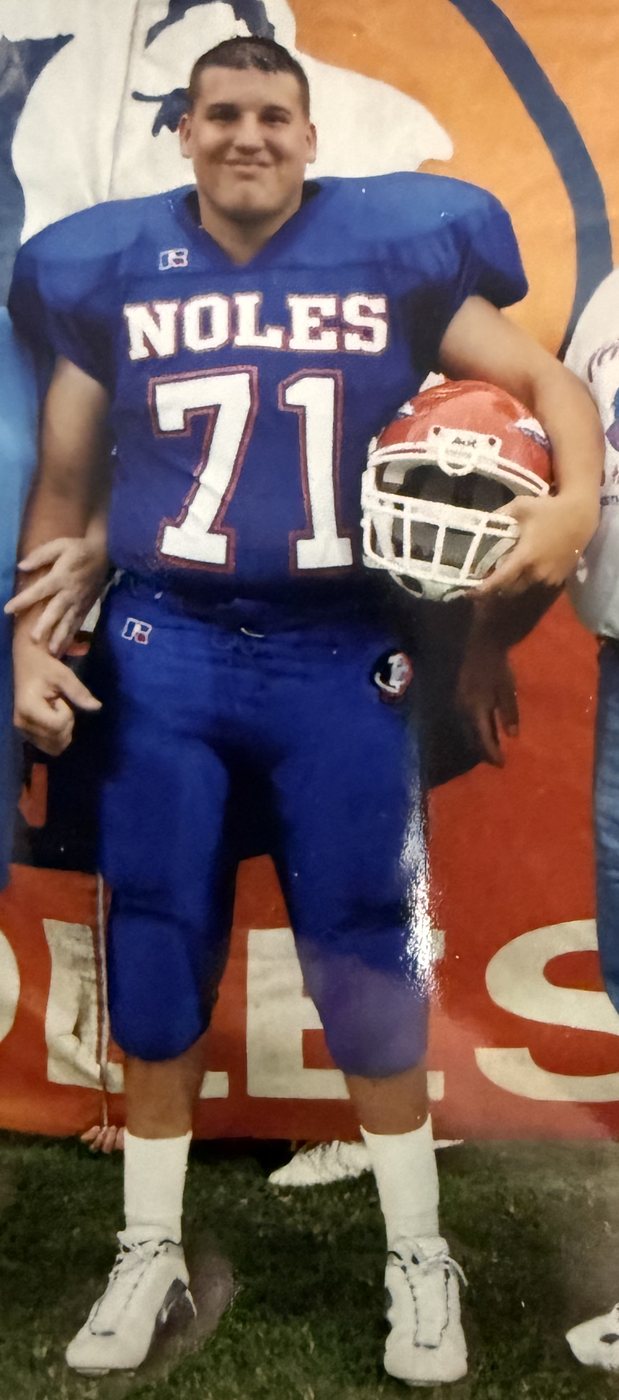
Born with bilateral clubfoot in 1985, casted from the first days, released surgically on both feet at four months and braced for years afterward, because that was standard practice at the time and in the place I was born. The left foot relapsed in childhood and needed more work; the right settled. Pediatric follow-up ended in my teens with no handover to adult care and no records handed over either.
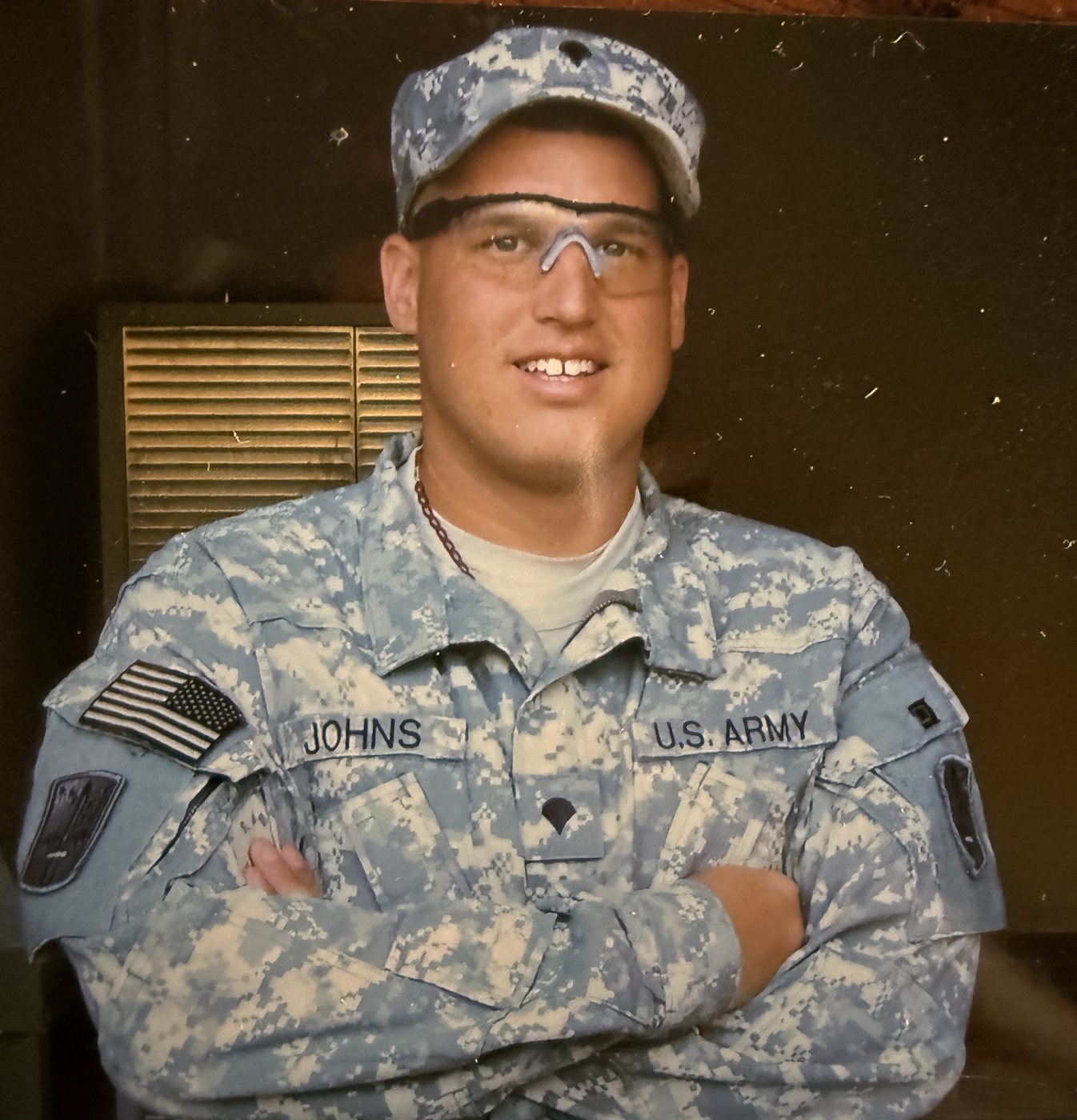
By my mid-teens the left foot was breaking down under load. A stress fracture in the fourth metatarsal at fifteen, and then six months of pain that stopped me doing what I wanted, ended the argument. Shriners recommended going ahead with a triple arthrodesis the summer I turned sixteen. I joined the Army in 2007 with the fusion six years done, served, and I run distance on it now.
That is one route through, from one era of treatment. A child treated by Ponseti casting today has a meaningfully better starting point than I did, and their span will not look like mine. What is likely to hold is the shape: a well-covered beginning, a long quiet middle, and questions that arrive decades after anyone was still watching.

Three things that change the span
Completing the bracing. The single largest determinant of whether a correction holds, and the one thing families genuinely control. Relapse rates rise sharply when the schedule slips, and relapse is what sets up most of the later trouble.
Keeping the records. Operative notes, imaging and clinic letters become very hard to obtain once a pediatric file is closed. Getting copies into the patient’s own hands before discharge takes one request and saves a reconstruction exercise thirty years later.
A baseline in adulthood. One assessment in your twenties (range of motion in degrees, calf measurement, weight-bearing images) turns every later question into a comparison. Without it, a clinician meeting you at forty has no way of knowing what has changed.
People also ask
The clubfoot timeline
At what age is clubfoot corrected?
What is the clubfoot treatment timeline?
Does clubfoot treatment ever really end?
When is relapse most likely?
What happens between childhood and adulthood?
Will my child need surgery as an adult?
What most improves the long-term picture?
Sources